EN
EN

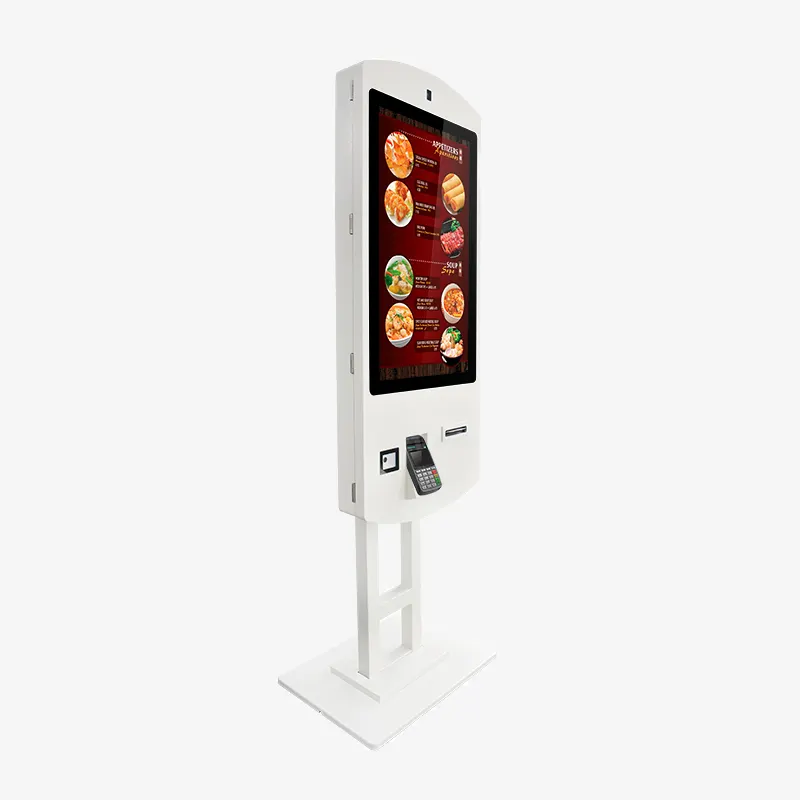
The restaurant industry faces mounting pressure to deliver faster service, reduce operational costs, and enhance customer satisfaction. A self ordering kiosk represents a transformative solution that addresses these challenges while positioning establishments for long-term success. These innovative systems enable customers to browse menus, customize orders, and complete transactions independently, fundamentally changing how restaurants operate and serve their clientele.
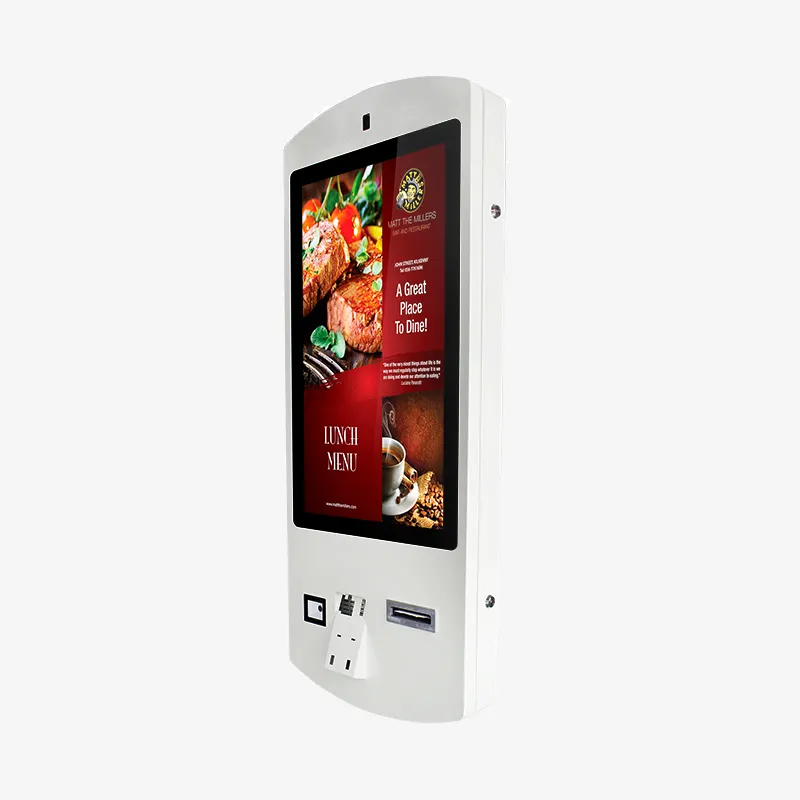
Modern dining establishments increasingly recognize that technology integration is essential for competitive advantage. Digital ordering solutions streamline operations while providing customers with greater control over their dining experience. The implementation of automated ordering systems reduces human error, accelerates service delivery, and allows restaurants to reallocate staff resources to areas that directly impact customer satisfaction and food quality.
Restaurant owners who embrace digital transformation often discover that self-service technology creates opportunities for increased revenue generation. These systems enable upselling through strategic menu placement and promotional displays, while simultaneously reducing labor costs associated with order-taking activities. The data collected through digital interactions provides valuable insights into customer preferences and purchasing patterns, enabling more informed business decisions.
Streamlining Order Processing and Accuracy
Eliminating Communication Barriers
Traditional order-taking methods often involve miscommunication between customers and staff, leading to incorrect orders and customer dissatisfaction. A self ordering kiosk eliminates these communication barriers by allowing customers to input their preferences directly into the system. Visual menu displays with detailed descriptions and images ensure customers understand exactly what they are ordering, reducing the likelihood of misunderstandings and subsequent order corrections.
Language barriers that frequently occur in diverse metropolitan areas become non-issues when customers can navigate multilingual interfaces at their own pace. The technology supports various languages and dietary preference indicators, making restaurants more accessible to international customers and those with specific dietary requirements. This inclusivity expands the potential customer base while improving service quality for existing patrons.
Digital ordering systems maintain consistent accuracy levels that human operators cannot match during peak hours or high-stress situations. Every order captures precise specifications without the risk of mishearing or misinterpreting customer requests. The result is improved customer satisfaction and reduced food waste from incorrectly prepared items.
Accelerating Order Fulfillment
Kitchen operations benefit significantly from the structured data flow that digital ordering provides. Orders transmitted directly to kitchen display systems eliminate the time required for manual order entry and reduce the potential for transcription errors. Kitchen staff receive orders with clear formatting, timing information, and special instructions, enabling more efficient meal preparation and coordination.
The integration capabilities of modern self ordering kiosk systems extend beyond basic order transmission. These platforms can coordinate with inventory management systems to automatically adjust menu availability based on ingredient stocks. Real-time synchronization prevents customers from ordering unavailable items, reducing disappointment and kitchen confusion while maintaining accurate menu displays throughout operating hours.
Advanced scheduling algorithms built into these systems can distribute order flow to optimize kitchen workflow and minimize wait times. By analyzing historical data and current capacity, the technology can suggest order timing adjustments or alternative menu items during peak periods, maintaining service quality while maximizing throughput efficiency.
Enhancing Customer Experience and Satisfaction
Providing Personalized Ordering Experiences
Contemporary consumers appreciate personalized experiences that cater to their individual preferences and dietary requirements. Self-service ordering technology enables restaurants to store customer profiles containing order history, preferred customizations, and loyalty program information. This data enables the system to suggest relevant menu items and streamline the ordering process for returning customers.
Customization options become more accessible through intuitive digital interfaces that clearly present available modifications and their associated costs. Customers can explore ingredient substitutions, portion adjustments, and preparation methods without feeling pressured by waiting staff or other customers. This leisurely decision-making process often results in higher order values as customers add items they might otherwise skip in traditional ordering scenarios.
The visual nature of digital menu presentations significantly enhances the ordering experience compared to traditional text-based menus. High-quality images, detailed ingredient lists, and nutritional information help customers make informed decisions. Interactive elements such as ingredient filters and preparation time estimates provide transparency that builds trust and confidence in the ordering process.
Reducing Wait Times and Queue Management
Long queues during peak hours represent one of the most common customer complaints in the restaurant industry. Multiple self ordering kiosk units can process orders simultaneously, effectively multiplying the establishment's order-taking capacity without requiring additional staff members. This parallel processing capability dramatically reduces wait times and improves customer flow during busy periods.
Advanced queue management features integrated into these systems provide customers with accurate wait time estimates and order status updates. Push notifications or display screens keep customers informed about their order progress, reducing anxiety and perceived wait times. This transparency enhances the overall dining experience even when actual preparation times remain unchanged.
The predictable nature of digital ordering enables restaurants to implement more sophisticated scheduling and resource allocation strategies. Historical data analysis reveals peak hour patterns, popular menu combinations, and average preparation times, allowing management to optimize staffing levels and ingredient preparation schedules. These insights contribute to smoother operations and more consistent service delivery.
Optimizing Staff Allocation and Labor Efficiency
Redirecting Human Resources to Value-Added Activities
The implementation of self-service ordering technology allows restaurants to reallocate staff members from order-taking duties to activities that directly impact customer satisfaction and operational efficiency. Front-of-house employees can focus on greeting customers, providing assistance with the self ordering kiosk when needed, and maintaining dining area cleanliness and ambiance.
Kitchen staff benefit from more predictable workload distribution as digital orders arrive with consistent formatting and timing. This predictability enables better preparation scheduling and reduces the stress associated with managing multiple communication channels simultaneously. Staff members can concentrate on food quality and presentation rather than deciphering handwritten orders or managing phone calls.
Customer service roles evolve to focus on problem resolution and hospitality rather than routine order processing. Staff members become available to address special requests, handle complex dietary accommodations, and provide personalized recommendations that enhance the dining experience. This higher-level interaction often results in improved customer loyalty and positive reviews.
Reducing Labor Costs and Training Requirements
Staffing costs represent a significant portion of restaurant operating expenses, particularly in markets with high minimum wage requirements or labor shortages. A self ordering kiosk reduces the number of front-of-house employees required during peak hours, providing immediate cost savings that improve profit margins and operational flexibility.
Training requirements decrease substantially when routine order-taking responsibilities transfer to automated systems. New employees can focus on learning food preparation techniques, customer service skills, and restaurant-specific procedures rather than memorizing extensive menu details and order entry processes. This streamlined training approach reduces onboarding time and associated costs while improving job satisfaction through more engaging work activities.
The consistency provided by digital ordering systems reduces the impact of staff turnover on service quality. While human employees require training periods to reach optimal performance levels, self-service technology maintains consistent functionality regardless of staffing changes. This reliability becomes particularly valuable in industries with historically high turnover rates.
Increasing Revenue Through Strategic Upselling
Implementing Data-Driven Menu Optimization
Digital ordering platforms excel at collecting and analyzing customer behavior data that traditional ordering methods cannot capture. Every interaction with a self ordering kiosk generates valuable information about customer preferences, decision-making patterns, and price sensitivity. This data enables restaurants to optimize menu layouts, pricing strategies, and promotional campaigns for maximum revenue impact.
Menu engineering becomes significantly more sophisticated when supported by comprehensive analytics. Restaurants can identify which items generate the highest profit margins, which combinations customers frequently order together, and which promotional strategies produce the best results. This insight-driven approach to menu development ensures that high-value items receive prominent placement and appropriate marketing emphasis.
Real-time adjustments to menu presentations based on inventory levels, weather conditions, or special events become possible through centralized management systems. Dynamic pricing strategies can maximize revenue during peak demand periods while promotional pricing can boost sales during slower periods. This flexibility provides competitive advantages that static menu systems cannot match.
Maximizing Order Values Through Smart Suggestions
Automated upselling through strategic suggestions and complementary item recommendations significantly increases average order values without requiring additional staff training or oversight. Self ordering kiosk systems can analyze current order contents and suggest relevant additions such as beverages, sides, or desserts that complement the customer's selections.
The non-pressured environment of self-service ordering encourages customers to consider additional items they might decline when offered by human staff members. Visual presentations of suggested items with appealing images and descriptions often prove more persuasive than verbal recommendations. Customers appreciate the opportunity to evaluate options without feeling rushed or obligated to make immediate decisions.
Loyalty program integration enables personalized promotions based on customer history and preferences. Returning customers might receive offers for items they have previously enjoyed or discounts on menu categories they frequently order. This targeted approach increases the effectiveness of promotional campaigns while strengthening customer relationships and encouraging repeat visits.
Implementing Technology Integration and Scalability
Ensuring Seamless System Integration
Modern restaurant operations rely on multiple technology systems working in coordination to achieve optimal efficiency. A well-designed self ordering kiosk integrates seamlessly with existing point-of-sale systems, inventory management platforms, and customer relationship management tools. This integration ensures data consistency across all operational aspects while minimizing the complexity of staff training and system maintenance.
Payment processing capabilities built into self-service ordering systems support various transaction methods including credit cards, mobile payments, and contactless options. Integration with existing merchant services providers ensures competitive processing rates while maintaining security compliance standards. The flexibility to accept emerging payment technologies positions restaurants to adapt to changing customer preferences without requiring complete system overhauls.
Kitchen display system integration transforms order management from paper-based processes to digital workflows that improve accuracy and timing. Orders appear on kitchen screens with preparation instructions, timing requirements, and special notes clearly displayed. This digital communication eliminates handwriting interpretation issues while providing real-time updates on order status and completion times.
Planning for Future Growth and Expansion
Scalability considerations become crucial as restaurants plan for expansion or increased capacity demands. Cloud-based self ordering kiosk systems provide the flexibility to add additional units or locations without significant infrastructure investments. Centralized management capabilities enable multi-location operators to maintain consistent branding, pricing, and promotional campaigns across their entire restaurant portfolio.
Software updates and feature enhancements can be deployed across all connected units simultaneously, ensuring that every location benefits from the latest functionality and security improvements. This centralized update capability reduces maintenance costs and ensures consistent customer experiences regardless of which location customers visit.
The modular nature of modern self-service ordering technology allows restaurants to add advanced features such as artificial intelligence-powered recommendations, voice ordering capabilities, or augmented reality menu presentations as these technologies mature and become cost-effective. This evolutionary approach to technology adoption protects initial investments while enabling continuous improvement and innovation.
Addressing Implementation Challenges and Solutions
Overcoming Customer Adoption Barriers
Customer resistance to new technology represents a common concern when implementing self ordering kiosk systems. However, intuitive interface design and gradual introduction strategies help customers adapt to digital ordering processes. Providing staff assistance during initial weeks of implementation reassures hesitant customers while demonstrating the system's benefits through positive experiences.
Demographic considerations influence adoption rates, with younger customers typically embracing self-service technology more readily than older patrons. Restaurants can address this variation by maintaining hybrid ordering options that accommodate different comfort levels with technology. Staff members remain available to assist customers who prefer traditional ordering methods while encouraging self-service adoption through demonstration and gentle guidance.
Clear instructions and visual cues built into the self ordering kiosk interface help customers navigate the ordering process independently. Tutorial screens, progress indicators, and help buttons provide support when needed without requiring staff intervention. Accessibility features such as adjustable screen height, large text options, and audio assistance ensure that all customers can successfully use the system regardless of physical limitations or technical expertise.
Maintaining System Reliability and Performance
Consistent system uptime becomes critical as restaurants increase their reliance on digital ordering technology. Redundant network connections, backup power systems, and preventive maintenance schedules ensure that self ordering kiosk systems remain operational during peak business hours. Service level agreements with technology providers should specify response times and uptime guarantees that align with restaurant operational requirements.
Regular software updates and security patches protect against cybersecurity threats while maintaining optimal system performance. Automated update scheduling during off-peak hours minimizes disruption to restaurant operations while ensuring that systems remain current with the latest features and security protections. Staff training on basic troubleshooting procedures enables quick resolution of minor issues without requiring technical support intervention.
Performance monitoring tools provide early warning of potential system issues before they impact customer service. Analytics dashboards display system usage patterns, response times, and error rates, enabling proactive maintenance and capacity planning. This data-driven approach to system management prevents problems rather than simply responding to them after they occur.
FAQ
What are the primary benefits of installing a self ordering kiosk in restaurants
Self ordering kiosk systems provide multiple operational advantages including reduced wait times, improved order accuracy, and decreased labor costs. Customers can place orders at their own pace without communication barriers, while restaurants benefit from automated upselling capabilities and valuable customer behavior data. These systems also enable staff reallocation to higher-value activities such as food preparation and customer service, ultimately improving overall operational efficiency and customer satisfaction.
How quickly do customers adapt to using self-service ordering technology
Most customers adapt to self ordering kiosk systems within one to two uses, particularly when interfaces are designed with intuitive navigation and clear visual cues. Younger demographics typically embrace the technology immediately, while older customers may require brief initial guidance from staff members. Restaurants that provide optional staff assistance during the first few weeks of implementation typically see adoption rates exceed 80% within the first month of operation.
What integration capabilities should restaurants expect from modern self ordering systems
Contemporary self ordering kiosk solutions integrate seamlessly with existing point-of-sale systems, kitchen display screens, inventory management platforms, and payment processing services. Advanced systems also connect with customer loyalty programs, analytics platforms, and multi-location management tools. This integration ensures data consistency across all operational systems while enabling centralized management and reporting capabilities that support informed business decision-making.
How do self-service ordering systems impact restaurant staffing requirements
While self ordering kiosk implementation may reduce the need for dedicated order-taking staff during peak hours, most restaurants reallocate rather than eliminate positions. Staff members transition to roles focused on customer assistance, food quality control, dining area maintenance, and personalized service delivery. This reallocation often results in improved job satisfaction as employees engage in more varied and meaningful work activities while maintaining employment levels within the establishment.
Table of Contents
- Streamlining Order Processing and Accuracy
- Enhancing Customer Experience and Satisfaction
- Optimizing Staff Allocation and Labor Efficiency
- Increasing Revenue Through Strategic Upselling
- Implementing Technology Integration and Scalability
- Addressing Implementation Challenges and Solutions
-
FAQ
- What are the primary benefits of installing a self ordering kiosk in restaurants
- How quickly do customers adapt to using self-service ordering technology
- What integration capabilities should restaurants expect from modern self ordering systems
- How do self-service ordering systems impact restaurant staffing requirements