 EN

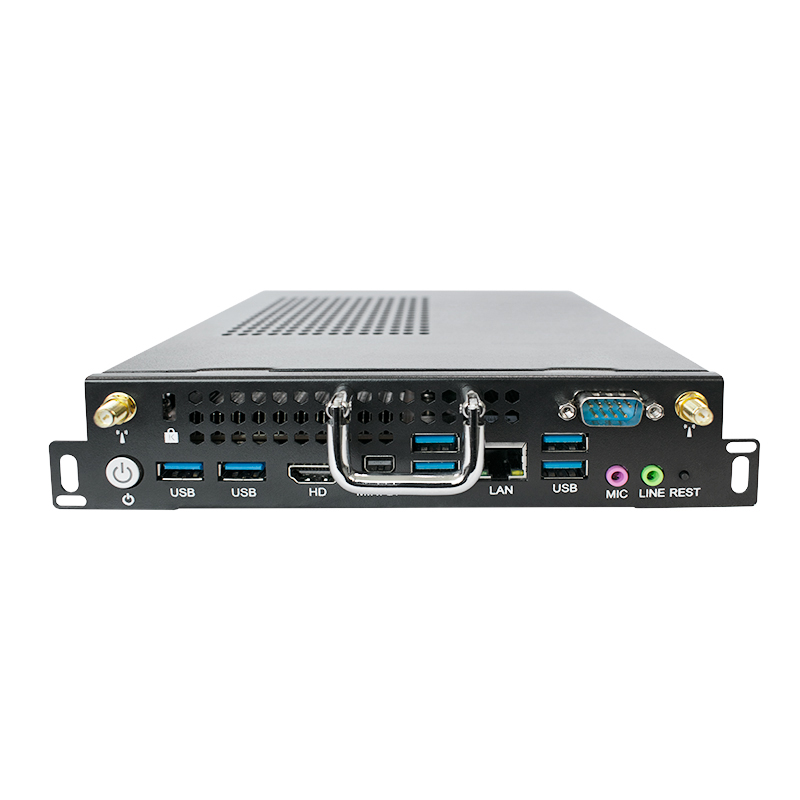
Operational excellence in display management requires a strategic approach to how systems integrate and maintain performance over time. When organizations implement comprehensive OPS frameworks, they create pathways for seamless display connectivity, streamlined maintenance workflows, and reduced operational friction. The relationship between OPS and display infrastructure directly impacts deployment speed, system reliability, and total cost of ownership across commercial and public-facing environments.
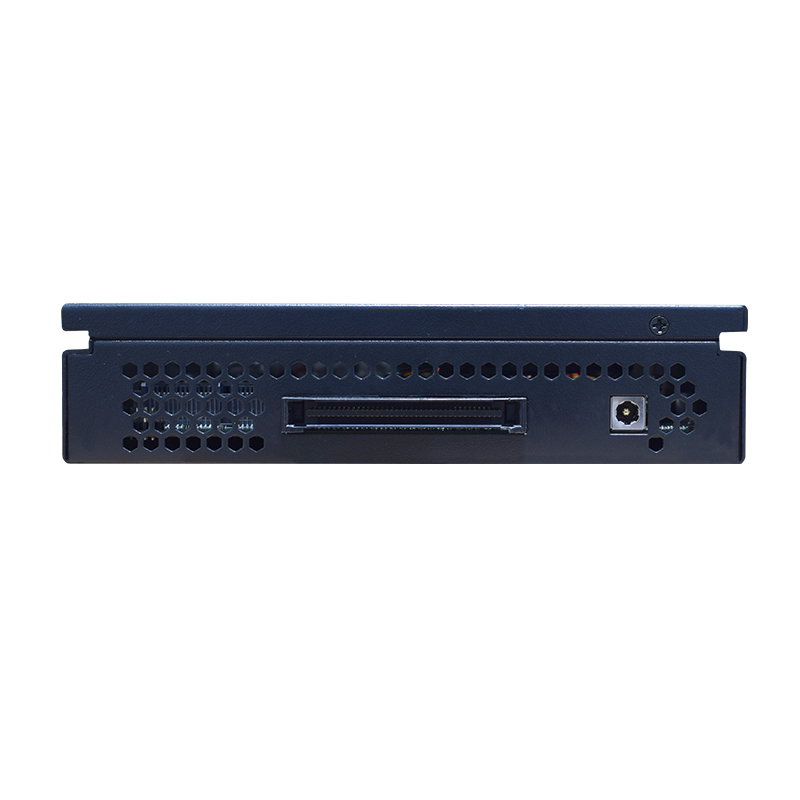
Modern display solutions demand more than hardware capability; they require operational systems that facilitate integration at every stage. OPS standards establish uniform protocols, reducing compatibility issues and enabling faster system commissioning. By aligning display technology with structured OPS methodologies, organizations can achieve faster deployment cycles, simpler maintenance procedures, and improved long-term system sustainability in retail, hospitality, corporate, and public venue settings.
Integration Benefits Through OPS-Driven Architecture
Standardized Connection Protocols
OPS simplifies the physical and logical integration of display systems by establishing standardized connection points and communication protocols. When displays are designed to support OPS architecture, technicians can connect peripheral devices, content management systems, and network infrastructure without requiring custom adapters or complex configuration steps. This standardization reduces setup time significantly, allowing organizations to deploy digital signage installations across multiple locations with consistency and predictability. OPS-compliant displays communicate with external systems using defined signal standards, ensuring compatibility across manufacturers and equipment generations.
Reduced Integration Complexity
The complexity of integrating multiple display systems, media players, sensors, and control devices decreases dramatically when OPS principles guide the system design. Rather than developing custom interfaces for each component interaction, OPS establishes pre-defined connection methods that engineers and installers already understand. This reduces the engineering time required before activation and minimizes the potential for configuration errors. Organizations benefit from faster time-to-deployment, lower installation costs, and reduced risk of system failures during the critical launch phase. When new displays need to be integrated into existing OPS-based infrastructure, the process becomes straightforward and repeatable.
Maintenance Efficiency and System Longevity
Predictive Maintenance Through OPS Monitoring
OPS-enabled displays provide built-in diagnostic capabilities that support proactive maintenance strategies rather than reactive troubleshooting. These systems continuously monitor performance metrics, temperature, power consumption, and component health status, transmitting data to centralized management platforms. Maintenance teams can identify potential failures before they disrupt operations, scheduling interventions during low-traffic periods and minimizing customer-facing downtime. OPS architecture enables remote diagnostics, allowing support personnel to assess display health without on-site visits for initial evaluation. This data-driven approach to maintenance extends display lifespan, reduces emergency repairs, and improves operational reliability.
Simplified Troubleshooting and Component Replacement
When display failures occur, OPS-standardized systems provide clear diagnostic codes and error reporting that accelerate root-cause identification. Maintenance technicians can quickly determine whether issues originate from the display hardware, connection infrastructure, content delivery systems, or external control devices. This diagnostic clarity reduces troubleshooting time and enables faster resolution. Additionally, OPS compatibility means replacement components are interchangeable across multiple display models and manufacturers, simplifying spare parts inventory management. Organizations no longer need to maintain different spare parts for each display model; a single OPS-compliant component can serve multiple display installations, reducing inventory costs and storage requirements.
Long-Term Operational Cost Reduction
Extended Equipment Lifecycle
OPS infrastructure promotes equipment longevity by enabling systematic monitoring, preventive maintenance, and graceful component upgrades. Displays designed around OPS standards can receive firmware updates and software improvements without requiring complete system replacement. When specific components age or technology evolves, OPS-compliant systems allow targeted upgrades rather than wholesale equipment replacement. This modular approach extends the useful life of display investments and reduces capital expenditure cycles. Organizations can maintain operational effectiveness while gradually modernizing specific aspects of their display infrastructure, spreading costs over extended periods rather than absorbing large one-time capital expenses.
Operational Scale and Consistency
As organizations expand their display networks across multiple locations or facilities, OPS-based systems maintain consistency and simplify management complexity. Standardized OPS protocols mean that display infrastructure in different buildings, regions, or countries operates under identical technical frameworks. This consistency enables centralized monitoring, unified content delivery, standardized maintenance procedures, and consistent troubleshooting approaches. OPS reduces the overhead required to manage geographically dispersed display networks, allowing smaller operational teams to support larger installations. The scalability that OPS enables translates directly to improved cost efficiency as organizations grow their digital signage footprint.
FAQ
What specific advantages does OPS provide compared to proprietary display integration approaches?
OPS delivers standardized connection protocols and communication standards that work across multiple manufacturers, eliminating the need for custom interfaces or proprietary adapters. This reduces integration complexity, shortens deployment timelines, and enables competitive sourcing of components and replacement parts. Proprietary approaches lock organizations into single manufacturers, limit flexibility, and typically result in higher long-term costs. OPS-based systems provide vendor independence, greater equipment interchangeability, and stronger negotiating leverage with suppliers.
How does OPS monitoring contribute to reducing unplanned downtime in display networks?
OPS-enabled systems continuously track performance metrics and component health, alerting maintenance teams to developing issues before they cause service failures. Predictive diagnostics allow technicians to schedule preventive maintenance during scheduled maintenance windows rather than responding to emergency outages during peak business hours. This proactive approach minimizes customer impact, protects revenue, and extends equipment lifespan. Early detection of thermal issues, power anomalies, or connectivity problems enables corrective action before complete system failure occurs.
Can OPS infrastructure support displays across different commercial environments and use cases?
Yes, OPS standardization enables flexible deployment across retail environments, hospitality venues, corporate facilities, transportation hubs, and public information systems. The consistent technical framework allows organizations to reuse operational procedures, training documentation, and maintenance protocols across diverse locations and display applications. OPS compatibility ensures that displays from different manufacturers can coexist within the same network, providing flexibility in equipment selection and supporting gradual infrastructure modernization without disrupting operational continuity.


