EN
EN

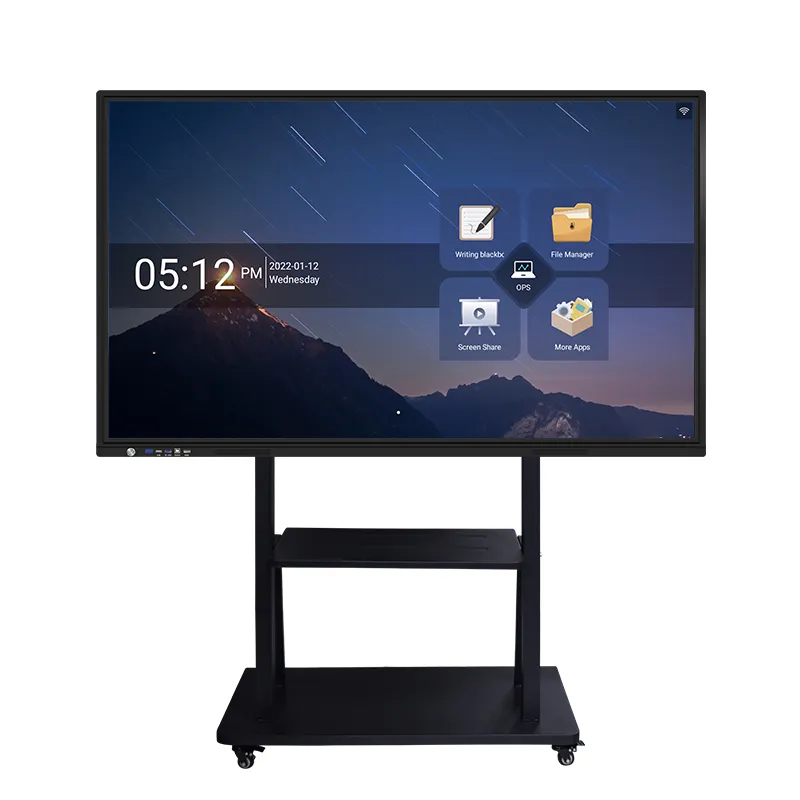
A mirror display represents one of the most innovative convergences of traditional aesthetics and cutting-edge digital technology in today's commercial and residential environments. These sophisticated devices seamlessly blend the reflective properties of conventional mirrors with advanced interactive capabilities, creating solutions that serve dual purposes without compromising visual appeal. The integration of mirror display technology has revolutionized how we interact with digital content while maintaining the elegant appearance that mirrors have provided for centuries.
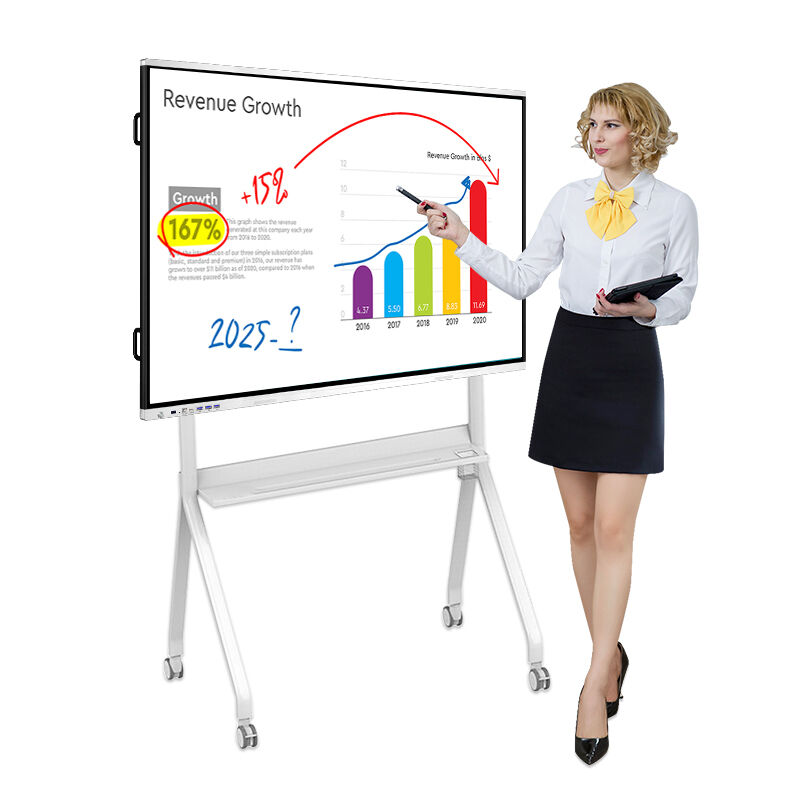
The evolution of mirror display technology has transformed multiple industries, from retail and hospitality to healthcare and smart home applications. By incorporating transparent LCD or OLED panels behind specially treated mirror glass, manufacturers have created devices that appear as standard mirrors when inactive but transform into vibrant digital displays when powered on. This dual functionality addresses the growing demand for space-efficient solutions that maximize utility without cluttering modern environments with additional screens or devices.
Core Technology Behind Mirror Display Systems
Transparent Display Integration Methods
The foundation of any effective mirror display lies in the sophisticated integration of transparent display technology with reflective surfaces. Modern mirror display systems utilize either transparent LCD panels or transparent OLED technology, each offering distinct advantages depending on the intended application. Transparent LCD systems typically employ edge-lit LED backlighting combined with specialized polarization filters that allow light to pass through selectively, creating clear images while maintaining reflective properties when the display is inactive.
Advanced mirror display implementations often incorporate quantum dot enhancement layers that improve color reproduction and brightness levels without significantly impacting transparency. The careful calibration of these optical components ensures that the mirror display maintains excellent reflectivity when dormant while delivering crisp, vibrant visuals when activated. Engineers must balance transmission ratios, reflectivity coefficients, and viewing angle characteristics to achieve optimal performance across diverse lighting conditions.
Interactive Touch Capabilities
Contemporary mirror display solutions frequently integrate capacitive touch sensors or infrared touch detection systems that enable direct user interaction without compromising the mirror's surface integrity. Projected capacitive touch technology proves particularly effective for mirror display applications, as it can detect multiple simultaneous touch points while maintaining the smooth, uninterrupted surface essential for proper reflection. The touch sensors are typically embedded between the mirror coating and the display panel, creating an invisible interface that responds accurately to user gestures.
The calibration of touch sensitivity in mirror display systems requires specialized algorithms that compensate for the additional optical layers present in these devices. Advanced mirror display units employ machine learning-based touch recognition that adapts to different user interaction patterns and environmental conditions, ensuring consistent responsiveness regardless of ambient lighting or viewing angles. This intelligent touch processing enables sophisticated gesture recognition capabilities that extend far beyond simple tap and swipe commands.
Aesthetic Design Considerations
Visual Integration Strategies
The aesthetic appeal of a mirror display depends heavily on its ability to seamlessly integrate into existing architectural and interior design schemes. Premium mirror display installations often feature custom bezels and mounting systems that complement surrounding décor while concealing necessary electronic components. Designers must consider factors such as frame thickness, edge treatments, and mounting hardware visibility to ensure the mirror display enhances rather than detracts from the overall visual environment.
Color temperature and brightness uniformity play crucial roles in maintaining the aesthetic integrity of mirror display systems. Advanced units incorporate ambient light sensors that automatically adjust display parameters to match surrounding lighting conditions, ensuring that activated content appears natural and well-integrated. The mirror display surface treatment also affects both reflective quality and display visibility, requiring careful selection of coatings that optimize both functions without creating visual artifacts or distortions.
Customization and Personalization Options
Modern mirror display technology offers extensive customization possibilities that allow designers and end-users to tailor both functional and aesthetic aspects to specific requirements. Custom sizing options enable mirror display integration into unique architectural spaces, while programmable display zones can be configured to present information in layouts that complement the intended use case. Advanced mirror display systems support dynamic content positioning that automatically adjusts based on user proximity and interaction patterns.
The software interfaces driving mirror display systems increasingly emphasize user personalization, allowing individuals to customize appearance themes, information layouts, and interaction preferences. These personalization capabilities extend to aesthetic elements such as virtual frame styles, transparency levels, and content transition effects that maintain visual harmony while providing engaging user experiences. Some premium mirror display implementations even support augmented reality overlays that enhance the reflective experience with contextual digital information.
Functional Applications Across Industries
Retail and Commercial Environments
In retail settings, mirror display technology has revolutionized customer engagement by combining traditional fitting room mirrors with interactive product information and virtual try-on capabilities. These smart mirrors can display complementary product suggestions, size availability, and pricing information while customers evaluate merchandise. The mirror display integration creates immersive shopping experiences that bridge physical and digital retail channels effectively.
Commercial applications extend beyond retail to include hospitality environments where mirror display systems serve as information kiosks, entertainment centers, and ambient lighting controllers. Hotels and restaurants utilize these devices to provide guests with local information, weather updates, and service options while maintaining the elegant appearance expected in premium hospitality settings. The versatility of mirror display technology enables seamless integration into diverse commercial spaces without requiring significant architectural modifications.
Healthcare and Wellness Applications
Healthcare facilities increasingly adopt mirror display technology for patient engagement, staff communication, and therapeutic applications. In rehabilitation settings, mirror display systems can provide real-time feedback during physical therapy sessions, displaying posture corrections, exercise instructions, and progress tracking information directly on the mirror surface. This integration supports more effective therapy outcomes while maintaining the familiar mirror environment that patients expect during treatment sessions.
Wellness centers and fitness facilities utilize mirror display technology to enhance workout experiences by overlaying form correction guidance, heart rate monitoring, and motivational content during exercise routines. The mirror display can seamlessly transition between reflective mode for traditional mirror use and interactive mode for guided workouts or biometric feedback display. This dual functionality maximizes space efficiency while providing enhanced user experiences that support fitness goals and wellness objectives.
Smart Home Integration Benefits
Home Automation Connectivity
Modern mirror display systems excel as central control hubs for comprehensive home automation networks, providing intuitive interfaces for managing lighting, climate, security, and entertainment systems. The large surface area available in bathroom and bedroom mirrors creates ideal platforms for displaying home status information, weather updates, calendar events, and news summaries without requiring dedicated wall space for separate devices. Integration with popular smart home platforms enables voice control and automated routine execution through familiar mirror interfaces.
Advanced mirror display implementations support multi-user recognition that automatically personalizes displayed content based on facial recognition or proximity sensors. Family members can access individual schedules, preferences, and notifications simply by approaching the mirror display, creating truly personalized smart home experiences. The ability to seamlessly integrate with existing home automation infrastructure makes mirror display technology an attractive upgrade path for homeowners seeking enhanced connectivity without aesthetic compromise.
Energy Efficiency and Sustainability
Contemporary mirror display designs prioritize energy efficiency through intelligent power management systems that automatically activate displays only when users are present. Advanced occupancy sensors and machine learning algorithms optimize power consumption by predicting usage patterns and pre-loading relevant content during anticipated interaction periods. LED backlighting systems and efficient display drivers further reduce energy consumption while maintaining excellent visual performance throughout the mirror display operational lifetime.
Sustainability considerations in mirror display manufacturing increasingly emphasize recyclable materials and modular component designs that facilitate repair and upgrade rather than complete replacement. Many manufacturers now offer trade-in programs for older mirror display units, ensuring responsible disposal of electronic components while encouraging adoption of newer, more efficient technologies. The longevity of mirror display systems, often exceeding ten years with proper maintenance, contributes to reduced electronic waste compared to frequently replaced standalone displays and mirrors.
Installation and Maintenance Requirements
Professional Installation Considerations
Proper mirror display installation requires careful attention to electrical requirements, mounting specifications, and environmental conditions that affect long-term performance and safety. Professional installers must evaluate wall structure integrity, power supply adequacy, and ventilation requirements to ensure optimal mirror display operation. The integration of touch sensors and interactive components adds complexity that typically necessitates specialized installation expertise to achieve proper calibration and functionality.
Electrical considerations for mirror display installation include dedicated circuit requirements, proper grounding for touch functionality, and surge protection for sensitive electronic components. Many mirror display systems require specific voltage inputs and current handling capabilities that may necessitate electrical system upgrades in older buildings. Professional installation also ensures compliance with local building codes and safety regulations that govern electrical installations in bathroom and other potentially hazardous environments.
Ongoing Maintenance and Support
Regular maintenance of mirror display systems focuses primarily on surface cleaning, software updates, and component inspection to maintain optimal performance and appearance. The mirror surface requires specialized cleaning techniques that avoid damage to both reflective coatings and touch sensors while maintaining clarity and responsiveness. Automated diagnostic systems in advanced mirror display units can detect potential issues and alert users or service technicians before problems affect functionality.
Software maintenance for mirror display systems includes regular firmware updates, security patches, and feature enhancements that extend device capabilities and ensure compatibility with evolving smart home and commercial systems. Remote monitoring capabilities enable proactive maintenance scheduling and rapid troubleshooting of connectivity or performance issues. Many manufacturers provide comprehensive service agreements that include preventive maintenance, emergency repair services, and technology upgrade pathways to protect mirror display investments over their operational lifetime.
FAQ
How long do mirror display systems typically last before requiring replacement?
Quality mirror display systems are designed to operate effectively for 10-15 years with proper maintenance, comparable to premium commercial displays. The LED backlighting components typically maintain 70% of original brightness after 50,000 hours of operation, while the mirror coating and touch sensors can last significantly longer with appropriate care. Regular software updates and component maintenance can extend operational life while maintaining current functionality and connectivity standards.
Can mirror displays function properly in high-humidity environments like bathrooms?
Modern mirror display systems are specifically engineered for bathroom and other high-humidity applications, featuring sealed electronics compartments and moisture-resistant coatings. IP65 or higher ingress protection ratings ensure safe operation in environments with occasional water exposure, while integrated ventilation systems prevent condensation buildup that could affect display clarity or touch responsiveness. Proper installation with adequate ventilation further enhances moisture resistance and longevity.
What are the power consumption requirements for typical mirror display installations?
Mirror display power consumption varies significantly based on screen size, technology type, and usage patterns, typically ranging from 50-200 watts during active operation. Standby power consumption usually remains below 5 watts when displays are inactive, while intelligent power management can reduce energy usage by automatically adjusting brightness and activating sleep modes during periods of non-use. Energy-efficient LED backlighting and optimized display drivers contribute to lower operational costs compared to separate mirror and display combinations.
How do mirror displays handle software updates and security concerns?
Professional mirror display systems incorporate secure update mechanisms that automatically download and install firmware improvements while maintaining system stability and user data protection. Encrypted communication protocols protect against unauthorized access, while isolated processing environments prevent malware from affecting core mirror display functions. Regular security patches address emerging threats, and many systems support enterprise-grade security features including user authentication, data encryption, and network access controls for commercial installations.
Table of Contents
- Core Technology Behind Mirror Display Systems
- Aesthetic Design Considerations
- Functional Applications Across Industries
- Smart Home Integration Benefits
- Installation and Maintenance Requirements
-
FAQ
- How long do mirror display systems typically last before requiring replacement?
- Can mirror displays function properly in high-humidity environments like bathrooms?
- What are the power consumption requirements for typical mirror display installations?
- How do mirror displays handle software updates and security concerns?