EN
EN

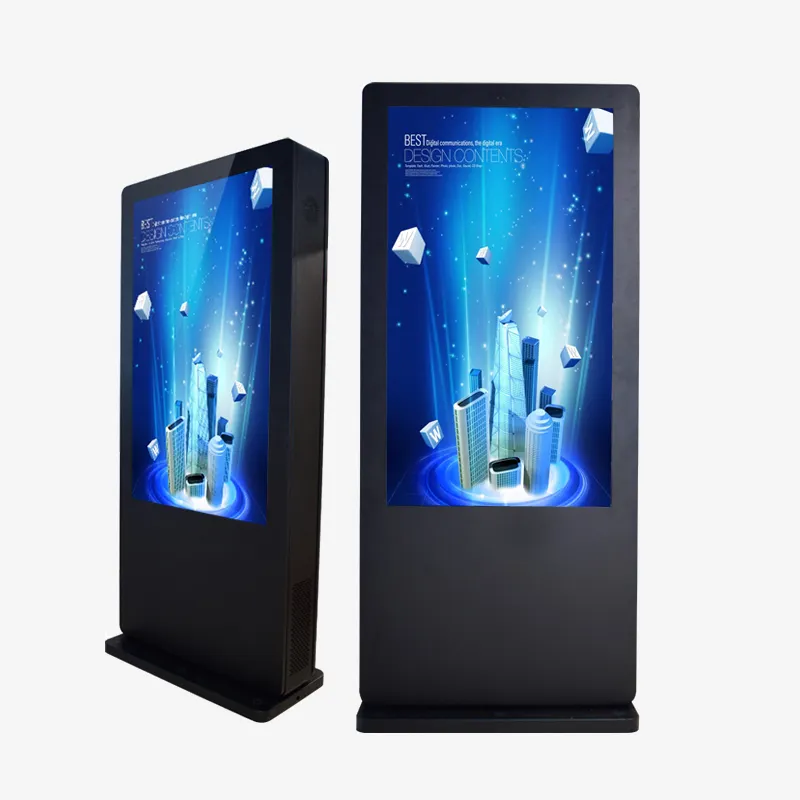
The rapid evolution of digital technology has revolutionized customer service across numerous industries, with freestanding self-service kiosks emerging as a transformative solution for businesses seeking to enhance operational efficiency and customer satisfaction. These innovative touchscreen terminals have become increasingly prevalent in various sectors, offering organizations the ability to streamline processes, reduce labor costs, and provide 24/7 accessibility to essential services. Understanding which industries can best leverage these technologies is crucial for businesses considering digital transformation initiatives.
Food Service and Restaurant Industry Applications
Quick Service Restaurant Integration
The quick service restaurant sector has embraced freestanding self-service kiosks as a cornerstone of modern dining operations. These systems enable customers to browse menus, customize orders, and complete transactions independently, significantly reducing wait times during peak hours. Major fast-food chains have reported substantial improvements in order accuracy and customer satisfaction following implementation of these digital ordering solutions.
Restaurant operators benefit from increased order values as customers tend to spend more when using interactive kiosks compared to traditional ordering methods. The visual presentation of menu items and suggested add-ons encourages upselling opportunities that might be missed during rushed verbal interactions with staff members.
Casual Dining Enhancement
Casual dining establishments utilize freestanding self-service kiosks to complement traditional table service, particularly for initial order placement and payment processing. This hybrid approach allows servers to focus on food delivery and customer relationship building while reducing the administrative burden of order taking.
The implementation of these systems in casual dining environments has proven particularly effective during high-traffic periods, enabling restaurants to maintain service quality while accommodating larger customer volumes without proportional increases in staffing requirements.
Retail and Commerce Sector Benefits
Department Store Applications
Large retail chains have successfully integrated freestanding self-service kiosks to provide product information, inventory checks, and price comparisons throughout their stores. These systems empower customers to make informed purchasing decisions without requiring constant assistance from sales associates.
The retail sector leverages these technologies for gift card purchases, loyalty program enrollment, and return processing, creating multiple touchpoints that enhance the overall shopping experience while optimizing staff deployment across different departments.
Specialty Retail Integration
Specialty retailers use freestanding self-service kiosks to showcase extensive product catalogs that may exceed physical display limitations. Electronics stores, furniture retailers, and automotive parts suppliers particularly benefit from this capability, allowing customers to explore comprehensive inventories and place special orders.
These systems also facilitate appointment scheduling for services such as product installations, consultations, and maintenance, streamlining the customer journey from initial inquiry to service completion.
Healthcare Industry Implementation
Hospital and Medical Facility Usage
Healthcare institutions have adopted freestanding self-service kiosks to modernize patient registration processes, appointment scheduling, and information updates. These systems reduce administrative workload on reception staff while providing patients with convenient access to essential services.
Medical facilities report improved data accuracy and compliance with privacy regulations through automated patient check-in procedures that minimize human error and reduce handling of sensitive information by multiple staff members.
Pharmacy and Prescription Services
Pharmacies utilize these digital solutions for prescription refill requests, insurance verification, and medication information dissemination. The freestanding self-service kiosks enable customers to manage their pharmaceutical needs efficiently while maintaining privacy and reducing wait times during busy periods.
Integration with electronic health records and insurance systems allows these kiosks to provide real-time updates on prescription status, cost estimates, and alternative medication options, enhancing the overall patient experience.
Transportation and Travel Sector Applications
Airport and Aviation Services
Airports worldwide have embraced freestanding self-service kiosks for check-in procedures, baggage tagging, and boarding pass printing. These systems significantly reduce processing times and enable airlines to handle increased passenger volumes without proportional staffing increases.
The aviation industry benefits from multilingual capabilities and accessibility features that ensure compliance with international travel requirements while accommodating diverse passenger demographics across global markets.
Ground Transportation Integration
Public transportation systems utilize these technologies for ticket purchasing, route planning, and schedule information. Bus stations, train terminals, and subway systems have reported improved passenger flow and reduced congestion at traditional ticket counters.
Freestanding self-service kiosks in transportation hubs often include real-time updates on delays, platform changes, and alternative routing options, providing passengers with comprehensive travel information in a single interface.
Financial Services and Banking Solutions
Bank Branch Modernization
Financial institutions have integrated freestanding self-service kiosks to provide basic banking services outside traditional ATM capabilities. These systems enable account opening procedures, loan applications, and financial product information access during extended hours.
Banks report increased customer engagement with financial products and services through interactive presentations and educational content delivered via these digital platforms, leading to improved customer financial literacy and product adoption rates.
Credit Union and Community Banking
Smaller financial institutions leverage these technologies to compete with larger banks by offering comparable digital services without significant infrastructure investments. Community banks use freestanding self-service kiosks to extend their service hours and reach underserved markets.
The personalization capabilities of modern systems allow these institutions to maintain their community-focused approach while providing contemporary banking conveniences that meet evolving customer expectations.
Government and Public Service Applications
Municipal Services Enhancement
Government agencies utilize freestanding self-service kiosks for permit applications, tax payments, and information dissemination. These systems improve citizen access to government services while reducing administrative costs and processing times for routine transactions.
Public libraries, parks departments, and licensing offices have successfully implemented these solutions to provide 24/7 access to essential services, particularly benefiting working citizens who cannot visit during traditional business hours.
Motor Vehicle Department Integration
Motor vehicle departments across many jurisdictions have adopted these technologies for registration renewals, address changes, and duplicate document requests. The systems reduce wait times and improve service delivery efficiency while maintaining accuracy in record keeping.
Freestanding self-service kiosks in government applications often include document scanning and printing capabilities, enabling complete transaction processing without human intervention for routine services.
Entertainment and Hospitality Sector Usage
Hotel and Lodging Applications
Hotels have integrated freestanding self-service kiosks for check-in and check-out processes, room service ordering, and concierge information access. These systems enable properties to maintain service quality during peak periods while reducing front desk congestion.
The hospitality industry benefits from multilingual support and integration with property management systems, allowing seamless coordination between digital touchpoints and traditional service delivery methods.
Entertainment Venue Implementation
Movie theaters, amusement parks, and concert venues utilize these systems for ticket sales, concession ordering, and wayfinding assistance. Entertainment facilities report improved customer flow and reduced operational costs through automated transaction processing.
Integration with loyalty programs and promotional campaigns through freestanding self-service kiosks enables targeted marketing and personalized offers that enhance customer engagement and increase revenue per visitor.
FAQ
What are the primary benefits of implementing freestanding self-service kiosks in business operations
Freestanding self-service kiosks provide numerous operational advantages including reduced labor costs, improved service consistency, extended operating hours, and enhanced customer satisfaction through reduced wait times. These systems also generate valuable data analytics that help businesses optimize operations and understand customer preferences better.
How do freestanding self-service kiosks improve customer experience across different industries
These digital solutions enhance customer experience by providing immediate access to information and services without requiring staff assistance. Customers appreciate the ability to complete transactions at their own pace, access services outside traditional business hours, and receive consistent service quality regardless of staffing levels or peak periods.
What factors should businesses consider when selecting freestanding self-service kiosks for their industry
Key considerations include touchscreen responsiveness and durability, software compatibility with existing systems, security features for payment processing, accessibility compliance, maintenance requirements, and customization capabilities to match brand identity and specific operational needs.
How do freestanding self-service kiosks integrate with existing business management systems
Modern systems offer extensive integration capabilities through APIs and standard protocols, enabling seamless connection with point-of-sale systems, inventory management, customer relationship management platforms, and analytics tools. This integration ensures data consistency and enables comprehensive business intelligence reporting across all customer touchpoints.
Table of Contents
- Food Service and Restaurant Industry Applications
- Retail and Commerce Sector Benefits
- Healthcare Industry Implementation
- Transportation and Travel Sector Applications
- Financial Services and Banking Solutions
- Government and Public Service Applications
- Entertainment and Hospitality Sector Usage
-
FAQ
- What are the primary benefits of implementing freestanding self-service kiosks in business operations
- How do freestanding self-service kiosks improve customer experience across different industries
- What factors should businesses consider when selecting freestanding self-service kiosks for their industry
- How do freestanding self-service kiosks integrate with existing business management systems