EN
EN

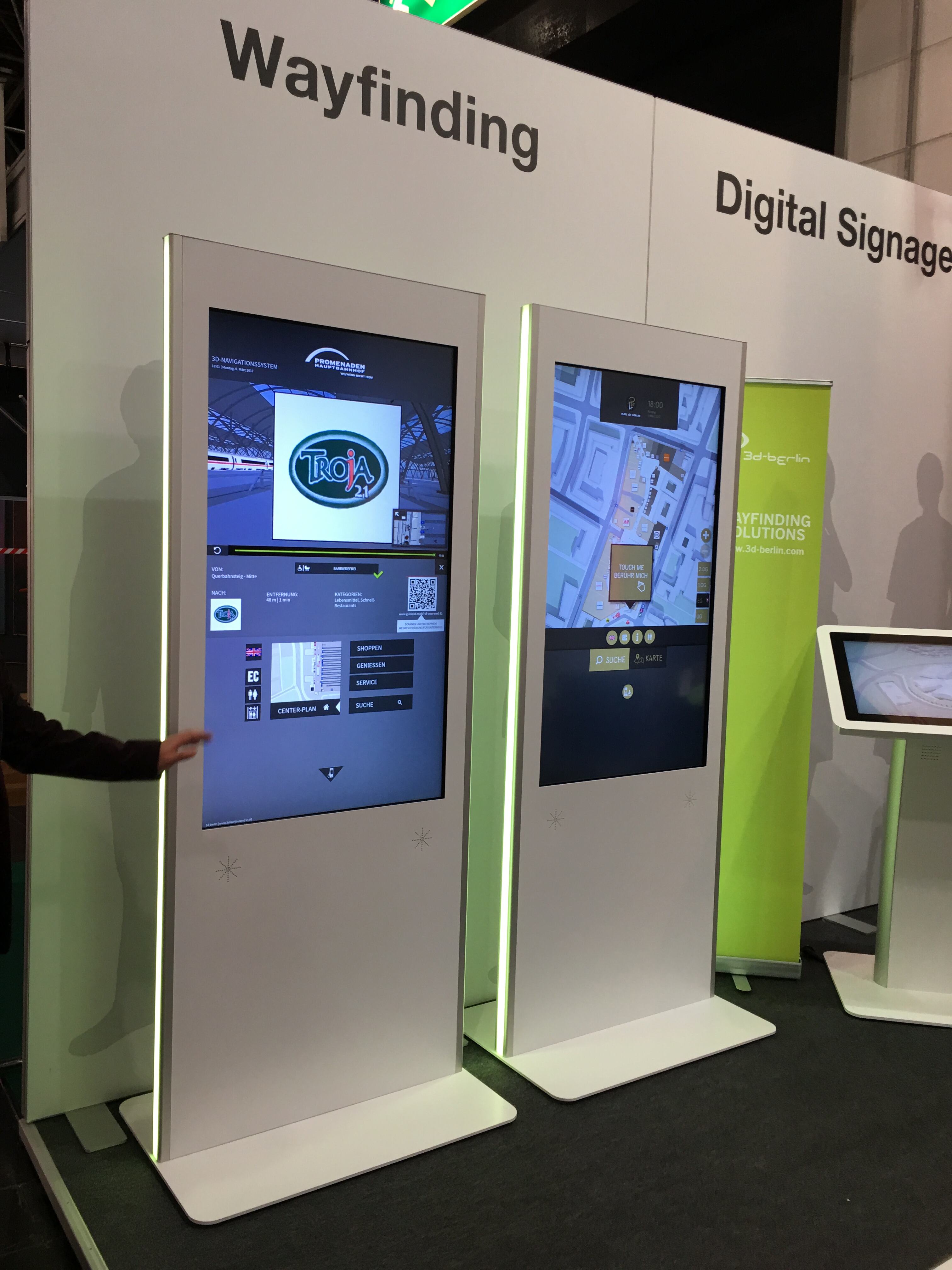
Modern businesses face increasing competition for consumer attention, making the choice of an effective advertising display crucial for marketing success. Digital advertising displays have revolutionized how companies communicate with their target audiences, offering dynamic content capabilities and real-time engagement opportunities. Understanding which features contribute to advertising display effectiveness can significantly impact return on investment and brand visibility. The most successful advertising display implementations combine advanced technology with strategic placement and compelling content design. These displays serve as powerful marketing tools that can adapt to different environments and audience preferences while maintaining consistent brand messaging.
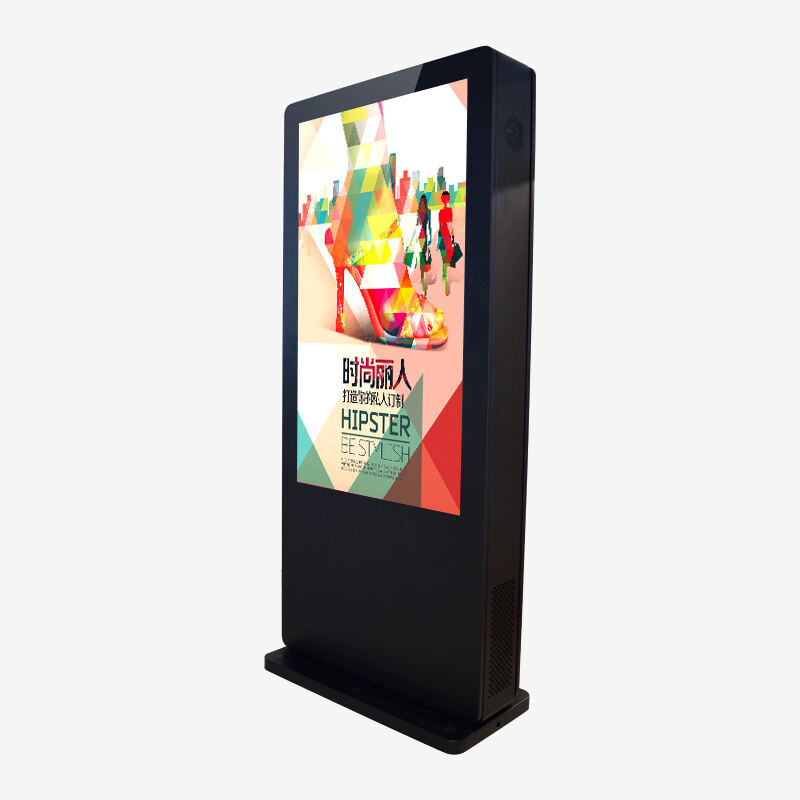
Display Quality and Visual Performance
Resolution and Clarity Standards
High-resolution capabilities form the foundation of any effective advertising display system. Modern displays require minimum 4K resolution to ensure crisp text readability and vivid image reproduction across various viewing distances. The pixel density directly affects how professional and engaging the advertising display appears to potential customers. Superior resolution becomes particularly important when displaying detailed product information or fine text elements that viewers need to read quickly. Display manufacturers now offer ultra-high-definition options that provide exceptional clarity even in challenging lighting conditions.
Color accuracy and consistency represent equally critical factors in advertising display performance. Professional-grade displays utilize advanced color calibration technologies to maintain accurate color reproduction throughout extended operating periods. This consistency ensures that brand colors remain faithful to company guidelines regardless of ambient lighting changes. The advertising display must deliver consistent visual quality to maintain brand integrity and professional appearance across different installation environments.
Brightness and Contrast Optimization
Optimal brightness levels enable advertising display visibility in diverse lighting conditions, from bright retail environments to dimly lit restaurant spaces. Automatic brightness adjustment features help maintain optimal viewing comfort while reducing eye strain for nearby customers and staff. The advertising display should provide sufficient brightness to compete with ambient lighting without appearing harsh or overwhelming to viewers. Advanced displays offer brightness sensors that automatically adjust intensity based on surrounding light conditions throughout the day.
Contrast ratios significantly impact the perceived quality and readability of displayed content. High contrast ratios ensure that text remains legible against various background colors and patterns. The advertising display must maintain excellent contrast performance to ensure that important information stands out clearly against decorative or branded background elements. Superior contrast capabilities become essential when displaying content with subtle color variations or gradient effects that require precise reproduction.
Content Management and Flexibility
Real-Time Content Updates
Dynamic content management capabilities allow businesses to update their advertising display remotely and instantly. Cloud-based content management systems enable multiple location updates simultaneously, ensuring consistent messaging across entire retail chains or franchise networks. The ability to schedule content changes automatically helps businesses maintain relevant messaging without requiring constant manual intervention. Real-time updates become particularly valuable for businesses that need to respond quickly to market changes, promotional opportunities, or inventory updates.
Integration with existing business systems streamlines content management workflows and reduces operational overhead. The advertising display should connect seamlessly with inventory management systems, point-of-sale platforms, and customer relationship management databases. This integration enables automatic content updates based on real-time business data, such as product availability or customer preferences. Sophisticated integration capabilities transform the advertising display into an intelligent marketing tool that responds dynamically to business conditions.
Multi-Format Content Support
Versatile content format support enables businesses to utilize diverse media types within their advertising display strategy. Modern displays must handle high-definition video content, animated graphics, static images, and interactive elements seamlessly. The advertising display should support popular file formats without requiring extensive content conversion processes that complicate workflow management. Broad format compatibility ensures that businesses can leverage existing marketing materials while exploring new creative possibilities.
Template-based content creation tools simplify the process of producing professional-quality advertising display content. User-friendly design interfaces allow non-technical staff members to create and modify display content without requiring specialized graphic design skills. The advertising display system should include pre-designed templates that maintain brand consistency while enabling customization for specific campaigns or seasonal promotions. Streamlined content creation capabilities reduce dependence on external design resources and enable faster campaign deployment.
Durability and Environmental Resistance
Weather Protection Features
Outdoor advertising display installations require comprehensive weather protection to ensure reliable operation in challenging environmental conditions. Waterproof enclosures with appropriate IP ratings protect internal components from rain, snow, and humidity exposure. The advertising display must withstand temperature extremes while maintaining consistent performance throughout seasonal weather variations. Advanced thermal management systems prevent overheating during summer months while ensuring proper operation during winter conditions.
Corrosion-resistant materials and protective coatings extend the operational lifespan of outdoor advertising display installations. Marine-grade aluminum housings and stainless steel mounting hardware resist rust and deterioration in coastal environments or areas with high humidity levels. The advertising display enclosure should incorporate drainage systems that prevent water accumulation while maintaining proper ventilation for internal components. Quality construction materials ensure that the display maintains professional appearance and functionality throughout extended outdoor exposure.
Impact and Vandalism Resistance
Tempered glass screens and reinforced mounting systems protect advertising display hardware from accidental damage and intentional vandalism. Anti-reflective coatings reduce glare while providing additional surface protection against scratches and impacts. The advertising display should incorporate security features that deter theft and unauthorized access to internal components. Robust construction methods ensure that the display continues operating effectively even after minor impacts or attempted tampering.
Concealed wiring and secure component access panels prevent unauthorized modifications while facilitating legitimate maintenance activities. The advertising display installation should minimize visible connection points that could attract vandalism or create safety hazards. Professional installation techniques ensure that all components remain securely mounted and properly protected throughout the display's operational lifespan. Regular maintenance protocols help identify potential security vulnerabilities before they compromise system integrity.
Interactive Capabilities and User Engagement
Touch Screen Functionality
Interactive touch capabilities transform a standard advertising display into an engaging customer experience platform. Multi-touch sensors enable intuitive navigation through product catalogs, service menus, or informational content. The advertising display should respond quickly to touch inputs while providing clear visual feedback to confirm user interactions. Responsive touch technology enhances customer engagement by allowing personalized content exploration and interactive product demonstrations.
Hygiene considerations have become increasingly important for public-facing advertising display installations. Antimicrobial screen coatings and easy-cleaning surfaces help maintain sanitary conditions while preserving touch sensitivity. The advertising display should incorporate design features that facilitate regular cleaning without damaging sensitive components. Self-cleaning technologies and UV sanitization capabilities provide additional protection for high-traffic interactive installations.
Sensor Integration and Smart Features
Motion sensors and proximity detection enable advertising display systems to activate automatically when customers approach. This feature conserves energy while ensuring that content appears immediately when needed for maximum impact. The advertising display can utilize sensor data to trigger specific content sequences or adjust brightness levels based on viewer proximity. Smart activation features create more engaging experiences while reducing operational costs through intelligent power management.
Data collection capabilities enable businesses to analyze customer interaction patterns and optimize advertising display content accordingly. Anonymous analytics provide insights into peak viewing times, popular content sections, and user engagement duration. The advertising display system should comply with privacy regulations while providing valuable business intelligence for marketing optimization. Advanced analytics help businesses understand customer preferences and refine their digital marketing strategies for improved effectiveness.
Energy Efficiency and Operating Costs
Power Consumption Management
LED backlighting technology significantly reduces power consumption compared to traditional display technologies while maintaining superior brightness and color quality. Energy-efficient advertising display systems minimize operational costs while supporting corporate sustainability initiatives. The display should incorporate automatic power management features that adjust consumption based on content requirements and ambient conditions. Efficient power utilization extends component lifespan while reducing environmental impact throughout the display's operational period.
Scheduled operation capabilities enable advertising display systems to power down during non-business hours automatically. Programmable timers and occupancy sensors ensure optimal energy usage while maintaining security and monitoring functions. The advertising display should provide detailed power consumption reporting to help businesses track energy costs and identify optimization opportunities. Smart power management features contribute to overall operational efficiency while supporting environmental responsibility goals.
Maintenance and Longevity Considerations
Modular component design facilitates cost-effective repairs and upgrades without requiring complete advertising display replacement. Standardized connection interfaces and replaceable modules reduce maintenance complexity while extending system lifespan. The advertising display should incorporate self-diagnostic features that identify potential issues before they cause system failures. Proactive maintenance alerts help prevent costly downtime while ensuring consistent performance.
Remote monitoring capabilities enable technical support teams to diagnose and resolve advertising display issues without requiring on-site visits. Cloud-based monitoring systems track performance metrics and alert operators to potential problems automatically. The advertising display should provide comprehensive diagnostic information that facilitates rapid troubleshooting and repair processes. Remote support capabilities reduce maintenance costs while minimizing system downtime for improved operational reliability.
FAQ
What resolution should I choose for my advertising display?
For most commercial applications, 4K resolution provides optimal clarity and professional appearance. The viewing distance and content type determine specific resolution requirements, with closer viewing distances benefiting from higher pixel densities. Consider future content needs and ensure your advertising display can handle evolving resolution standards to maximize investment value.
How important is weather resistance for outdoor installations?
Weather resistance is critical for outdoor advertising display longevity and performance. IP65 or higher ratings ensure protection against rain, dust, and temperature extremes. Proper weather protection prevents costly repairs and maintains consistent operation throughout seasonal changes, making it essential for any outdoor installation.
Can I update content remotely on my advertising display?
Modern advertising display systems support remote content management through cloud-based platforms. This capability enables instant updates across multiple locations while reducing operational overhead. Remote management features include scheduling, real-time monitoring, and automated content distribution for streamlined campaign management.
What maintenance is required for advertising display systems?
Regular cleaning, software updates, and component inspections ensure optimal advertising display performance. Most systems require minimal maintenance with proper installation and environmental protection. Preventive maintenance schedules help identify potential issues early while extending system lifespan and maintaining consistent operation quality.