EN
EN

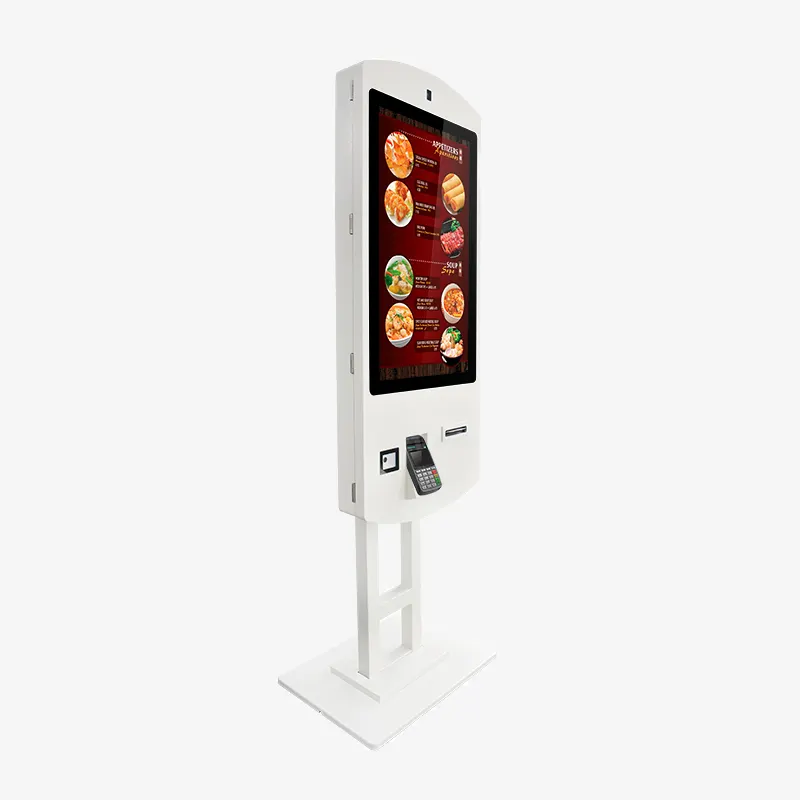
Modern retail environments demand innovative solutions that capture customer attention while maximizing space efficiency. The bar display has emerged as a revolutionary technology that transforms traditional retail shelving into dynamic advertising platforms. This sleek, elongated digital solution offers retailers unprecedented opportunities to showcase products, promotions, and brand messaging in high-traffic areas. Unlike conventional static signage, bar displays provide real-time content updates, interactive capabilities, and enhanced visual appeal that drives customer engagement and purchasing decisions.
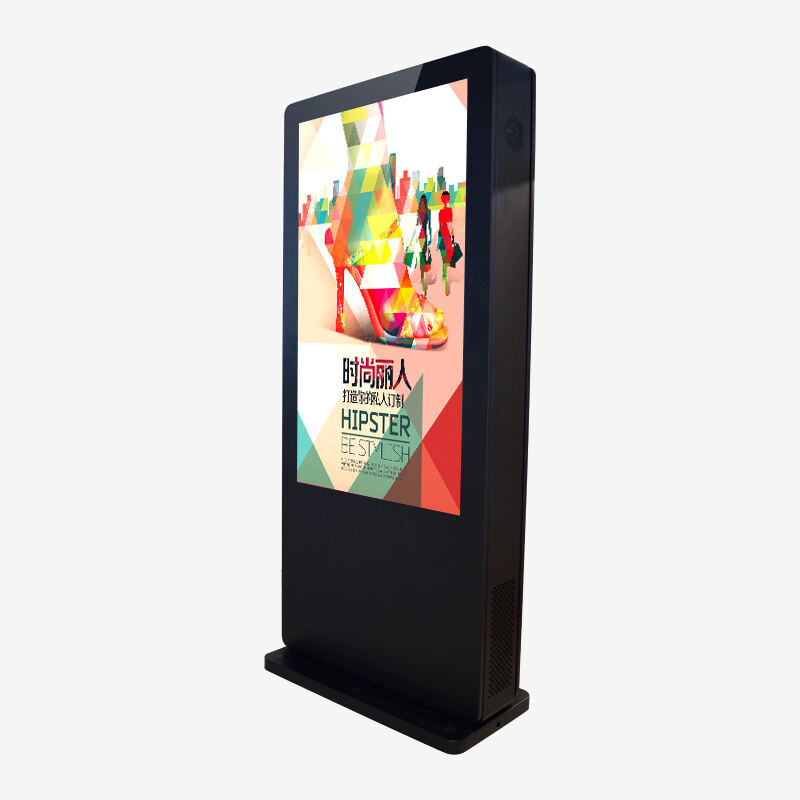
The integration of bar displays into retail environments represents a significant shift toward smart merchandising strategies. These ultra-wide format screens seamlessly blend with existing shelving systems while delivering targeted advertising content at the point of sale. Retailers across various industries have discovered that implementing bar display technology increases product visibility by up to 40% compared to traditional shelf tags and static promotional materials. The strategic placement of these displays at eye level ensures maximum exposure to browsing customers, creating multiple touchpoints throughout the shopping journey.
Advanced Features of Modern Bar Display Technology
High-Resolution Visual Performance
Contemporary bar display systems incorporate cutting-edge LED and LCD technology that delivers exceptional image quality even in challenging retail lighting conditions. The high brightness levels, typically ranging from 1500 to 3000 nits, ensure content visibility under bright fluorescent or LED store lighting. This superior visual performance makes bar displays ideal for showcasing product details, nutritional information, and promotional graphics with crystal-clear clarity. Advanced color reproduction capabilities allow retailers to maintain brand consistency across all digital touchpoints while creating visually striking presentations that stop customers in their tracks.
The aspect ratio optimization of bar displays perfectly complements horizontal shelf layouts, creating natural viewing angles for customers moving through aisles. These displays support various resolution standards, including 4K and ultra-wide formats, enabling detailed product imagery and smooth video content playback. The anti-glare coatings and wide viewing angles ensure consistent visibility from multiple perspectives, accommodating different customer heights and shopping patterns throughout the retail space.
Intelligent Content Management Systems
Modern bar displays integrate sophisticated content management platforms that enable remote scheduling, real-time updates, and automated playlist rotation. These systems allow retailers to customize content based on time of day, seasonal promotions, inventory levels, and customer demographics. The cloud-based infrastructure supports multi-location management, making it possible for chain retailers to coordinate campaigns across dozens or hundreds of stores simultaneously. Advanced analytics capabilities provide insights into customer interaction patterns, dwell times, and content effectiveness metrics.
The integration capabilities extend to existing retail management systems, including point-of-sale terminals, inventory databases, and customer relationship management platforms. This connectivity enables dynamic pricing displays, stock level indicators, and personalized promotional content based on purchase history or loyalty program data. The automated content switching features ensure that bar displays always showcase relevant, up-to-date information without requiring manual intervention from store staff.
Strategic Implementation for Maximum ROI
Optimal Placement Strategies
Strategic placement of bar displays requires careful consideration of customer traffic patterns, product categories, and sight lines throughout the retail environment. The most effective installations position these displays at decision-making zones, such as end caps, checkout areas, and high-margin product sections. Research indicates that bar displays placed at eye level within arm's reach of products generate the highest interaction rates and conversion improvements. The horizontal format naturally guides customer attention along shelf lines, encouraging extended browsing and cross-selling opportunities.
Successful retailers often implement a tiered approach, using larger bar displays for primary product categories and smaller units for complementary items or impulse purchases. The scalable nature of these systems allows for phased rollouts, beginning with high-traffic areas and expanding based on performance metrics and return on investment data. Proper spacing between displays prevents visual clutter while maintaining consistent brand messaging throughout the shopping environment.
Content Strategy Development
Effective bar display content strategies focus on creating engaging, informative presentations that add value to the shopping experience rather than simply pushing sales messages. Successful content often includes product demonstrations, usage instructions, customer testimonials, and educational materials that help customers make informed purchasing decisions. The horizontal format lends itself well to timeline presentations, comparison charts, and sequential storytelling that guides customers through product benefits and features.
Dynamic content scheduling allows retailers to adjust messaging based on shopping patterns, with promotional content during peak hours and informational content during quieter periods. The ability to synchronize bar displays with seasonal campaigns, limited-time offers, and inventory management ensures that customers always see relevant, actionable information. A/B testing capabilities enable continuous optimization of content performance, helping retailers identify the most effective messaging strategies for different product categories and customer segments.
Technical Specifications and Installation Considerations
Hardware Requirements and Durability
Professional-grade bar display systems require robust construction to withstand continuous operation in demanding retail environments. Commercial displays typically feature industrial-grade components, enhanced cooling systems, and protective glass surfaces that resist scratches and impact damage. The operating temperature ranges accommodate various store environments, from refrigerated sections to areas with high heat generation from lighting systems. Power consumption optimization ensures minimal impact on operational costs while maintaining consistent performance throughout extended operating hours.
Connectivity options include standard HDMI, DisplayPort, and network connections, with many units featuring built-in media players and wireless capabilities for simplified installation and maintenance. The modular design allows for easy replacement of individual components without requiring complete system replacement, reducing long-term maintenance costs and minimizing downtime during service procedures. Mounting systems accommodate various shelf configurations and store fixtures, providing flexibility for different retail layouts and future reconfigurations.
Installation and Maintenance Protocols
Professional installation of bar displays involves careful planning of cable management, power distribution, and network connectivity to minimize visual impact while ensuring reliable operation. The slim profile design allows for integration with existing shelf systems without major structural modifications, though proper support structures are essential for larger displays. Installation teams must consider accessibility for maintenance, content updates, and potential repairs when determining final positioning and mounting methods.
Preventive maintenance schedules include regular cleaning protocols, software updates, and hardware diagnostics to ensure optimal performance and longevity. Many bar display systems feature remote monitoring capabilities that alert maintenance teams to potential issues before they impact customer-facing operations. The standardized components and modular construction simplify repair procedures and parts inventory management for retailers with multiple locations or extensive display networks.
Industry Applications and Success Stories
Grocery and Convenience Retail
Grocery retailers have found particular success implementing bar displays in produce sections, where dynamic content showcases seasonal availability, nutritional information, and recipe suggestions. The ability to update pricing information instantly helps manage volatile commodity markets while providing customers with transparent, accurate cost information. Convenience stores utilize these displays for promoting limited-time offers, new product launches, and cross-promotional campaigns that increase average transaction values and customer satisfaction scores.
Case studies from major grocery chains demonstrate average sales increases of 15-25% for products featured on strategically placed bar displays. The technology proves particularly effective for promoting private label products, seasonal items, and high-margin categories where traditional shelf signage fails to capture adequate customer attention. Interactive features enable customers to access additional product information, compare options, and even place orders for home delivery or curbside pickup services.
Fashion and Electronics Retail
Fashion retailers leverage bar displays to showcase styling suggestions, fabric care instructions, and size availability information that enhances the shopping experience while reducing staff workload. The high-resolution capabilities enable detailed texture and color representation that helps customers make confident purchasing decisions. Electronics retailers use these displays for technical specifications, comparison charts, and demonstration videos that educate customers about complex product features and benefits.
The interactive capabilities of advanced bar displays allow customers to browse extended product catalogs, check inventory across multiple locations, and access user reviews and ratings. This self-service approach appeals to modern consumers who prefer researching products independently before making purchasing decisions. Retailers report significant reductions in product return rates when comprehensive information is readily available through bar display systems at the point of sale.
FAQ
What are the key benefits of installing bar displays in retail environments
Bar displays offer numerous advantages including increased product visibility, dynamic content capabilities, real-time pricing updates, and enhanced customer engagement. They provide flexible advertising space that can be updated instantly without printing costs or manual labor. Studies show that properly implemented bar displays can increase sales by 15-40% for featured products while reducing operational costs associated with traditional signage management and maintenance.
How do bar displays integrate with existing retail management systems
Modern bar displays feature robust connectivity options that enable seamless integration with point-of-sale systems, inventory management databases, and customer relationship platforms. This integration allows for automatic pricing updates, inventory level displays, and personalized promotional content based on customer data. The cloud-based management systems support multi-location coordination and provide comprehensive analytics for performance tracking and optimization.
What maintenance requirements should retailers expect with bar display installations
Bar displays require minimal maintenance compared to traditional signage systems. Regular cleaning, software updates, and periodic hardware diagnostics ensure optimal performance. Most commercial-grade units are designed for 24/7 operation with expected lifespans of 50,000+ hours. Remote monitoring capabilities alert management to potential issues before they impact operations, and modular construction simplifies repair procedures when maintenance is required.
How can retailers measure the return on investment from bar display implementations
ROI measurement involves tracking sales performance for products featured on bar displays, monitoring customer engagement metrics, and calculating operational savings from reduced signage production and labor costs. Advanced analytics platforms provide detailed reports on content performance, customer interaction patterns, and conversion rates. Most retailers see positive ROI within 12-18 months through increased sales, reduced operational costs, and improved customer satisfaction scores.
Table of Contents
- Advanced Features of Modern Bar Display Technology
- Strategic Implementation for Maximum ROI
- Technical Specifications and Installation Considerations
- Industry Applications and Success Stories
-
FAQ
- What are the key benefits of installing bar displays in retail environments
- How do bar displays integrate with existing retail management systems
- What maintenance requirements should retailers expect with bar display installations
- How can retailers measure the return on investment from bar display implementations