EN
EN

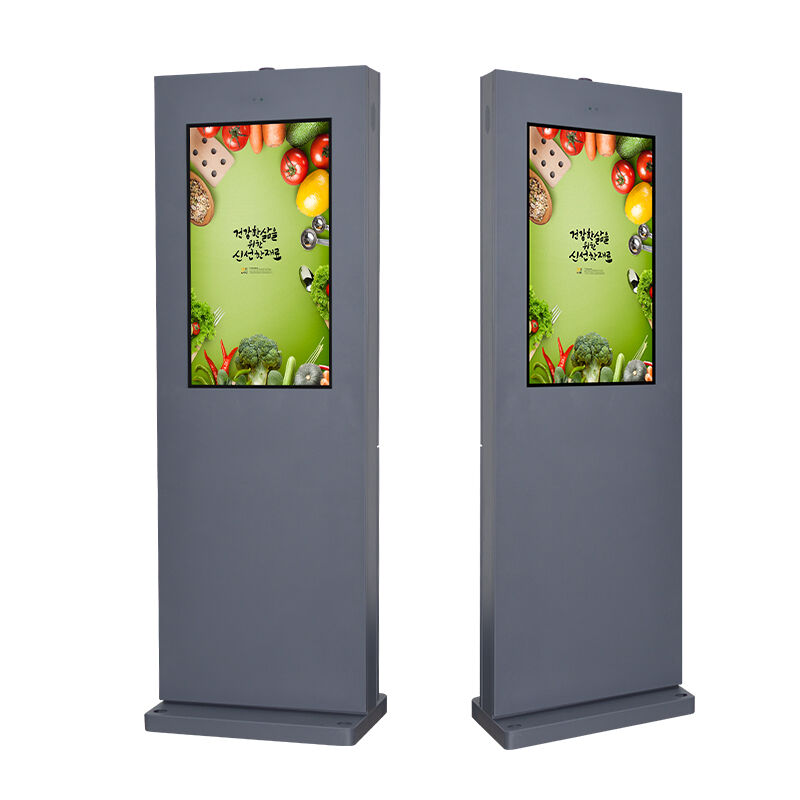
Modern restaurants are transforming their service models by integrating advanced technology solutions that streamline operations while improving customer satisfaction. The implementation of a self ordering kiosk represents a significant shift toward automated service delivery, enabling customers to place orders independently without traditional staff interaction. This technological advancement addresses common pain points in food service establishments, including long wait times, order accuracy issues, and peak hour bottlenecks that can negatively impact the overall dining experience.
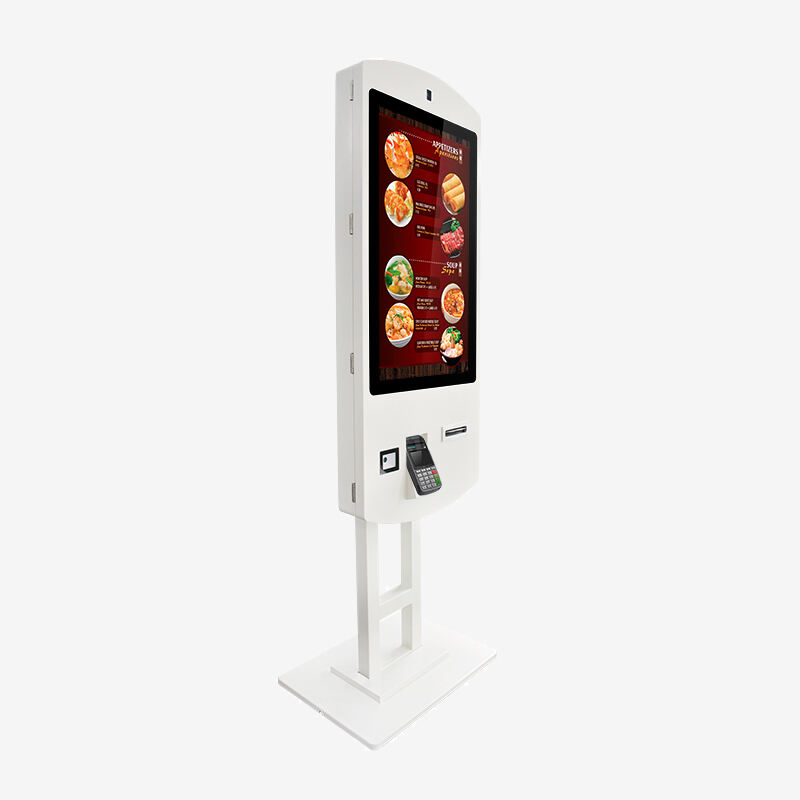
Restaurant owners and operators consistently seek innovative methods to enhance operational efficiency while maintaining high customer service standards. A self ordering kiosk system provides an interactive platform where customers can browse menus, customize orders, and complete transactions autonomously. These digital solutions have proven particularly effective in quick-service restaurants, casual dining establishments, and food courts where speed and accuracy are paramount to customer satisfaction and business success.
Streamlined Ordering Process and Reduced Wait Times
Elimination of Queue Management Issues
Traditional counter service often creates bottlenecks during peak dining hours, leading to frustrated customers and lost revenue opportunities. A self ordering kiosk eliminates these congestion points by allowing multiple customers to place orders simultaneously without requiring additional staff members. This parallel processing capability significantly reduces overall wait times and creates a more pleasant dining atmosphere for all patrons.
The technology enables restaurants to handle higher customer volumes during busy periods without compromising service quality. Each self ordering kiosk can process orders continuously, unlike human cashiers who may need breaks or experience varying service speeds. This consistent availability ensures that customers can access ordering services whenever they arrive, reducing the likelihood of walk-aways due to excessive wait times.
Enhanced Order Processing Speed
Digital ordering interfaces are designed for intuitive navigation, allowing customers to complete their transactions more efficiently than traditional verbal ordering methods. The self ordering kiosk presents menu options clearly with high-resolution images and detailed descriptions, enabling faster decision-making processes. Customers can take their time reviewing options without feeling pressured by staff or other waiting customers, leading to more satisfying ordering experiences.
Integration with kitchen display systems ensures that orders placed through the self ordering kiosk are immediately transmitted to food preparation areas. This seamless communication eliminates potential delays associated with manual order transcription and reduces the likelihood of miscommunication between front-of-house and back-of-house staff members. The result is faster overall service delivery from order placement to food completion.
Improved Order Accuracy and Customization Options
Reduction of Human Error
One of the most significant advantages of implementing a self ordering kiosk system is the dramatic reduction in order errors that commonly occur during verbal communication. Customers input their specific requirements directly into the system, eliminating the potential for misheard or incorrectly transcribed orders. This direct input method ensures that dietary restrictions, ingredient modifications, and special requests are accurately captured and communicated to kitchen staff.
The digital interface provides clear confirmation screens that allow customers to review their complete orders before finalizing payment. This verification step gives patrons the opportunity to make corrections or additions, further reducing the likelihood of receiving incorrect items. When orders are processed correctly the first time, both customer satisfaction and operational efficiency improve significantly.
Extensive Customization Capabilities
Modern self ordering kiosk systems offer comprehensive customization menus that surpass what many staff members can effectively communicate during busy periods. Customers can easily modify ingredients, adjust portion sizes, select cooking preferences, and add special instructions through intuitive touchscreen interfaces. These detailed customization options cater to diverse dietary needs and personal preferences that are increasingly important to today's consumers.
The technology also enables restaurants to showcase premium add-ons and upsell opportunities more effectively than traditional ordering methods. Interactive displays can highlight popular modifications, seasonal ingredients, or promotional items that customers might not otherwise consider. This enhanced presentation often leads to increased average transaction values while providing customers with more personalized dining experiences.
Enhanced Customer Control and Privacy
Autonomous Ordering Experience
Many customers prefer the independence and control that comes with using a self ordering kiosk rather than interacting with staff members during the ordering process. This preference is particularly pronounced among younger demographics who have grown up with digital interfaces and often feel more comfortable navigating technology than engaging in face-to-face transactions. The autonomous ordering experience reduces social anxiety for some customers and allows for more thoughtful decision-making without time pressure.
Self-service ordering also accommodates customers who may have language barriers or communication difficulties that could complicate traditional ordering processes. The visual nature of kiosk interfaces, combined with multilingual support capabilities, creates more inclusive dining environments that welcome diverse customer populations. This accessibility improvement can significantly expand a restaurant's potential customer base and improve community relations.
Privacy During Payment Processing
Financial transactions conducted through self ordering kiosk systems offer enhanced privacy protection compared to traditional payment methods. Customers can enter payment information, apply discounts or loyalty rewards, and complete purchases without sharing sensitive financial details with staff members. This privacy consideration is increasingly important as consumers become more aware of identity theft and financial security concerns.
The integrated payment processing capabilities of modern kiosk systems support various payment methods including credit cards, mobile payments, and digital wallets. This flexibility ensures that customers can use their preferred payment options while maintaining transaction security through encrypted processing systems. The convenience of multiple payment options combined with privacy protection creates positive customer experiences that encourage repeat visits.
Operational Efficiency and Cost Management
Labor Resource Optimization
Implementation of self ordering kiosk technology enables restaurants to optimize their labor allocation by reducing the number of staff members required for order-taking duties. This redistribution allows existing employees to focus on food preparation, customer service, and other value-added activities that directly impact dining experience quality. The labor cost savings can be substantial, particularly for high-volume establishments that traditionally require multiple cashiers during peak periods.
Staff members can dedicate more attention to ensuring food quality, maintaining cleanliness standards, and providing personalized assistance to customers who need additional support. This enhanced focus on core operational activities often results in improved overall service quality that complements the efficiency gains provided by the self ordering kiosk system. The technology serves as a force multiplier that enhances rather than replaces human capabilities.
Data Collection and Analytics Capabilities
Digital ordering platforms generate valuable customer behavior data that can inform strategic business decisions and operational improvements. Self ordering kiosk systems automatically track popular menu items, peak usage times, average transaction values, and customer preferences that would be difficult to capture through traditional ordering methods. This comprehensive data collection enables restaurant operators to make informed decisions about menu optimization, staffing schedules, and promotional strategies.
Advanced analytics capabilities can identify trends in customer ordering patterns, seasonal preferences, and demographic-specific behaviors that support targeted marketing efforts. The insights gained from self ordering kiosk usage data help restaurants adapt their offerings to better meet customer demands while identifying opportunities for revenue growth and operational efficiency improvements. This data-driven approach to restaurant management represents a significant competitive advantage in today's market.
Technology Integration and Future-Proofing
Seamless System Integration
Modern self ordering kiosk solutions are designed to integrate seamlessly with existing restaurant management systems, including point-of-sale platforms, inventory management software, and customer relationship management tools. This integration capability ensures that implementing kiosk technology does not disrupt established operational workflows or require complete system overhauls. The unified data flow between systems enables more comprehensive business intelligence and streamlined operations management.
Cloud-based connectivity allows self ordering kiosk systems to receive real-time updates for menu changes, pricing adjustments, and promotional campaigns without requiring on-site technical support. This remote management capability reduces maintenance costs while ensuring that customer-facing information remains current and accurate. The flexibility to make instant updates supports dynamic pricing strategies and seasonal menu modifications that can improve profitability.
Scalability and Adaptability
Self ordering kiosk technology offers significant scalability advantages for growing restaurant chains or establishments planning expansion. Standardized digital interfaces ensure consistent customer experiences across multiple locations while allowing for localized customization based on regional preferences or regulatory requirements. This scalability supports brand consistency while accommodating local market variations.
The modular nature of modern kiosk systems enables restaurants to add functionality over time as business needs evolve. Future enhancements might include artificial intelligence-powered recommendations, voice ordering capabilities, or augmented reality menu displays that further enhance customer engagement. This adaptability ensures that initial technology investments continue providing value as consumer expectations and industry standards evolve.
FAQ
What maintenance requirements do self ordering kiosks have
Self ordering kiosk systems require regular cleaning of touchscreen surfaces, periodic software updates, and occasional hardware maintenance such as receipt paper replacement and card reader servicing. Most modern systems include remote monitoring capabilities that alert operators to potential issues before they impact customer service. Routine maintenance typically involves daily cleaning protocols and weekly system checks to ensure optimal performance.
How do customers who are not comfortable with technology use these systems
Restaurants typically maintain hybrid service models where staff members remain available to assist technology-hesitant customers or provide alternative ordering methods. Many self ordering kiosk interfaces include accessibility features such as larger text options, audio assistance, and simplified navigation modes. Staff training programs often include protocols for helping customers who need additional support while using the technology.
Can self ordering kiosks handle complex dietary restrictions and allergies
Advanced self ordering kiosk systems include comprehensive allergen information, ingredient listings, and customization options that allow customers to specify dietary restrictions clearly. The digital format enables more detailed allergen warnings and ingredient transparency than traditional menu formats. However, restaurants typically recommend that customers with severe allergies also communicate directly with staff members to ensure proper food preparation protocols are followed.
What security measures protect customer payment information
Self ordering kiosk systems employ multiple security layers including encrypted payment processing, PCI DSS compliance, secure network connections, and fraud detection algorithms. Customer payment data is processed through certified payment gateways that meet industry security standards. Regular security updates and penetration testing help maintain protection against emerging threats while ensuring customer financial information remains secure throughout the transaction process.