EN
EN

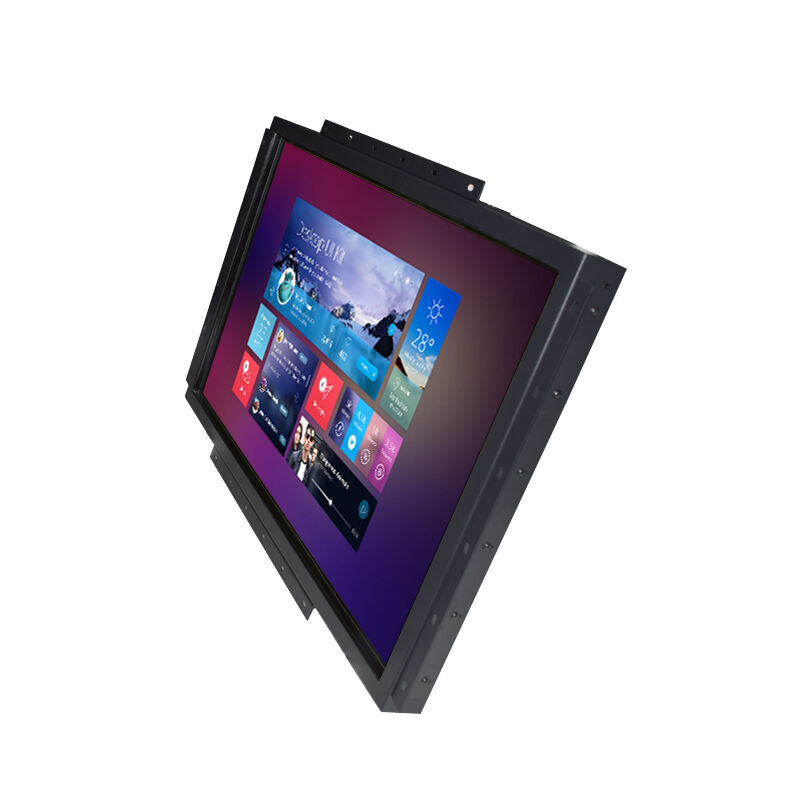
The retail landscape is experiencing a fundamental transformation as businesses increasingly adopt digital solutions to enhance customer experience and operational efficiency. Self ordering kiosks have emerged as a pivotal technology, revolutionizing how customers interact with retail establishments while simultaneously addressing the growing demand for contactless, efficient service delivery. These innovative touchscreen systems are reshaping traditional transaction models across various industries, from quick-service restaurants to retail stores, offering unprecedented convenience and control to both customers and business owners.
Modern consumers increasingly expect seamless, technology-driven experiences that prioritize speed, accuracy, and personalization. Self ordering kiosks perfectly align with these expectations by providing intuitive interfaces that allow customers to browse products, customize orders, and complete transactions independently. This shift toward self-service technology reflects broader consumer preferences for digital interactions, particularly among younger demographics who have grown up with touchscreen devices and expect similar functionality in retail environments.
The implementation of self ordering kiosks represents more than just a technological upgrade; it signifies a strategic response to evolving market demands, labor challenges, and the need for operational scalability. As businesses face increasing pressure to reduce costs while improving service quality, these automated systems offer a compelling solution that addresses multiple operational challenges simultaneously while enhancing the overall customer journey.
Revolutionary Impact on Customer Experience
Enhanced Service Speed and Efficiency
Self ordering kiosks dramatically reduce wait times by eliminating traditional bottlenecks associated with manual order-taking processes. Customers can navigate through product options at their own pace, reviewing detailed descriptions, nutritional information, and customization options without feeling rushed by staff or other waiting customers. This autonomy in the ordering process leads to more thoughtful purchasing decisions and increased customer satisfaction.
The streamlined ordering process enabled by these systems allows businesses to serve more customers during peak hours without proportionally increasing staff requirements. Advanced self ordering kiosks can handle multiple transactions simultaneously, processing orders with remarkable speed and accuracy that often exceeds human capabilities. This efficiency translates directly into improved customer throughput and enhanced revenue potential for businesses.
Furthermore, the consistent performance of self ordering kiosks ensures that service quality remains uniform regardless of time of day or staff availability. Unlike human employees who may experience fatigue or varying performance levels, these systems maintain consistent response times and accuracy, providing reliable service that customers can depend on during every visit.
Personalization and Customer Control
Modern self ordering kiosks offer unprecedented levels of personalization by leveraging customer data and preferences to create tailored shopping experiences. These systems can remember previous orders, suggest complementary items, and adapt interfaces based on individual customer behavior patterns. This level of customization was previously difficult to achieve consistently through traditional service models.
Customers appreciate the complete control they have over their ordering experience when using these systems. They can take time to explore menu options, modify orders multiple times without embarrassment, and ensure that specific dietary requirements or preferences are accurately captured. This level of control is particularly valuable for customers with complex orders or specific needs.
The visual nature of self ordering kiosks also enhances the ordering experience by displaying high-quality images of products, detailed ingredient lists, and clear pricing information. This transparency helps customers make informed decisions and reduces the likelihood of order dissatisfaction, ultimately leading to improved customer loyalty and repeat business.
Operational Excellence Through Technology
Labor Cost Optimization
The implementation of self ordering kiosks provides businesses with significant opportunities to optimize labor costs while maintaining or improving service quality. These systems can handle routine ordering tasks that traditionally required staff interaction, allowing human employees to focus on more complex customer service activities, food preparation, and operational management tasks that add greater value to the business.
By reducing dependence on front-line staff for order-taking, businesses can better manage labor costs during varying demand periods. Self ordering kiosks operate continuously without breaks, sick leave, or scheduling constraints, providing consistent service availability that helps businesses maintain operational efficiency even during staffing challenges.
The long-term cost savings associated with kiosk implementation often outweigh initial investment costs, particularly as technology prices continue to decrease while labor costs rise. These systems typically pay for themselves within 12-18 months through reduced labor expenses and increased sales efficiency, making them an attractive investment for businesses seeking sustainable cost management solutions.
Data Analytics and Business Intelligence
Self ordering kiosks generate valuable data streams that provide businesses with unprecedented insights into customer behavior, preferences, and purchasing patterns. This data includes detailed information about popular products, peak ordering times, average transaction values, and customer journey analytics that can inform strategic business decisions.
The analytical capabilities of modern self ordering kiosks enable businesses to optimize inventory management by providing real-time insights into product demand patterns. This information helps reduce waste, ensure popular items remain in stock, and identify opportunities for menu engineering or promotional strategies that can increase profitability.
Advanced reporting features allow managers to track performance metrics, identify trends, and make data-driven decisions about staffing, product offerings, and operational improvements. This level of business intelligence was previously difficult and expensive to obtain through traditional point-of-sale systems or manual tracking methods.
Industry-Specific Applications and Benefits
Quick Service Restaurant Integration
Quick service restaurants have emerged as early adopters of self ordering kiosks due to the technology's natural alignment with fast-paced dining environments. These systems excel in high-volume scenarios where speed and accuracy are paramount, allowing restaurants to serve more customers during peak periods while maintaining order precision.
The integration of self ordering kiosks in restaurant environments has proven particularly effective for complex menu items that require customization. Customers can visualize their selections, modify ingredients, and see real-time price adjustments, leading to higher average transaction values and improved order accuracy compared to traditional ordering methods.
Restaurant chains implementing these systems report significant improvements in customer satisfaction scores, reduced order errors, and increased operational efficiency. The technology also supports upselling opportunities through strategic product placement and suggestion algorithms that encourage customers to add complementary items to their orders.
Retail and Merchandise Applications
Beyond food service applications, self ordering kiosks are finding increasing adoption in retail environments where they serve as interactive product catalogs, inventory lookup systems, and transaction processing terminals. These applications are particularly valuable in stores with extensive product ranges or specialized items that benefit from detailed product information display.
Retail implementations of self ordering kiosks often include features such as product availability checking, store location mapping, and integration with loyalty programs. These capabilities enhance the shopping experience by providing customers with comprehensive information and tools to make purchasing decisions efficiently.
The flexibility of modern self ordering kiosks allows retailers to adapt the systems for various purposes, from simple product ordering to complex configuration tools for customizable products. This versatility makes them valuable investments that can evolve with changing business needs and customer expectations.
Technical Considerations and Implementation
Hardware and Software Requirements
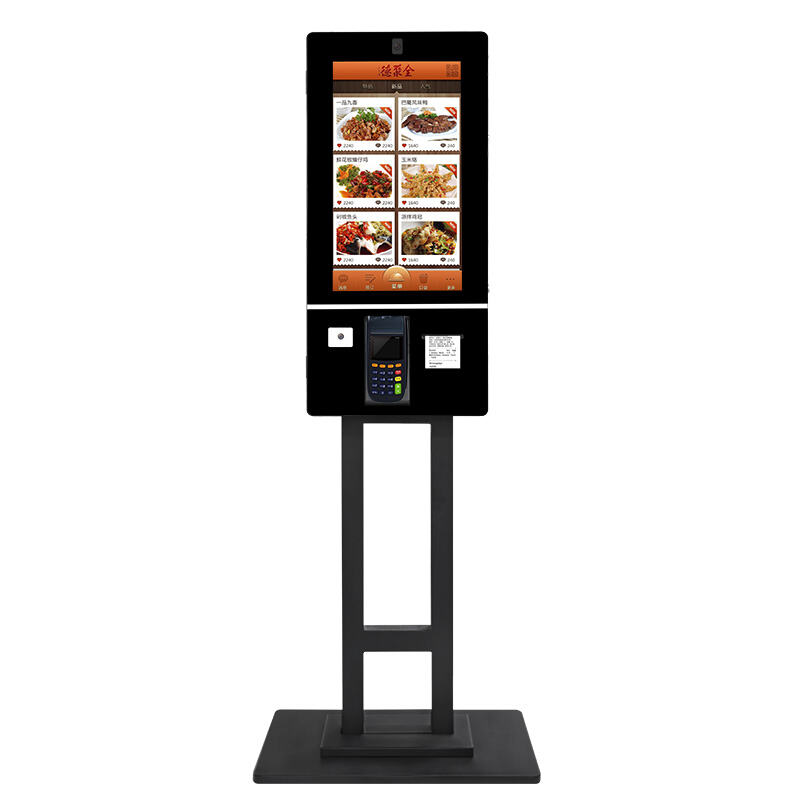
Successful implementation of self ordering kiosks requires careful consideration of hardware specifications, software capabilities, and integration requirements. Modern systems typically feature high-resolution touchscreens, robust processing power, and reliable connectivity options that ensure consistent performance in demanding retail environments.
The durability and reliability of kiosk hardware are crucial factors, particularly for high-traffic locations where systems must withstand continuous use. Commercial-grade components, vandal-resistant designs, and environmental protection features help ensure long-term operational reliability and minimize maintenance requirements.
Software considerations include user interface design, payment processing integration, inventory management connectivity, and real-time synchronization capabilities. The most effective self ordering kiosks seamlessly integrate with existing business systems, providing unified data management and operational oversight across all customer touchpoints.
Security and Compliance Features
Security considerations are paramount when implementing self ordering kiosks, particularly regarding payment processing and customer data protection. Modern systems incorporate advanced encryption technologies, secure payment gateways, and compliance with industry standards such as PCI DSS to protect sensitive customer information.
The implementation of robust security measures extends beyond payment processing to include user authentication, data transmission protection, and physical security features that prevent unauthorized access to system functions. These comprehensive security frameworks help businesses maintain customer trust while meeting regulatory compliance requirements.
Regular security updates and monitoring capabilities ensure that self ordering kiosks remain protected against emerging threats and vulnerabilities. Businesses must partner with technology providers who demonstrate ongoing commitment to security maintenance and system updates to protect their investments and customer data.
Future Trends and Technological Evolution
Artificial Intelligence Integration
The future of self ordering kiosks lies in advanced artificial intelligence integration that will enable more sophisticated personalization, predictive ordering suggestions, and adaptive user interfaces. Machine learning algorithms will analyze customer behavior patterns to optimize menu displays, product recommendations, and promotional offers in real-time.
Natural language processing capabilities will allow future self ordering kiosks to understand voice commands and engage in conversational interactions with customers. This evolution will make the systems more accessible to diverse user groups while maintaining the efficiency benefits that make them attractive to businesses.
Predictive analytics powered by artificial intelligence will help businesses anticipate demand patterns, optimize inventory levels, and proactively adjust pricing strategies based on real-time market conditions and customer preferences. These capabilities will transform self ordering kiosks from simple ordering terminals into sophisticated business intelligence tools.
Integration with Mobile and Cloud Technologies
Future developments in self ordering kiosks will emphasize seamless integration with mobile applications, cloud-based management systems, and omnichannel customer experiences. Customers will be able to start orders on mobile devices and complete them at kiosks, or vice versa, creating flexible and convenient ordering options.
Cloud-based management platforms will enable centralized control and monitoring of multiple kiosk locations, providing businesses with comprehensive oversight capabilities and simplified system administration. This approach will reduce operational complexity while improving system reliability and performance monitoring.
The integration of Internet of Things technologies will enable self ordering kiosks to communicate with other business systems, including kitchen equipment, inventory management systems, and customer relationship management platforms. This interconnectivity will create more efficient operational workflows and improved customer experiences across all touchpoints.
FAQ
How do self ordering kiosks improve customer satisfaction
Self ordering kiosks improve customer satisfaction by reducing wait times, providing complete control over the ordering process, and ensuring order accuracy through visual confirmation. Customers appreciate the ability to browse options at their own pace, customize orders precisely, and avoid potential miscommunication issues that can occur with traditional ordering methods. The consistent availability and performance of these systems also ensures reliable service regardless of peak hours or staffing levels.
What is the typical return on investment for self ordering kiosks
Most businesses see a return on investment for self ordering kiosks within 12-18 months through reduced labor costs, increased order accuracy, and higher average transaction values. The systems typically pay for themselves through operational efficiencies, including faster service times that enable serving more customers during peak periods. Additional benefits such as reduced training costs, decreased order errors, and valuable customer data collection contribute to long-term financial returns that extend well beyond the initial payback period.
Can self ordering kiosks integrate with existing business systems
Modern self ordering kiosks are designed with integration capabilities that allow them to connect seamlessly with existing point-of-sale systems, inventory management platforms, and customer relationship management tools. These systems typically support standard integration protocols and APIs that facilitate data synchronization and unified reporting across all business operations. Professional installation services usually include system integration planning and testing to ensure smooth operation with existing technology infrastructure.
What maintenance requirements do self ordering kiosks have
Self ordering kiosks require minimal routine maintenance, primarily consisting of regular screen cleaning, software updates, and periodic hardware inspections. Most modern systems include remote monitoring capabilities that alert support teams to potential issues before they impact customer service. Professional maintenance contracts typically cover software updates, hardware repairs, and technical support, ensuring consistent system performance with minimal disruption to business operations. The robust design of commercial-grade kiosks minimizes maintenance requirements compared to traditional computer systems.