EN
EN

In today's competitive business landscape, organizations are constantly seeking innovative ways to enhance customer interaction and streamline service delivery. A touch screen kiosk represents a revolutionary solution that transforms traditional customer service approaches by providing interactive, self-service capabilities that empower users while reducing operational costs. These sophisticated digital interfaces have become essential tools across various industries, from retail and hospitality to healthcare and government services, fundamentally changing how businesses connect with their customers. The integration of advanced touch screen kiosk technology enables organizations to deliver consistent, accessible, and efficient service experiences that meet modern consumer expectations for instant, personalized interactions.
Enhanced Customer Experience Through Interactive Technology
Intuitive User Interface Design
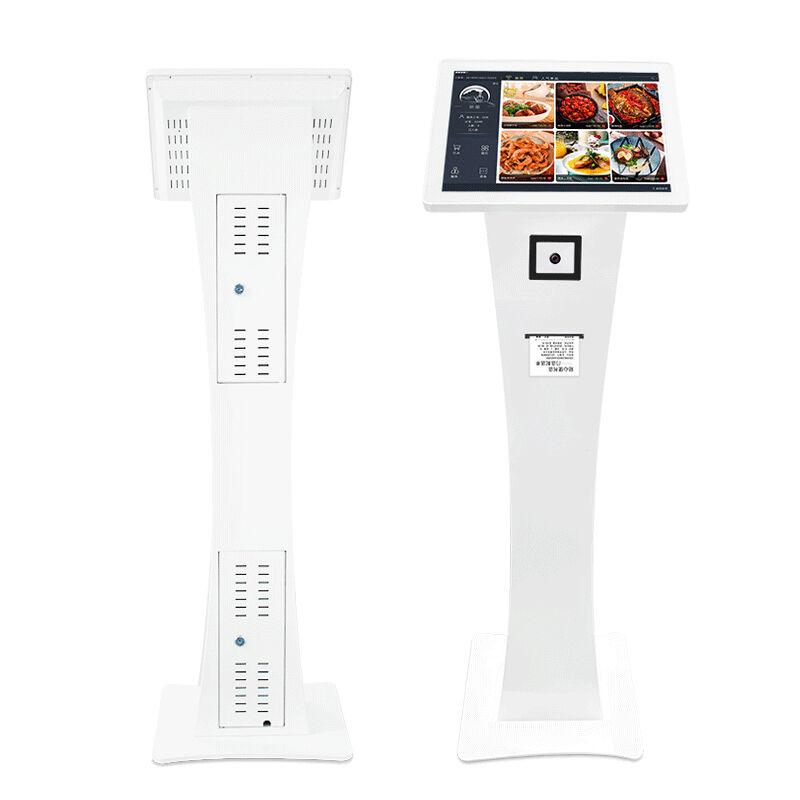
Modern touch screen kiosk systems feature sophisticated user interfaces that prioritize ease of use and accessibility for customers of all technical skill levels. The intuitive design elements incorporate large, clearly labeled buttons, logical navigation flows, and visual cues that guide users through complex processes without confusion. Advanced kiosk interfaces utilize responsive touch technology that provides immediate feedback, ensuring users feel confident in their interactions and reducing the likelihood of abandoned transactions or incomplete service requests.
The visual appeal of contemporary kiosk interfaces plays a crucial role in customer engagement, featuring high-resolution displays that showcase vibrant graphics, product images, and promotional content. These systems often incorporate customizable themes and branding elements that align with corporate identity, creating a cohesive experience that reinforces brand recognition and professional image. The seamless integration of multimedia content, including videos and interactive demonstrations, enhances the overall user experience by providing comprehensive information in an engaging format.
Accessibility and Multilingual Support
A well-designed touch screen kiosk incorporates comprehensive accessibility features that ensure compliance with disability guidelines and accommodate users with various physical limitations. These features include adjustable screen heights, voice guidance systems, high-contrast display options, and compatibility with assistive technologies. The implementation of accessibility standards not only expands the customer base but also demonstrates organizational commitment to inclusive service delivery.
Multilingual support capabilities enable businesses to serve diverse customer populations by offering interface options in multiple languages with culturally appropriate content and navigation patterns. This functionality is particularly valuable in international airports, tourist destinations, and multicultural urban environments where language barriers might otherwise impede service delivery. The ability to switch between languages instantly ensures that all customers can access services efficiently, regardless of their primary language or cultural background.
Operational Efficiency and Cost Reduction
Reduced Staff Workload and Labor Costs
Implementation of touch screen kiosk technology significantly reduces the burden on human staff by automating routine transactions and information requests that previously required direct employee intervention. This automation allows organizations to redirect human resources toward more complex, value-added activities that require personal attention and specialized expertise. The reduction in repetitive tasks improves employee satisfaction while maintaining high-quality customer service standards through technological solutions.
The cost-effectiveness of kiosk deployment becomes apparent when considering long-term operational expenses compared to traditional staffing models. While initial investment in hardware and software development requires significant capital, the ongoing operational costs remain relatively low, with minimal maintenance requirements and no salary, benefits, or training expenses associated with human employees. This economic advantage becomes more pronounced in high-volume service environments where traditional staffing would require multiple employees to handle peak demand periods.
24/7 Service Availability
Touch screen kiosk systems provide continuous service availability that extends far beyond traditional business hours, enabling customers to access information and complete transactions at their convenience. This round-the-clock accessibility is particularly valuable for essential services such as ticket purchasing, information retrieval, and basic transaction processing. The elimination of time constraints improves customer satisfaction by accommodating diverse schedules and urgent service needs that may arise outside normal operating hours.
The reliability of modern kiosk hardware and software ensures consistent performance with minimal downtime, supported by remote monitoring capabilities that enable proactive maintenance and rapid issue resolution. Cloud-based management systems allow administrators to update content, monitor performance metrics, and troubleshoot problems remotely, ensuring optimal system availability and performance. This technological infrastructure provides business continuity that exceeds what is possible with human-staffed service points, which are subject to scheduling limitations, sick leave, and other operational constraints.
Data Collection and Analytics Integration
Customer Behavior Tracking and Analysis
Advanced touch screen kiosk systems incorporate sophisticated analytics capabilities that capture detailed information about customer interactions, preferences, and behavior patterns. This data collection provides valuable insights into user engagement levels, popular service options, peak usage times, and common navigation paths through the interface. The analysis of this information enables organizations to optimize service delivery, improve interface design, and identify opportunities for enhanced customer satisfaction.
The integration of heat mapping technology and interaction tracking allows businesses to understand which screen elements attract the most attention and which features may be underutilized or causing confusion. This granular level of analysis supports data-driven decision making for interface improvements, content optimization, and strategic service enhancements. The ability to track user sessions from start to completion provides insights into transaction success rates and identifies potential friction points that may require attention.
Performance Metrics and ROI Measurement
Comprehensive reporting capabilities built into touch screen kiosk management systems enable organizations to measure return on investment through detailed performance metrics and usage statistics. These metrics include transaction volumes, completion rates, average session duration, and customer satisfaction scores collected through integrated feedback mechanisms. The availability of real-time and historical data supports strategic planning and helps justify continued investment in self-service technologies.
The correlation between kiosk deployment and key business indicators such as reduced wait times, increased transaction throughput, and improved customer satisfaction scores provides quantifiable evidence of technology impact. Organizations can track cost savings from reduced staffing requirements, increased revenue from extended service hours, and enhanced customer loyalty resulting from improved service experiences. This comprehensive measurement framework supports continuous improvement initiatives and demonstrates the tangible business value of touch screen kiosk investments.
Industry-Specific Applications and Benefits
Retail and E-commerce Integration
In retail environments, touch screen kiosk technology bridges the gap between online and offline shopping experiences by providing customers with access to extended product catalogs, inventory information, and personalized recommendations. These systems enable retailers to offer comprehensive product information, comparison tools, and ordering capabilities that may not be immediately available through traditional in-store displays. The integration with e-commerce platforms allows customers to place orders for out-of-stock items, access online-exclusive products, and arrange for convenient delivery or pickup options.
The implementation of touch screen kiosk solutions in retail settings enhances the customer journey by providing wayfinding assistance, promotional information, and loyalty program integration. Customers can locate specific products within large stores, access detailed specifications and reviews, and receive targeted offers based on their shopping history and preferences. This level of personalization and convenience improves customer satisfaction while supporting increased sales and customer retention rates for retail businesses.
Healthcare and Service Industry Applications
Healthcare facilities utilize touch screen kiosk technology to streamline patient check-in processes, reduce administrative burden on staff, and improve overall patient experience. These systems enable patients to update personal information, verify insurance details, complete pre-visit questionnaires, and receive appointment confirmations without requiring direct staff intervention. The automation of routine administrative tasks allows healthcare providers to focus on patient care while maintaining accurate records and efficient workflow management.
Service industries including hospitality, transportation, and government agencies leverage touch screen kiosk capabilities to provide information services, process routine transactions, and manage customer queues effectively. Hotels use kiosks for express check-in and check-out services, local information access, and concierge assistance. Transportation hubs deploy these systems for ticket purchasing, schedule information, and wayfinding support. Government offices implement kiosk solutions for form submission, payment processing, and information distribution, reducing wait times and improving service efficiency.
Technology Integration and Future Capabilities
Advanced Hardware and Software Features
Modern touch screen kiosk systems incorporate cutting-edge hardware components including high-resolution displays, multi-touch capabilities, and robust processing power that supports complex applications and multimedia content. The integration of additional peripherals such as printers, scanners, card readers, and biometric devices expands functionality and enables comprehensive transaction processing capabilities. These hardware enhancements ensure that kiosk systems can handle diverse service requirements while maintaining responsive performance and reliability.
Software innovations in kiosk technology include artificial intelligence integration, voice recognition capabilities, and adaptive user interfaces that personalize the experience based on individual user behavior and preferences. Cloud-based management systems provide centralized control over multiple kiosk deployments, enabling real-time updates, remote monitoring, and coordinated maintenance activities. The incorporation of security features including encrypted data transmission, secure payment processing, and user authentication ensures that sensitive information remains protected throughout all interactions.
Integration with Emerging Technologies
The future evolution of touch screen kiosk technology includes integration with Internet of Things (IoT) devices, augmented reality interfaces, and machine learning algorithms that continuously improve system performance and user experience. These technological advances enable predictive maintenance, proactive customer service, and intelligent content delivery that adapts to changing user needs and preferences. The connectivity with smart building systems and mobile applications creates seamless omnichannel experiences that extend beyond the physical kiosk interface.
Emerging capabilities in kiosk technology include facial recognition for personalized service delivery, gesture-based navigation for touchless interaction, and integration with virtual assistants for voice-activated services. These innovations address evolving customer expectations for convenience, hygiene, and personalization while maintaining the core benefits of self-service accessibility and operational efficiency. The continuous advancement of touch screen kiosk technology ensures that these systems will remain relevant and valuable as business needs and customer preferences continue to evolve.
FAQ
What maintenance requirements are associated with touch screen kiosk systems?
Touch screen kiosk systems require minimal routine maintenance, primarily consisting of regular screen cleaning, software updates, and periodic hardware inspections. Most modern kiosks feature self-diagnostic capabilities and remote monitoring systems that alert administrators to potential issues before they impact service availability. Professional maintenance services typically include annual hardware inspections, software updates, and calibration procedures to ensure optimal performance and longevity.
How do touch screen kiosks handle security and data protection?
Advanced touch screen kiosk systems incorporate multiple layers of security including encrypted data transmission, secure payment processing protocols, and user session isolation to protect sensitive information. These systems comply with industry standards such as PCI DSS for payment processing and implement regular security updates and monitoring to prevent unauthorized access. Physical security features include tamper-resistant hardware designs and secure mounting systems that protect against vandalism and theft.
What is the typical return on investment timeline for kiosk deployment?
The return on investment for touch screen kiosk deployment typically occurs within 12 to 24 months, depending on factors such as transaction volume, labor cost savings, and operational efficiency improvements. Organizations often see immediate benefits in terms of reduced wait times and improved customer satisfaction, while financial returns accumulate through reduced staffing costs, increased service capacity, and extended operating hours. The long-term ROI continues to improve as maintenance costs remain low and system capabilities expand through software updates.
Can touch screen kiosks be customized for specific business requirements?
Modern touch screen kiosk solutions offer extensive customization options including branded interface designs, specialized software applications, custom hardware configurations, and integration with existing business systems. Manufacturers typically provide development services to create tailored solutions that meet specific industry requirements, workflow processes, and aesthetic preferences. The modular design of contemporary kiosk systems allows for future upgrades and modifications as business needs evolve, ensuring long-term value and adaptability.