EN
EN

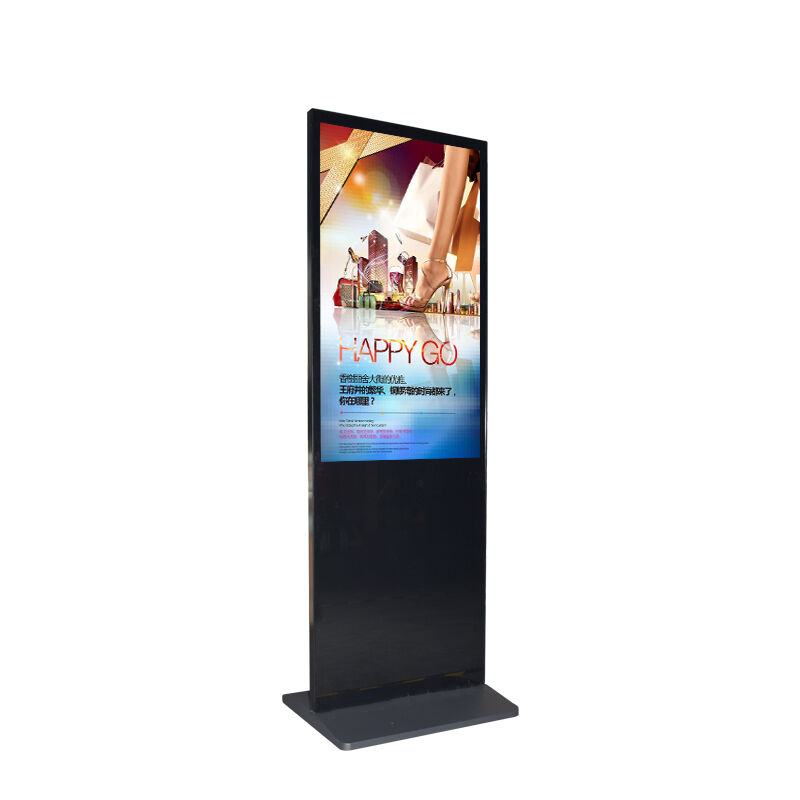
In today's competitive marketplace, businesses are constantly seeking innovative ways to capture customer attention and enhance their brand visibility. Digital signage has emerged as a revolutionary solution that transforms traditional advertising approaches through dynamic, interactive displays that deliver compelling visual experiences. This technology represents a significant shift from static promotional materials to engaging, real-time content that resonates with modern consumers who expect immediate, relevant information.

The evolution of digital display technology has fundamentally changed how companies communicate with their target audiences. Unlike traditional print advertisements that remain static for weeks or months, digital signage offers unprecedented flexibility in content management, allowing businesses to adapt their messaging in real-time based on current events, promotions, or customer behavior patterns. This adaptability makes digital displays an essential tool for modern marketing strategies that prioritize responsiveness and customer engagement.
Enhanced Visual Impact and Brand Recognition
Dynamic Content Presentation
Digital signage creates memorable brand experiences through vibrant colors, motion graphics, and high-resolution displays that capture attention more effectively than traditional static advertising methods. The dynamic nature of digital content allows brands to showcase products, services, and promotional messages with stunning visual clarity that leaves lasting impressions on viewers. Studies demonstrate that moving images and bright displays increase viewer retention rates by up to 400% compared to static advertisements.
The versatility of digital signage extends beyond simple advertising to include interactive elements that encourage customer participation and engagement. Touch-screen capabilities, QR code integration, and real-time social media feeds transform passive viewers into active participants, creating deeper connections between brands and their target audiences. This interactive approach generates valuable customer data while simultaneously enhancing the overall brand experience.
Professional Brand Image Enhancement
Modern consumers associate digital displays with innovation, professionalism, and technological advancement, making digital signage an powerful tool for enhancing brand perception. Companies that implement well-designed digital display systems communicate their commitment to staying current with technological trends while demonstrating attention to customer experience details. This perception boost can significantly influence purchasing decisions and brand loyalty development.
The sleek, modern appearance of digital signage systems contributes to creating sophisticated retail environments that reflect positively on brand image. High-quality displays demonstrate investment in customer experience and attention to environmental aesthetics, factors that increasingly influence consumer preferences in competitive markets.
Cost-Effective Marketing Solutions
Reduced Long-Term Operational Costs
While initial investment in digital signage systems may appear substantial, the long-term cost savings significantly outweigh traditional advertising expenses. Eliminating recurring printing costs, installation fees, and material waste associated with frequent campaign changes results in substantial savings over time. Digital displays allow unlimited content updates without additional production costs, making campaign modifications immediately cost-effective.
Energy-efficient LED technology in modern digital signage systems minimizes operational expenses while providing bright, clear displays suitable for various lighting conditions. Advanced power management features automatically adjust brightness levels and implement scheduling functions that reduce energy consumption during off-peak hours, contributing to overall cost optimization and environmental sustainability goals.
Scalable Campaign Management
Digital signage platforms enable centralized content management across multiple locations, streamlining marketing operations and reducing administrative overhead. Cloud-based management systems allow marketing teams to update content simultaneously across entire networks of displays, ensuring consistent brand messaging while minimizing labor costs associated with manual updates.
The ability to schedule content changes in advance enables efficient campaign planning and execution without requiring on-site personnel for each update. This automation capability proves particularly valuable for businesses operating multiple locations or requiring frequent promotional updates, significantly reducing operational complexity while maintaining marketing effectiveness.
Real-Time Content Management and Flexibility
Immediate Message Updates
Digital signage systems provide unmatched flexibility for responding to changing market conditions, inventory levels, or promotional opportunities through instant content updates. This real-time capability enables businesses to capitalize on trending topics, weather-related promotions, or breaking news events that create immediate marketing opportunities. Traditional advertising methods cannot match this responsiveness level.
Emergency communications and important announcements can be broadcast immediately across all digital signage networks, ensuring critical information reaches customers without delay. This capability proves invaluable during unexpected events, safety situations, or urgent business communications that require immediate customer notification.
Targeted Content Delivery
Advanced digital signage systems incorporate audience analytics and demographic recognition technology that enables targeted content delivery based on viewer characteristics. This intelligent targeting ensures relevant messages reach appropriate audiences at optimal times, maximizing marketing impact while minimizing wasted impressions on non-target demographics.
Integration with customer relationship management systems and purchase history data allows for personalized content delivery that enhances customer experience while driving sales conversion rates. This level of personalization was previously impossible with traditional advertising methods, representing a significant competitive advantage for businesses implementing digital signage solutions.
Measurable Performance Analytics
Comprehensive Engagement Metrics
Digital signage platforms provide detailed analytics dashboards that track viewer engagement, content performance, and campaign effectiveness through various metrics including dwell time, interaction rates, and conversion tracking. These insights enable data-driven decision making for optimizing content strategies and improving return on marketing investments.
Heat mapping technology and eye-tracking capabilities offer deeper understanding of how customers interact with digital displays, revealing which content elements generate the most attention and engagement. This granular data enables continuous improvement of digital signage content to maximize effectiveness and achieve specific marketing objectives.
Return on Investment Measurement
Unlike traditional advertising methods that rely on estimated impressions and uncertain conversion rates, digital signage provides precise measurement tools that correlate display interactions with actual sales performance. Integration with point-of-sale systems enables direct tracking of how digital signage influences purchasing behavior and revenue generation.
Comparative analysis tools allow businesses to test different content approaches and measure their relative effectiveness, enabling continuous optimization of digital signage strategies based on actual performance data rather than assumptions or industry averages.
Improved Customer Experience and Engagement
Interactive Communication Channels
Digital signage creates two-way communication opportunities through interactive features that encourage customer participation and feedback collection. Touch-screen interfaces, mobile app integration, and social media connectivity transform passive advertising into engaging experiences that build stronger customer relationships and generate valuable business insights.
Wayfinding capabilities and directory functions integrated into digital signage systems improve customer navigation and reduce staff assistance requirements while enhancing overall facility user experience. These practical applications demonstrate how digital displays serve multiple purposes beyond pure advertising, adding tangible value to customer interactions.
Entertainment and Information Integration
Digital signage systems can seamlessly blend promotional content with entertainment and informational elements that add value to customer waiting times and location experiences. News feeds, weather updates, and interactive games create positive associations with brands while maintaining customer attention during extended exposure periods.
Educational content integration allows businesses to position themselves as industry experts while providing useful information that customers appreciate. This approach builds trust and credibility while subtly promoting products or services through informative, non-intrusive messaging strategies.
Technology Integration and Future-Proofing
Smart Technology Compatibility
Modern digital signage systems integrate seamlessly with existing business technology infrastructure including wireless networks, mobile applications, and customer databases. This compatibility ensures digital displays enhance rather than complicate existing operational workflows while providing opportunities for advanced functionality development.
Artificial intelligence and machine learning capabilities enable digital signage systems to automatically optimize content delivery based on historical performance data and real-time environmental factors. This intelligent automation reduces manual management requirements while improving campaign effectiveness through continuous learning and adaptation.
Scalable Infrastructure Development
Digital signage networks provide foundation infrastructure for future technology implementations including augmented reality integration, voice recognition capabilities, and advanced sensor integration. This scalability ensures current investments remain valuable as technology continues evolving and new opportunities emerge.
Cloud-based management platforms enable easy expansion of digital signage networks without requiring significant technical infrastructure changes. This flexibility supports business growth and location expansion while maintaining centralized control and consistent brand messaging across all display locations.
FAQ
What factors should businesses consider when choosing digital signage systems?
Businesses should evaluate display size and resolution requirements, content management capabilities, integration options with existing systems, and long-term scalability needs. Consider location-specific factors including ambient lighting conditions, viewing distances, and environmental durability requirements. Budget considerations should include initial hardware costs, ongoing content management expenses, and maintenance requirements to ensure sustainable implementation.
How does digital signage compare to traditional advertising methods in terms of effectiveness?
Digital signage demonstrates superior effectiveness through higher attention capture rates, improved message retention, and measurable engagement metrics compared to static advertising. The dynamic nature of digital content increases viewer engagement by up to 400%, while real-time update capabilities enable responsive marketing strategies impossible with traditional methods. Additionally, digital displays provide precise performance analytics that enable continuous optimization and measurable return on investment.
What maintenance requirements are associated with digital signage systems?
Digital signage systems require regular software updates, content management, and periodic hardware cleaning to maintain optimal performance. Most modern systems include remote monitoring capabilities that alert operators to potential issues before they impact display functionality. Scheduled maintenance typically includes screen calibration, software updates, and hardware inspections, with many providers offering comprehensive service packages that minimize internal maintenance requirements.
Can digital signage systems integrate with existing business software and databases?
Yes, modern digital signage platforms offer extensive integration capabilities with customer relationship management systems, inventory databases, social media platforms, and point-of-sale systems. These integrations enable automated content updates based on real-time business data, personalized messaging delivery, and comprehensive performance tracking. API connectivity and cloud-based management platforms facilitate seamless integration with most existing business technology infrastructure.
Table of Contents
- Enhanced Visual Impact and Brand Recognition
- Cost-Effective Marketing Solutions
- Real-Time Content Management and Flexibility
- Measurable Performance Analytics
- Improved Customer Experience and Engagement
- Technology Integration and Future-Proofing
-
FAQ
- What factors should businesses consider when choosing digital signage systems?
- How does digital signage compare to traditional advertising methods in terms of effectiveness?
- What maintenance requirements are associated with digital signage systems?
- Can digital signage systems integrate with existing business software and databases?