 EN
EN

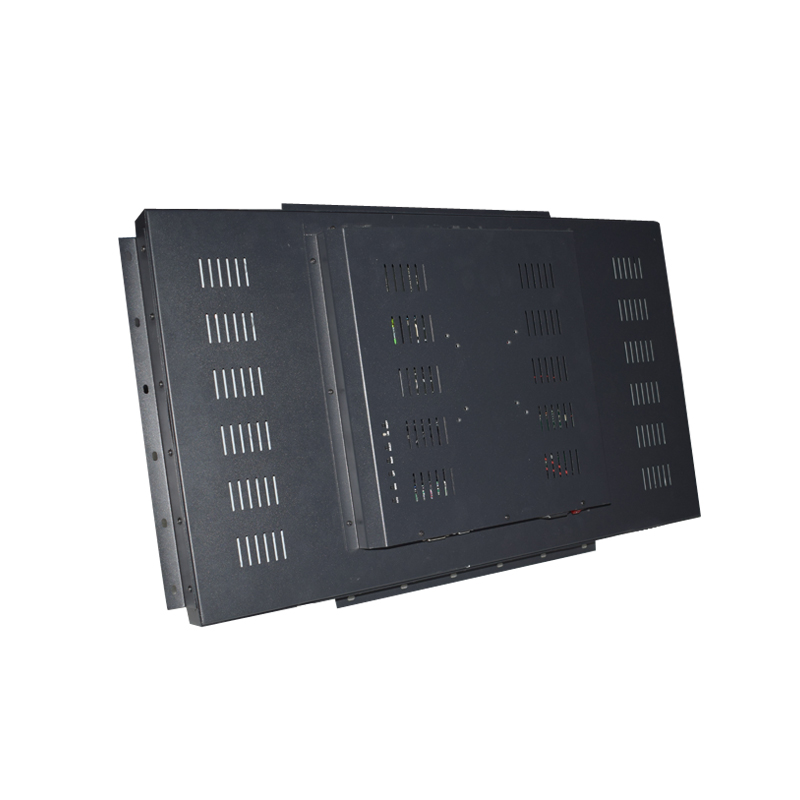
Selecting the right lcd monitor for professional display use is a critical decision that directly impacts productivity, visual quality, and operational efficiency in commercial environments. Whether you're setting up a control room, digital signage installation, retail display, or professional workstation, the choice of lcd monitor technology can make a substantial difference in performance and long-term value. Many professionals underestimate how much the right lcd monitor selection influences day-to-day operations, employee satisfaction, and customer perception. Understanding the key factors that define a quality lcd monitor for professional applications helps you avoid costly mistakes and ensures your investment delivers measurable returns.
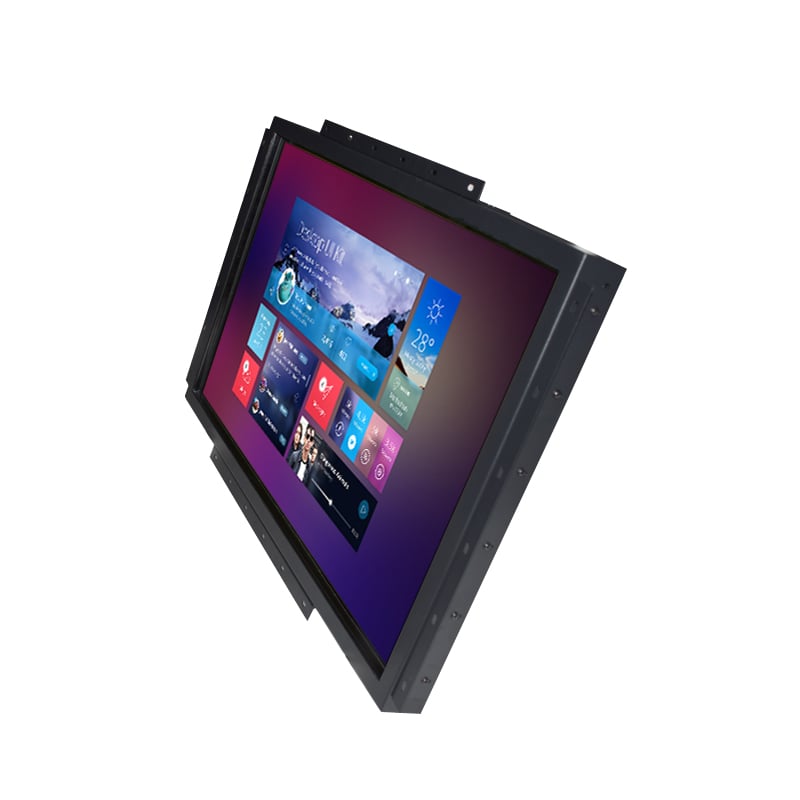
Professional environments demand far more from an lcd monitor than standard consumer displays can provide. Industrial-grade lcd monitor solutions must deliver consistent image quality, extended operational reliability, and seamless integration with existing systems. When evaluating options for professional display applications, you'll encounter numerous specifications and technical terms that require careful analysis to match your exact operational needs and budget constraints.
Understanding Professional LCD Monitor Specifications
Resolution and Panel Technology
The foundation of any professional lcd monitor selection begins with understanding resolution requirements for your specific application. Full HD lcd monitor displays at 1920x1080 provide excellent clarity for most professional display use cases, while 4K resolution lcd monitor options deliver superior detail for data-intensive environments, design studios, and medical imaging applications. An lcd monitor with IPS panel technology offers superior color accuracy and wider viewing angles compared to standard TN panels, making it ideal for environments where multiple viewers need consistent image quality from different positions. When selecting an lcd monitor for professional use, consider your specific content type—static signage may require different panel characteristics than dynamic monitoring applications requiring rapid response times.
Brightness and Contrast Specifications
Professional environments often require lcd monitor displays with exceptional brightness levels to ensure visibility in well-lit spaces. A quality lcd monitor designed for professional display should deliver brightness ratings of at least 300 nits for indoor commercial use, with premium industrial-grade lcd monitor models reaching 1000 nits or higher for outdoor installations. Contrast ratio—the difference between black and white levels on your lcd monitor—directly impacts visual depth and content legibility. An lcd monitor with higher contrast ratios creates sharper, more distinguishable images that reduce eye strain during extended viewing periods, a critical factor in professional display scenarios.
Durability and Reliability Factors for Professional LCD Monitor Selection
Build Quality and Operational Lifespan
Industrial-rated lcd monitor units designed for professional display applications undergo rigorous testing to ensure they perform reliably under demanding conditions. A professional-grade lcd monitor must maintain consistent color accuracy and brightness throughout its operational life, typically rated between 30,000 and 60,000 hours of continuous use. When evaluating lcd monitor options for professional display, examine the manufacturer's mean time between failures (MTBF) rating and warranty coverage—these metrics indicate the lcd monitor's expected reliability in your application. Superior lcd monitor construction uses reinforced cabinets, sealed components, and commercial-grade electronics that withstand temperature fluctuations, humidity variations, and electromagnetic interference common in industrial environments.
Thermal Management and Environmental Resistance
Professional display environments often expose lcd monitor equipment to challenging conditions including temperature extremes, high humidity, and dust accumulation. A robust lcd monitor designed for professional use incorporates advanced cooling systems, fanless operation options, and sealed design elements that prevent internal component degradation. Quality lcd monitor installations for professional display applications feature wide operating temperature ranges, allowing your lcd monitor to function reliably from freezing warehouses to heated retail spaces without performance degradation. Environmental resistance capabilities distinguish commercial-grade lcd monitor solutions from consumer-level displays, ensuring your lcd monitor maintains consistent performance regardless of external conditions.
Integration and Connectivity for Professional LCD Monitor Deployment
Multi-OS Support and Interface Flexibility
Modern professional display environments demand lcd monitor solutions that integrate seamlessly with diverse operating systems and control platforms. An effective professional lcd monitor supports Windows, Linux, and specialized industrial operating systems, allowing seamless integration into existing infrastructure without costly compatibility workarounds. The best lcd monitor for professional display use includes multiple connectivity options—HDMI, DisplayPort, VGA, and USB inputs—that accommodate various content sources and signal types. Selecting an lcd monitor with built-in multi-OS compatibility eliminates integration complications and reduces deployment timeframes, allowing you to activate your professional display system quickly.
Wall-Mount Compatibility and Space Efficiency
Space constraints frequently dictate mounting requirements in professional display installations, making wall-mount capability essential when selecting an lcd monitor. A versatile professional lcd monitor designed for flexible mounting delivers VESA compliance, supporting standard wall brackets and arm mounts that optimize spatial efficiency. The right lcd monitor for professional use includes integrated mounting provisions that enable seamless installation without requiring extensive modifications to your physical space. Consider your specific installation requirements when evaluating lcd monitor options—ceiling mounts, portrait orientation capabilities, and adjustable stands expand your lcd monitor's functional versatility in professional display scenarios.
FAQ
What brightness level should I prioritize when selecting an lcd monitor for professional display?
Brightness requirements depend entirely on your installation environment. For indoor professional display applications in standard office or retail settings, an lcd monitor with 300-500 nits provides excellent visibility. However, brightly lit commercial spaces, outdoor professional display installations, and direct-sunlight environments require premium lcd monitor models delivering 800-1000+ nits to ensure consistent image legibility and viewer comfort throughout operating hours.
How important is color accuracy when choosing an lcd monitor for professional use?
Color accuracy becomes critical when your professional display application involves design work, medical imaging, photography, or content requiring visual precision. An lcd monitor with factory-calibrated color profiles and 99% Adobe RGB coverage ensures accurate color reproduction throughout the display's lifespan. If your professional use case prioritizes content visibility over precise color matching—such as digital signage or monitoring applications—standard lcd monitor color ranges prove sufficient, allowing budget allocation to other performance specifications.
What warranty and support options should I expect from professional lcd monitor vendors?
Reputable manufacturers of professional-grade lcd monitor solutions typically offer 3-5 year comprehensive warranties covering hardware defects and replacement. Premium lcd monitor vendors provide 24/7 technical support, expedited replacement options, and on-site service capabilities for mission-critical professional display installations. When comparing lcd monitor options, prioritize vendors offering extended warranty periods, rapid replacement procedures, and accessible support channels—these factors directly impact your professional display system's uptime and operational continuity.


