 EN
EN

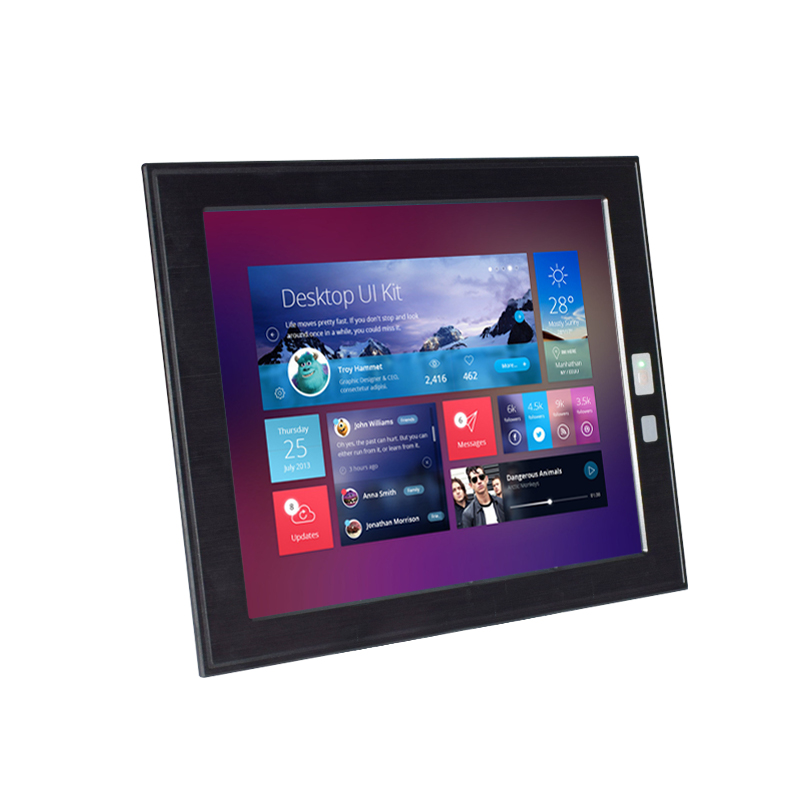
Industrial PCs have become essential infrastructure for organizations operating in demanding environments where standard commercial computers simply cannot perform. These specialized computing systems are engineered to deliver consistent, reliable performance in conditions that would compromise conventional hardware, making them indispensable for manufacturing facilities, automation systems, and mission-critical operations. Understanding how industrial PCs support high-performance applications requires examining their architectural design, robust construction, and intelligent thermal management strategies that distinguish them from general-purpose computers.
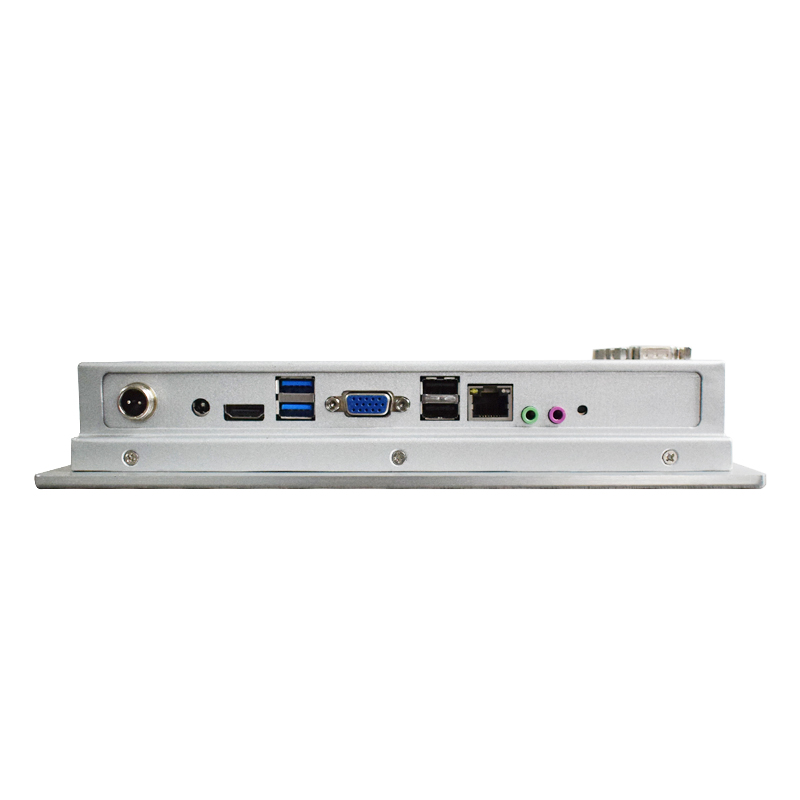
The fundamental difference between industrial PCs and consumer-grade computers lies in their engineering philosophy and component selection. Industrial PCs prioritize durability, longevity, and consistent performance across extreme temperature ranges, high vibration environments, and spaces with significant electromagnetic interference. Organizations deploying industrial PCs benefit from extended lifecycle support, modular upgradeability, and comprehensive thermal solutions that enable sustained peak performance even during intensive computational workloads.
Processing Power and Architecture Design
Processor Selection for Industrial Applications
Industrial PCs leverage enterprise-grade processors specifically chosen for their reliability ratings and long-term market availability. Unlike consumer processors that become obsolete within two to three years, processors in industrial PCs maintain production continuity and vendor support extending ten years or longer. This extended availability ensures organizations can repair, upgrade, or replace systems without complete architectural redesign. Industrial PCs equipped with modern multi-core processors deliver exceptional computational capacity while maintaining the thermal characteristics necessary for fanless or passively cooled designs in sealed environments.
The architecture of industrial PCs supports parallel processing tasks that characterize high-performance applications such as real-time data acquisition, machine vision analysis, and complex control algorithms. Industrial PCs enable seamless integration of specialized acceleration cards including graphics processing units, field-programmable gate arrays, and custom industrial accelerators that augment computational throughput. This modular capability allows organizations to scale processing capacity precisely matching application requirements without purchasing oversized, energy-intensive systems.
Memory and Storage Optimization
Industrial PCs implement solid-state storage solutions that eliminate mechanical failures while providing rapid data access essential for high-performance applications. Unlike mechanical hard drives vulnerable to vibration and environmental stress, industrial PCs use industrial-grade SSDs with advanced wear-leveling algorithms and redundancy mechanisms. Industrial PCs also support memory configurations ranging from modest capacity for embedded control tasks to extensive RAM supporting data-intensive analytics and machine learning inference engines.
Storage reliability in industrial PCs directly impacts system uptime and application responsiveness. Organizations deploying industrial PCs benefit from RAID configurations, automated backup integration, and error-correcting code memory that prevent data corruption in electromagnetic environments. Industrial PCs enable rapid application startup times and sustained performance during intensive file operations, providing the responsiveness required by mission-critical manufacturing and logistics applications.
Thermal Management and Environmental Resilience
Advanced Cooling Strategies
Industrial PCs employ sophisticated thermal management architectures that maintain optimal processor temperatures across extreme ambient conditions. Fanless designs in industrial PCs utilize aluminum heatsinks, thermal interface materials, and sealed enclosures that dissipate heat passively without mechanical components prone to failure. Industrial PCs operating in dusty environments benefit from sealed thermal pathways that prevent contamination while maintaining efficient heat transfer from processors to external mounting surfaces.
Active cooling systems in industrial PCs incorporate sealed fans with ball bearings rated for extended service life in harsh conditions. Industrial PCs designed for high-performance applications implement intelligent fan speed regulation that balances thermal control with noise management and energy efficiency. Organizations deploying industrial PCs in chemical processing or food manufacturing environments benefit from conformal coatings and stainless steel construction that resist corrosive atmospheres while enabling robust thermal performance.
Environmental Protection and Durability
Industrial PCs achieve high-performance reliability through aggressive environmental protection including metal enclosures, reinforced connector interfaces, and comprehensive electromagnetic shielding. Industrial PCs meet rigorous certification standards including wide operating temperature ranges from negative forty to seventy degrees Celsius, humidity tolerance up to ninety-five percent non-condensing, and vibration resistance exceeding industrial machinery baseline requirements. Industrial PCs constructed with industrial-grade components withstand mechanical shock, thermal cycling, and sustained exposure to dust, moisture, and industrial chemical vapors.
The resilience of industrial PCs directly enables high-performance application deployment in otherwise hostile computing environments. Organizations can confidently position industrial PCs directly on factory floors, within machinery enclosures, or in outdoor installations without protective cabinets or climate-controlled housing. Industrial PCs eliminate the facility requirements and infrastructure costs associated with deploying consumer computers in industrial settings.
Application Performance and Real-Time Capability
Real-Time Operating System Support
Industrial PCs provide robust support for real-time operating systems including VxWorks, QNX, and deterministic Linux kernels essential for time-critical applications. Industrial PCs deliver predictable latency and jitter characteristics enabling precise control of robotic systems, motion control platforms, and process automation equipment. Industrial PCs eliminate performance variability and unpredictable delays that compromise safety-critical applications in aerospace, pharmaceutical manufacturing, and autonomous vehicle systems.
The real-time capabilities embedded in industrial PCs architecture extend beyond operating system selection to include hardware-level interrupt handling, memory isolation, and priority-based task scheduling. Industrial PCs support integration with real-time acceleration hardware including dedicated timers, pulse-width modulation controllers, and analog-to-digital converters that enable deterministic response to external events. Organizations deploying industrial PCs achieve microsecond-level timing precision required by advanced motion control and precision manufacturing equipment.
Integration with Industrial Protocols
Industrial PCs natively support communication protocols including EtherCAT, PROFINET, Modbus, and PROFIBUS essential for manufacturing system integration. Industrial PCs provide multiple industrial-grade network interfaces with advanced filtering and isolation preventing network disruption from electromagnetic noise. Industrial PCs enable seamless data exchange with programmable logic controllers, distributed control systems, and industrial sensors without requiring external gateway hardware or protocol conversion devices.
The integration capabilities of industrial PCs support complex supervisory control strategies combining machine vision analysis, sensor data fusion, and predictive maintenance algorithms. Industrial PCs execute sophisticated industrial applications while maintaining deterministic communication with thousands of networked devices. This integrated architecture eliminates performance bottlenecks and communication latency that restrict functionality in modular, heterogeneous industrial environments.
FAQ
What makes industrial PCs different from consumer computers?
Industrial PCs differ fundamentally in component selection, thermal design, environmental protection, and lifecycle support. Industrial PCs use processors and components with extended production availability, often exceeding ten years compared to two to three years for consumer hardware. Industrial PCs incorporate sealed thermal solutions, reinforced mechanical construction, and comprehensive electromagnetic shielding enabling reliable operation in extreme temperatures, vibration, humidity, and dusty environments. Organizations can operate industrial PCs on factory floors without protective enclosures or climate control, whereas consumer computers require regulated facility environments.
Can industrial PCs handle real-time application requirements?
Industrial PCs are specifically engineered for real-time application support through deterministic hardware architecture, real-time operating system compatibility, and microsecond-level timing precision. Industrial PCs eliminate performance variability and unpredictable delays essential for safety-critical applications. Industrial PCs integrate specialized real-time acceleration hardware including dedicated timers and analog-to-digital converters enabling precise control of manufacturing equipment, robotic systems, and motion platforms. Real-time industrial PCs support integration with industrial communication protocols maintaining deterministic response in complex networked environments.
How do industrial PCs ensure long-term reliability?
Industrial PCs achieve exceptional reliability through solid-state storage eliminating mechanical failures, advanced thermal management preventing thermal-related component stress, and comprehensive environmental protection from contamination and electromagnetic interference. Industrial PCs use industrial-grade components with extended production lifecycles enabling repair and replacement without complete system redesign. Industrial PCs implement error-correcting memory, RAID storage configurations, and sealed construction preventing data corruption. Organizations deploying industrial PCs benefit from extended vendor support and spare parts availability ensuring uninterrupted operation throughout mission-critical manufacturing and automation applications.


