 EN
EN

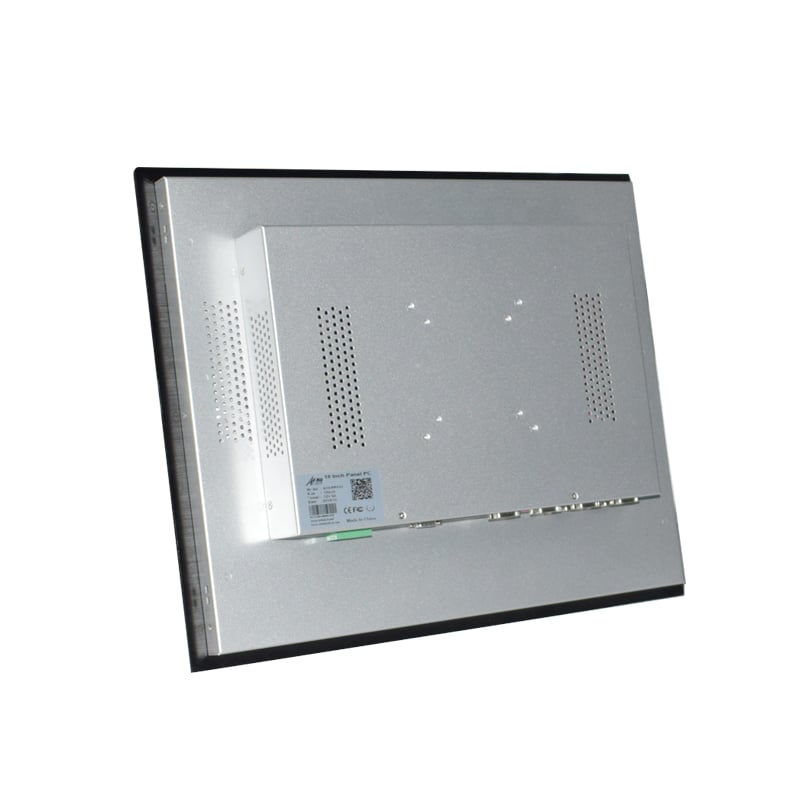
An industrial PC suitable for heavy-duty environments must meet rigorous performance, durability, and reliability standards that far exceed consumer-grade computing devices. Heavy-duty environments present unique challenges including extreme temperatures, vibration, dust, moisture, and electromagnetic interference that can quickly disable standard computers. Understanding what makes an industrial PC suitable for heavy-duty environments is essential for manufacturing facilities, oil and gas operations, mining sites, and other mission-critical industries where downtime costs thousands of dollars per hour.
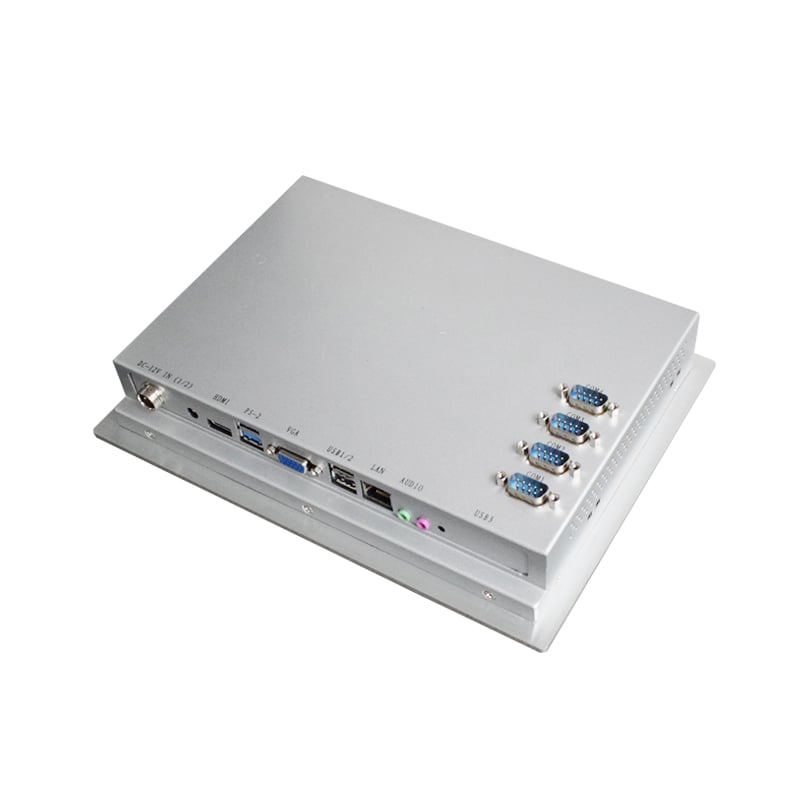
The distinction between an industrial PC suitable for heavy-duty environments and a commercial computer lies in the engineering, component selection, and testing protocols applied during manufacturing. An industrial PC suitable for heavy-duty environments is specifically engineered with reinforced chassis, shock-absorbing mounts, sealed connectors, and industrial-grade processors designed to withstand continuous operation under severe conditions. These systems undergo extensive validation testing to ensure they perform reliably where conventional equipment would fail within weeks or months.
Thermal Management and Temperature Resilience
Fanless Design and Heat Dissipation
An industrial PC suitable for heavy-duty environments typically incorporates fanless cooling technology that eliminates moving parts prone to failure in dusty locations. Passive heat dissipation through aluminum chassis, heat pipes, and specialized thermal compounds allows an industrial PC suitable for heavy-duty environments to maintain stable temperatures from minus 20 degrees Celsius to plus 60 degrees Celsius or beyond. Without mechanical fans, an industrial PC suitable for heavy-duty environments requires fewer maintenance interventions and reduces the risk of internal contamination that occurs when cooling fans draw dust and moisture through system internals.
Thermal Stability Under Load
Heavy-duty operations demand that an industrial PC suitable for heavy-duty environments continues functioning during sustained processing loads without thermal throttling or system shutdowns. Industrial-grade thermal design ensures that components remain within optimal operating ranges even when ambient temperatures fluctuate rapidly or when the system operates in direct sunlight on mining vehicles or outdoor processing stations. An industrial PC suitable for heavy-duty environments achieves this through power supply units rated for wide input voltage ranges, temperature-compensated storage systems, and processors selected specifically for long-term thermal stability rather than maximum performance.
Ruggedness, Shock Resistance, and Environmental Protection
Sealed Construction and IP Ratings
An industrial PC suitable for heavy-duty environments features sealed enclosures with IP65 or higher ingress protection ratings that prevent water spray, dust accumulation, and chemical vapor penetration. The housing design of an industrial PC suitable for heavy-duty environments incorporates conformal coating on circuit boards, sealed cable entries, and ventilation filters that trap contaminants while allowing necessary airflow. Gaskets around connectors, covers, and access panels ensure that an industrial PC suitable for heavy-duty environments maintains internal cleanliness and electrical safety in environments where water, oil, or corrosive chemicals are present.
Vibration and Shock Tolerance
Manufacturing machinery, transportation vehicles, and mining equipment generate constant vibration that can loosen components, crack solder joints, and cause mechanical failures in standard computers. An industrial PC suitable for heavy-duty environments uses vibration-damping mounting systems, potted connectors, and reinforced internal structures to withstand continuous vibration levels up to 2G or higher without data corruption or hardware failure. The mechanical design of an industrial PC suitable for heavy-duty environments reflects decades of industrial engineering, ensuring that hard drives, memory modules, and expansion cards remain securely positioned regardless of external shock or sustained oscillation.
Component Selection and Long-Term Reliability
Industrial-Grade Processors and Memory
An industrial PC suitable for heavy-duty environments uses processors selected from extended-temperature variants rated for full operation across wide temperature ranges rather than consumer processors. Memory modules installed in an industrial PC suitable for heavy-duty environments feature error-correcting code technology, industrial-grade density specifications, and solder-down designs that prevent unseating from vibration. Capacitors, power delivery components, and voltage regulators in an industrial PC suitable for heavy-duty environments are rated for industrial temperature ranges and feature higher voltage tolerances to handle power supply fluctuations common in factory environments with heavy electrical machinery.
Long-Term Component Availability
Manufacturing cycles for an industrial PC suitable for heavy-duty environments extend across five to ten years, ensuring that replacement components remain available for equipment deployed in the field. Unlike consumer computers that become obsolete within two years, an industrial PC suitable for heavy-duty environments maintains consistent hardware specifications and component sourcing throughout extended product lifecycles. This commitment to long-term parts availability means that facilities installing an industrial PC suitable for heavy-duty environments can maintain and repair systems years after initial purchase without expensive complete replacements.
Real-World Application Scenarios
Manufacturing and Process Control
Factory floors expose computing equipment to metal dust, welding sparks, oil mist, and temperature swings that require an industrial PC suitable for heavy-duty environments designed specifically for production control. An industrial PC suitable for heavy-duty environments operates reliably in these settings, managing automation systems, monitoring production quality, and collecting data without interruption. The sealed construction and EMI shielding of an industrial PC suitable for heavy-duty environments prevent interference from high-current welding equipment and electromagnetic noise generated by industrial motors.
Transportation and Mobile Operations
Vehicles used for mining, agriculture, construction, and field service subject computing systems to constant vibration, temperature extremes, and occasional shock from rough terrain. An industrial PC suitable for heavy-duty environments maintains functionality throughout these challenging conditions, running fleet management software, GPS navigation, and operational diagnostics without interruption. Installation of an industrial PC suitable for heavy-duty environments in vehicle dashboards or equipment enclosures ensures that critical operational data remains accessible even during extended field deployments.
FAQ
What specific certifications should an industrial PC suitable for heavy-duty environments carry?
An industrial PC suitable for heavy-duty environments should carry certifications including CE marking for electromagnetic compatibility, FCC compliance for radio frequency emissions, and industry-specific certifications such as AEC-Q100 for automotive applications or IEC 61508 for safety-critical systems. Many customers require that an industrial PC suitable for heavy-duty environments meet MIL-SPEC standards for shock, vibration, and thermal cycling. Temperature range certifications, IP rating documentation, and mean time between failure specifications provide objective evidence that an industrial PC suitable for heavy-duty environments meets deployment requirements.
How does the cost of an industrial PC suitable for heavy-duty environments compare to standard commercial computers?
An industrial PC suitable for heavy-duty environments typically costs two to four times more than equivalent consumer or standard business computers due to component selection, testing protocols, and engineering for extended lifecycles. However, when calculated across total cost of ownership including downtime prevention, warranty support, and extended operational lifespan, an industrial PC suitable for heavy-duty environments provides superior return on investment in mission-critical applications. The premium investment in an industrial PC suitable for heavy-duty environments becomes negligible compared to production losses from equipment failure.
Can an industrial PC suitable for heavy-duty environments be customized for specific industry requirements?
Yes, an industrial PC suitable for heavy-duty environments can be customized with specific I/O configurations, industrial networking protocols such as Ethernet, CANbus, or RS-485, and specialized software packages tailored to particular industry workflows. Manufacturers offering an industrial PC suitable for heavy-duty environments typically provide configuration services that allow customers to specify exact processing power, storage capacity, memory, and connectivity options. This customization capability ensures that an industrial PC suitable for heavy-duty environments matches precise operational requirements without unnecessary components that add cost or complexity.
Table of Contents
- Thermal Management and Temperature Resilience
- Ruggedness, Shock Resistance, and Environmental Protection
- Component Selection and Long-Term Reliability
- Real-World Application Scenarios
-
FAQ
- What specific certifications should an industrial PC suitable for heavy-duty environments carry?
- How does the cost of an industrial PC suitable for heavy-duty environments compare to standard commercial computers?
- Can an industrial PC suitable for heavy-duty environments be customized for specific industry requirements?


