 EN
EN

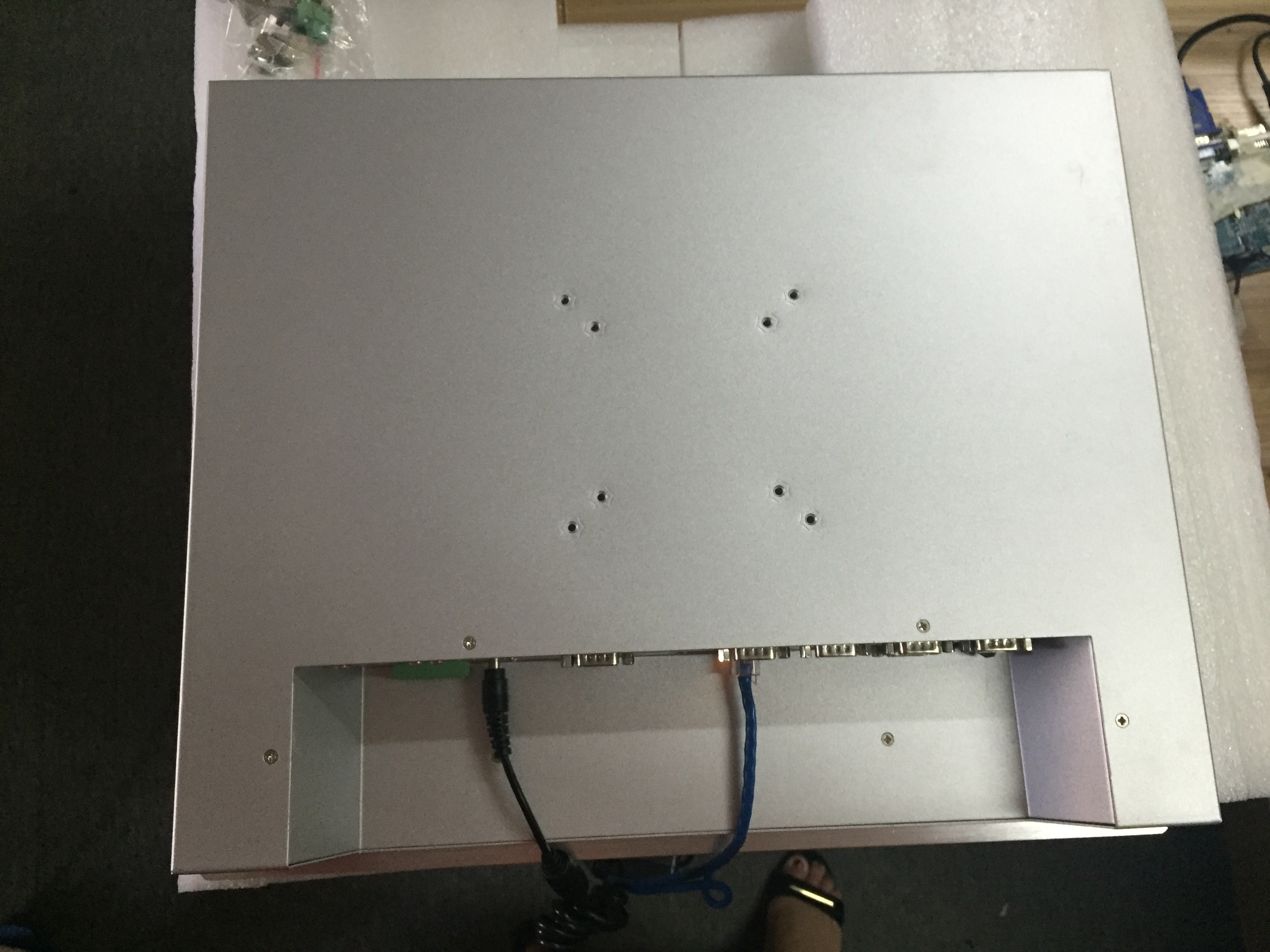
An industrial PC for industrial control systems represents a fundamental shift in how manufacturing facilities, processing plants, and automation environments manage their operations. Unlike standard commercial computers, an industrial PC for industrial control systems is engineered to withstand harsh environments, extreme temperatures, vibration, dust, and electromagnetic interference while delivering consistent performance in mission-critical applications. The decision to implement an industrial PC for industrial control systems directly impacts operational reliability, production uptime, and long-term cost efficiency.
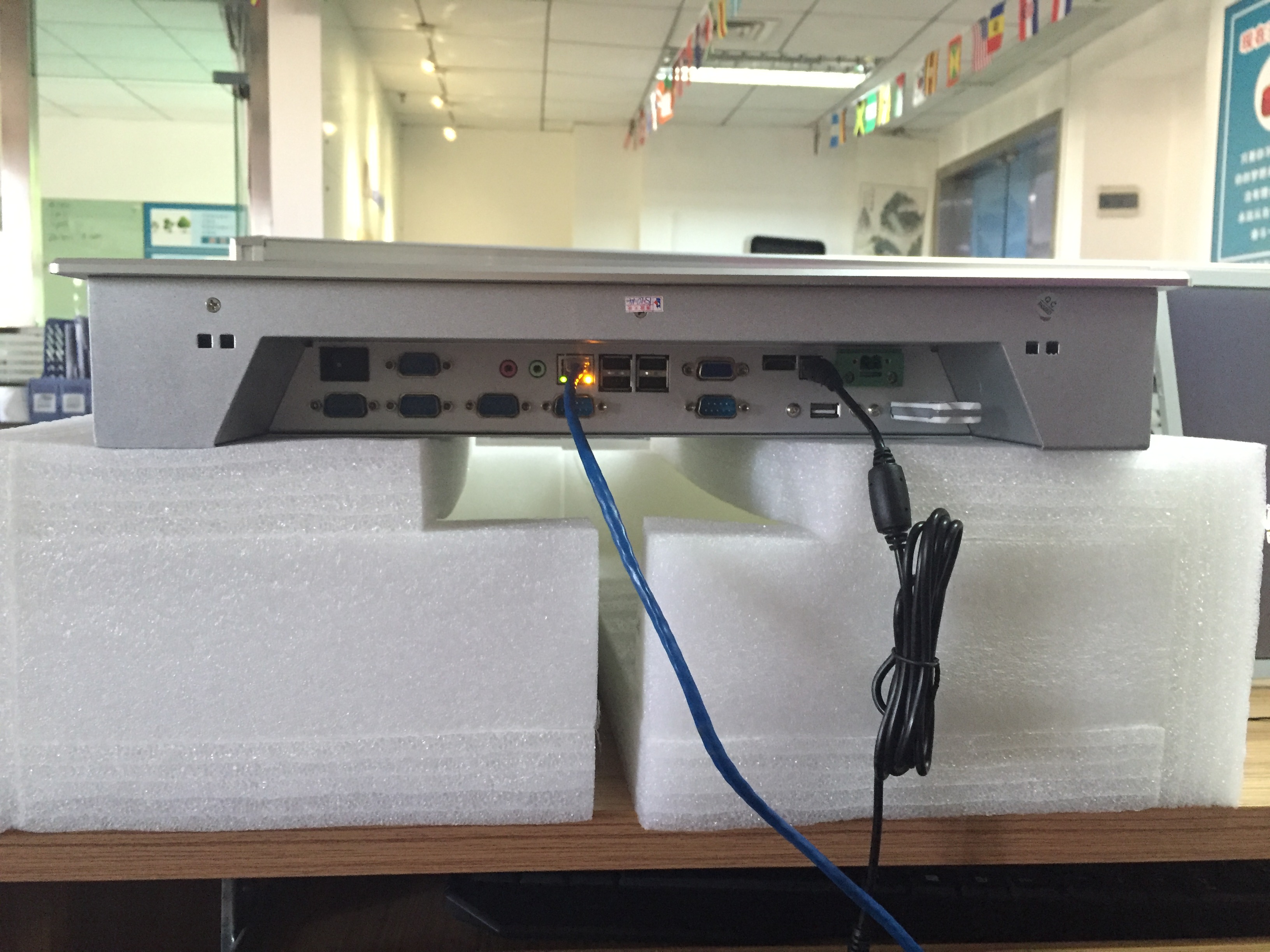
Organizations investing in an industrial PC for industrial control systems gain immediate advantages in system stability, predictability, and total cost of ownership. When production depends on real-time control, sensor integration, and rapid response times, an industrial PC for industrial control systems eliminates the variability and failure modes associated with consumer-grade hardware. This article explores the compelling reasons why an industrial PC for industrial control systems has become the standard in industrial automation.
Environmental Durability and Reliability
Resilience in Harsh Operating Conditions
Industrial environments present challenges that quickly compromise standard computers. Manufacturing floors experience temperature swings, metal dust, oil mist, humidity fluctuations, and vibration levels that would destroy consumer electronics within weeks. An industrial PC for industrial control systems is built with sealed enclosures, conformal coating on circuit boards, and industrial-grade components specifically rated for extended temperature ranges, typically from zero to fifty degrees Celsius or beyond. The materials used in an industrial PC for industrial control systems construction resist corrosion and maintain electrical integrity even when exposed to acidic vapors or aggressive chemical environments common in food processing, pharmaceutical production, and chemical manufacturing.
Mean Time Between Failures and Predictable Performance
An industrial PC for industrial control systems is designed to deliver mean time between failures measured in tens of thousands of operating hours, compared to commercial computers that may fail after a few years of continuous operation. This reliability metric directly translates to reduced unplanned downtime, fewer emergency maintenance calls, and more predictable production schedules. When an industrial PC for industrial control systems maintains consistent performance week after week and month after month, planners can confidently schedule maintenance windows and avoid catastrophic production losses that cost thousands of dollars per hour.
System Integration and Real-Time Control Capabilities
Native Industrial Protocol Support
An industrial PC for industrial control systems comes equipped with native support for industrial communication protocols such as Modbus, EtherCAT, PROFIBUS, CANopen, and OPC UA without requiring expensive third-party adapters or software translation layers. This native integration means an industrial PC for industrial control systems can communicate directly with programmable logic controllers, distributed I/O modules, sensors, and actuators deployed throughout the facility. The elimination of protocol conversion bottlenecks ensures that an industrial PC for industrial control systems maintains the low-latency, high-reliability communication essential for coordinated multi-axis motion control, process synchronization, and safety-critical applications.
Deterministic Real-Time Performance
Manufacturing control requires predictable, deterministic response times where sensor inputs trigger control outputs within microseconds or milliseconds. A standard computer running a consumer operating system cannot guarantee these response times because background processes, memory management routines, and driver interrupts create unpredictable delays. An industrial PC for industrial control systems either runs a real-time operating system or includes dedicated real-time co-processors that guarantee response times within specified windows. This deterministic behavior is critical in bottle-filling lines where timing precision prevents overflow, robotic assembly where coordination between multiple axes prevents collisions, and process control where maintaining setpoints within tight tolerances prevents product defects.
Total Cost of Ownership and Long-Term Strategic Value
Reduced Maintenance and Extended Product Life Cycles
While an industrial PC for industrial control systems carries a higher upfront cost than a commercial computer, the extended service life and reduced maintenance frequency dramatically lower total cost of ownership over five to ten years. An industrial PC for industrial control systems components are selected for availability throughout an extended product lifecycle, often ten years or more, whereas commercial computer components become obsolete and unavailable within two to three years. Facilities using an industrial PC for industrial control systems avoid costly emergency replacements, stock management complexity, and the risk of production loss when compatible spare parts disappear from the market.
Future-Proofing Production Infrastructure
Facilities that standardize on an industrial PC for industrial control systems across multiple production lines create consistency, streamline operator training, reduce spare parts inventory, and enable faster equipment moves or reconfiguration. When upgrades become necessary, an industrial PC for industrial control systems upgrade path typically maintains software compatibility and connector standards, protecting investments in automation software and peripheral equipment. Manufacturing managers appreciate that investing in an industrial PC for industrial control systems aligns with long-term operational strategy because the systems remain serviceable and relevant for a decade or more while commercial-grade alternatives require replacement cycles of every few years.
FAQ
What specific industries benefit most from an industrial PC for industrial control systems?
Pharmaceutical manufacturing, food processing, automotive assembly, chemical production, semiconductor fabrication, and printing operations all benefit significantly from an industrial PC for industrial control systems because they demand continuous operation, precise control, and resistance to contamination. Facilities operating in these sectors face regulatory compliance requirements that mandate equipment traceability and longevity, making an industrial PC for industrial control systems the only compliant choice for maintaining control system integrity and audit trails.
How does an industrial PC for industrial control systems differ from a rugged laptop or portable industrial computer?
An industrial PC for industrial control systems is typically a stationary or panel-mounted installation designed for fixed deployment in machinery or control cabinets, whereas rugged laptops prioritize portability and mobility. An industrial PC for industrial control systems provides deterministic real-time performance, industrial protocol support, and integration with factory infrastructure, while portable devices emphasize user mobility and field diagnostics. Most modern production lines deploy an industrial PC for industrial control systems as the primary control unit supported by portable devices for troubleshooting and maintenance tasks.
Can standard commercial software run on an industrial PC for industrial control systems?
Yes, most industrial PCs for industrial control systems run standard Windows or Linux distributions and support commercial applications, but the real value comes from industrial-specific software like SCADA systems, programmable logic controller interfaces, and manufacturing execution systems optimized for an industrial PC for industrial control systems architecture. The hardware foundation of an industrial PC for industrial control systems enables this software to perform reliably without the crashes, reboots, or latency spikes that would render a consumer computer unsuitable for production control.


