 EN
EN

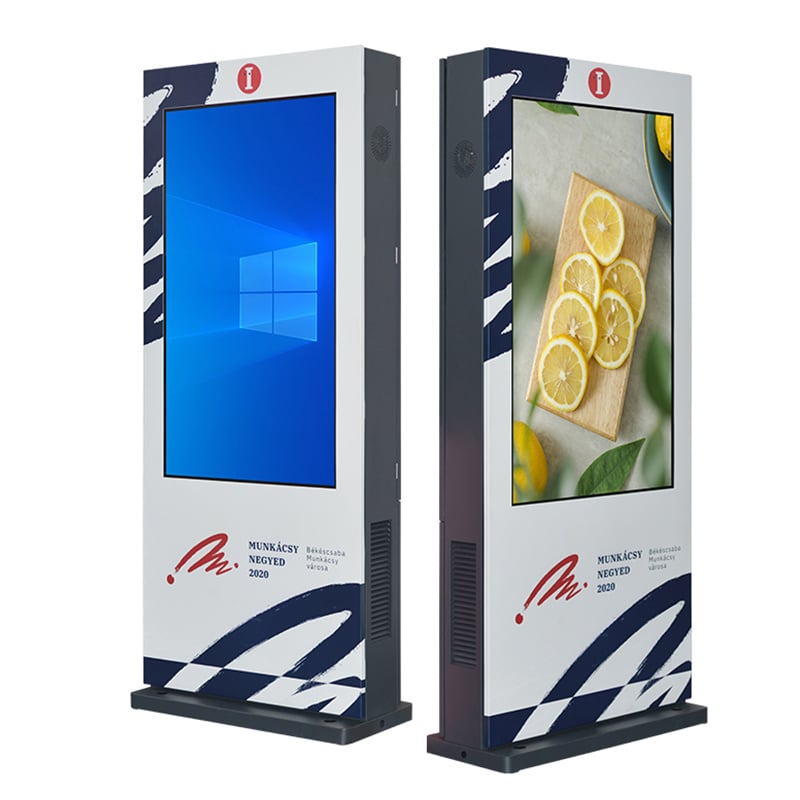
When investing in an outdoor display, understanding what drives outdoor display durability is critical to protecting your investment and ensuring consistent performance year-round. Outdoor environments present unique challenges that indoor displays never face, from intense UV radiation and temperature fluctuations to moisture, salt spray, and physical stress. The difference between a display that fails within months and one that operates reliably for years lies in deliberate design choices and material selection. This guide explores the core features that separate truly durable outdoor displays from those that quickly degrade.
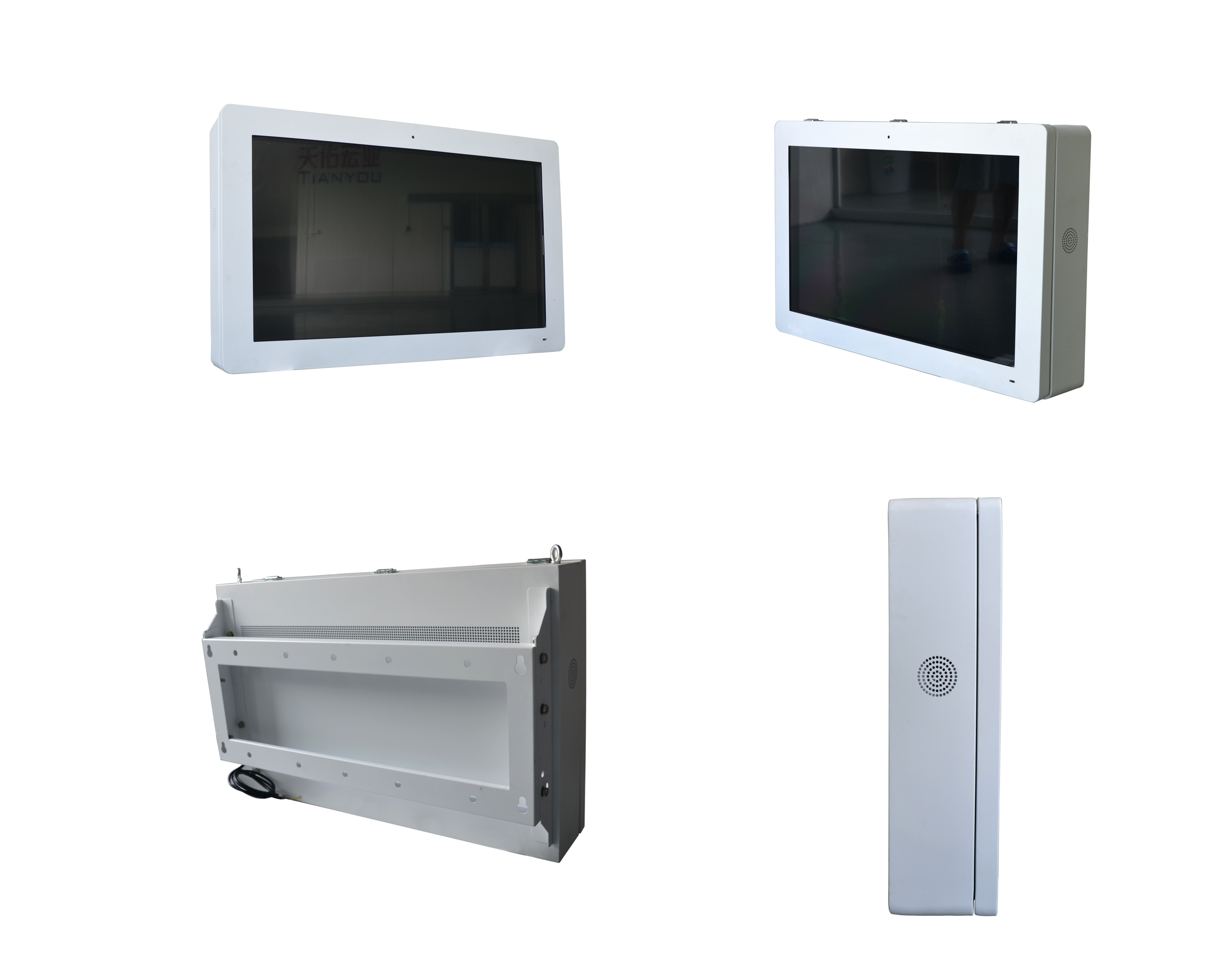
Outdoor display durability depends on a combination of hardware specifications, protective coatings, ventilation systems, and construction materials designed to withstand harsh conditions. Whether you operate a retail storefront, transport hub, or industrial facility, selecting displays built with durability-focused engineering ensures your messaging stays visible and operational regardless of weather. Understanding these features helps you make informed purchasing decisions and set realistic maintenance expectations.
Weatherproofing and Sealing Systems
IP Rating and Water Resistance
One of the most critical indicators of outdoor display durability is the IP (Ingress Protection) rating, which measures how effectively the enclosure resists dust and water penetration. A display rated IP65 or higher ensures that water jets from any direction cannot damage internal components, making this a minimum standard for true outdoor applications. IP67-rated displays offer even greater protection, remaining sealed even during temporary submersion. The construction of the display must feature gasket seals around all access points, including cable entries and panel jointures, to maintain outdoor display durability over extended periods.
Corrosion-Resistant Materials
Material selection profoundly impacts outdoor display durability in coastal or chemically aggressive environments. Aluminum frames and housings should be anodized or powder-coated to prevent oxidation and rust formation. Internal components, including screws, fasteners, and connectors, must be stainless steel or galvanized to resist corrosion when moisture penetrates the display enclosure. This focus on corrosion resistance ensures that outdoor display durability remains intact even after years of exposure to salt spray, acid rain, or industrial pollutants that would rapidly degrade inferior materials.
Thermal Management and Environmental Control
Active Cooling Systems
Outdoor environments expose displays to temperature extremes that threaten component longevity, making effective thermal management essential to outdoor display durability. Displays equipped with active cooling systems—such as thermostatically controlled fans or liquid cooling loops—maintain optimal internal temperatures even in direct sunlight or high-ambient conditions. Without adequate cooling, electronic components experience accelerated degradation, reduced brightness output, and shortened lifespan. The most durable outdoor display designs incorporate redundant cooling pathways and temperature sensors that trigger alerts when the system approaches thermal limits, preventing catastrophic failures.
Passive Thermal Solutions
Beyond active cooling, passive design elements contribute significantly to outdoor display durability by minimizing heat buildup naturally. Finned heatsinks, ventilation channels, and heat-dispersing mounting structures allow warm air to escape without relying on mechanical fans. These passive measures reduce dependency on cooling components that may fail, enhancing overall system reliability. When combined with reflective outer coatings that reject solar heat before it enters the enclosure, passive thermal solutions dramatically improve outdoor display durability in high-temperature climates.
Brightness, Light Diffusion, and Anti-Glare Technology
High Luminance Output
Maintaining readable content in bright daylight requires significantly higher brightness than indoor displays, and this capability is fundamental to practical outdoor display durability. Displays designed for outdoor use typically feature brightness levels of 2000 nits or higher, ensuring legibility even during peak sunlight hours. However, elevated brightness output generates additional heat, placing greater demands on thermal management systems. This interconnection between brightness requirements and thermal stress demonstrates why outdoor display durability depends on holistic engineering that balances visual performance with thermal control.
Anti-Glare and Viewing Angle Optimization
Anti-glare coatings and microstructured screens reduce reflected light that would otherwise obscure on-screen content and cause viewer discomfort. These optical treatments enhance outdoor display durability by reducing the perceived need for extreme brightness increases that would accelerate component wear. Displays with wide viewing angles ensure that content remains visible from different positions without requiring viewers to face the screen directly, improving the overall user experience. Combined with automatic brightness adjustment systems that scale output based on ambient light detection, these features represent mature engineering practices that protect outdoor display durability.
Panel Technology and Component Selection
LED and LCD Panel Durability Factors
The core display panel—whether LED or LCD—represents the largest single factor in outdoor display durability. LED-based displays naturally handle temperature fluctuations better than LCD technologies and typically offer superior brightness for direct sunlight visibility. However, all panel technologies benefit from robust encapsulation, protective glass or polycarbonate covers, and internal moisture barriers that prevent condensation and component corrosion. When evaluating outdoor display durability, examining the specific encapsulation techniques used for LED modules or LCD backlighting becomes essential, as these directly influence performance longevity.
Redundancy and Component Quality
True outdoor display durability emerges from redundant power systems, backup cooling circuits, and high-grade electrical components that exceed standard industrial specifications. Displays engineered for maximum outdoor display durability often include modular replacement sections for critical components, allowing maintenance teams to extend service life without replacing the entire unit. This redundancy approach, combined with selection of premium-grade capacitors, transformers, and signal processors, distinguishes displays built to last from commodity products designed for budget-focused procurement.
FAQ
What outdoor display durability rating do I actually need?
The appropriate outdoor display durability rating depends on your specific environment. If your display faces direct rain exposure, an IP65 or IP67 rating is essential for outdoor display durability. For covered installations where rain rarely reaches the display, IP54 may suffice, though outdoor display durability still requires corrosion-resistant materials and effective cooling. Always choose the highest rating feasible for your budget, as outdoor display durability directly correlates with protection levels and service lifespan.
How does temperature range affect outdoor display durability?
The operating and storage temperature ranges printed in specifications reveal critical limitations affecting outdoor display durability. Displays rated for -20°C to +60°C demonstrate superior outdoor display durability in temperate climates, while displays with narrower ranges may fail during seasonal temperature swings. Extended-range displays typically feature specialized components and heavier thermal management systems that directly contribute to outdoor display durability in extreme climates. Review temperature specifications alongside thermal management features when assessing long-term outdoor display durability.
What maintenance extends outdoor display durability?
Regular maintenance directly enhances outdoor display durability by addressing minor issues before they cascade into major failures. Quarterly inspections of gasket seals, cooling system filters, and external coatings help maintain outdoor display durability. Cleaning display surfaces removes salt and dust buildup that accelerates corrosion and degradation. Monitoring brightness and thermal sensor readings identifies performance changes indicating component stress, allowing preventive replacement to maintain outdoor display durability throughout the display's intended lifespan.


