 EN
EN

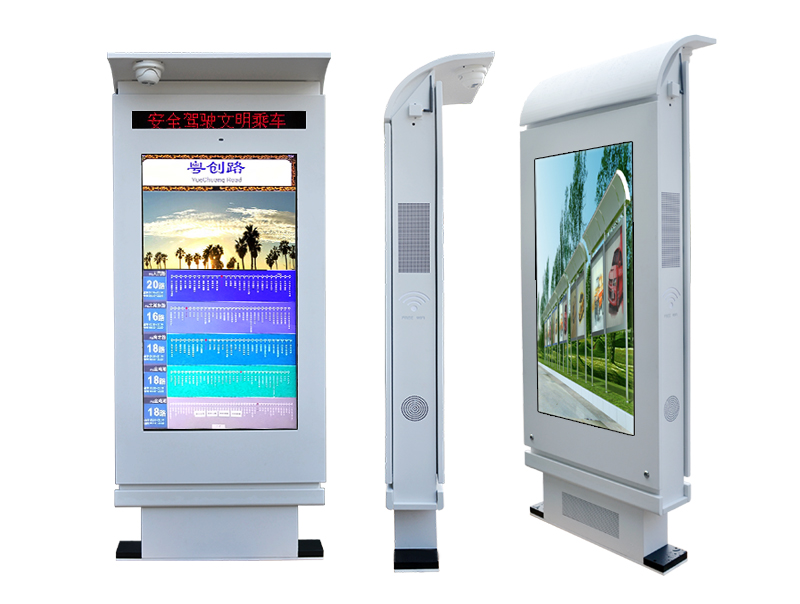
Selecting the right outdoor display for harsh weather is critical for businesses operating in challenging environmental conditions. Whether you face constant moisture, extreme temperatures, salt spray, or intense UV exposure, an inadequate outdoor display will fail quickly and drain your budget through premature replacement. The difference between a standard outdoor display for harsh weather and one engineered for durability can mean years of reliable operation versus months of malfunction. Understanding which features matter most when choosing an outdoor display for harsh weather ensures your investment performs where it counts most.
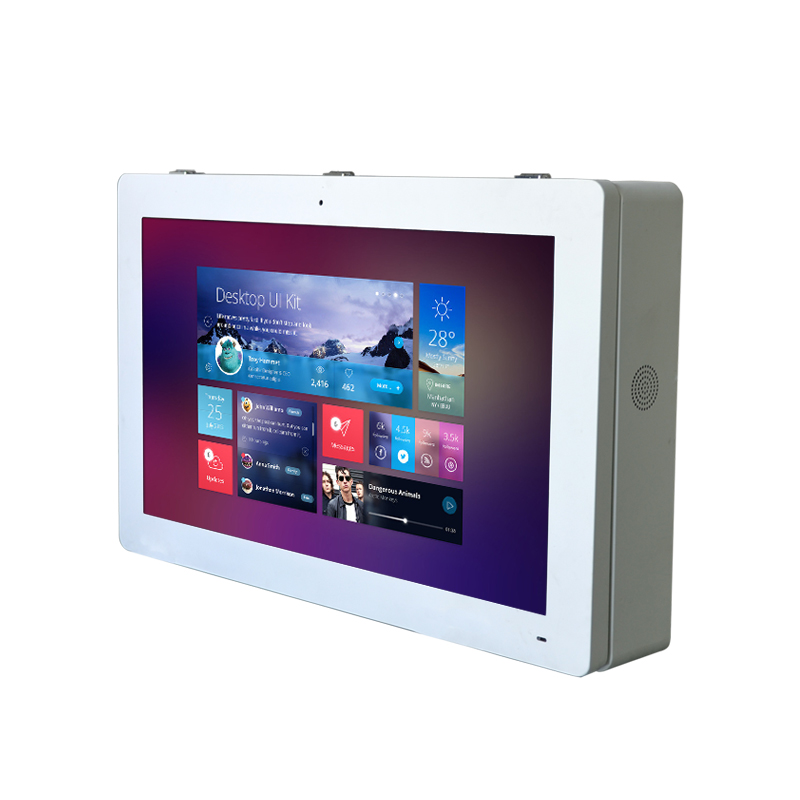
Businesses in industrial, hospitality, transportation, and retail sectors depend on outdoor displays that withstand rain, wind, salt, dust, and extreme temperatures without compromise. When you choose an outdoor display for harsh weather, you are protecting revenue streams, maintaining brand credibility, and reducing operational downtime. The stakes are particularly high in coastal regions, deserts, mountains, and factory floors where environmental stress on equipment is relentless. This guide walks you through the essential factors that separate a genuinely durable outdoor display for harsh weather from one that merely claims resilience.
Understanding IP Ratings and Enclosure Protection
What IP Ratings Mean for Outdoor Displays
An IP (Ingress Protection) rating is the industry standard for measuring how well an outdoor display for harsh weather resists dust and moisture. The rating uses two digits: the first indicates dust resistance on a scale of 0 to 6, and the second indicates moisture resistance on a scale of 0 to 9. When you choose an outdoor display for harsh weather, you must prioritize at least IP65 rating, which means complete dust protection and resistance to water jets from any angle. Displays with IP67 or IP68 ratings offer even greater protection, allowing temporary or sustained submersion. Understanding these ratings prevents the costly mistake of purchasing an outdoor display for harsh weather that cannot actually handle your specific environmental challenges.
Selecting the Right IP Rating for Your Environment
Coastal locations with salt spray and high moisture demand at least IP66 or IP67 for any outdoor display for harsh weather installation. Industrial sites with dust, steam, and occasional washdowns typically require IP65 as a minimum standard for reliable outdoor display for harsh weather performance. Desert applications with extreme temperatures and dust storms benefit from IP67 or higher to ensure the outdoor display for harsh weather remains sealed against fine particulates. Before finalizing your choice of outdoor display for harsh weather, assess whether your environment includes standing water, high-pressure washdowns, or continuous moisture exposure. An outdoor display for harsh weather rated only IP54 will rapidly fail in coastal salt spray or heavy rain environments, making higher ratings worth the investment.
Thermal Management and Temperature Resilience
Operating Temperature Ranges and Display Stability
When you select an outdoor display for harsh weather, thermal performance directly determines how long the display functions reliably across seasons. Most standard indoor displays operate within 0 to 40 degrees Celsius, but a robust outdoor display for harsh weather must handle -20 to 60 degrees Celsius or wider. Extreme cold causes LCD crystal response time to slow and can damage internal components if the outdoor display for harsh weather lacks proper insulation. Extreme heat accelerates component degradation, reduces brightness, and shortens the lifespan of backlighting and electronics. Choosing an outdoor display for harsh weather with certified operating temperatures that exceed your local extremes prevents thermal stress failures during peak seasons.
Active Cooling and Heating Solutions
High-performance outdoor displays for harsh weather environments often incorporate active cooling fans or climate control systems to maintain internal temperature stability. In desert or industrial settings, active cooling becomes essential to prevent heat-induced burnout of the display panel and power supply. Conversely, northern climates may require integrated heating elements within your outdoor display for harsh weather to ensure winter operation without condensation or component freezing. Advanced outdoor display for harsh weather models include thermostat-controlled systems that automatically regulate internal temperature, extending display lifespan by years. The cost of integrated thermal management is offset by elimination of premature replacement cycles that plague inadequately cooled outdoor display for harsh weather installations.
Material Durability and Weatherproof Construction
Chassis Materials and Corrosion Resistance
The physical structure of your outdoor display for harsh weather must resist rust, corrosion, and structural degradation from environmental exposure. Stainless steel or aluminum alloy with protective coatings are standard materials for professional outdoor display for harsh weather housings, while plastic-based frames fail rapidly in UV exposure and temperature cycling. Salt spray accelerates corrosion of untreated metals, so any outdoor display for harsh weather designed for coastal use must include anodized or powder-coated protection. When evaluating an outdoor display for harsh weather, inspect material specifications and corrosion-resistance certifications such as ASTM B117 salt spray testing results. Cheap outdoor display for harsh weather models with uncoated steel frames develop rust within months of coastal installation, compromising both appearance and equipment integrity.
Sealed Connectors and Cable Management
Water and dust infiltration through connectors is a leading failure cause in outdoor display for harsh weather systems, making sealed connection points non-negotiable. Your outdoor display for harsh weather must feature IP-rated connectors for power, signal, and network cables, with weatherproof covers or gaskets preventing moisture entry. Cable conduits and routing channels should direct water away from vulnerable electronics rather than pooling near ports. Quality outdoor display for harsh weather installations include strain relief boots and silicone gaskets around every external connection point. Overlooking connector sealing when you choose an outdoor display for harsh weather is a common false economy that leads to short circuits and component failure within a single rainy season.
Brightness, Visibility, and Glare Management
High Brightness Specifications for Outdoor Environments
Outdoor display for harsh weather installations require significantly higher brightness levels than indoor displays to remain visible under direct sunlight and adverse lighting conditions. An outdoor display for harsh weather must deliver at least 1500 to 2000 nits of brightness to cut through daylight glare, and some applications demand 3000 nits or higher. Lower brightness specifications for outdoor display for harsh weather result in washed-out, illegible content that defeats the communication purpose of the display. Brightness that meets these specifications is essential whether your outdoor display for harsh weather faces morning sun, afternoon glare, or overcast conditions. When you choose an outdoor display for harsh weather with inadequate brightness, you sacrifice readability and customer engagement across multiple time periods and weather scenarios.
Anti-Glare Coatings and Screen Technology
Premium outdoor display for harsh weather models incorporate anti-glare filters and specialized screen technologies that reduce reflection without sacrificing contrast or color accuracy. Oleophobic or hydrophobic surface coatings make outdoor display for harsh weather screens resistant to water spots, dust accumulation, and fingerprints that obstruct visibility. The outer screen layer of a durable outdoor display for harsh weather should resist scratching from environmental debris and cleaning procedures. Advanced outdoor display for harsh weather systems use full-array local dimming or edge-lit LED backlighting to maintain brightness uniformity across the panel in changing light conditions. Investing in an outdoor display for harsh weather with proper anti-glare and brightness optimization ensures your message remains clear and visible regardless of atmospheric conditions or time of day.
FAQ
What is the minimum IP rating for an outdoor display for harsh weather in coastal environments?
For coastal applications with salt spray and high moisture, an outdoor display for harsh weather should meet at least IP66 or IP67 standards to prevent corrosion and water infiltration. IP65 may be insufficient because salt spray and continuous moisture exposure will eventually penetrate connections and corrode internal components. Testing your outdoor display for harsh weather against ASTM salt spray standards ensures it can withstand coastal stress for the expected lifespan.
How does an outdoor display for harsh weather handle extreme temperature fluctuations?
Quality outdoor display for harsh weather systems use sealed enclosures with thermal insulation and sometimes active cooling or heating to maintain stable internal temperatures despite external extremes. Temperature cycling stresses materials and can cause component failure, so an outdoor display for harsh weather designed for -20 to 60 degrees Celsius or wider operating range provides margin against damage. Thermal management features become critical in climates with rapid temperature swings between day and night or across seasons.
Can an outdoor display for harsh weather survive direct pressure washing or high-impact debris?
While a properly rated outdoor display for harsh weather can tolerate water jets and occasional washing, direct high-pressure nozzles at close range may exceed the IP rating limits and cause damage. An outdoor display for harsh weather designed for industrial sites should use a low-pressure setting or maintain proper distance during cleaning. For environments with severe debris impact risk, some outdoor display for harsh weather models offer impact-resistant glass or protective guards, but specification verification is essential before installation.


