 EN
EN

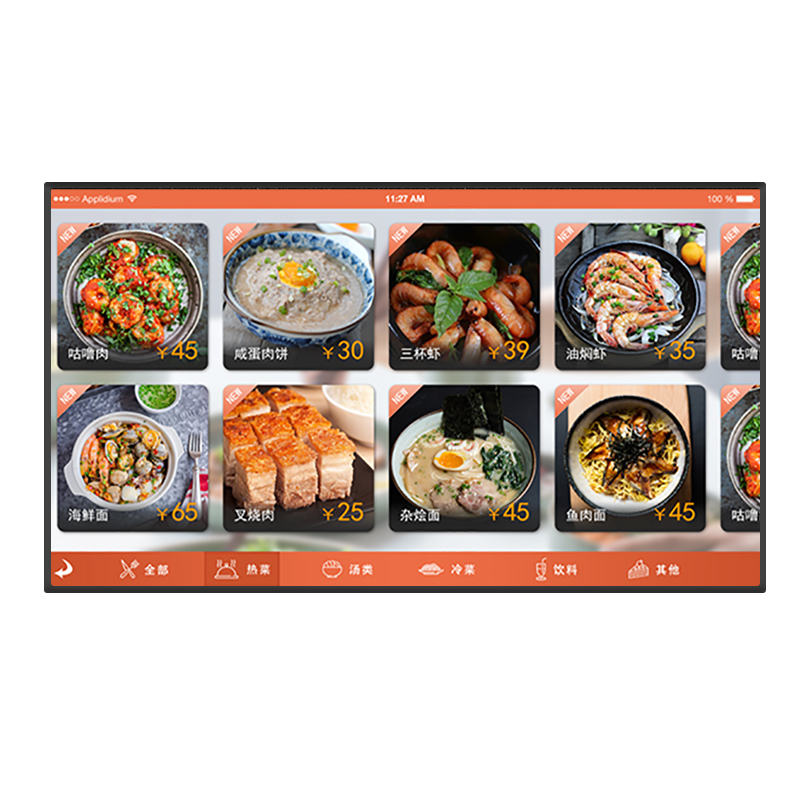
Menu displays have become essential tools for modern food service businesses seeking to drive sales and strengthen customer engagement. Whether in quick-service restaurants, cafés, or casual dining establishments, menu displays directly influence purchasing decisions and shape the entire customer experience. Effective menu displays go beyond simply listing available items—they strategically present offerings, highlight popular choices, and guide customers toward higher-value selections that boost both revenue and satisfaction.
The impact of menu displays extends far beyond aesthetics. Research in consumer behavior shows that well-designed menu displays reduce decision-making time, increase average transaction value, and improve operational efficiency. By combining visual appeal with strategic information presentation, menu displays create an environment where customers feel confident in their choices and businesses achieve measurable revenue growth.
How Menu Displays Drive Purchase Decisions
Visual Hierarchy and Strategic Placement
Menu displays work by guiding customer attention through deliberate visual design. The most effective menu displays use color contrast, positioning, and imagery to highlight high-margin items and seasonal offerings. When menu displays feature professional photography, clear descriptions, and strategic spacing, customers spend less time deciding and more time ordering, which naturally increases transaction frequency and basket size during peak hours.
Placement psychology is critical to how menu displays influence behavior. Menu displays positioned at eye level attract significantly more attention than lower or higher placements. Additionally, menu displays that group complementary items encourage cross-selling, while prominent placement of signature items builds brand identity. Strategic menu displays directly correlate with increased sales of promoted items, often seeing 20 to 40 percent uplift in targeted product sales.
Psychological Pricing and Value Perception
Menu displays shape how customers perceive value and pricing. Digital menu displays allow dynamic pricing strategies that shift throughout the day, promoting slower items during off-peak periods and premium offerings during peak times. When menu displays feature bundled options or combo deals prominently, customers perceive greater value, leading to higher conversion rates and larger average orders per transaction.
The presentation format of menu displays influences spending patterns substantially. Menu displays that remove price symbols or use smaller font sizes for pricing can reduce price sensitivity. Similarly, menu displays that highlight portion sizes and ingredient quality help justify premium pricing and reduce customer hesitation during the ordering process.
Engagement Benefits Through Dynamic Content
Real-Time Updates and Personalized Messaging
Digital menu displays enable real-time content changes that keep the customer experience fresh and relevant. Modern menu displays can display limited-time offers, flash promotions, or sold-out items instantly without manual intervention. This dynamic nature of menu displays creates a sense of urgency and encourages repeat visits as customers discover new offerings each time they visit.
Personalized messaging through menu displays increases emotional connection with customers. Menu displays that feature locally sourced items, sustainability messaging, or cultural relevance resonate more deeply with target audiences. When menu displays communicate brand values and storytelling alongside product information, customers develop stronger loyalty and are more likely to recommend the business to others.
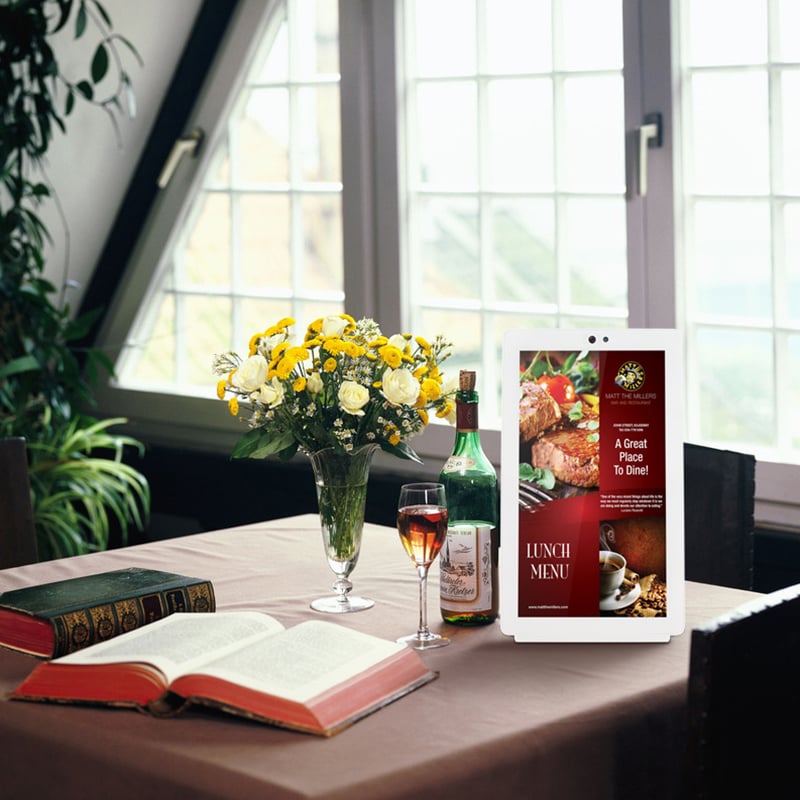
Multimedia Integration and Experience Enhancement
Menu displays that incorporate video content, animations, or high-resolution imagery dramatically improve engagement compared to static printed menus. Digital menu displays can showcase food preparation, customer testimonials, or ingredient sourcing videos that build trust and desire. The visual richness of interactive menu displays transforms the ordering process from a transactional necessity into an engaging brand experience that encourages longer dwell time and higher spending.
Accessibility features in modern menu displays also enhance engagement for diverse customer bases. Menu displays that offer multiple language options, allergen information, nutritional details, and dietary filtering options make customers feel valued and considered. These inclusive menu displays reduce ordering hesitation and support informed purchasing decisions that lead to higher satisfaction and repeat business.
Operational Efficiency and Customer Satisfaction
Reduced Wait Times and Order Accuracy
Clear, well-organized menu displays reduce the time customers spend deciding, which directly decreases queue wait times and improves perceived service quality. When menu displays present information logically with consistent formatting and visual cues, customers move through the ordering process faster. This efficiency gain translates to increased transaction volume during peak periods and higher customer satisfaction scores, as long lines and frustrated customers become less common.
Menu displays that integrate with ordering systems minimize communication errors between customers and staff. Self-service menu displays enable customers to review their selections before confirming orders, reducing mistakes and rework. This seamless integration improves operational efficiency while enhancing customer confidence in the accuracy of their purchases.
Data Collection and Continuous Improvement
Digital menu displays generate valuable data about which items attract attention, how long customers deliberate, and which promotions drive sales. This data-driven approach to menu management enables businesses to continuously optimize their menu displays based on actual customer behavior rather than assumptions. Menu displays that evolve based on performance metrics consistently outperform static alternatives in driving sales and engagement.
Menu displays that track engagement metrics help identify underperforming items or confusing presentations. By analyzing which menu displays generate the most attention and conversion, managers can refine visual design, adjust product descriptions, and test new promotional strategies. This continuous optimization cycle ensures that menu displays remain effective tools for driving sales and maintaining customer interest over time.
FAQ
How much can menu displays increase restaurant sales?
Menu displays typically increase sales by 10 to 30 percent, depending on implementation quality and existing customer base. Businesses that strategically use menu displays to highlight high-margin items, create urgency through limited-time offers, and improve presentation of premium products see the most significant revenue gains. The actual impact varies based on menu displays' visual quality, strategic placement, and alignment with customer preferences.
What makes menu displays more effective than traditional printed menus?
Digital menu displays outperform printed menus because they enable dynamic content updates, personalized messaging, and real-time adjustments to pricing or availability. Menu displays can incorporate multimedia elements, allergen warnings, and nutritional information without cluttering the visual presentation. Additionally, menu displays gather engagement data that helps businesses optimize offerings, while printed menus remain static and cannot adapt to changing demand patterns or seasonal offerings.
Can menu displays work for different types of food service businesses?
Yes, menu displays are effective across quick-service restaurants, fast-casual concepts, cafés, pizza shops, and casual dining establishments. Menu displays can be customized for different business models, from counter service to table service environments. The core principles of using menu displays to guide purchase decisions, increase perceived value, and engage customers apply universally, though the specific implementation details should align with each business's unique operational flow and customer demographics.


