 EN
EN

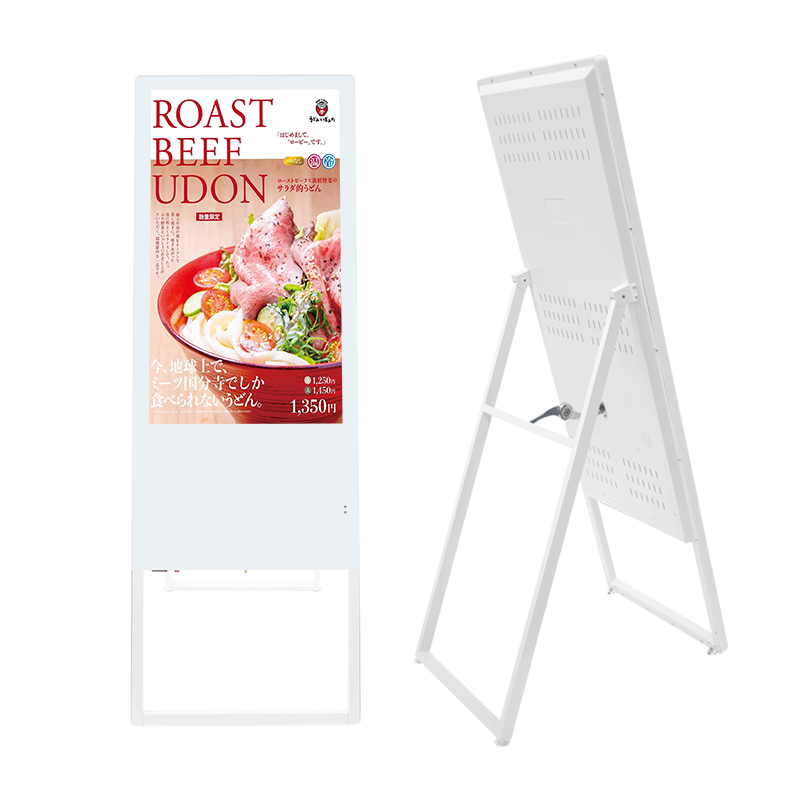
Installing a digital menu display represents a significant operational investment for restaurants, cafes, and food service establishments. Before committing resources to a digital menu display system, you must carefully evaluate multiple technical, financial, and operational factors that directly impact success. A poorly planned digital menu display installation can lead to workflow disruptions, employee resistance, customer confusion, and wasted capital. Conversely, a well-considered digital menu display deployment enhances operational efficiency, reduces ordering errors, improves customer experience, and strengthens competitive positioning. This guide walks you through the critical considerations that separate successful digital menu display implementations from costly failures.
The decision to install a digital menu display should not be made hastily or based on marketing claims alone. Your specific business context, customer demographics, operational complexity, and budget constraints all shape whether a digital menu display becomes an asset or a liability. Understanding these critical decision points before purchasing ensures your digital menu display aligns with actual business needs and delivers measurable value.
Hardware Specifications and Performance Requirements
Processing Power and Display Resolution
The hardware foundation of your digital menu display directly affects customer perception and operational reliability. A digital menu display must render menu items, pricing, promotional content, and updates smoothly without lag or visual degradation. Processing power determines how quickly your digital menu display responds to content updates from backend systems, while display resolution ensures menu text and food images remain crisp and visually appealing. For fast-casual and quick-service restaurants, a digital menu display with mid-range processors and 1080p resolution typically delivers adequate performance. High-end establishments or those requiring real-time video integration may need your digital menu display equipped with more powerful processors and 4K resolution to maintain brand presentation standards.
Durability and Environmental Tolerance
Your digital menu display operates in a demanding food service environment with temperature fluctuations, humidity, grease particles, and continuous operational stress. Before installing a digital menu display, verify that the hardware specifications include industrial-grade components rated for kitchen and customer-facing conditions. A digital menu display must feature robust cooling systems to handle extended operating hours without thermal degradation. Verify that your digital menu display has adequate dust and moisture protection, particularly if installed near cooking areas or in outdoor service windows. Selecting a digital menu display with reinforced construction ensures longevity and reduces unexpected maintenance costs that disrupt customer service.
Placement Strategy and Customer Visibility
Optimal Positioning for Maximum Impact
Strategic placement of your digital menu display fundamentally affects customer engagement and ordering efficiency. A poorly positioned digital menu display reduces visibility, confuses customers during peak ordering times, and diminishes the technology investment's return. Install your digital menu display directly above or adjacent to the ordering counter where customers naturally focus their attention while deciding what to purchase. For multi-lane drive-through operations, mount your digital menu display at eye level for each lane to prevent neck strain and ensure customers read full menu options. Vertical orientation typically works better than horizontal for menu content, though your specific architectural constraints may require your digital menu display to be horizontal. Test customer sightlines from multiple positions before finalizing installation to confirm your digital menu display remains readable from the furthest point in the ordering queue.
Lighting and Screen Glare Mitigation
Ambient lighting dramatically impacts whether customers can effectively view your digital menu display content. Install your digital menu display away from direct natural light sources and position it to minimize glare from overhead fixtures. A digital menu display loses its effectiveness when customers struggle to read menu options due to reflections or insufficient brightness. Many modern digital menu display systems include brightness sensors that automatically adjust screen intensity based on ambient conditions, but you should still evaluate your installation location for potential lighting conflicts. If your digital menu display cannot achieve adequate visibility due to architectural constraints, consider relocating it or implementing supplementary lighting solutions before completing installation.
Integration Capabilities and System Architecture
Point-of-Sale and Backend System Compatibility
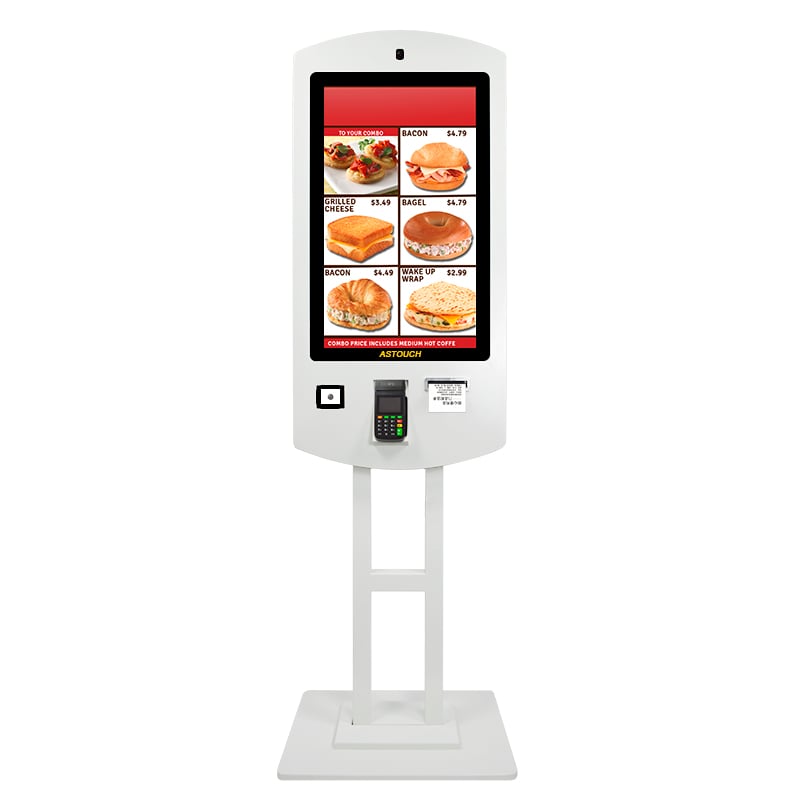
Your digital menu display must seamlessly integrate with existing point-of-sale systems, inventory management platforms, and payment processing infrastructure. Before installing a digital menu display, verify that the software interfaces with your current POS ecosystem to enable real-time menu updates, pricing synchronization, and promotional scheduling. A digital menu display that operates independently from your POS creates operational inefficiencies, requires manual content updates, and increases error risk. Poor integration forces staff to update your digital menu display separately from POS records, creating inconsistencies that confuse customers and damage trust. Ensure your digital menu display vendor provides technical support documentation and API specifications that demonstrate compatibility with your specific POS platform and version.
Content Management and Remote Updates
Operational flexibility depends on your digital menu display's content management capabilities. A quality digital menu display solution must allow staff to quickly adjust menu items, prices, and promotions without requiring technical expertise or vendor assistance. Evaluate whether your digital menu display supports scheduling promotional content for specific times, enabling seasonal menu rotations and limited-time offers. Remote content management functionality lets you update your digital menu display across multiple locations simultaneously, ensuring brand consistency and reducing administrative burden. Before installing a digital menu display, confirm the vendor provides an intuitive content management interface, adequate user training, and responsive support for troubleshooting content delivery issues.
Cost Analysis and Return on Investment Evaluation
Total Cost of Ownership Calculation
Purchase price represents only a fraction of your total investment when installing a digital menu display. Calculate total cost of ownership by including hardware, installation labor, software licensing, content creation, staff training, ongoing maintenance, technical support, and eventual replacement cycles. A digital menu display typically requires annual software updates and occasional hardware repairs that most businesses underestimate during budget planning. Compare these ongoing costs against your current menu board expenses and labor costs associated with manual menu updates. Some establishments find that digital menu display investment becomes profitable within 18 to 36 months through labor reduction and increased upselling capability, while others may require longer payback periods depending on operational complexity.
Revenue Lift and Operational Savings Measurement
Before installing a digital menu display, establish baseline metrics for measuring return on investment. Track ordering speed improvements, upsell rates on promotional items, inventory reduction through better demand visibility, and staff efficiency gains post-deployment. A strategic digital menu display installation typically increases average transaction value through effective visual presentation of premium items and limited-time promotions. Measure whether your digital menu display reduces labor time spent on manual menu changes, improves order accuracy by reducing misreading errors, and enables faster staff onboarding through clearer menu standardization. Document these metrics for six months post-installation to quantify actual returns and inform future technology investments.
FAQ
What size digital menu display should I install for my establishment?
Digital menu display sizing depends on customer viewing distance and service format. For counter-service locations, a 32-inch to 55-inch digital menu display positioned 4 to 8 feet away typically provides optimal readability. Drive-through operations may require larger digital menu display units ranging from 55 to 75 inches due to increased viewing distances from vehicles. A self-service ordering environment might benefit from a digital menu display positioned closer with smaller dimensions, while fast-casual restaurants with multiple lanes often require your digital menu display to be large enough for customers to read from queue back positions. Consult with your vendor about specific sightline testing to confirm your digital menu display size matches your operational layout.
How long does a digital menu display installation typically take?
Installation timeline for a digital menu display varies based on infrastructure requirements and location complexity. A straightforward single-unit digital menu display installation in an existing mounting location typically requires 2 to 4 hours of professional labor. More complex deployments involving structural modifications, electrical upgrades, or multi-unit coordination for a digital menu display system may require 1 to 3 business days. Factor in additional time for software configuration, POS integration testing, and staff training before your digital menu display becomes fully operational. Coordinate installation timing to minimize customer-facing disruptions, ideally scheduling your digital menu display setup during closed hours or low-traffic periods.
Can a digital menu display reduce food waste and improve inventory management?
A well-implemented digital menu display can significantly improve inventory control and reduce waste through real-time menu availability updates. When inventory levels drop below thresholds, your digital menu display can automatically remove items from the menu, preventing staff from selling products that are actually unavailable. This capability eliminates customer disappointment from out-of-stock items and prevents wasted preparation effort. A digital menu display also enables quick promotional rotations of high-inventory items, encouraging faster turnover and reducing spoilage risk. By providing visibility into slow-moving menu items, your digital menu display helps identify products requiring menu repositioning, bundle offerings, or promotional focus to improve overall inventory efficiency and profitability.


