 EN
EN

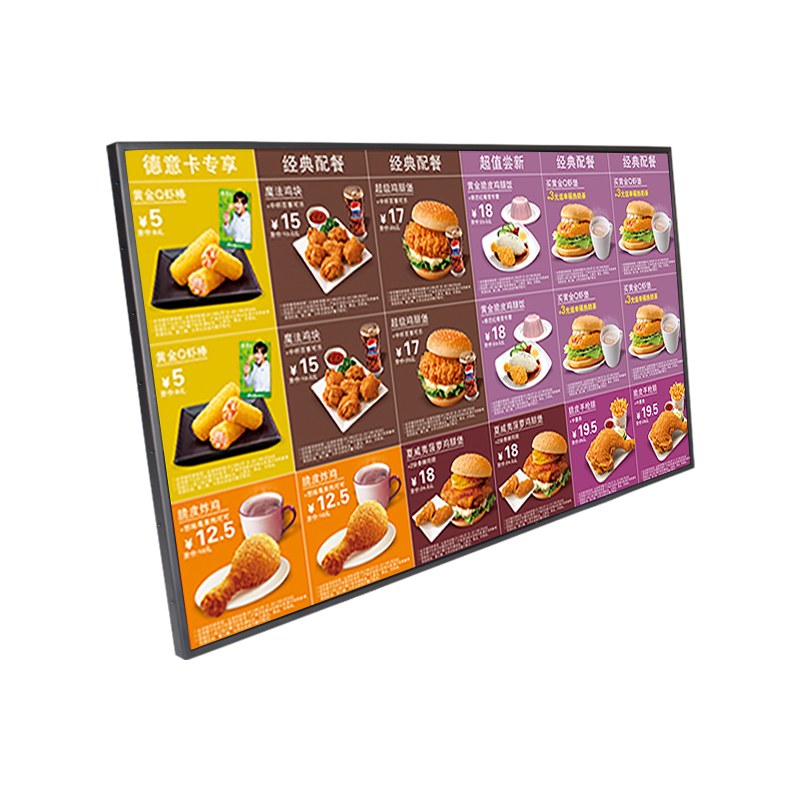
A well-designed menu display serves as the cornerstone of modern food service operations, directly influencing customer purchase decisions and operational efficiency. The visual presentation of menu items, pricing, and descriptions can significantly impact both customer satisfaction and average transaction value. Effective menu display design combines aesthetic appeal with functional clarity, ensuring that customers can quickly understand offerings while being drawn toward higher-margin items. In today's competitive hospitality landscape, investing in an attractive and strategically designed menu display has become essential for restaurants, cafes, quick-service establishments, and catering operations seeking to enhance their brand presence and drive revenue growth.
Understanding what transforms a basic menu display into a compelling marketing tool requires examining both design principles and practical implementation strategies. A menu display that balances visual hierarchy, readability, color psychology, and product photography creates an immersive experience that encourages customer engagement and repeat visits. Modern establishments recognize that every element of a menu display—from typography and spacing to lighting and digital integration—contributes to the overall customer experience and business performance.
Visual Hierarchy and Content Organization
Establishing Clear Priority Through Design
Visual hierarchy within a menu display directs customer attention toward featured items, bestsellers, and high-profit offerings. A strong menu display uses size differentiation, spacing, and positioning to create natural eye movement patterns that guide customers through options in a logical sequence. Premium items positioned in the upper right portion of a menu display—the 'prime real estate'—naturally attract focus due to how customers scan content. Strategic use of contrast, bold typography, and whitespace in your menu display separates sections and prevents overwhelming customers with information overload. When implemented thoughtfully, visual hierarchy transforms a menu display from a simple list into a persuasive tool that influences purchasing behavior while maintaining aesthetic appeal.
Information Density and Scannability
Effective menu display design balances comprehensive information with quick scannability. Customers typically spend only seconds reviewing a menu display before making decisions, making concise descriptions and clear categorization essential. A well-structured menu display groups related items logically—appetizers, mains, desserts, beverages—allowing customers to locate desired categories instantly. Adequate spacing between items within the menu display prevents a cluttered appearance and improves readability significantly. Font sizes within a menu display should accommodate various viewing distances and lighting conditions, ensuring that text remains legible whether customers view the display from two feet or twenty feet away. Professional menu display design recognizes that clarity and organization directly correlate with customer satisfaction and reduced confusion at ordering points.
Visual Aesthetics and Color Strategy
Color Psychology in Menu Display Design
Color selection profoundly influences customer perception and appetite stimulation within a menu display. Warm colors like red, orange, and yellow in a menu display trigger hunger responses and create feelings of urgency, making them ideal for promoting bestsellers or limited-time offerings. Cool colors in a menu display—blues and greens—convey freshness, health-consciousness, and sophistication, working particularly well for salads, vegetarian options, and premium beverages. A cohesive color scheme throughout your menu display strengthens brand identity and creates a professional appearance that builds customer trust. Strategic color combinations within the menu display can highlight pricing, create visual breaks between sections, and draw attention to signature dishes. Psychological research supports that customers perceive menu display options with warmer color backgrounds as more appealing and flavorful than identically-described items presented in cool color contexts.
Typography and Visual Appeal
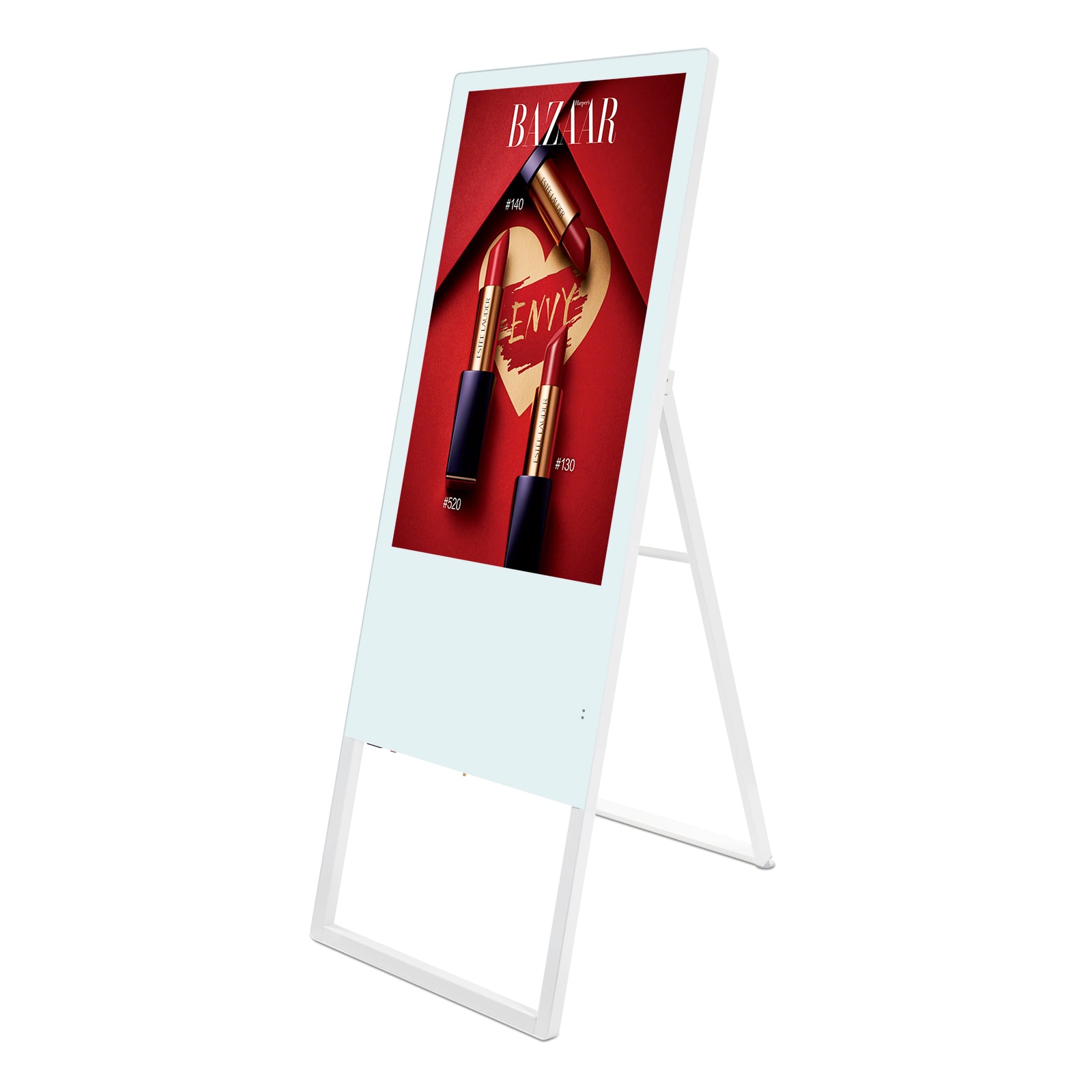
Font selection dramatically affects both the readability and perceived quality of a menu display. Professional menu display designs employ two to three complementary typefaces—one for headlines, one for descriptions, one for pricing—creating visual coherence without appearing monotonous. High-quality typography in a menu display suggests premium positioning, while playful fonts communicate casual, trendy establishments. Consistent font sizing throughout a menu display establishes hierarchy without requiring excessive visual complexity. Elegant spacing and typography choices elevate a basic menu display into a sophisticated communication medium that reflects brand values and attracts target demographics. Digital menu displays offer additional advantages through font consistency, ease of updates, and the ability to animate typography elements that capture customer attention dynamically.
Product Photography and Imagery
High-Quality Imagery Impact on Customer Decisions
Professional food photography within a menu display significantly increases perceived value and customer willingness to purchase items. High-resolution, well-lit images of signature dishes in your menu display create emotional connections and reduce purchase uncertainty. Consistent photography style and lighting throughout a menu display reinforces brand identity and creates a cohesive visual experience. Images in a menu display should showcase product appeal authentically, presenting realistically appealing presentations rather than unrealistic professional styling that frustrates customers upon receiving actual dishes. Strategic image placement within a menu display—pairing photos with premium items while using icons or simple graphics for commodity items—optimizes visual budget and maintains focus on highest-value offerings. Quality imagery transforms a menu display from a functional necessity into a powerful marketing asset that communicates brand professionalism and product excellence.
Consistency and Brand Storytelling
A cohesive visual identity throughout a menu display strengthens brand recognition and customer connection. Consistent filters, color grading, and photography angles within menu display images create a recognizable style that customers associate with your establishment. Thematic elements—such as ingredient spotlights or behind-the-scenes preparation imagery—in a digital menu display tell your brand story and build emotional engagement. Strategic use of imagery within a menu display communicates quality standards and operational excellence. When every visual element of a menu display aligns with overall brand positioning, customers develop stronger associations with your establishment and perceive greater value in offerings. This cohesion transforms a menu display into a storytelling vehicle that transcends simple product listing.
Interactive Elements and Digital Features
Dynamic Content and Customization Options
Modern digital menu display systems enable real-time updates, dynamic pricing, and personalized recommendations that static menus cannot achieve. A menu display utilizing digital technology can promote different items during peak hours, emphasize seasonal specials, and respond to inventory changes immediately. Interactive menu display features—such as filtering options for dietary preferences, allergen information, and nutritional data—enhance customer experience and reduce service pressure. menu display technology now includes touch-screen functionality that allows customers to explore detailed descriptions, customize options, and complete transactions seamlessly. Animation and motion graphics within a menu display capture attention more effectively than static presentations while conveying professionalism. These technological enhancements transform a menu display from a passive information source into an active engagement tool that improves customer satisfaction metrics.
Accessibility and Customer Experience
Accessibility considerations significantly enhance menu display effectiveness across diverse customer populations. Adequate contrast ratios within a menu display ensure readability for customers with vision impairments or in varying lighting conditions. Font sizes accommodating different viewing distances and ages maximize menu display usability across your entire customer base. Digital menu display systems can offer multi-language support, addressing diverse populations and expanding market reach. Simplified navigation and intuitive interface design within a menu display reduce cognitive load and ordering time. Inclusive design practices throughout a menu display demonstrate respect for all customers and improve overall satisfaction scores. These accessibility features transform a menu display into a genuinely customer-centric tool rather than a one-size-fits-all communication system.
FAQ
What specific menu display features most influence customer purchase decisions?
The most impactful menu display features include high-quality food photography, strategic color usage that emphasizes premium items, clear visual hierarchy that directs attention, and concise descriptions that communicate value. Professional food imagery within a menu display increases perceived quality and purchase likelihood significantly. Color psychology applications in a menu display—using warm colors for specials, cool colors for healthy options—measurably influence customer choices. The positioning of items within a menu display follows proven eye-tracking patterns, with items in the upper right portion receiving disproportionate attention. Together, these menu display elements create persuasive frameworks that guide customers toward intended purchases while maintaining satisfaction with their selections.
How does digital menu display technology improve operational efficiency?
Digital menu display systems eliminate printing costs, enable real-time updates without waste, and allow dynamic pricing responses to demand fluctuations and inventory levels. A menu display powered by digital technology can adjust item visibility based on preparation time, ingredient availability, and kitchen capacity. Remote management capabilities enable centralized menu display updates across multiple locations simultaneously, ensuring consistency and reducing labor. Real-time sales data integration with a menu display system provides insights into which items attract most attention, informing menu optimization and marketing strategies. Speed of service improves when customers access detailed information, allergen data, and customization options directly through a menu display interface rather than requiring staff explanation. These operational benefits translate directly into cost reduction, staff efficiency gains, and improved customer throughput.
Can a menu display alone significantly impact restaurant revenue and profitability?
While a menu display cannot single-handedly create success, strategic menu display design directly influences revenue through improved item visibility, guided upselling, and increased average transaction values. Research demonstrates that well-designed menu display presentation increases premium item sales by fifteen to thirty percent through visual prominence and persuasive design techniques. A menu display emphasizing high-margin items through strategic positioning, photography, and color coding directly improves profit margins. Professional menu display implementation reduces customer decision paralysis and improves satisfaction, encouraging repeat visits and positive word-of-mouth marketing. When combined with quality products and service, an optimized menu display becomes a revenue acceleration tool that pays for itself through improved sales performance. The investment in menu display excellence delivers measurable returns across multiple business metrics.


