EN
EN
Across virtually every sector of modern industry, the demand for accuracy, speed, and process reliability has never been greater. A checking machine has become a cornerstone technology for organizations that cannot afford errors in their operations, whether those errors involve product quality, data accuracy, customer identity, or transactional integrity. As industries grow more complex and regulatory expectations tighten, the role of the checking machine has expanded well beyond simple inspection tasks into a sophisticated layer of operational intelligence.
Understanding which industries benefit most from checking machine solutions requires looking at where verification, validation, and real-time data processing create the highest measurable value. From manufacturing floors to public service environments, the checking machine addresses a consistent set of challenges: reducing human error, accelerating throughput, ensuring compliance, and improving the end-user experience. This article explores the industries where these benefits are most pronounced and explains why the checking machine has become an indispensable operational asset in each context.
Manufacturing and Quality Control
Precision Verification on the Production Line
Manufacturing is arguably the industry where the checking machine has the longest history and the deepest integration. In production environments, every component, assembly, and finished product must meet dimensional, functional, and cosmetic standards before it moves to the next stage. A checking machine deployed on the production line performs continuous, automated inspection at speeds that no human team could match, catching defects in real time and preventing non-conforming parts from advancing through the process.
The value here is not just about catching bad parts. It is about generating data. Modern checking machine systems record every measurement, flag every deviation, and feed that information into quality management platforms where engineers can identify trends, trace root causes, and make process adjustments before defect rates escalate. This transforms quality control from a reactive function into a proactive one.
Industries such as automotive, aerospace, electronics, and precision engineering rely on the checking machine to maintain tolerances that are often measured in microns. In these environments, a single out-of-spec component can compromise an entire assembly, making the checking machine not just a quality tool but a risk management instrument.
Packaging and Label Verification
Beyond dimensional inspection, the checking machine plays a critical role in packaging lines where label accuracy, barcode readability, fill levels, and seal integrity must all be verified before products leave the facility. In food and beverage manufacturing, for example, a mislabeled allergen or an incorrect expiry date can trigger costly recalls and serious regulatory consequences.
A checking machine integrated into the packaging line reads barcodes, verifies label content against database records, checks fill weights, and confirms seal quality at line speed. This level of automated verification ensures that every unit leaving the facility meets both internal standards and external regulatory requirements, protecting the brand and the consumer simultaneously.
Retail and Self-Service Environments
Streamlining Customer Verification and Transactions
Retail has undergone a significant transformation driven by self-service technology, and the checking machine sits at the heart of that shift. In modern retail environments, checking machine solutions handle everything from price verification and inventory scanning to customer identity confirmation and loyalty program validation. These systems reduce queue times, lower labor costs, and improve the consistency of the customer experience.
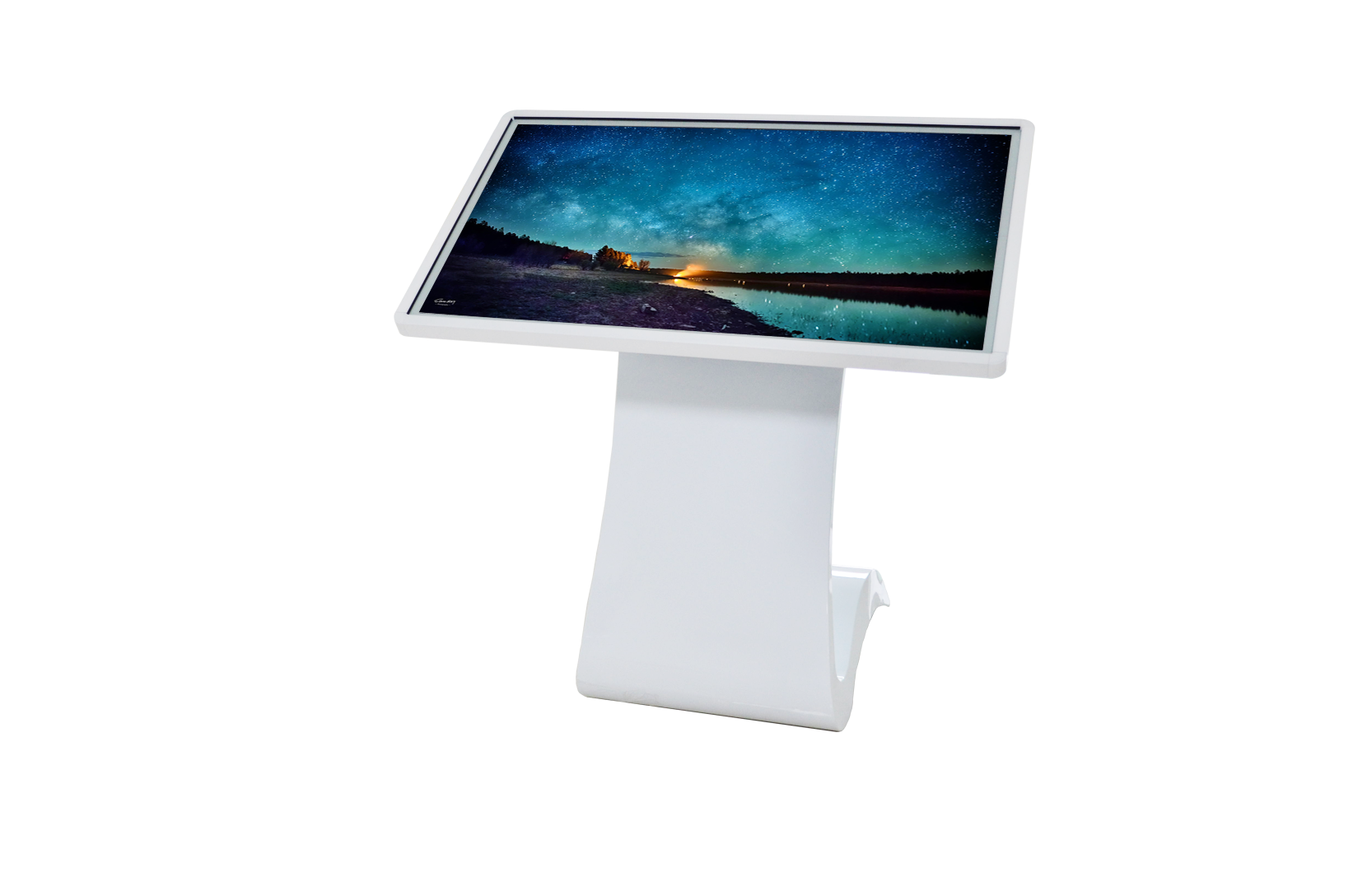
Self-service kiosks equipped with checking machine functionality allow customers to verify product information, check stock availability, confirm pricing, and complete transactions without requiring staff intervention. This is particularly valuable in high-traffic retail settings where staffing constraints make it impossible to provide one-on-one service to every customer. The checking machine effectively scales the service capacity of the retail environment without proportionally scaling the headcount.
For retailers managing large SKU counts, the checking machine also provides a reliable mechanism for price accuracy audits. Automated checking machine systems can scan shelf labels, compare them against the point-of-sale database, and flag discrepancies before they reach the checkout, reducing pricing errors and the customer disputes that follow.
Public Information and Inquiry Kiosks
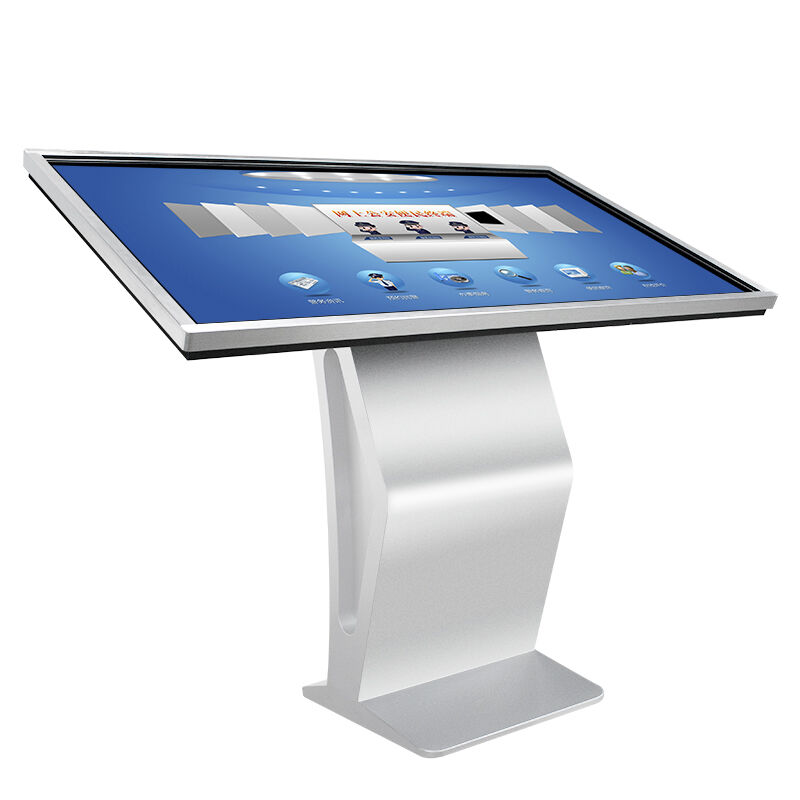
In public-facing retail and service environments, the checking machine concept extends into information inquiry kiosks that allow customers or visitors to check product details, service options, account status, or wayfinding information independently. These kiosks function as always-available checking machine interfaces, providing accurate, real-time information without requiring a staff member to be present.
The benefit to the retail operator is significant. Staff can be redirected to higher-value interactions while the checking machine kiosk handles routine inquiries. The benefit to the customer is equally clear: faster access to accurate information, reduced waiting, and a more empowered shopping experience. In large format retail, hospitality, and public service settings, this type of checking machine deployment has become a standard expectation rather than a differentiator.
Healthcare and Pharmaceutical Industries
Medication Verification and Patient Safety
In healthcare, the consequences of verification failures are measured not in financial terms alone but in patient outcomes. The checking machine has become a critical safeguard in pharmaceutical manufacturing, hospital dispensing, and clinical supply chain management. Automated checking machine systems verify medication identity, dosage, packaging integrity, and expiry dates at every stage of the supply chain, creating a documented chain of custody that supports both patient safety and regulatory compliance.
In hospital pharmacy environments, the checking machine reduces the risk of dispensing errors by cross-referencing prescription data against medication barcodes before drugs are prepared or administered. This layer of automated verification supplements human checking processes and provides an auditable record that is increasingly required by healthcare accreditation bodies.
Pharmaceutical manufacturers rely on the checking machine to verify serialization codes, tamper-evident seals, and label accuracy as part of track-and-trace compliance programs. Regulatory frameworks in major markets now mandate this level of verification, making the checking machine not just a quality tool but a legal requirement for market access.
Diagnostic and Laboratory Applications
Clinical laboratories use checking machine technology to verify sample identity, confirm test parameters, and validate instrument calibration before results are reported. In high-volume diagnostic environments, the checking machine ensures that samples are correctly matched to patient records, that reagents are within specification, and that equipment is performing within validated ranges. These checks are essential for diagnostic accuracy and for maintaining laboratory accreditation.
The checking machine in this context operates as both a quality gate and a compliance tool, generating the documentation that laboratories need to demonstrate process control to regulatory inspectors and accreditation auditors. As diagnostic volumes increase and turnaround time expectations tighten, the automated checking machine becomes essential for maintaining both speed and accuracy.
Logistics, Warehousing, and Supply Chain
Inbound and Outbound Verification
Logistics operations depend on the accurate movement of goods, and the checking machine is the primary tool for ensuring that what is received, stored, and shipped matches what was ordered and invoiced. At inbound receiving docks, checking machine systems scan barcodes, verify quantities, check for damage, and confirm that shipment contents match purchase order data. This automated verification process reduces receiving errors, accelerates dock throughput, and creates an accurate inventory record from the moment goods enter the facility.
At the outbound stage, the checking machine performs a parallel function, verifying that pick lists have been fulfilled correctly, that items are correctly labeled for their destination, and that shipment documentation matches the physical contents of each consignment. In e-commerce fulfillment environments where order accuracy is a direct driver of customer satisfaction and return rates, the checking machine is a critical operational asset.
Third-party logistics providers and contract warehouses use the checking machine to provide their clients with documented proof of process compliance, supporting service level agreements and enabling rapid dispute resolution when discrepancies arise. The data generated by the checking machine becomes a shared record that protects both the logistics provider and the client.
Cold Chain and Perishable Goods Management
In cold chain logistics, the checking machine extends its role to include temperature verification, condition monitoring, and shelf-life validation. Perishable goods must be checked not only for identity and quantity but also for the integrity of the cold chain they have traveled through. Automated checking machine systems integrated with temperature logging devices can verify that goods have remained within specified temperature ranges throughout transit, providing the documentation required for food safety compliance and pharmaceutical cold chain certification.
This application of the checking machine is particularly valuable in international supply chains where goods pass through multiple handling points and temperature excursions are difficult to detect without automated monitoring. The checking machine provides an objective, tamper-resistant record that supports both regulatory compliance and commercial dispute resolution.
Government, Public Services, and Transportation
Identity and Document Verification
Government agencies and public service organizations use checking machine solutions extensively for identity verification, document authentication, and eligibility confirmation. Border control, immigration processing, voter registration, and benefits administration all rely on checking machine technology to verify the authenticity of identity documents, confirm biometric data, and cross-reference applicant information against authoritative databases.
The checking machine in these environments must operate with a high degree of accuracy and auditability, as errors can have serious legal and social consequences. Automated checking machine systems reduce the processing time for routine verifications while maintaining the documentation standards required for government accountability and legal defensibility.
In transportation hubs such as airports, rail terminals, and ferry ports, the checking machine handles passenger identity verification, ticket validation, and baggage reconciliation at scale. These systems process thousands of transactions per hour while maintaining the accuracy and security standards required by aviation and transport authorities. The checking machine is what makes high-volume, high-security passenger processing operationally feasible.
Self-Service Public Information Systems
Municipal governments and public institutions deploy checking machine solutions in the form of self-service information kiosks that allow citizens to check service availability, verify application status, access public records, and complete routine administrative transactions without visiting a service counter. These systems reduce the administrative burden on public service staff while improving citizen access to information and services.
The checking machine in this context serves as a public-facing verification and information interface, confirming citizen identity, validating eligibility for services, and providing accurate, up-to-date information on demand. As governments face increasing pressure to deliver more services with constrained budgets, the checking machine kiosk represents a scalable, cost-effective solution for improving service delivery without proportionally increasing staffing costs.
FAQ
What makes a checking machine different from a standard inspection system?
A checking machine typically combines automated sensing, data processing, and decision logic to verify multiple parameters simultaneously and in real time, whereas a standard inspection system may only perform a single type of check or require manual interpretation of results. The checking machine is designed for integration into operational workflows, generating actionable data and audit records rather than simply flagging pass or fail outcomes.
Can a checking machine be adapted for different industries without significant reconfiguration?
Modern checking machine platforms are increasingly designed with modular architectures and configurable software that allow them to be adapted for different verification tasks across industries. However, the specific sensors, interfaces, and compliance requirements vary significantly between sectors, so while the core checking machine technology may be transferable, meaningful deployment in a new industry context typically requires application-specific configuration and validation.
How does a checking machine contribute to regulatory compliance?
The checking machine contributes to regulatory compliance by providing automated, documented verification of process parameters, product specifications, and identity data at defined points in the operational workflow. The audit trails generated by a checking machine system serve as evidence of process control, which is required by regulatory frameworks in industries including pharmaceuticals, food production, financial services, and government administration.
What should organizations consider when selecting a checking machine solution for their industry?
Organizations should evaluate checking machine solutions based on the specific verification tasks required, the throughput and accuracy demands of their operational environment, the integration requirements with existing systems, and the compliance documentation capabilities of the platform. It is also important to assess the scalability of the checking machine solution and the vendor's ability to support ongoing calibration, maintenance, and software updates as operational requirements evolve.
Table of Contents
- Manufacturing and Quality Control
- Retail and Self-Service Environments
- Healthcare and Pharmaceutical Industries
- Logistics, Warehousing, and Supply Chain
- Government, Public Services, and Transportation
-
FAQ
- What makes a checking machine different from a standard inspection system?
- Can a checking machine be adapted for different industries without significant reconfiguration?
- How does a checking machine contribute to regulatory compliance?
- What should organizations consider when selecting a checking machine solution for their industry?