EN
EN

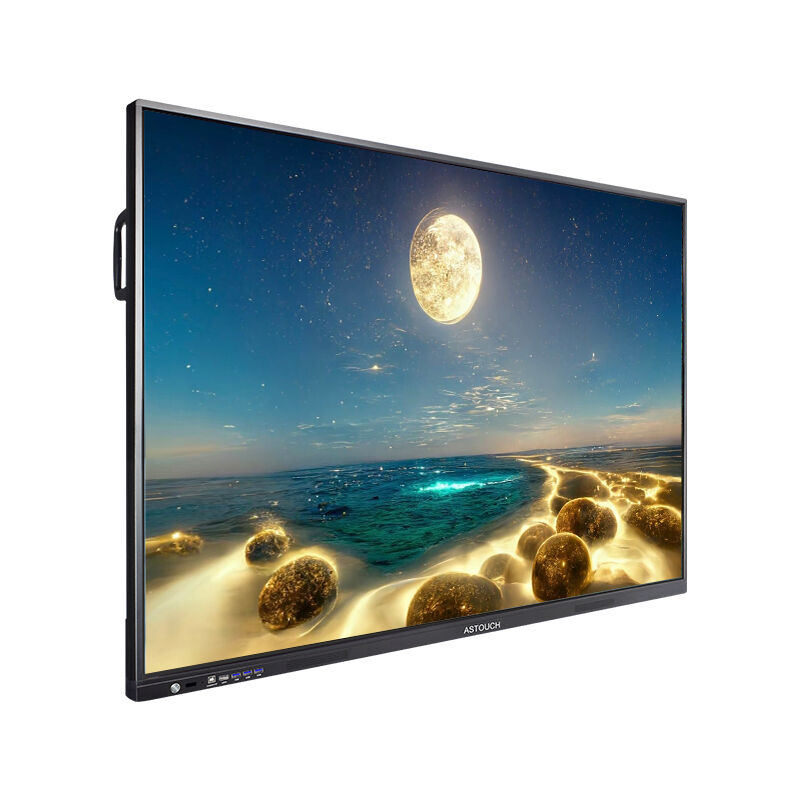
Digital transformation has become a strategic imperative for organizations across all industries, fundamentally reshaping how businesses operate, engage with customers, and deliver value. At the heart of this transformation lies the need for advanced technologies that enable seamless collaboration, data-driven decision-making, and enhanced communication. Interactive displays have emerged as powerful enablers in this journey, bridging the gap between traditional analog processes and modern digital workflows. These sophisticated devices do far more than simply present information—they create dynamic environments where teams can interact with data in real-time, foster innovation through collaborative engagement, and accelerate the pace of organizational change that defines successful digital transformation initiatives.
Understanding how interactive displays support digital transformation requires examining the fundamental mechanisms through which these technologies drive organizational change. Unlike passive display solutions, interactive displays transform users from passive consumers of information into active participants who manipulate, annotate, and collaborate around digital content. This shift from one-way communication to multi-directional engagement creates the foundation for digitally transformed work environments where information flows freely, decisions happen faster, and innovation flourishes. Throughout this exploration, we will examine the specific ways these advanced display technologies enable the core pillars of digital transformation: enhanced collaboration capabilities, data accessibility and visualization, process digitization, remote work enablement, and cultural evolution toward technology adoption.
Enabling Real-Time Collaboration and Breaking Down Silos
Creating Unified Digital Workspaces
Interactive displays serve as centralized digital hubs that consolidate information from disparate sources into unified visual workspaces. In traditional environments, teams often struggle with information scattered across multiple platforms, file systems, and physical locations. Interactive displays address this fragmentation by providing a single touchpoint where content from cloud services, enterprise applications, and local networks converges. This consolidation eliminates the friction inherent in switching between devices and platforms, allowing teams to focus on substantive work rather than technical logistics. The ability to seamlessly pull up documents, spreadsheets, design files, and web-based applications on a shared interactive surface fundamentally changes how collaborative work unfolds.
The transformation extends beyond simple content aggregation. Interactive displays enable simultaneous multi-user interaction, where multiple team members can manipulate different elements on the screen concurrently. This parallel engagement model contrasts sharply with traditional presentation formats where one person controls the display while others passively observe. When marketing teams review campaign materials, engineers troubleshoot technical diagrams, or executives analyze business intelligence dashboards on interactive displays, the collaborative dynamic shifts from sequential turn-taking to true simultaneous co-creation. This capability directly supports digital transformation by embodying the collaborative principles that underpin modern agile methodologies and cross-functional team structures.
Facilitating Cross-Departmental Integration
Digital transformation demands that organizations break down traditional departmental boundaries and foster cross-functional collaboration. Interactive displays provide the technological infrastructure to make this integration practical and effective. When sales, operations, and finance teams gather around an interactive display to review quarterly performance, they can collectively interrogate the data, identify patterns, and develop integrated strategies in real-time. The tactile nature of interaction removes hierarchical barriers—a junior analyst can step forward and manipulate the data visualization just as easily as a senior executive, democratizing participation and encouraging diverse perspectives.
These collaborative sessions on interactive displays generate documentation and artifacts that persist beyond the meeting itself. Annotations, decisions, and action items captured during interactive sessions can be saved and distributed instantly to all participants, creating continuity between collaborative moments and ensuring that insights gained translate into executable plans. This continuous thread of digital documentation supports transformation by replacing informal verbal discussions that evaporate after meetings with persistent digital records that drive accountability and follow-through. Organizations implementing interactive displays report significant improvements in cross-departmental alignment and reduced miscommunication, both critical success factors in digital transformation initiatives.
Accelerating Decision-Making Cycles
Speed of decision-making represents a competitive advantage in digitally transformed organizations. Interactive displays compress decision cycles by enabling teams to immediately visualize scenarios, compare alternatives, and test assumptions without waiting for offline analysis or technical support. When leadership teams can directly manipulate financial models, adjust operational parameters, or reconfigure resource allocations on an interactive display during strategy sessions, the traditional delay between question and answer collapses. This real-time analytical capability transforms meetings from information-sharing exercises into decision-making forums where questions get answered immediately and commitments get made with fuller understanding.
The immediacy that interactive displays bring to collaborative decision-making cascades throughout organizations. Product development teams can iterate on designs in real-time during review sessions rather than cycling through multiple offline revision rounds. Operations teams can respond to disruptions by collectively problem-solving around live data streams displayed on interactive screens. Marketing teams can refine campaign strategies by directly manipulating customer segmentation models and immediately seeing projected outcomes. This acceleration of insight-to-action cycles exemplifies how interactive displays operationalize the agility and responsiveness that define digitally transformed enterprises.
Transforming Data Access and Visualization Capabilities
Democratizing Data Through Intuitive Interfaces
One of the most significant barriers to digital transformation involves making data accessible and actionable for users without specialized technical skills. Interactive displays address this challenge by providing intuitive touch interfaces that allow business users to directly explore data without depending on IT intermediaries or data analysts. When executives can touch a chart to drill down into underlying details, operations managers can swipe through dashboard views to find relevant metrics, or frontline supervisors can tap through process workflows to identify bottlenecks, organizations achieve true data democratization. This self-service capability accelerates transformation by empowering decision-makers at all levels to leverage information assets independently.
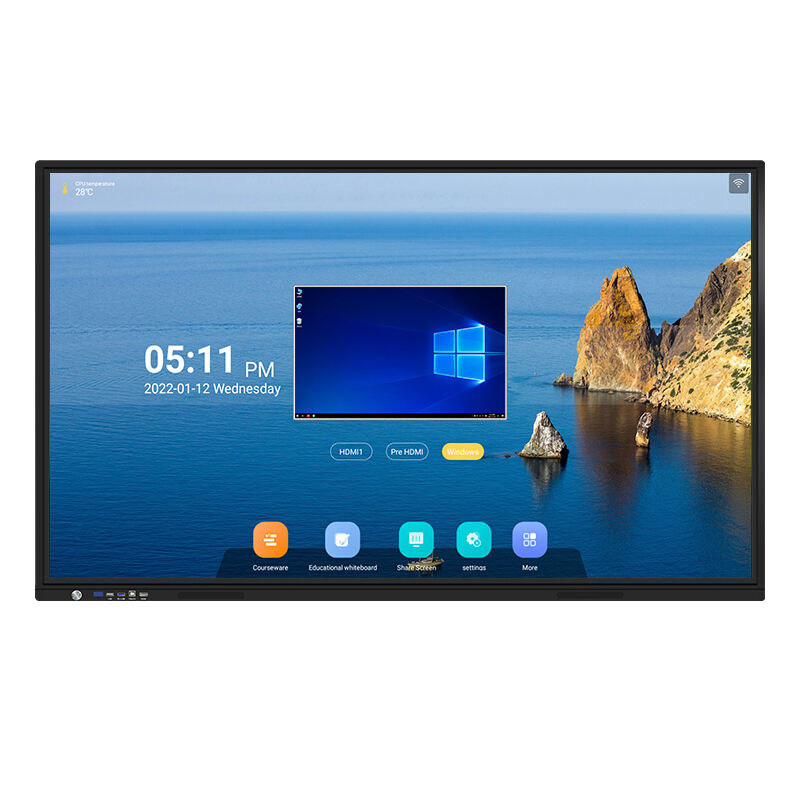
The visual nature of interactive displays transforms abstract data into tangible insights that stakeholders can literally grasp and manipulate. Complex datasets that would overwhelm users in spreadsheet format become comprehensible when visualized as interactive charts, maps, or network diagrams on large-format displays. Users can zoom into details, filter dimensions, highlight correlations, and compare timeframes through simple gestures, making sophisticated data exploration accessible to non-technical audiences. This accessibility directly supports digital transformation goals by ensuring that data-driven decision-making extends beyond analytics specialists to become embedded in everyday operational and strategic conversations throughout the organization.
Supporting Real-Time Business Intelligence
Digital transformation relies heavily on organizations shifting from periodic reporting to continuous monitoring of business performance. Interactive displays enable this shift by serving as persistent windows into real-time business intelligence systems. When key performance indicators, operational metrics, and market data stream continuously to strategically placed interactive displays, organizations create ambient awareness of business conditions that informs decision-making implicitly and explicitly. Manufacturing floors display production metrics that shift supervisors monitor to optimize throughput. Customer service centers show queue depths and satisfaction scores that team leads use to dynamically allocate resources. Executive suites present integrated dashboards that leadership teams consult throughout the day to maintain situational awareness.
The interactivity dimension elevates these displays beyond passive dashboards. When anomalies appear or thresholds breach, users can immediately interact with the display to investigate root causes, compare historical patterns, or drill into transactional details. This investigative capability transforms static monitoring into active intelligence gathering. Supply chain managers noticing inventory anomalies can touch the relevant metric on an interactive display and immediately see which suppliers, products, or locations drive the variance. Sales directors observing pipeline changes can interact with the visualization to understand which deals moved, which sales representatives drove the changes, and what competitive factors influenced outcomes. This immediate investigative capability exemplifies how interactive displays operationalize the real-time responsiveness central to digital transformation.
Enhancing Visual Communication of Complex Concepts
Digital transformation often involves introducing complex new processes, systems, or business models that stakeholders must understand and embrace. Interactive displays provide powerful vehicles for communicating these complexities through visual, interactive experiences that build comprehension more effectively than traditional presentation methods. When change management teams use interactive displays to walk employees through new workflows, allowing them to literally touch and manipulate process diagrams to see how information flows or decisions cascade, abstract concepts become concrete and understandable. This experiential learning accelerates adoption and reduces resistance by making transformation initiatives tangible and comprehensible.
The scale and resolution of modern interactive displays allow organizations to present comprehensive system views that would be impossible through traditional media. Enterprise architecture teams can display entire technology landscapes where stakeholders can zoom into specific applications, trace data flows between systems, or explore integration patterns. Strategy teams can visualize complete value chains where participants can interact with each node to understand value creation, cost structures, or competitive positioning. This ability to present holistic views while maintaining drill-down detail supports transformation by ensuring stakeholders understand both the big picture and the granular implications of strategic initiatives, fostering informed buy-in and reducing misalignment.
Digitizing Physical Processes and Workflows
Replacing Paper-Based Operations
Many organizations pursuing digital transformation still rely on paper-based processes for critical workflows—work orders, quality checklists, training materials, compliance documentation, and operational procedures. Interactive displays provide digital alternatives that preserve the tactile, visual nature of paper while adding the advantages of digital systems. Manufacturing facilities replace paper work instructions with interactive displays at workstations where operators can view procedures, confirm completion steps, and record observations directly on screen. Healthcare facilities use interactive displays for patient care protocols where nurses can navigate treatment guidelines, document interventions, and access patient records without juggling paper charts and computer terminals.
This digitization delivers transformation benefits beyond simple paper elimination. Digital workflows on interactive displays integrate with backend systems to ensure data flows seamlessly between operational execution and enterprise information systems. When quality inspectors record findings on interactive displays, that data immediately populates quality management systems, triggers corrective action workflows, and updates statistical process control charts without manual transcription. When training coordinators use interactive displays for employee onboarding, completion data automatically updates learning management systems and HR records. This integration eliminates the disconnects and delays inherent in paper-based processes, accelerating information flow and improving data accuracy—both fundamental digital transformation outcomes.
Enabling Digital Annotation and Mark-Up
Many professional workflows involve reviewing, annotating, and marking up visual content—architectural drawings, product designs, marketing materials, legal documents, or strategic plans. Interactive displays transform these review processes from cumbersome print-review-scan cycles into fluid digital experiences. Design teams can display CAD drawings on interactive displays where engineers and architects collectively annotate, suggest modifications, and sketch alternatives directly on the digital surface. The annotations persist as digital layers that can be selectively displayed, shared with remote stakeholders, or incorporated into revision management systems without degrading the underlying design fidelity.
The collaborative nature of digital annotation on interactive displays accelerates iteration cycles critical to transformation. When marketing teams review campaign materials on interactive displays, designers, copywriters, and brand managers can simultaneously mark up different elements, discuss changes in real-time, and immediately see how modifications affect the overall composition. This parallel review process collapses what traditionally required multiple sequential review rounds into single collaborative sessions. The digital annotations become part of an auditable record showing how creative decisions evolved, supporting both quality assurance and institutional learning. Organizations report that moving design review processes to interactive displays reduces time-to-market by thirty to fifty percent while improving design quality through richer collaborative input.
Streamlining Approval Workflows
Digital transformation often stalls when approval processes remain anchored in physical presence and wet signatures. Interactive displays enable digital approval workflows that maintain the collaborative review benefits of in-person sessions while adding the efficiency and traceability of digital systems. Budget review sessions conducted around interactive displays allow finance teams and department heads to collectively navigate budget proposals, annotate specific line items with questions or clarifications, and record approval decisions directly in the system. Contract negotiations using interactive displays let legal teams and business stakeholders review terms together, mark up provisions requiring revision, and electronically sign final agreements without printing physical copies.
These digital approval processes on interactive displays integrate with enterprise workflow systems to automatically route approved items to next steps, notify relevant stakeholders, and update project management systems. When a product development milestone receives approval during an interactive display review session, that decision can immediately trigger manufacturing preparation, update project schedules, and alert supply chain teams to begin component procurement—all without manual communication or data entry. This seamless flow from collaborative decision to automated execution exemplifies how interactive displays operationalize the process integration central to digital transformation, eliminating the gaps where decisions made in meetings fail to translate into timely action.
Bridging Physical and Virtual Workforces
Enabling Hybrid Meeting Experiences
The rise of distributed work represents both a driver and consequence of digital transformation. Interactive displays have evolved to bridge physical and virtual participants, creating hybrid meeting experiences where remote attendees enjoy equivalent participation to in-room colleagues. Advanced interactive displays integrate video conferencing capabilities with collaborative software platforms, allowing remote participants to see and interact with the same digital canvas as physical attendees. When design teams review prototypes, engineers in the conference room and remote colleagues in other offices can simultaneously annotate the 3D model displayed on the interactive screen, with all contributions visible to everyone regardless of location.
This equitable participation fundamentally changes hybrid work dynamics. Traditional video conferences often marginalize remote participants who struggle to see whiteboards, contribute to discussions dominated by in-room conversations, or access materials displayed on screens positioned for physical attendees. Interactive displays configured for hybrid work display remote participants prominently alongside shared content, ensure that annotations from virtual attendees appear immediately and visibly, and provide audio systems that capture all voices clearly. Organizations implementing interactive displays for hybrid collaboration report significant improvements in remote employee engagement, idea contribution, and satisfaction—all critical factors in successful digital transformation initiatives that increasingly depend on distributed workforce models.
Facilitating Global Team Coordination
Global enterprises pursuing digital transformation must coordinate activities across time zones, geographies, and cultural contexts. Interactive displays serve as persistent collaboration spaces that transcend temporal and spatial boundaries. Project teams use interactive displays as digital war rooms where progress, issues, and decisions remain continuously visible and accessible. When European team members end their workday, they leave annotated project plans and updated status information on the interactive display. Asian colleagues arriving at their offices hours later can review the updates, add their contributions, and pose questions that American team members will address when they begin their day. This asynchronous but continuous collaboration maintains momentum across time zones that traditional meeting-dependent coordination cannot achieve.
The ability to save and share interactive display sessions creates institutional memory that supports distributed teams. Complex troubleshooting sessions where engineering teams collectively diagnose system issues can be recorded as they unfold on interactive displays, capturing not just final conclusions but the investigative process itself. These recordings become training materials for new team members, reference documentation for similar future issues, and evidence of due diligence for quality audits. Manufacturing organizations use interactive displays to conduct virtual gemba walks where corporate leadership can remotely participate in shop floor reviews, annotating process observations that local teams can review and address. This rich, visual, interactive documentation transforms how knowledge flows across distributed organizations, directly supporting transformation goals around organizational learning and continuous improvement.
Supporting Remote Expert Consultation
Digital transformation increasingly involves leveraging specialized expertise regardless of geographic location. Interactive displays enable remote expert consultation models that were previously impractical. When field service technicians encounter complex equipment issues, they can connect portable devices to interactive displays at the customer site, allowing remote engineering specialists to see exactly what the technician sees, annotate diagrams or schematics displayed on the interactive screen, and guide troubleshooting in real-time. The large format and interactive nature of these displays allows multiple on-site personnel to participate in the consultation, creating collaborative problem-solving sessions that blend local operational knowledge with remote technical expertise.
Healthcare organizations use interactive displays to bring specialist consultations to rural facilities lacking local expertise. Primary care physicians can present patient imaging on interactive displays while remotely connecting with radiologists or specialists who can annotate the images, highlight areas of concern, and discuss treatment options as if physically present. Educational institutions use interactive displays to bring guest lecturers, industry experts, or international collaborators into classrooms, with the interactive capabilities allowing students to engage with remote presenters through shared digital content. These remote expert models transform operational capabilities, allowing organizations to access specialized knowledge without the cost and delay of physical travel, directly supporting transformation goals around capability enhancement and operational efficiency.
Accelerating Cultural Adoption of Digital Tools
Lowering Technology Adoption Barriers
Perhaps the most significant contribution interactive displays make to digital transformation lies in how they reduce resistance to technology adoption. Many digital transformation initiatives fail not because of technical inadequacies but because users resist unfamiliar tools requiring new skills and changing comfortable workflows. Interactive displays leverage intuitive touch interfaces familiar from consumer smartphones and tablets, dramatically lowering learning curves. Employees who might resist learning complex software applications readily engage with interactive displays because the interaction model feels natural and accessible. This familiarity accelerates adoption of digital workflows, collaborative platforms, and data analytics tools that interactive displays host, overcoming cultural resistance that often represents the most stubborn barrier to transformation.
The visual and tactile nature of interactive displays makes abstract digital concepts concrete and approachable. When manufacturing workers accustomed to paper-based quality checklists can simply touch checkboxes on an interactive display to record inspections, the transition from paper to digital feels incremental rather than revolutionary. When sales representatives who avoid CRM systems can update opportunity status by dragging deal cards across pipeline stages on an interactive display, the interface paradigm removes friction and makes the underlying business system accessible. Organizations report that introducing enterprise applications through interactive display interfaces generates significantly higher adoption rates and user satisfaction than traditional desktop deployments, suggesting that interactive displays serve as effective change management tools that smooth the cultural transition inherent in digital transformation.
Creating Visible Symbols of Transformation
Digital transformation requires not just new technologies but cultural shifts in how organizations perceive themselves and their capabilities. Interactive displays serve as highly visible symbols that signal organizational commitment to digital innovation. When companies install prominent interactive displays in lobbies, collaboration spaces, and operational areas, they communicate to employees, customers, and partners that the organization embraces modern technology and values innovation. This symbolic dimension should not be underestimated—visible technology investments create psychological momentum for change by demonstrating leadership commitment and making transformation tangible rather than abstract.
The collaborative experiences that unfold around interactive displays reinforce cultural values central to digital transformation—transparency, collaboration, data-driven decision-making, and continuous learning. When senior leaders regularly use interactive displays for strategy discussions, presenting data visually and inviting input through collaborative interaction, they model behaviors they want cascading throughout the organization. When project teams conduct sprint reviews on interactive displays where everyone can contribute ideas and feedback, they establish collaborative norms that break down hierarchical communication patterns. These repeated experiences shape organizational culture over time, creating the collaborative, transparent, data-informed culture that successful digital transformation requires. Interactive displays become not just tools but cultural artifacts that embody and reinforce transformation values.
Facilitating Continuous Learning and Development
Digital transformation demands that organizations become learning organizations where employees continuously update skills and knowledge. Interactive displays enhance learning and development programs by making training more engaging, interactive, and effective. Corporate training sessions conducted using interactive displays transform from passive lecture formats into hands-on experiences where learners actively manipulate content, solve problems collaboratively, and engage kinesthetically with material. Technical training programs use interactive displays to present complex system diagrams or process flows that learners can explore, annotate with questions, and manipulate to understand cause-and-effect relationships that static presentations obscure.
The collaborative capabilities of interactive displays enable peer learning models where employees share knowledge and best practices through interactive demonstrations rather than formal presentations. Subject matter experts can use interactive displays to walk colleagues through complex procedures, allowing learners to try techniques themselves under guidance, ask questions in context, and develop muscle memory for digital workflows. Sales teams use interactive displays for role-playing exercises where representatives practice customer interactions while colleagues observe and provide real-time feedback annotated on shared content. This experiential learning approach supported by interactive displays accelerates skill development and knowledge transfer, building the organizational capability necessary to sustain digital transformation beyond initial technology deployments. Organizations investing in interactive displays for learning and development report faster employee onboarding, more effective cross-training, and stronger knowledge retention compared to traditional classroom training methods.
FAQ
What makes interactive displays different from traditional video conferencing systems in supporting digital transformation?
While video conferencing systems focus primarily on connecting remote participants through audio and video, interactive displays create shared digital workspaces where both physical and virtual participants can simultaneously view, manipulate, and annotate content. This fundamental difference transforms meetings from one-way presentations into collaborative working sessions where all participants actively contribute. Interactive displays integrate with business applications, allowing teams to work directly with operational data, design files, or strategic planning tools during collaborative sessions. The large format and high resolution enable entire teams to engage with detailed content simultaneously, while touch and stylus input allows natural, intuitive interaction. This combination of collaborative software integration, generous display real estate, and intuitive interaction models creates qualitatively different experiences that drive the collaborative behaviors central to digital transformation, whereas traditional video conferencing merely extends communication without fundamentally changing how teams work together.
How do organizations measure the return on investment from interactive displays in digital transformation initiatives?
Organizations typically evaluate interactive display ROI through multiple dimensions aligned with broader transformation objectives. Time-based metrics capture meeting efficiency improvements, measuring reduced meeting durations and fewer follow-up sessions required to reach decisions or complete reviews. Process velocity metrics track shortened cycle times for design reviews, approval workflows, or problem resolution enabled by real-time collaboration. Quality metrics measure reduced errors in processes transitioning from paper to digital workflows on interactive displays and improved output quality from richer collaborative input. Adoption metrics assess user engagement with enterprise applications accessed through interactive displays compared to traditional deployment methods. Cultural indicators measure collaboration frequency, cross-functional interaction increases, and employee satisfaction with collaborative tools. Leading organizations develop composite ROI models incorporating hard savings from reduced travel and facility costs, productivity gains from accelerated decision-making, and strategic value from enhanced innovation and faster market response enabled by improved collaboration infrastructure.
Can interactive displays integrate with existing enterprise software and data systems?
Modern interactive displays function as computing platforms running standard operating systems and supporting broad application compatibility, enabling seamless integration with enterprise software ecosystems. Organizations can access cloud-based applications like Microsoft 365, Google Workspace, and collaboration platforms directly on interactive displays without special configurations. Enterprise resource planning systems, customer relationship management platforms, business intelligence tools, and custom line-of-business applications that run on standard computing platforms work on interactive displays just as they do on desktop computers. Many interactive displays support wireless content sharing protocols allowing users to mirror or extend screens from laptops, tablets, and smartphones, preserving existing workflows while adding collaborative interaction capabilities. For organizations with specialized integration requirements, interactive displays typically offer APIs and SDK support enabling custom application development. The key consideration involves ensuring network connectivity, appropriate authentication mechanisms, and security policies that allow interactive displays to access enterprise systems while maintaining data protection standards consistent with organizational security requirements.
What training and change management approaches work best when deploying interactive displays for digital transformation?
Successful interactive display deployments combine technical training with behavioral change management addressing both how to use the technology and why collaborative practices matter. Initial training should focus on basic interaction techniques—touch, stylus use, content sharing, and application launching—through short hands-on sessions that build confidence without overwhelming users. Role-specific training then demonstrates how interactive displays enhance particular workflows relevant to different user groups, showing sales teams how to conduct collaborative pipeline reviews or engineering teams how to conduct design critiques. Champion programs identifying enthusiastic early adopters who receive deeper training and then mentor colleagues create organic support networks more effective than formal training alone. Leadership modeling proves critical—when executives visibly use interactive displays for important meetings and strategic sessions, they legitimize the technology and establish collaborative norms. Organizations should provide ongoing support through easily accessible quick reference materials, video tutorials for specific tasks, and responsive technical assistance during initial deployment phases. Change management messaging should emphasize business outcomes and collaborative benefits rather than technical features, connecting interactive display adoption to broader transformation goals that resonate with organizational values and strategic priorities.
Table of Contents
- Enabling Real-Time Collaboration and Breaking Down Silos
- Transforming Data Access and Visualization Capabilities
- Digitizing Physical Processes and Workflows
- Bridging Physical and Virtual Workforces
- Accelerating Cultural Adoption of Digital Tools
-
FAQ
- What makes interactive displays different from traditional video conferencing systems in supporting digital transformation?
- How do organizations measure the return on investment from interactive displays in digital transformation initiatives?
- Can interactive displays integrate with existing enterprise software and data systems?
- What training and change management approaches work best when deploying interactive displays for digital transformation?