EN
EN

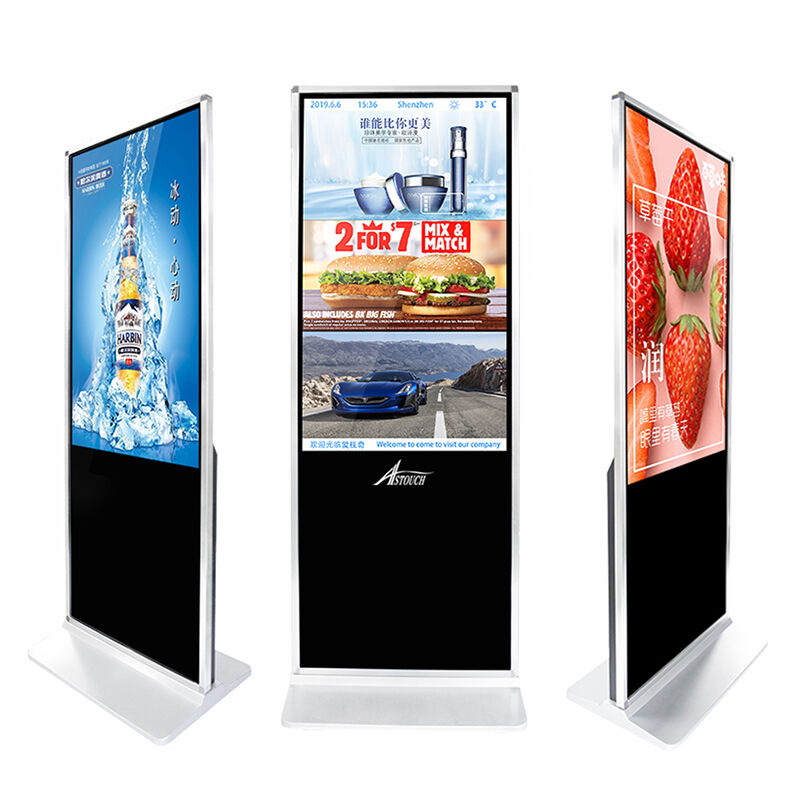
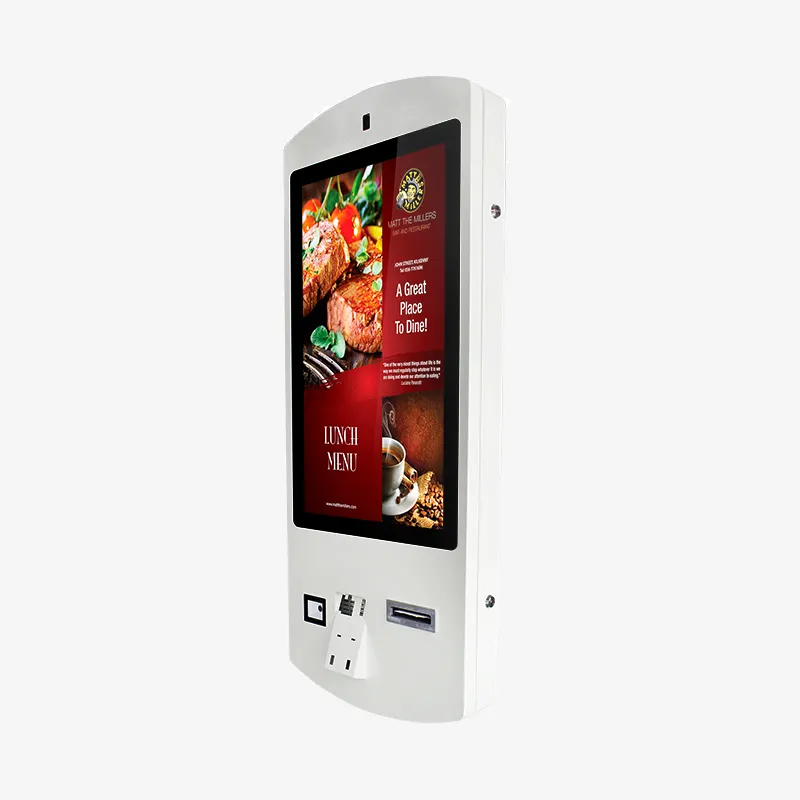
Modern businesses face an ongoing challenge: how to engage customers effectively in physical spaces while meeting rising expectations for speed, convenience, and personalization. A floor standing kiosk has emerged as a powerful solution that transforms passive waiting areas into dynamic interaction zones. These self-service terminals bridge the gap between digital convenience and physical presence, offering businesses a scalable way to improve service delivery while reducing operational strain. Unlike traditional service counters that require continuous staffing, a floor standing kiosk operates autonomously, providing consistent customer experiences around the clock. As consumer behavior shifts toward self-directed service models, understanding how these interactive terminals enhance customer engagement becomes essential for retail, hospitality, healthcare, and corporate environments seeking competitive differentiation.
The mechanism through which a floor standing kiosk enhances interaction operates on multiple levels simultaneously. At its foundation, the technology reduces friction in customer journeys by eliminating wait times and providing immediate access to information or services. When customers encounter a well-designed floor standing kiosk, they gain control over their experience—browsing options at their own pace, accessing multilingual interfaces, and completing transactions without staff intervention. This autonomy paradoxically increases engagement because users invest more attention when they direct the interaction flow. The touchscreen interface invites exploration in ways that static signage cannot, while the physical presence of a floor standing kiosk naturally draws attention in high-traffic areas. Beyond simple transactions, these terminals collect behavioral data that organizations use to refine service offerings, creating a continuous improvement cycle that makes each customer interaction more relevant than the last.
Core Mechanisms That Drive Enhanced Interaction
Immediate Accessibility and Response Time Reduction
A floor standing kiosk fundamentally alters customer interaction by eliminating the bottleneck of human-mediated service delivery. In retail environments, customers no longer queue for simple inquiries about product availability, pricing, or store navigation. The terminal provides instant responses to common questions, freeing staff to handle complex customer needs that require human judgment. This redistribution of labor doesn't diminish service quality—it enhances it by matching task complexity to appropriate resources. Healthcare facilities deploy a floor standing kiosk for patient check-ins, reducing administrative burden while capturing more accurate information directly from patients. The speed advantage becomes particularly significant during peak traffic periods when traditional service models struggle to maintain responsiveness.
The psychological impact of reduced wait times extends beyond simple time savings. Customers perceive organizations as more efficient and customer-centric when they can immediately engage with a floor standing kiosk rather than waiting for staff availability. This perception shapes overall satisfaction scores and influences repeat visit likelihood. The interactive terminal operates without fatigue, distraction, or variability, delivering consistent performance that builds user confidence. When customers know they can rely on a floor standing kiosk for quick service, they develop positive associations with the brand and location, creating a foundation for deeper engagement in subsequent interactions.
Personalization Through Digital Intelligence
Modern floor standing kiosk systems leverage customer data to deliver increasingly personalized experiences that static service models cannot match. When integrated with customer relationship management systems, the terminal recognizes returning users through loyalty cards, mobile apps, or facial recognition technology. This recognition enables the floor standing kiosk to surface relevant product recommendations, recall previous preferences, and streamline repeat transactions. In quick-service restaurants, the system remembers dietary restrictions and favorite orders, reducing decision fatigue while making customers feel valued. The personalization extends to content presentation—adjusting language, accessibility features, and information depth based on user profiles or interaction patterns detected in real-time.
The data collection capabilities of a floor standing kiosk create feedback loops that continuously improve interaction quality. Each touchscreen gesture, menu navigation path, and transaction completion provides insights into user behavior and preferences. Organizations analyze these patterns to optimize interface design, content hierarchy, and service workflows. Unlike human staff who may inconsistently apply training or forget customer preferences, a floor standing kiosk applies learnings systematically across all interactions. This intelligent adaptation means the system becomes more effective over time, delivering increasingly relevant content and smoother user experiences that keep customers engaged longer and encourage deeper exploration of available services.
Multisensory Engagement and Interactive Content
The floor standing kiosk transforms passive information consumption into active engagement through rich multimedia content and responsive interfaces. High-resolution touchscreens display product videos, 360-degree views, and interactive configurators that help customers visualize options in ways that printed materials cannot achieve. In automotive showrooms, a floor standing kiosk allows customers to customize vehicle specifications, view different color combinations, and compare feature packages through immersive digital experiences. The tactile interaction with touchscreen controls creates a sense of agency and exploration that increases information retention and purchase confidence. Sound elements, when appropriately implemented, provide feedback that confirms user actions and guides navigation without overwhelming the experience.
The physical design of a floor standing kiosk contributes significantly to engagement effectiveness. Ergonomically positioned screens at comfortable viewing heights encourage longer interaction sessions, while surrounding branding elements create visual coherence that reinforces organizational identity. The terminal's presence serves as a physical anchor point in environments—a designated space where customers know they can access services independently. This spatial certainty reduces cognitive load associated with seeking assistance, making customers more likely to engage proactively rather than waiting until frustration necessitates help-seeking. The combination of thoughtful industrial design and compelling digital content creates an interaction environment that customers find both functional and enjoyable.
Operational Advantages That Translate to Better Customer Experiences
Consistent Service Quality Across All Touchpoints
One of the most significant ways a floor standing kiosk enhances interaction is through unwavering consistency in service delivery. Human staff, despite best intentions and training, introduce variability through fatigue, mood fluctuations, and individual interpretation of procedures. A floor standing kiosk eliminates this variability by executing programmed workflows identically for every user. Customers receive the same courteous tone, complete information, and error-free processing whether they interact at opening time or during the late-night shift. This consistency builds trust because users develop accurate expectations about service quality that the system reliably meets. In industries where compliance and documentation accuracy matter—healthcare, financial services, government—the terminal ensures all required information is collected according to protocols without shortcuts or omissions.
The standardization enabled by a floor standing kiosk doesn't mean rigid, impersonal interactions. Modern systems incorporate conditional logic and branching workflows that adapt to individual circumstances while maintaining procedural integrity. A check-in terminal asks relevant follow-up questions based on previous responses, creating personalized pathways through standard processes. The floor standing kiosk can escalate complex situations to human staff when needed, but handles routine cases with efficiency that frees employees for higher-value interactions. This division of labor optimizes the entire service ecosystem, ensuring customers receive appropriate attention levels for their specific needs while maintaining operational efficiency that keeps costs sustainable and service availability high.
Extended Availability and Geographic Coverage
A floor standing kiosk dramatically expands service accessibility by operating continuously without the limitations of staffing schedules or labor regulations. Customers can complete transactions, access information, or initiate service requests during evenings, weekends, and holidays when traditional service channels close. This extended availability proves particularly valuable for organizations serving diverse customer populations with varying schedules—shift workers, international travelers, or customers in different time zones. The terminal maintains full functionality regardless of hour, weather conditions, or unexpected staff absences that disrupt conventional service models. For businesses operating multiple locations, a floor standing kiosk provides service consistency across sites without proportional increases in labor costs.
The geographic flexibility of floor standing kiosk deployment allows organizations to establish service presences in locations where full staffing proves economically impractical. Satellite offices, remote facilities, or temporary event spaces gain full-service capabilities through terminal installations that require only power and network connectivity. This distributed service model brings organizations closer to customers physically while maintaining centralized control over content, branding, and service standards. A floor standing kiosk in a transit hub serves travelers who need quick information or transactions without deviation from their routes. In rural healthcare settings, the terminal provides patient intake and basic information services that extend specialist access beyond urban medical centers. This geographic expansion of service touchpoints increases customer convenience while building brand presence in previously underserved markets.
Data-Driven Insights Into Customer Behavior
Every interaction with a floor standing kiosk generates valuable data that illuminates customer preferences, pain points, and behavioral patterns. Organizations track which menu options receive the most engagement, where users abandon transactions, and which information pages hold attention longest. This behavioral data reveals customer priorities more accurately than surveys or focus groups because it captures actual behavior rather than stated intentions. Analyzing floor standing kiosk usage patterns helps organizations identify popular products, confusing navigation elements, and opportunities for service improvements. The insights gained drive iterative refinements that make subsequent interactions smoother and more satisfying, creating a continuous optimization cycle that benefits all users.
The analytical capabilities of modern floor standing kiosk systems extend beyond individual transaction data to identify broader trends and opportunities. Heat mapping technology shows which screen areas attract visual attention, informing content placement decisions. Time-stamped interaction logs reveal peak usage periods that guide staffing decisions and promotional timing. Demographic data, when appropriately collected and privacy-protected, helps organizations tailor content and services to their actual customer base rather than assumptions. A floor standing kiosk becomes both a service delivery mechanism and a continuous research instrument that provides market intelligence while improving operational efficiency. This dual functionality creates compound value that justifies technology investments through both direct service improvements and strategic business insights.
Strategic Implementation Considerations for Maximum Engagement
Interface Design Principles That Encourage Exploration
The effectiveness of a floor standing kiosk in enhancing customer interaction depends heavily on interface design that balances simplicity with capability. Users should immediately understand primary functions without instruction or assistance, yet the system must offer depth for those seeking detailed information or complex transactions. Clear visual hierarchy guides attention to primary actions while secondary options remain accessible without cluttering the initial view. Large, touch-friendly buttons accommodate users with varying dexterity levels, while high-contrast color schemes ensure readability across diverse lighting conditions. The floor standing kiosk interface succeeds when it feels intuitive to first-time users while offering efficiency shortcuts for frequent users who develop familiarity with the system.
Navigation architecture within a floor standing kiosk must minimize the cognitive load required to complete tasks. Users should always know their current location within the system, how to return to previous screens, and how to exit or start over if needed. Consistent placement of navigation controls across screens reduces learning requirements and builds user confidence. The terminal should provide clear feedback for every interaction—visual confirmation when buttons are pressed, progress indicators during processing, and explicit next-step guidance. When errors occur, the floor standing kiosk should offer helpful recovery options rather than dead-ends that frustrate users. Accessibility features including adjustable text size, audio assistance, and alternative input methods ensure the system serves diverse customer populations without requiring special modes that stigmatize users with disabilities.
Content Strategy That Serves User Intent
The content displayed on a floor standing kiosk must align precisely with user goals and information needs at specific interaction points. Organizations often overload terminals with every conceivable feature and information element, creating confusion rather than capability. Effective content strategy prioritizes the most common use cases, making frequent tasks immediately accessible while placing advanced functions appropriately deeper in navigation hierarchies. A retail floor standing kiosk might prioritize product search, inventory checking, and price comparison while relegating corporate information and employment opportunities to secondary menus. Healthcare terminals lead with appointment check-in and wayfinding while offering insurance verification and payment options as supporting functions.
The language and presentation style within a floor standing kiosk should match the customer's mental model and expertise level. Technical jargon appropriate for B2B environments proves confusing in consumer-facing contexts, while oversimplified language may frustrate knowledgeable users. The system should detect user expertise through early interactions and adjust content complexity accordingly. Product descriptions balance persuasive marketing language with practical specifications that support informed decisions. Call-to-action elements clearly communicate what will happen when users select options, reducing uncertainty that causes hesitation. A floor standing kiosk that aligns content with user intent completes transactions efficiently while building confidence that the organization understands and respects customer needs and intelligence.
Integration With Broader Service Ecosystems
A floor standing kiosk achieves maximum impact when seamlessly integrated with other customer service channels rather than functioning as an isolated touchpoint. The terminal should access the same product databases, inventory systems, and customer records that staff use, ensuring information consistency across channels. Customers who begin interactions on a floor standing kiosk should be able to continue seamlessly with staff assistance if needed, without repeating information or restarting processes. Conversely, staff should access kiosk transaction histories when assisting customers, providing context that enables more effective problem resolution. This integration creates a unified service experience where customers choose interaction channels based on preference and task complexity rather than information availability or system capabilities.
The data exchange between a floor standing kiosk and backend systems enables sophisticated workflows that enhance customer value. Inventory checks confirm product availability in real-time, preventing disappointment from outdated information. Appointment scheduling systems immediately reflect bookings made through the terminal, eliminating double-bookings or availability confusion. Payment processing integrates with accounting systems, generating proper documentation and financial records without manual data transfer. When a floor standing kiosk participates fully in organizational information systems, it becomes a powerful node in the service network rather than a peripheral convenience. This deep integration requires thoughtful API design, robust security protocols, and ongoing maintenance, but the resulting seamless experience dramatically improves customer satisfaction and operational efficiency.
Industry-Specific Applications and Interaction Enhancement
Retail and Hospitality Environments
In retail settings, a floor standing kiosk transforms shopping experiences by providing product information, inventory checking, and self-checkout capabilities that reduce friction throughout the customer journey. Shoppers use terminals to scan products for detailed specifications, customer reviews, and alternative options without waiting for staff assistance. The floor standing kiosk displays complementary products and accessories, increasing basket sizes through relevant suggestions that customers might otherwise miss. In fashion retail, virtual try-on capabilities and style recommendations based on previous purchases create engaging experiences that blend physical and digital retail advantages. The terminal reduces perceived wait times by offering productive activities during checkout queues, improving satisfaction even when transaction times remain constant.
Hospitality applications of floor standing kiosk technology streamline guest services while maintaining the welcoming atmosphere essential to the industry. Hotel lobby terminals enable express check-in and check-out, room upgrades, and local attraction information without interrupting front desk staff handling complex guest needs. Restaurant implementations allow customers to browse menus with rich imagery, customize orders precisely, and process payments independently—particularly valuable for guests who prefer minimal social interaction or face language barriers with staff. The floor standing kiosk handles routine transactions efficiently while staff focus on creating memorable personal interactions that define hospitality excellence. This division of labor optimizes both operational efficiency and guest satisfaction by matching tasks to appropriate service channels.
Healthcare and Public Service Applications
Healthcare facilities deploy floor standing kiosk systems to improve patient flow while collecting more accurate information directly from patients. Check-in terminals guide patients through registration, insurance verification, and symptom documentation without administrative staff involvement. The private interaction with a floor standing kiosk encourages more complete and honest reporting of sensitive health information compared to verbal exchanges in public reception areas. Wayfinding functions help patients navigate complex medical campuses independently, reducing stress and late arrivals that disrupt scheduling. The terminal can also provide pre-visit education about procedures, consent forms, and preparation instructions, improving patient readiness and reducing cancellations caused by misunderstandings.
Government and public service organizations use floor standing kiosk installations to extend service hours and improve accessibility for constituents with varying schedules and transportation options. Permit applications, license renewals, and information requests that previously required in-person visits during business hours become available through terminals operating extended hours in convenient locations. The floor standing kiosk guides users through complex forms with conditional questions and validation checks that reduce errors and processing delays. Multilingual capabilities ensure non-native speakers access services with the same ease as primary language speakers. These implementations reduce administrative costs while improving service quality—a combination particularly valuable for public sector organizations balancing limited budgets with expanding service expectations.
Corporate and Educational Environments
Corporate facilities implement floor standing kiosk systems for visitor management, employee services, and wayfinding in large campuses. Reception area terminals allow visitors to check in independently, print badges, and notify hosts of arrival without reception staff intervention. The floor standing kiosk captures required compliance information, photographs, and safety acknowledgments that satisfy security protocols while creating professional first impressions. Employee-facing terminals provide self-service access to HR information, benefit enrollment, and facility reservations that reduce administrative burden while improving service availability. In manufacturing environments, the terminals display safety information, production metrics, and shift schedules that keep workers informed and engaged with organizational goals.
Educational institutions deploy floor standing kiosk technology for campus navigation, event information, and student services that improve the experience for students, parents, and visitors. Prospective students exploring campuses use terminals to access program information, virtual tours, and admissions guidance independently. Current students check course schedules, room assignments, and academic deadlines through conveniently located terminals between classes. The floor standing kiosk serves diverse campus populations with varying information needs while maintaining consistent messaging and branding. Libraries implement terminals for catalog searches, reservation systems, and research guidance that extend librarian capabilities. These applications reduce routine inquiries that consume staff time while making information access more convenient and immediate for users.
FAQ
What technical specifications should organizations prioritize when selecting a floor standing kiosk?
Organizations should prioritize screen size and resolution appropriate for their content requirements, with larger displays supporting richer visual content and accommodating users with varying vision capabilities. Touchscreen technology quality directly impacts interaction satisfaction—capacitive touch provides the most responsive and intuitive experience. Processing power must support smooth operation of intended software without lag that frustrates users. Durability considerations including vandal-resistant construction, sealed components for harsh environments, and thermal management for extreme temperatures ensure reliable operation in deployed locations. Connectivity options including wired ethernet, WiFi, and cellular backup maintain system availability despite network interruptions. Accessibility features such as adjustable screen height, audio output, and ADA compliance expand the user population the floor standing kiosk can serve effectively.
How do organizations measure the return on investment from floor standing kiosk implementations?
ROI measurement combines direct cost savings from reduced labor requirements with revenue increases from improved customer experiences and extended service availability. Organizations track transaction volumes processed through the floor standing kiosk versus traditional channels, calculating labor costs avoided while maintaining service quality. Customer satisfaction scores and Net Promoter Scores measured before and after implementation quantify experience improvements. Transaction value increases from upselling and cross-selling capabilities demonstrate revenue impact. Operational metrics including reduced wait times, faster transaction completion, and decreased error rates show efficiency gains. Long-term analysis includes customer retention rates and lifetime value changes attributable to improved service experiences. Comprehensive ROI assessment considers both quantifiable financial metrics and strategic benefits like competitive positioning and brand perception improvements that support long-term business growth.
What security and privacy considerations apply to customer-facing floor standing kiosk deployments?
Security architecture must protect both organizational systems and customer data throughout the interaction lifecycle. Network segmentation isolates the floor standing kiosk from critical business systems, limiting potential breach impact. Payment processing follows PCI DSS compliance requirements with end-to-end encryption and tokenization preventing card data exposure. Regular software updates and security patches address emerging vulnerabilities before exploitation. Physical security measures including locked enclosures, tamper detection, and surveillance deter theft and vandalism. Privacy protections ensure customer data collection follows applicable regulations with clear disclosures, appropriate consent mechanisms, and secure data transmission to backend systems. Screen privacy filters prevent shoulder surfing in public spaces. Session timeout and data clearing between users prevent information exposure to subsequent customers. Organizations must balance security requirements with user experience, implementing protections that work invisibly rather than creating friction that discourages floor standing kiosk adoption.
How can organizations ensure their floor standing kiosk remains effective as customer expectations evolve?
Continuous improvement processes based on usage analytics and customer feedback keep the floor standing kiosk aligned with evolving expectations and needs. Regular content audits identify outdated information, broken workflows, and underutilized features requiring revision or removal. A/B testing of interface elements, content presentation, and navigation structures reveals optimization opportunities that incremental improvements address. Monitoring emerging interaction technologies including voice interfaces, gesture controls, and augmented reality helps organizations assess enhancement opportunities that maintain competitive positioning. Hardware refresh cycles every three to five years ensure the floor standing kiosk presents a modern appearance and supports current software capabilities. Staff training updates ensure employees understand terminal capabilities and can assist customers effectively when needed. Establishing feedback mechanisms including satisfaction ratings, comment options, and observation studies provides ongoing insight into user experiences that inform enhancement priorities and long-term strategy.
Table of Contents
- Core Mechanisms That Drive Enhanced Interaction
- Operational Advantages That Translate to Better Customer Experiences
- Strategic Implementation Considerations for Maximum Engagement
- Industry-Specific Applications and Interaction Enhancement
-
FAQ
- What technical specifications should organizations prioritize when selecting a floor standing kiosk?
- How do organizations measure the return on investment from floor standing kiosk implementations?
- What security and privacy considerations apply to customer-facing floor standing kiosk deployments?
- How can organizations ensure their floor standing kiosk remains effective as customer expectations evolve?