EN
EN

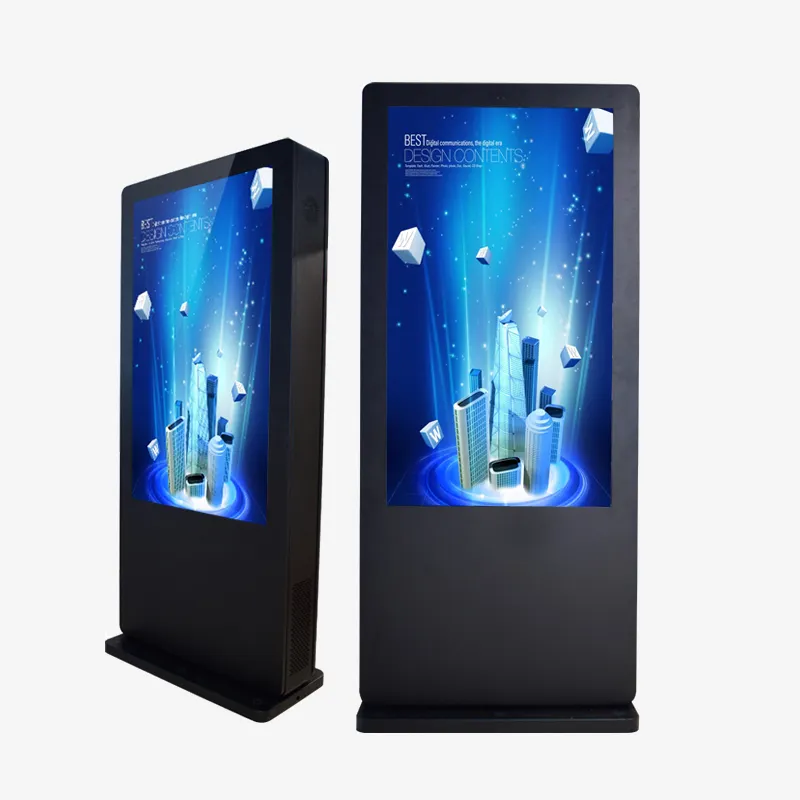
The landscape of visual communication has transformed dramatically with the rise of outdoor digital signage solutions that captivate audiences and drive meaningful engagement. Modern businesses increasingly rely on these dynamic display technologies to reach customers in high-traffic locations, retail environments, and public spaces where traditional static signage falls short. Understanding the key factors that contribute to successful outdoor digital signage implementations is crucial for organizations seeking maximum return on their investment while ensuring reliable performance in challenging environmental conditions.
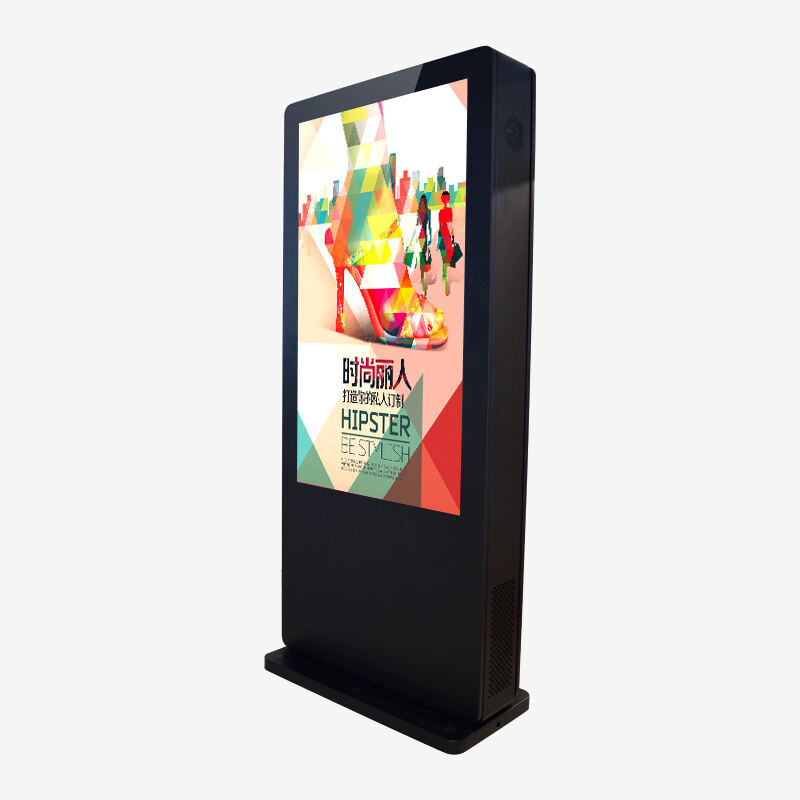
Environmental Durability and Protection Standards
Weather Resistance Requirements
Successful outdoor digital signage installations must withstand diverse weather conditions ranging from intense sunlight to heavy rainfall and extreme temperature fluctuations. The IP rating system provides a standardized measure of protection against dust and water ingress, with IP65 ratings offering comprehensive protection suitable for most outdoor applications. Professional-grade displays feature reinforced enclosures, anti-corrosive materials, and advanced sealing mechanisms that prevent moisture damage while maintaining optimal internal temperatures through sophisticated thermal management systems.
Temperature tolerance represents another critical factor, as outdoor digital signage must operate reliably across wide temperature ranges without compromising display quality or component longevity. Advanced heating and cooling systems automatically adjust internal temperatures, ensuring consistent performance regardless of external conditions. These systems incorporate intelligent sensors that monitor ambient conditions and activate protective measures when necessary, significantly extending the operational lifespan of outdoor installations.
Vandalism and Security Protection
Physical security considerations play a vital role in outdoor digital signage deployments, particularly in public spaces where vandalism risks are elevated. Robust enclosures constructed from impact-resistant materials provide essential protection against both intentional damage and accidental impacts. Tamper-proof mounting systems and concealed cable management further enhance security while maintaining professional aesthetics that reflect positively on the deploying organization.
Advanced security features include motion sensors, surveillance camera integration, and remote monitoring capabilities that enable immediate response to security incidents. These comprehensive protection systems not only safeguard valuable equipment but also ensure continuous operation and consistent message delivery to target audiences. Strategic placement considerations balance visibility requirements with security concerns, optimizing both audience reach and equipment protection.
Display Technology and Visual Performance
Brightness and Visibility Optimization
Outdoor digital signage must deliver exceptional visibility under direct sunlight conditions that can exceed 100,000 lux, requiring display technologies with significantly higher brightness levels than indoor applications. Professional outdoor displays typically feature brightness ratings of 2,500 to 5,000 nits, ensuring clear visibility even during peak daylight hours when ambient light conditions are most challenging for traditional display technologies.
Automatic brightness adjustment systems continuously monitor ambient light conditions and optimize display settings to maintain optimal visibility while conserving energy during darker periods. These intelligent systems prevent both washout in bright conditions and uncomfortable glare during evening hours, creating consistently engaging viewing experiences that maximize audience attention and message retention across varying environmental conditions.
Resolution and Content Quality Standards
High-resolution displays ensure crisp, professional content presentation that maintains brand credibility and message clarity at various viewing distances. Modern outdoor digital signage supports 4K resolution and beyond, enabling detailed graphics, text, and video content that remains sharp and readable from both close proximity and extended viewing distances typical in outdoor environments.
Color accuracy and contrast ratios significantly impact visual appeal and message effectiveness, with advanced display technologies delivering vibrant colors that remain consistent across different viewing angles and lighting conditions. Wide color gamut support enables rich, saturated colors that capture attention and convey brand identity effectively, while high contrast ratios ensure excellent text readability and image definition that enhances overall communication impact.
Power Management and Connectivity Solutions
Energy Efficiency Considerations
Effective power management directly impacts operational costs and environmental sustainability of outdoor digital signage installations. Advanced LED backlighting technologies consume significantly less energy than traditional display technologies while delivering superior brightness and longevity. Smart power management systems automatically adjust consumption based on usage patterns, ambient conditions, and scheduled content delivery requirements.
Solar power integration offers sustainable energy solutions for remote outdoor digital signage locations where traditional power infrastructure may be limited or cost-prohibitive. Hybrid power systems combine grid connectivity with renewable energy sources, providing reliable operation while reducing long-term operational costs and environmental impact. Battery backup systems ensure continuous operation during power outages, maintaining message delivery and audience engagement even during utility disruptions.
Network Connectivity and Remote Management
Robust connectivity solutions enable real-time content updates, system monitoring, and remote troubleshooting capabilities that maximize operational efficiency and minimize maintenance costs. Multiple connectivity options including cellular, Wi-Fi, and ethernet provide redundant communication pathways that ensure reliable network access regardless of local infrastructure limitations or service disruptions.
Cloud-based content management systems facilitate centralized control of multiple outdoor digital signage installations from remote locations, enabling real-time content scheduling, performance monitoring, and system diagnostics. These comprehensive management platforms provide detailed analytics on audience engagement, system performance, and operational metrics that inform optimization strategies and demonstrate return on investment to stakeholders.
Content Strategy and Audience Engagement
Dynamic Content Programming
Compelling content strategies leverage the dynamic capabilities of outdoor digital signage to deliver timely, relevant messages that resonate with target audiences. Interactive elements, motion graphics, and real-time data integration create engaging experiences that capture attention more effectively than static alternatives. Content scheduling systems enable automated delivery of time-sensitive messages, promotional campaigns, and emergency communications based on predetermined triggers and audience behavior patterns.
Multi-zone content layouts maximize screen real estate utilization while accommodating diverse message types and audience segments simultaneously. Advanced content management systems support layered graphics, video backgrounds, and dynamic text overlays that create visually striking presentations while maintaining message hierarchy and readability across different viewing conditions and distances.
Audience Analytics and Performance Measurement
Integrated analytics systems provide valuable insights into audience behavior, engagement levels, and message effectiveness that inform content optimization and strategic decision-making. Camera-based audience detection technologies measure viewer demographics, dwell time, and attention patterns without compromising privacy, generating actionable data that improves campaign performance and demonstrates measurable returns on outdoor digital signage investments.
Performance metrics including impression counts, engagement duration, and conversion tracking enable data-driven optimization of content strategies and placement decisions. These comprehensive analytics platforms correlate audience behavior with external factors such as weather conditions, traffic patterns, and local events, providing deeper insights into optimal messaging strategies and scheduling approaches that maximize impact and efficiency.
Installation and Maintenance Considerations
Professional Installation Requirements
Proper installation forms the foundation of reliable outdoor digital signage performance, requiring specialized expertise in structural engineering, electrical systems, and environmental protection measures. Professional installers assess site conditions, wind load requirements, and local building codes to ensure compliant, secure mounting systems that withstand environmental stresses while maintaining optimal viewing angles and accessibility for maintenance procedures.
Cable management and weatherproofing techniques prevent moisture ingress and signal degradation that can compromise system performance and longevity. Proper grounding systems protect against electrical surges and lightning strikes, while organized cable routing facilitates future maintenance and system upgrades. Professional installation teams coordinate with local utilities and regulatory authorities to ensure compliance with safety standards and permit requirements throughout the deployment process.
Preventive Maintenance Strategies
Comprehensive maintenance programs significantly extend outdoor digital signage lifespan while minimizing unexpected failures and operational disruptions. Regular cleaning schedules remove environmental contaminants that can degrade display quality and thermal performance, while systematic component inspections identify potential issues before they impact system operation. Preventive maintenance protocols include filter replacement, seal inspection, and thermal system calibration that maintain optimal operating conditions.
Remote monitoring systems continuously track performance metrics and environmental conditions, enabling proactive maintenance scheduling and rapid response to emerging issues. Automated diagnostic systems alert maintenance teams to abnormal operating conditions, component wear, or environmental threats that require immediate attention. These predictive maintenance approaches reduce total cost of ownership while ensuring consistent performance and maximum uptime for critical outdoor digital signage applications.
FAQ
What IP rating is necessary for reliable outdoor digital signage operation
IP65 rating provides excellent protection for most outdoor digital signage applications, offering complete dust protection and water resistance against jets from any direction. This rating ensures reliable operation in typical outdoor environments including rain, snow, and dusty conditions while maintaining internal component integrity and display quality over extended periods.
How does brightness requirements differ between indoor and outdoor digital signage
Outdoor digital signage requires significantly higher brightness levels, typically 2,500 to 5,000 nits compared to 300-500 nits for indoor applications. This increased brightness ensures visibility under direct sunlight conditions that can exceed 100,000 lux, while automatic brightness adjustment systems optimize visibility and energy consumption across varying ambient light conditions throughout the day.
What power consumption considerations apply to outdoor digital signage installations
Power consumption varies significantly based on display size, brightness levels, and environmental conditions, with typical outdoor digital signage consuming 400-800 watts per square meter. Energy-efficient LED technologies and smart power management systems reduce operational costs, while solar power integration and battery backup systems provide sustainable, reliable operation in remote locations or areas with unreliable grid power.
How important is professional installation for outdoor digital signage success
Professional installation is critical for outdoor digital signage reliability, safety, and compliance with local regulations. Specialized expertise in structural engineering, weatherproofing, and electrical systems ensures proper mounting, cable management, and environmental protection that prevent premature failures and maintain optimal performance throughout the system's operational lifespan while meeting safety standards and building codes.
Table of Contents
- Environmental Durability and Protection Standards
- Display Technology and Visual Performance
- Power Management and Connectivity Solutions
- Content Strategy and Audience Engagement
- Installation and Maintenance Considerations
-
FAQ
- What IP rating is necessary for reliable outdoor digital signage operation
- How does brightness requirements differ between indoor and outdoor digital signage
- What power consumption considerations apply to outdoor digital signage installations
- How important is professional installation for outdoor digital signage success