EN
EN

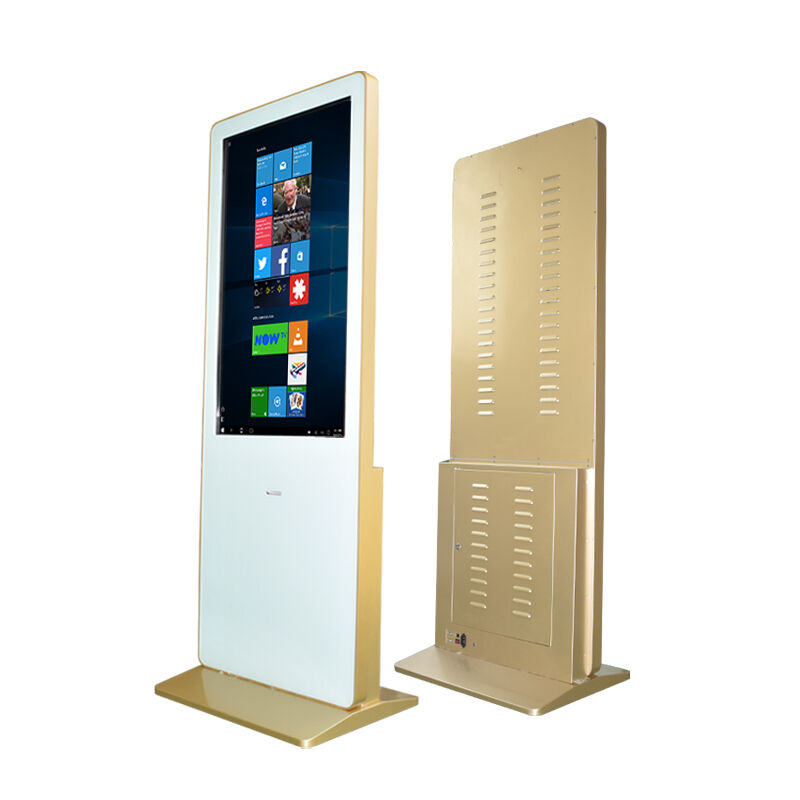
Touch screen kiosks have transformed how businesses interact with customers across numerous industries, offering self-service capabilities that enhance efficiency while reducing operational costs. These interactive terminals provide 24/7 accessibility, streamlined processes, and improved customer experiences that drive measurable business results. Understanding which industries gain the most value from touch screen kiosk implementations helps organizations make informed decisions about technology investments and deployment strategies.
The industries that benefit most from touch screen kiosk solutions share common characteristics: high customer volumes, repetitive transactions, need for consistent service delivery, and opportunities to reduce labor costs while maintaining service quality. Healthcare, retail, hospitality, transportation, and government sectors have emerged as the primary beneficiaries, with each industry leveraging touch screen kiosk technology to address specific operational challenges and customer service requirements.
Healthcare Industry Applications and Benefits
Patient Check-In and Registration Systems
Healthcare facilities experience significant improvements in patient flow management through touch screen kiosk deployment for check-in processes. These systems reduce waiting room congestion by allowing patients to update personal information, verify insurance details, and complete pre-visit questionnaires independently. Touch screen kiosk technology enables healthcare providers to collect accurate patient data while freeing staff to focus on clinical care rather than administrative tasks.
Emergency departments and urgent care centers particularly benefit from touch screen kiosk solutions that triage patients efficiently. The systems can collect symptom information, medical history updates, and priority assessments that help medical staff make informed decisions about patient care sequences. This automation reduces registration errors and ensures consistent data collection protocols across all patient interactions.
Wayfinding and Information Access
Large hospital complexes utilize touch screen kiosk installations to help patients and visitors navigate complex facility layouts. These interactive wayfinding systems provide real-time directions to departments, physician offices, and amenities while reducing the burden on reception staff who previously handled navigation inquiries. The touch screen kiosk interface can display multilingual options, accommodating diverse patient populations in healthcare settings.
Healthcare information kiosks also serve educational purposes, providing patients with access to wellness information, treatment explanations, and post-visit care instructions. This self-service approach ensures patients receive consistent information while allowing healthcare professionals to allocate time more effectively toward direct patient care activities.
Retail Sector Implementation Strategies
Self-Service Shopping and Product Information
Retail environments leverage touch screen kiosk technology to enhance customer shopping experiences through product catalogs, inventory checks, and detailed specifications access. These systems allow customers to browse extended product lines beyond physical display limitations, access customer reviews, and compare features without requiring sales associate assistance. Touch screen kiosk solutions enable retailers to provide comprehensive product information while optimizing floor space utilization.
Fashion retailers particularly benefit from touch screen kiosk implementations that allow customers to view additional sizes, colors, and styles not currently displayed on shelves. The systems can integrate with inventory management platforms to provide real-time stock availability and facilitate special orders or transfers from other locations. This capability extends the effective inventory reach of each retail location.
Queue Management and Order Processing
Quick-service restaurants and food courts utilize touch screen kiosk systems to streamline order placement and payment processing. These installations reduce perceived wait times by allowing customers to browse menus, customize orders, and complete transactions independently. The technology enables consistent order accuracy while reducing labor costs during peak service periods.
Retail checkout applications benefit from touch screen kiosk deployment in self-service configurations that handle routine transactions efficiently. These systems integrate with inventory management and payment processing platforms to provide seamless transaction experiences while reducing staffing requirements during off-peak hours. The technology maintains service availability during extended operating hours without proportional increases in labor costs.
Transportation and Logistics Applications
Ticketing and Travel Information Systems
Transportation hubs including airports, train stations, and bus terminals rely heavily on touch screen kiosk technology for ticketing, schedule information, and travel updates. These systems provide travelers with real-time departure information, gate changes, and delay notifications while reducing congestion at traditional service counters. Touch screen kiosk installations handle multiple languages and payment methods to accommodate diverse traveler populations.
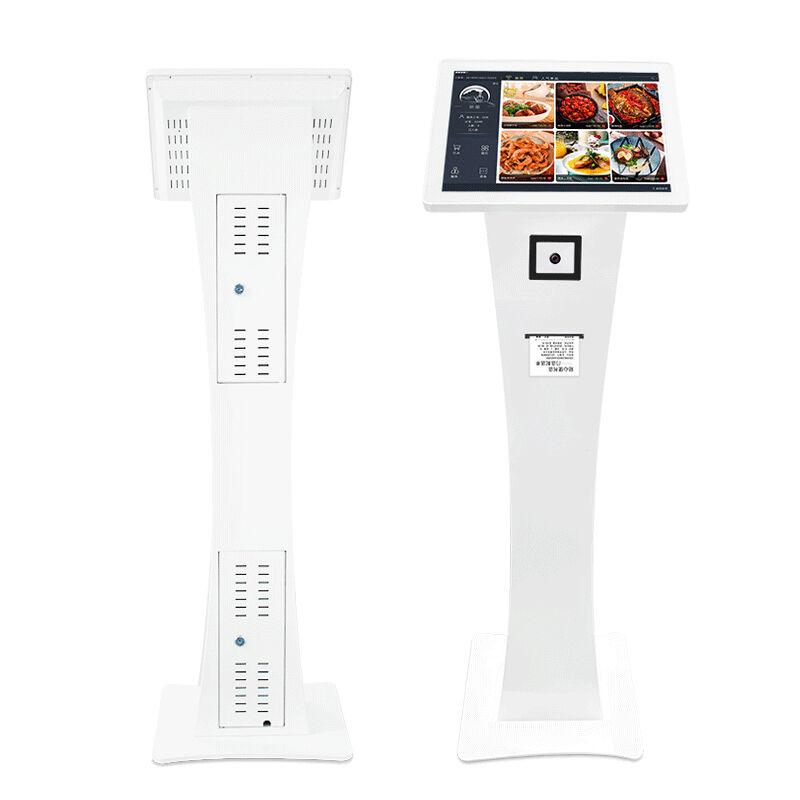
Airport implementations of touch screen kiosk technology extend beyond ticketing to include baggage services, seat selection, and boarding pass printing capabilities. These self-service options reduce processing times while maintaining service quality standards expected by travelers. The systems integrate with airline reservation platforms to provide comprehensive travel management functionality through intuitive touch interfaces.
Logistics and Shipping Operations
Shipping and logistics facilities utilize touch screen kiosk solutions for package tracking, delivery confirmations, and service requests. These installations provide customers with immediate access to shipment status information while reducing call center volume and associated operational costs. Touch screen kiosk technology enables 24/7 customer service availability without requiring continuous staffing.
Warehouse and distribution centers implement touch screen kiosk systems for employee time tracking, safety protocol acknowledgments, and work assignment distribution. These applications improve operational efficiency by providing workers with immediate access to relevant information and reducing administrative processing time for routine tasks.
Government and Public Service Implementations
Citizen Service Access Points
Government agencies deploy touch screen kiosk technology to provide citizens with access to services, forms, and information outside traditional office hours. These systems enable permit applications, license renewals, and information requests without requiring in-person visits during limited government operating hours. Touch screen kiosk installations improve citizen satisfaction by providing convenient service access while reducing administrative processing costs.
Motor vehicle departments particularly benefit from touch screen kiosk implementations that handle routine transactions such as registration renewals, address changes, and duplicate license requests. These systems reduce wait times for complex services by diverting routine transactions to self-service platforms while maintaining service quality and accuracy standards.
Information Distribution and Public Communications
Public buildings, libraries, and community centers utilize touch screen kiosk technology to provide access to government services, community information, and public resources. These installations serve as information hubs that connect citizens with relevant services while reducing staff workload for routine inquiries. Touch screen kiosk systems can provide multilingual support for diverse community populations.
Emergency management applications leverage touch screen kiosk technology to distribute critical information during natural disasters or public safety events. These systems provide real-time updates, evacuation procedures, and emergency contact information when traditional communication channels may be disrupted or overwhelmed.
FAQ
Which industries see the fastest return on investment from touch screen kiosk implementations?
Healthcare and retail industries typically achieve the fastest ROI from touch screen kiosk deployments due to high transaction volumes and significant labor cost savings. Healthcare facilities often see returns within 12-18 months through reduced administrative staffing requirements and improved patient throughput. Retail environments with high customer traffic volumes can achieve ROI in 6-12 months through increased transaction efficiency and reduced checkout staffing needs.
How do touch screen kiosks improve customer satisfaction in service industries?
Touch screen kiosks enhance customer satisfaction by providing 24/7 service availability, reducing wait times, and eliminating human error in routine transactions. Customers appreciate the control and privacy these systems offer for sensitive transactions like healthcare check-ins or government service requests. The consistent interface and step-by-step guidance improve user experience while ensuring service quality remains uniform across all interactions.
What technical considerations affect touch screen kiosk success across different industries?
Industrial-grade hardware requirements vary significantly between indoor retail environments and outdoor transportation applications. Healthcare implementations require compliance with medical data privacy regulations and sanitization protocols. Government applications need accessibility features for disabled users and security measures for sensitive information handling. Integration capabilities with existing enterprise systems determine implementation complexity and ongoing maintenance requirements across all industries.
Can smaller businesses in these industries benefit from touch screen kiosk technology?
Small businesses in healthcare, retail, and service industries can achieve significant benefits from touch screen kiosk implementations, particularly for appointment scheduling, product information access, and basic transaction processing. The key success factors include choosing appropriately scaled solutions, focusing on high-impact applications, and ensuring adequate technical support. Cloud-based kiosk management platforms make enterprise-level functionality accessible to smaller operations without requiring extensive IT infrastructure investments.
Table of Contents
- Healthcare Industry Applications and Benefits
- Retail Sector Implementation Strategies
- Transportation and Logistics Applications
- Government and Public Service Implementations
-
FAQ
- Which industries see the fastest return on investment from touch screen kiosk implementations?
- How do touch screen kiosks improve customer satisfaction in service industries?
- What technical considerations affect touch screen kiosk success across different industries?
- Can smaller businesses in these industries benefit from touch screen kiosk technology?