EN
EN

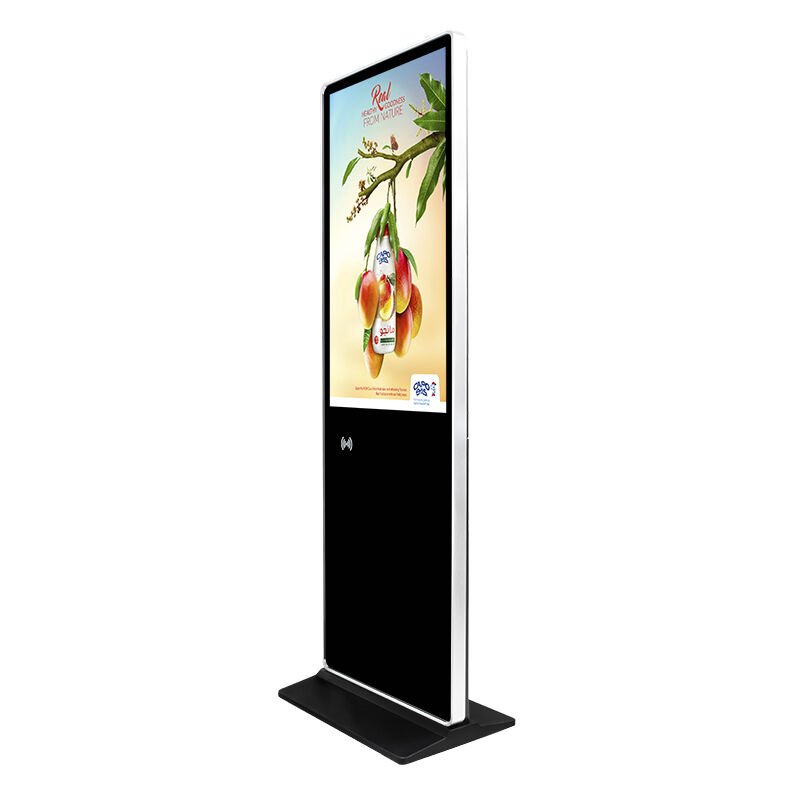
Selecting the right self ordering kiosk for your business requires careful evaluation of multiple technical, operational, and strategic factors that directly impact customer experience and operational efficiency. The decision involves analyzing hardware specifications, software capabilities, integration requirements, and long-term scalability to ensure the chosen solution aligns with your specific business model and customer flow patterns.
Modern businesses implementing a self ordering kiosk must navigate complex considerations ranging from touchscreen responsiveness and processing power to payment security and maintenance requirements. Understanding these critical selection criteria enables informed decision-making that maximizes return on investment while delivering seamless customer interactions across peak and off-peak operating periods.
Hardware Specifications and Performance Requirements
Processing Power and System Architecture
The processing capabilities of your self ordering kiosk determine response times, multitasking performance, and overall system reliability during high-traffic periods. Modern kiosk systems require sufficient CPU power to handle simultaneous processes including touchscreen interface rendering, payment processing, receipt printing, and real-time inventory updates without noticeable delays or system freezing.
Consider processors that offer at least quad-core architecture with clock speeds exceeding 1.5GHz for smooth operation. The system should maintain consistent performance even when processing complex menu configurations, high-resolution product images, and multiple concurrent user interactions during peak dining hours.
Memory allocation plays an equally critical role in self ordering kiosk performance, with minimum 4GB RAM recommended for basic operations and 8GB or higher for establishments with extensive menus, promotional content, or advanced analytics requirements. Adequate memory ensures smooth transitions between menu categories and prevents lag when customers navigate through ordering options.
Display Technology and User Interface Considerations
Screen size, resolution, and touch sensitivity directly influence customer satisfaction and order accuracy rates. A well-designed self ordering kiosk should feature displays between 21-27 inches with full HD resolution to ensure clear visibility of menu items, prices, and promotional content across various lighting conditions typical in restaurant environments.
Capacitive touchscreen technology provides superior responsiveness compared to resistive alternatives, supporting multi-touch gestures and maintaining accuracy even with repeated use throughout operational hours. The display should offer anti-glare properties and wide viewing angles to accommodate customers of different heights and positions relative to the kiosk.
Consider display durability features including scratch-resistant surfaces, fingerprint resistance, and easy cleaning capabilities essential for maintaining professional appearance and hygiene standards in food service environments where the self ordering kiosk experiences continuous customer interaction.
Software Integration and Compatibility Factors
Point of Sale System Integration
Seamless integration between your self ordering kiosk and existing POS infrastructure ensures accurate order processing, inventory management, and financial reporting without creating operational silos or data inconsistencies. The kiosk software must communicate effectively with your current POS system to maintain unified menu management, pricing updates, and promotional campaigns across all ordering channels.
Evaluate compatibility with your current POS provider and determine whether the self ordering kiosk supports real-time synchronization of menu modifications, price changes, and item availability updates. This integration prevents customer frustration from ordering unavailable items and ensures consistent pricing across traditional ordering methods and kiosk transactions.
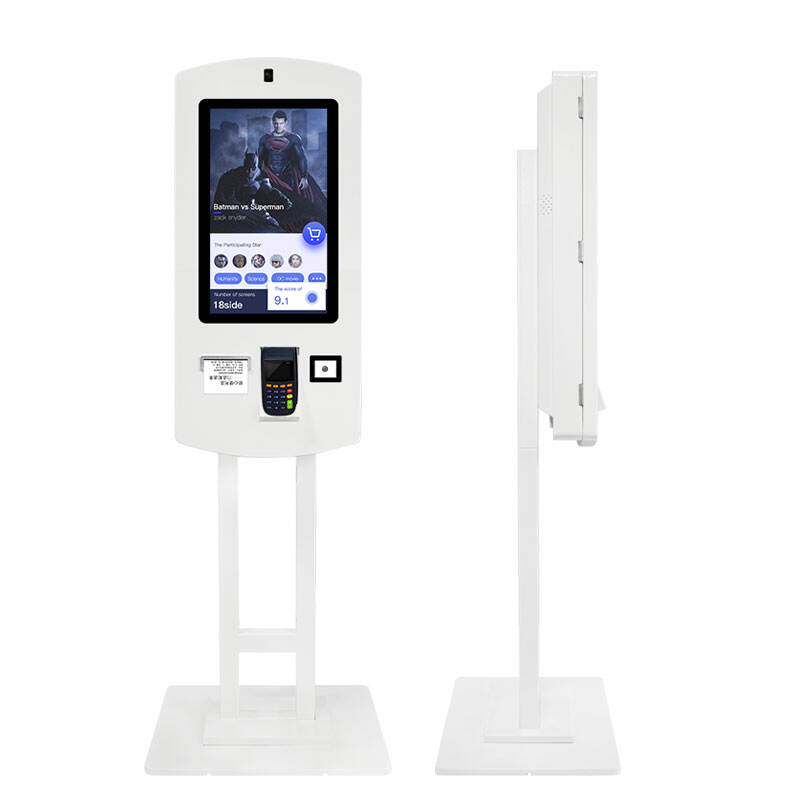
Consider the complexity of integration requirements including API compatibility, data transfer protocols, and potential downtime during system implementation. A properly integrated self ordering kiosk should function as a natural extension of your existing operations rather than requiring separate management processes or duplicate data entry.
Payment Processing and Security Standards
Payment security represents a critical consideration when selecting a self ordering kiosk, as the system must comply with PCI DSS standards and protect sensitive customer financial information throughout the transaction process. The kiosk should support multiple payment methods including credit cards, debit cards, mobile payments, and contactless options to accommodate diverse customer preferences.
Encryption protocols must secure payment data from the moment customers input information through final transaction processing and receipt generation. The self ordering kiosk should feature end-to-end encryption, tokenization capabilities, and secure communication channels that prevent data interception during transmission to payment processors.
Evaluate the payment terminal integration options, ensuring compatibility with your preferred payment processor and support for emerging payment technologies including NFC, Apple Pay, Google Pay, and other digital wallet solutions that increasingly dominate customer payment preferences.
Operational Environment and Durability Assessment
Physical Space and Installation Requirements
The physical dimensions and installation footprint of your self ordering kiosk must align with available floor space, customer traffic patterns, and accessibility requirements within your establishment. Consider both the kiosk base dimensions and the space required for customer interaction, ensuring adequate clearance for wheelchair accessibility and comfortable operation by users of varying heights.
Evaluate power requirements, cable management needs, and network connectivity options to determine optimal placement locations that minimize installation complexity while maximizing customer visibility and accessibility. The self ordering kiosk should integrate naturally into your existing layout without creating bottlenecks or obstructing normal traffic flow.
Consider mounting options including freestanding pedestals, wall-mounted configurations, or countertop installations based on your space constraints and aesthetic preferences. The installation should provide stability and security while allowing for easy maintenance access and potential relocation if business needs change.
Environmental Durability and Maintenance Needs
Restaurant and retail environments expose self ordering kiosk systems to various challenges including temperature fluctuations, humidity, grease, dust, and continuous operation demands that require robust construction and reliable component selection. The kiosk housing should provide adequate protection for internal components while maintaining aesthetic appeal throughout extended operational periods.
Assess the ingress protection rating and environmental specifications to ensure the self ordering kiosk can withstand your specific operational conditions. Components should resist corrosion, maintain functionality across temperature ranges typical in your location, and provide easy access for routine cleaning and maintenance procedures.
Evaluate maintenance requirements including cleaning procedures, component replacement accessibility, and service support availability from your kiosk provider. A well-designed self ordering kiosk should minimize downtime through modular component design and comprehensive maintenance documentation that enables efficient troubleshooting and repairs.
Cost Analysis and Return on Investment Planning
Initial Investment and Total Cost of Ownership
The financial evaluation of a self ordering kiosk extends beyond initial purchase price to encompass installation costs, software licensing, ongoing maintenance, and potential upgrade expenses throughout the system lifecycle. Calculate the total cost of ownership including hardware depreciation, software updates, service contracts, and operational expenses to accurately assess the investment impact.
Consider financing options, leasing alternatives, and payment structures that align with your cash flow requirements and operational budget constraints. Some self ordering kiosk providers offer flexible payment terms or performance-based pricing models that tie costs to transaction volumes or operational metrics.
Evaluate the cost implications of different service levels including basic warranty coverage, extended service agreements, and comprehensive support packages that influence long-term operational expenses and system availability during critical business periods.
Revenue Impact and Efficiency Gains
Quantify the potential revenue benefits from implementing a self ordering kiosk including increased order accuracy, reduced labor costs, improved order throughput, and enhanced upselling opportunities through strategic menu presentation and promotional displays. The system should demonstrably improve operational efficiency while maintaining or enhancing customer satisfaction levels.
Analyze the impact on staffing requirements and labor allocation, as an effective self ordering kiosk enables staff redeployment to higher-value customer service activities rather than simple order-taking functions. This optimization can improve overall service quality while reducing operational costs per transaction.
Consider the data collection and analytics capabilities that provide insights into customer preferences, ordering patterns, and operational metrics that support informed business decisions and continuous improvement initiatives beyond the immediate transactional benefits of the self ordering kiosk implementation.
FAQ
What screen size works best for a self ordering kiosk in most restaurant environments?
Most successful self ordering kiosk installations utilize screens between 21-27 inches with full HD resolution, providing optimal visibility for menu items and navigation while fitting standard counter heights and customer interaction zones. This size range accommodates detailed menu displays without overwhelming smaller spaces or creating accessibility challenges for different user heights.
How important is POS system integration when selecting a self ordering kiosk?
POS integration is absolutely critical for operational success, as seamless communication between your self ordering kiosk and existing systems ensures accurate inventory management, unified menu control, and consistent financial reporting. Without proper integration, you risk data silos, inventory discrepancies, and increased operational complexity that negates many efficiency benefits.
What payment security standards should a business self ordering kiosk meet?
Your self ordering kiosk must comply with PCI DSS standards and feature end-to-end encryption, tokenization capabilities, and secure communication protocols to protect customer payment data. The system should support multiple payment methods including contactless options while maintaining the highest security standards throughout the entire transaction process.
How do environmental factors affect self ordering kiosk selection for restaurant use?
Restaurant environments require self ordering kiosk systems with appropriate ingress protection ratings to withstand temperature variations, humidity, grease exposure, and continuous operation demands. Choose systems with durable housings, easy-clean surfaces, and components rated for commercial food service environments to ensure reliable long-term performance and minimize maintenance requirements.
Table of Contents
- Hardware Specifications and Performance Requirements
- Software Integration and Compatibility Factors
- Operational Environment and Durability Assessment
- Cost Analysis and Return on Investment Planning
-
FAQ
- What screen size works best for a self ordering kiosk in most restaurant environments?
- How important is POS system integration when selecting a self ordering kiosk?
- What payment security standards should a business self ordering kiosk meet?
- How do environmental factors affect self ordering kiosk selection for restaurant use?