 EN

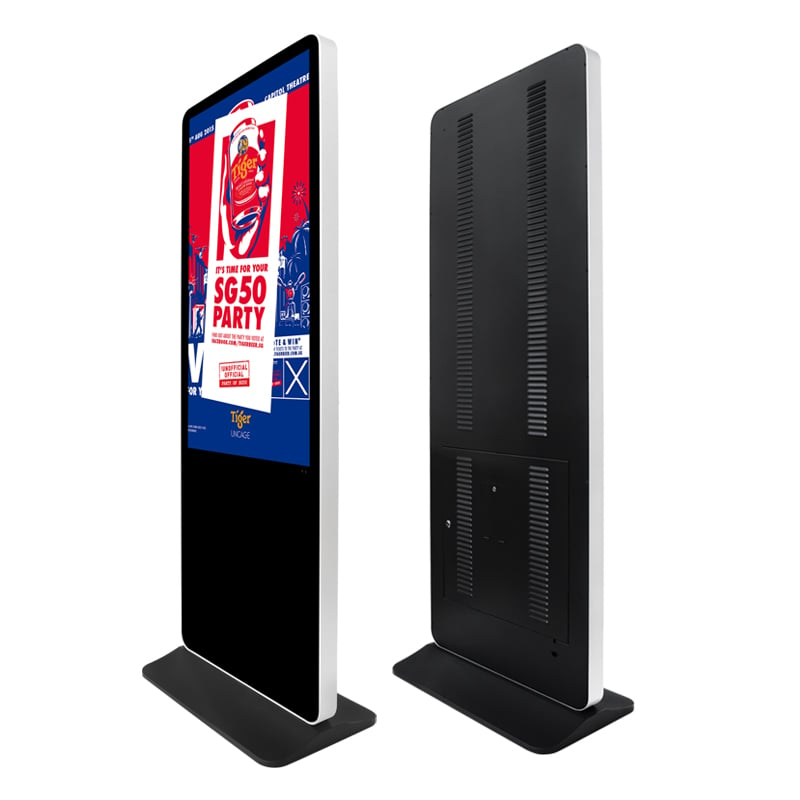
Selecting the right self service kiosks in hospitals is a critical decision that directly impacts operational efficiency, patient satisfaction, and staff productivity. Healthcare facilities face unique demands where self service kiosks in hospitals must balance user-friendliness, compliance requirements, hygiene standards, and integration with existing systems. The wrong choice can result in patient confusion, increased staff workload, and system downtime that affects revenue and care delivery. Understanding which features matter most when evaluating self service kiosks in hospitals ensures your facility invests in technology that delivers measurable returns and improves the patient experience.

Healthcare environments demand terminal solutions engineered specifically for medical settings rather than general retail applications. Self service kiosks in hospitals must handle high transaction volumes, support multiple payment methods, integrate securely with hospital databases, and maintain strict infection control standards. This article guides you through the essential criteria for evaluating and selecting self service kiosks in hospitals that align with your facility's operational needs, budget constraints, and strategic objectives.
User Interface and Accessibility Standards
Intuitive Design for Diverse User Groups
Self service kiosks in hospitals serve patients of varying ages, technical proficiency, and mobility levels. An effective self service kiosks in hospitals solution must feature large touchscreen displays with clear, readable fonts and high contrast that accommodates users with vision impairments. Navigation should require minimal steps to complete orders, with logical menu structures that mirror how patients think about meals, beverages, or services. Multi-language support is essential in diverse healthcare communities, allowing self service kiosks in hospitals to serve non-English speaking patients without requiring staff assistance. Icons and visual indicators should be universally recognized, reducing cognitive load and frustration when patients interact with your self service kiosks in hospitals terminals.
Accessibility Features for Patients with Disabilities
When evaluating self service kiosks in hospitals, ensure compliance with ADA accessibility standards and healthcare accessibility guidelines. The self service kiosks in hospitals must offer audio options for patients with visual impairments, voice-guided ordering sequences, and adjustable screen heights to accommodate wheelchair-bound patients. Touchscreen responsiveness should be optimized for users with limited dexterity or tremors common among certain patient populations. Self service kiosks in hospitals that include these accessibility features demonstrate institutional commitment to inclusive care while reducing barriers that force staff to intervene on behalf of patients who cannot navigate standard interfaces.
Hygiene and Durability in Medical Environments
Infection Control and Antimicrobial Design
Hospital environments demand that self service kiosks in hospitals incorporate antimicrobial surfaces and materials that withstand frequent sanitization protocols. Touchscreen surfaces should use antimicrobial coatings or materials rated for hospital-grade disinfectants, preventing pathogen transmission between patients. Physical contact surfaces, including payment input areas and card readers on self service kiosks in hospitals, must be seamlessly integrated to eliminate crevices where bacteria can harbor. The self service kiosks in hospitals should support both traditional touchscreen interaction and contactless payment options like NFC or QR code scanning that reduce touch frequency. Regular maintenance accessibility is critical; choose self service kiosks in hospitals with easily removable protective screens and simple disassembly procedures that allow cleaning staff to sanitize internal components during standard decontamination cycles.
Material Quality and Long-Term Reliability
Self service kiosks in hospitals experience continuous usage in humid, temperature-variable environments that stress standard retail equipment. Evaluate the self service kiosks in hospitals based on IP ratings indicating resistance to moisture, dust, and spill damage. Industrial-grade materials and sealed cable connections in self service kiosks in hospitals prevent liquid ingress that commonly damages consumer-level terminals. Medical-grade self service kiosks in hospitals should have extended mean time between failure metrics and supplier commitments to rapid replacement during equipment downtime. Power supply redundancy and backup battery systems ensure self service kiosks in hospitals remain operational during facility power fluctuations or brief outages common in hospitals with heavy electrical demands.
Integration, Payment Systems, and Operational Features
Seamless Hospital System Integration
Self service kiosks in hospitals must integrate directly with your hospital's patient management systems, dietary systems, pharmacy databases, and billing platforms to eliminate manual data entry and reduce errors. Cloud-based or on-premise connectivity options for self service kiosks in hospitals should support HIPAA-compliant data encryption and secure authentication protocols. Real-time inventory synchronization ensures self service kiosks in hospitals display accurate menu availability and prevent patients from ordering items that are out of stock. The self service kiosks in hospitals should generate automated order confirmations that feed into kitchen management systems, supply chain tracking, and financial reporting dashboards. API flexibility when selecting self service kiosks in hospitals enables future integration with emerging hospital technologies like electronic health record systems and telehealth platforms without requiring terminal replacement.
Flexible Payment and Transaction Processing
Modern self service kiosks in hospitals must accept multiple payment methods including credit cards, debit cards, mobile wallets, QR code payments, and hospital account billing options. Integrated payment processing in self service kiosks in hospitals should support PCI DSS compliance with encrypted card readers and tokenization that protects patient financial data. Self service kiosks in hospitals operating in facilities with diverse patient demographics benefit from supporting currency options and payment methods popular among international patients. Receipt generation and email delivery capabilities from self service kiosks in hospitals provide documentation that reduces billing disputes and improves transparency. Transaction logging and audit trails embedded in self service kiosks in hospitals support compliance requirements, revenue reconciliation, and fraud detection protocols mandated by healthcare regulators.
FAQ
What is the typical implementation timeline for self service kiosks in hospitals?
Implementation timelines for self service kiosks in hospitals typically range from 4 to 12 weeks depending on your facility's size, existing system integrations, and customization requirements. Initial assessment and vendor selection for self service kiosks in hospitals requires 2 to 4 weeks, followed by 2 to 6 weeks of system configuration, integration testing, and staff training. Installation and patient-facing deployment of self service kiosks in hospitals occurs over 1 to 2 weeks with parallel support periods where staff assist patients learning the new system. Organizations that plan ahead for self service kiosks in hospitals integration and allocate dedicated IT resources can achieve faster deployment without disrupting existing operations.
How do self service kiosks in hospitals impact operational costs and revenue?
Self service kiosks in hospitals reduce operational costs by automating order entry, minimizing staff labor for routine transactions, and decreasing errors that result in refunds or waste. Revenue opportunities expand as self service kiosks in hospitals enable upselling through targeted menu displays, promotional offerings, and impulse purchases that patients may not attempt through traditional ordering. Faster transaction processing with self service kiosks in hospitals increases throughput during peak periods, allowing facilities to serve more patients without expanding staff or facility footprints. Data analytics from self service kiosks in hospitals reveal purchasing patterns, popular menu items, and patient preferences that inform strategic product decisions and inventory optimization, ultimately improving profitability.
Can self service kiosks in hospitals be customized for specific hospital departments or patient populations?
Yes, self service kiosks in hospitals offer extensive customization options including department-specific menus for pediatrics, geriatrics, oncology, and surgical recovery units with appropriate nutritional content and portion sizes. Self service kiosks in hospitals can be configured with patient-specific dietary restrictions, allergies, and medical conditions pulled from electronic health records to guide appropriate ordering. Branding and visual customization of self service kiosks in hospitals can align with departmental identities while maintaining consistent hospital standards and compliance requirements. Advanced self service kiosks in hospitals support A/B testing of interface designs, menu layouts, and promotional messaging to optimize performance for specific patient demographics and improve adoption rates across your facility.


