 EN
EN


The modern classroom is no longer a space defined by chalk dust and static displays. Today, educators and school administrators are actively seeking tools that transform passive learning into dynamic, participatory experiences. Among all the technologies reshaping education, the interactive whiteboard stands out as one of the most impactful investments a school can make. It bridges traditional teaching methods with the digital capabilities that students increasingly expect and respond to.
The question is not simply whether schools should adopt an interactive whiteboard, but why the interactive whiteboard has become genuinely essential rather than optional. As curriculum demands grow and student attention spans compete with digital media outside the classroom, the interactive whiteboard offers a structured yet flexible environment where learning becomes visual, tactile, and collaborative. This article explores the core reasons why the interactive whiteboard is now central to effective modern education.
Engagement and Participation in the Modern Classroom
How an Interactive Whiteboard Captures Student Attention
One of the most well-documented challenges in contemporary education is maintaining student engagement. An interactive whiteboard directly addresses this by turning lessons into multi-sensory experiences. Students can touch, annotate, drag, and interact with content displayed on the interactive whiteboard, which shifts them from passive observers to active participants. This kind of tactile involvement is especially effective for visual and kinesthetic learners who struggle to stay engaged with text-heavy instruction.
When a teacher uses an interactive whiteboard to display a 3D model, an animated diagram, or a live collaborative document, the entire class becomes visually focused on the same point of reference. The interactive whiteboard creates a shared learning moment that a printed textbook or a static projector screen simply cannot replicate. Over time, this consistent engagement translates into better information retention and stronger academic performance.
Collaborative Learning Enabled by the Interactive Whiteboard
Collaboration is a skill that modern employers consistently rank among the most important, and the classroom is where it must be developed early. An interactive whiteboard makes group activities more structured and visible. Multiple students can interact with the interactive whiteboard simultaneously, contributing to a shared project or problem-solving exercise displayed in front of the class. This promotes teamwork, communication, and shared accountability in a way that individual worksheets cannot.
Teachers have found that when students know their input will appear on the interactive whiteboard for the class to see, they are more thoughtful and more invested in contributing quality ideas. The interactive whiteboard thus functions as both a teaching tool and a social motivator, creating a classroom dynamic that encourages every student to participate.
Teaching Efficiency and Curriculum Flexibility
Streamlining Lesson Delivery with an Interactive Whiteboard
From a teacher's perspective, the interactive whiteboard significantly reduces preparation time while expanding what can be delivered in a single lesson. Educators can prepare a lesson on one device, transfer it to the interactive whiteboard, and run through multimedia content, quizzes, and real-time annotations without switching between multiple tools. This seamless workflow means more instructional time and less time spent managing equipment or writing static notes.
An interactive whiteboard also allows teachers to save annotated lessons and revisit them in future classes. Rather than rewriting explanations from scratch, a teacher can pull up a previous interactive whiteboard session, review key points, and build directly upon them. This continuity supports curriculum progression and helps students follow complex subjects across multiple lessons with greater clarity.
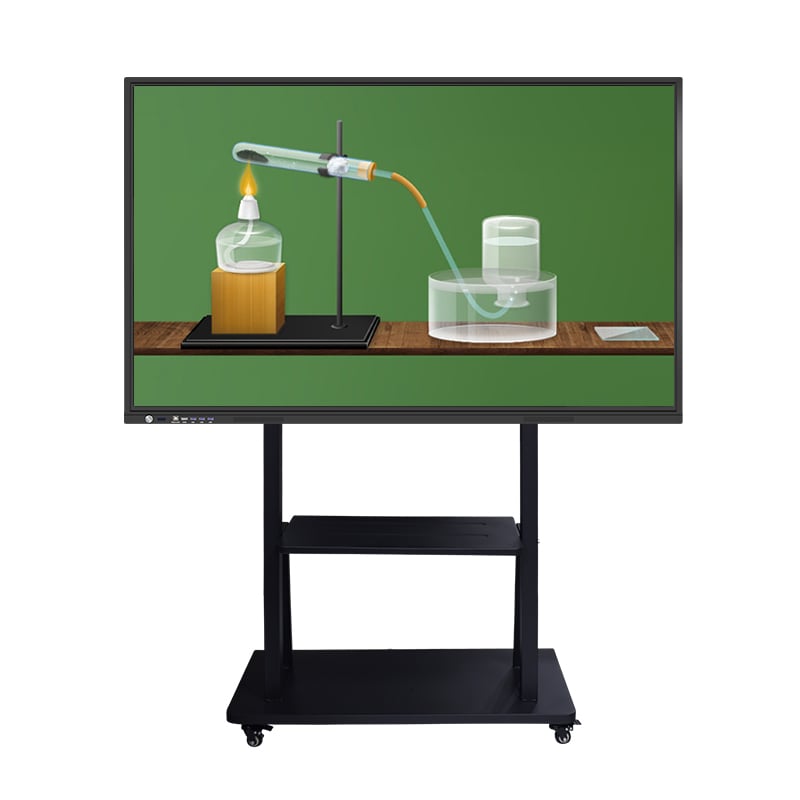
Adapting to Diverse Learning Needs Through the Interactive Whiteboard
Every classroom contains students with different learning styles, language backgrounds, and academic levels. The interactive whiteboard is one of the few teaching tools flexible enough to address this diversity within a single session. Teachers can display text at adjustable sizes for students with visual challenges, embed audio content for auditory learners, and use interactive simulations for students who need to 'do' in order to understand.
An interactive whiteboard can also support multilingual classrooms by displaying content in multiple languages simultaneously or by integrating translation tools. For students with learning differences, the interactive whiteboard provides a low-pressure environment where answers can be touched, moved, or matched visually rather than written under time pressure. This inclusivity is a powerful argument for why the interactive whiteboard is no longer a luxury but a necessity in diverse school environments.
Long-Term Value and Institutional Benefits
The Interactive Whiteboard as a Sustainable Classroom Investment
Schools and administrators often evaluate technology through the lens of return on investment. An interactive whiteboard, when compared to the recurring costs of printed materials, disposable projector bulbs, and static whiteboards that require regular resurfacing, represents a strong long-term value proposition. A quality interactive whiteboard is designed to last many years, and its software can be updated to remain compatible with evolving educational platforms and digital curricula.
Beyond cost, an interactive whiteboard enhances a school's reputation and appeal to parents and prospective students. Schools that invest in interactive whiteboard technology signal a commitment to modern, effective education. This is increasingly important in competitive academic environments where families evaluate schools based on the quality of resources available to their children.
Supporting Teacher Professional Development with the Interactive Whiteboard
Teachers who regularly use an interactive whiteboard develop stronger digital literacy and instructional design skills over time. The interactive whiteboard encourages educators to think creatively about how content is presented, how student participation is structured, and how lesson outcomes can be measured through real-time feedback tools. This professional growth benefits not only individual teachers but also the broader school community as best practices are shared across departments.
Training programs built around the interactive whiteboard have helped schools create cohesive teaching frameworks that align with national curriculum standards. When every teacher in a school is proficient with the interactive whiteboard, the consistency in instructional quality improves significantly, and students benefit from a more unified and effective learning experience.
FAQ
What is the primary educational benefit of an interactive whiteboard?
The primary benefit of an interactive whiteboard is its ability to increase student engagement and participation. By enabling touch-based interaction, multimedia content delivery, and real-time collaboration, the interactive whiteboard transforms passive learning into an active, participatory experience that supports better retention and comprehension across diverse student groups.
Is an interactive whiteboard suitable for all grade levels?
Yes, an interactive whiteboard is suitable for all grade levels, from early childhood education through secondary school and beyond. The interactive whiteboard can be configured with age-appropriate applications and content, making it equally effective for young learners engaging with basic literacy tools and older students working through complex scientific or mathematical concepts.
How does an interactive whiteboard compare to a traditional projector setup?
An interactive whiteboard offers significantly more functionality than a traditional projector setup. While a projector simply displays static or pre-recorded content, an interactive whiteboard allows real-time annotation, direct touch interaction, and two-way engagement between the teacher and students. The interactive whiteboard also eliminates the glare and shadow issues common with projector-based teaching, providing a clearer and more consistent visual experience for the entire class.


