 EN

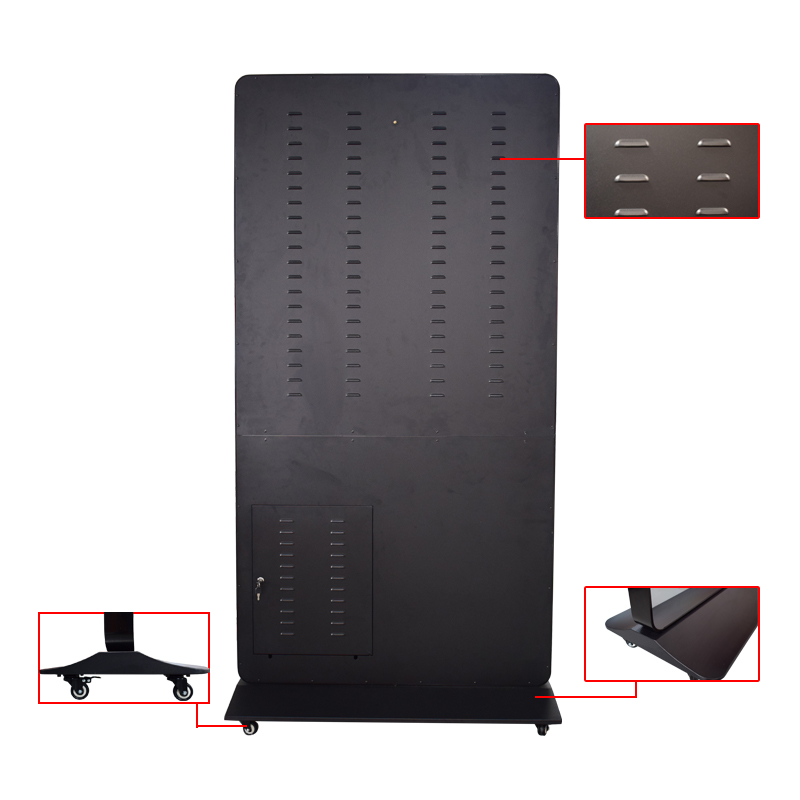
In today's competitive retail and hospitality environment, capturing customer attention requires innovative solutions that blend functionality with aesthetic appeal. A mirror display represents one of the most effective tools available to businesses seeking to enhance customer experience while simultaneously promoting products and services. Unlike traditional signage, a mirror display offers dual functionality—it serves as a practical mirror while delivering dynamic digital content, creating a unique touchpoint that engages customers at critical decision-making moments. This strategic combination explains why more retailers and hospitality venues are investing in mirror display technology to differentiate their spaces and drive measurable business results.
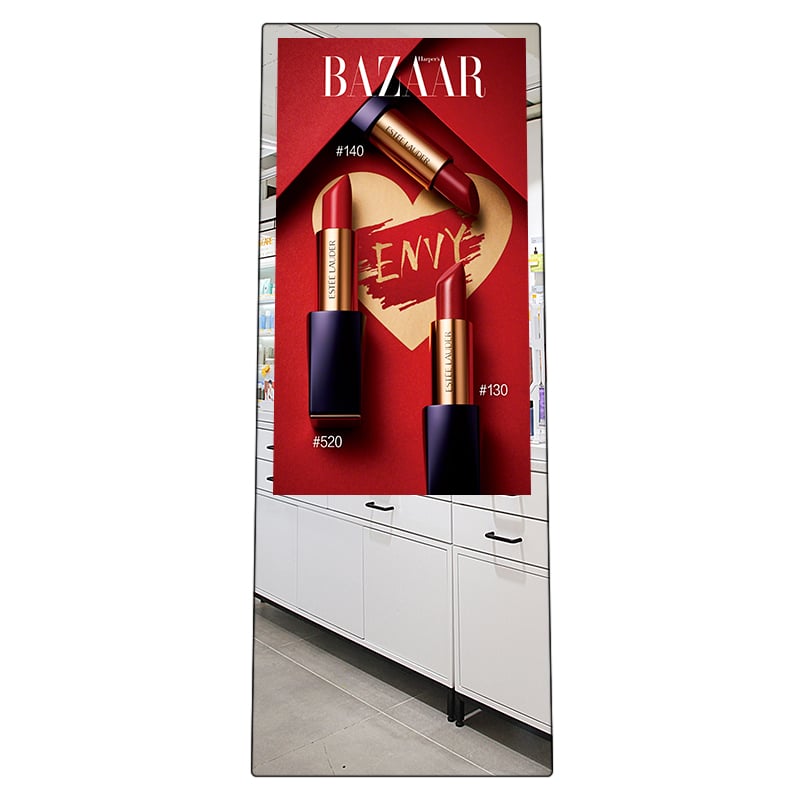
The value of a mirror display extends far beyond simple novelty. Modern mirror display systems integrate advanced touchscreen technology, high-definition visuals, and interactive capabilities that transform passive customer interactions into active engagement opportunities. Whether positioned in retail fitting rooms, hotel lobbies, beauty salons, or restaurant entrances, a mirror display creates memorable brand experiences that drive customer loyalty and increase average transaction values. Understanding the specific advantages of mirror display technology helps business decision-makers evaluate whether this solution aligns with their operational goals and customer demographics.
Strategic Advantages of Mirror Display Technology
Unmatched Customer Engagement Through Dual Functionality
The primary appeal of a mirror display lies in its inherent dual-purpose design. Customers naturally gravitate toward mirrors in retail and hospitality environments, making a mirror display an exceptionally high-traffic touchpoint. When customers approach a mirror display, they are already in a receptive mindset, creating the ideal moment for product recommendations, promotional messaging, or interactive engagement. This contextual advantage means a mirror display achieves superior engagement rates compared to traditional wall-mounted displays or digital signage positioned in low-traffic areas. The mirror display's placement at eye level and in natural customer flow paths ensures consistent visibility and interaction without requiring aggressive marketing tactics.
Enhanced Brand Perception and Premium Positioning
Implementing a mirror display signals to customers that a business invests in cutting-edge technology and customer experience. This perception directly strengthens brand positioning, particularly in luxury retail, high-end hospitality, and wellness sectors. A mirror display conveys sophistication and innovation, differentiating premium brands from competitors using conventional marketing approaches. The sleek, modern aesthetic of a mirror display integrates seamlessly into contemporary interior designs while creating an aspirational environment that encourages customers to spend more time in the space. This psychological benefit of mirror display technology contributes to improved customer satisfaction scores and positive word-of-mouth referrals.
Operational and Commercial Benefits of Mirror Display Implementation
Real-Time Content Management and Personalization Capabilities
Unlike static signage, a mirror display enables businesses to update promotional content instantly across multiple locations. Retail managers can adjust messaging based on inventory levels, seasonal trends, customer demographics, or time-of-day patterns without requiring physical installation labor. Touch-enabled mirror display systems allow customers to access additional product information, sizing recommendations, or promotional details through intuitive interfaces. This dynamic capability means a mirror display continuously adapts to business needs, maximizing relevance and conversion potential. Real-time analytics from mirror display interactions provide valuable customer behavior data that informs merchandising decisions and marketing strategy optimization.
Measurable Return on Investment Through Sales Uplift
Businesses deploying a mirror display in strategic locations consistently report increased conversion rates and higher average transaction values. In retail fitting rooms, a mirror display reduces friction by providing size guides, color recommendations, and complementary product suggestions at the moment of purchase consideration. In hospitality settings, a mirror display positioned in guest rooms or bathrooms drives ancillary service sales and enhances perceived value delivery. Data collected from mirror display touchscreen interactions enables precise measurement of campaign effectiveness, allowing businesses to quantify ROI and justify continued investment. The combination of improved customer experience, reduced decision friction, and behavioral data collection makes mirror display technology a commercially compelling choice for growth-focused businesses.
Implementation Considerations and Optimal Placement Strategy
Identifying High-Impact Mirror Display Locations
Successful mirror display deployment requires strategic site selection that maximizes customer exposure and relevance. In retail environments, fitting room areas represent premium mirror display locations where customers actively engage with products and make purchasing decisions. Beauty and wellness spaces benefit significantly from mirror display positioning in treatment areas or preparation zones where customers naturally pause. Hospitality venues achieve strong results positioning a mirror display in guest bathrooms, lobby areas, or service counters where visibility is guaranteed. The key to mirror display success lies in matching placement to customer journey stages where engagement drives the highest commercial value. Businesses should conduct traffic flow analysis and customer behavior mapping before finalizing mirror display installation points.
Content Strategy and Technical Integration Requirements
Maximizing the value of a mirror display requires thoughtful content development aligned with business objectives and customer preferences. Effective mirror display content balances promotional messaging with genuine utility—offering style recommendations, product details, and service information that customers actually want to access. Technical integration between a mirror display system and existing inventory management, CRM, and point-of-sale platforms enables seamless data flow and personalized customer experiences. Businesses implementing a mirror display should prioritize systems offering intuitive content management interfaces, reliable remote update capabilities, and comprehensive analytics dashboards. Staff training on mirror display features ensures employees can troubleshoot issues, respond to customer questions, and optimize ongoing performance, maximizing the investment's long-term value creation.
FAQ
How does a mirror display improve customer experience compared to traditional signage?
A mirror display combines functional mirroring with interactive digital content, creating a dual-purpose tool that customers already seek out naturally. Traditional signage serves only informational purposes, whereas a mirror display engages customers during moments when they are most receptive to product recommendations and promotional messaging. The interactive nature of mirror display technology allows personalized content delivery, real-time product information access, and entertainment value that static signage cannot match. This contextual relevance makes mirror display solutions significantly more effective at capturing attention and driving purchase decisions.
What types of businesses benefit most from implementing a mirror display?
Retail environments including fashion, beauty, and accessories benefit substantially from mirror display deployment, particularly in fitting rooms and checkout areas. Hospitality venues such as hotels, resorts, and spas maximize mirror display value in guest rooms, bathrooms, and wellness areas. Restaurants and bars leverage mirror display technology in restroom facilities and lounge areas to promote premium beverages and special offerings. Any business with customer touchpoints where mirrors are naturally present—or where mirrors could be introduced—should evaluate mirror display implementation as a strategic engagement tool.
What is the typical return on investment timeline for a mirror display installation?
ROI timelines for mirror display installations vary based on industry, location traffic volume, and content strategy, but most businesses observe measurable conversion improvements within 60 to 90 days of deployment. Retail applications typically demonstrate faster ROI due to direct sales attribution, while hospitality and service-based applications may show longer payback periods reflecting ancillary service uptake. Businesses leveraging comprehensive analytics from mirror display systems can accelerate ROI realization by continuously optimizing content and placement strategies based on performance data.


