 EN

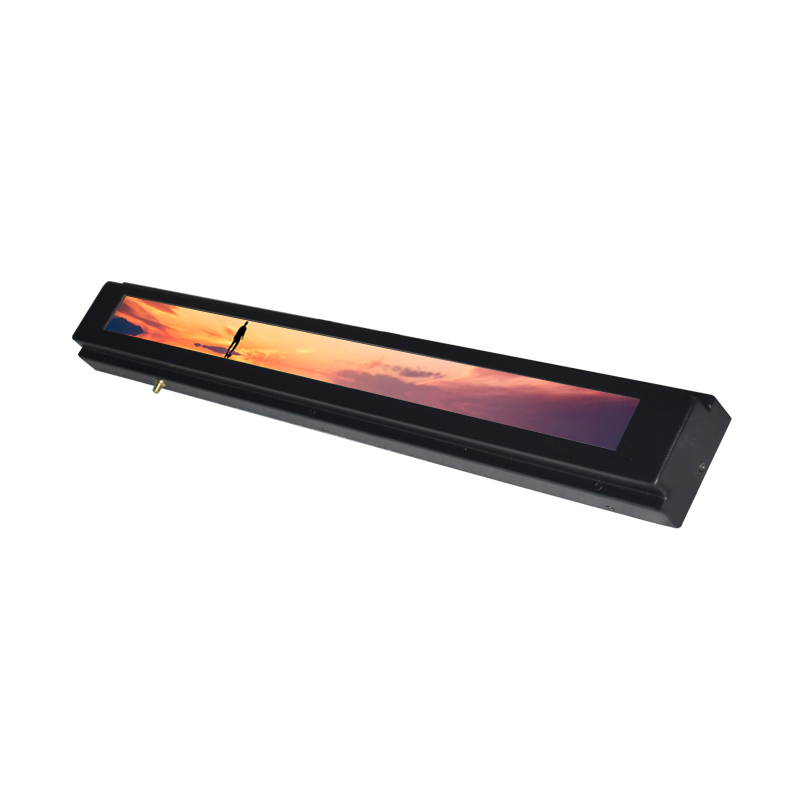
In today's fast-paced commercial and industrial environments, space is often at a premium. Retailers, control centers, information hubs, and digital signage installations frequently operate within tight physical constraints where conventional monitors simply won't fit. This is where a bar display becomes invaluable. Unlike standard rectangular screens, a bar display offers an ultra-wide, narrow form factor that maximizes visibility while consuming minimal floor or wall space. Understanding what makes a bar display effective for space-limited installations requires examining its unique design characteristics, practical deployment scenarios, and the strategic advantages it delivers in confined environments.
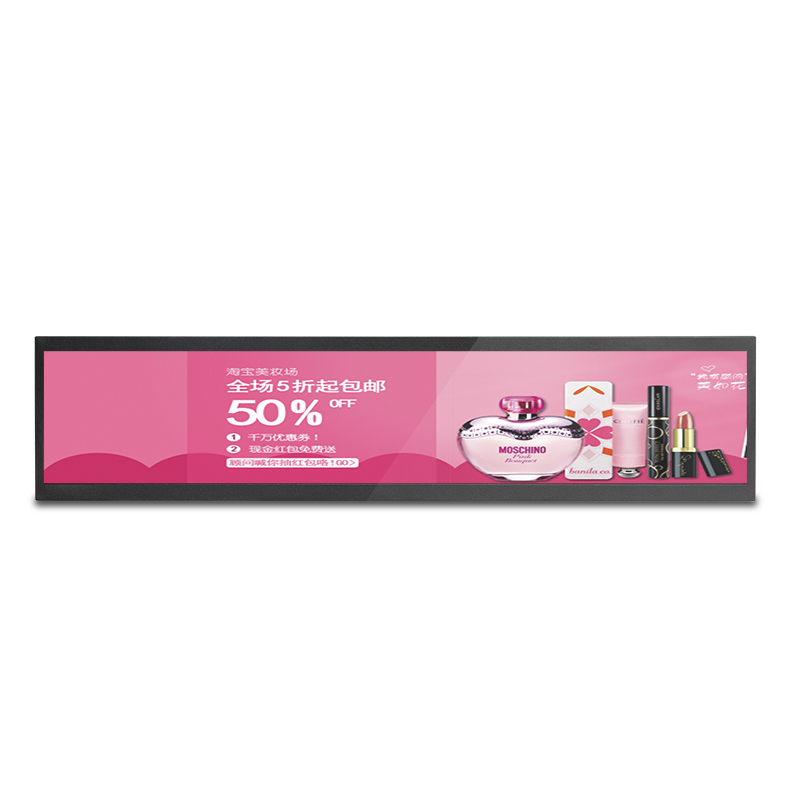
A bar display transforms how organizations utilize constrained physical spaces by delivering expansive horizontal visibility without requiring traditional square footage. Whether mounted above doorways, embedded into narrow corridors, positioned as digital wayfinding kiosks, or integrated into control room dashboards, this specialized form factor solves a critical challenge that many businesses face. The effectiveness of a bar display depends on several interconnected factors including aspect ratio optimization, resolution quality, brightness performance, content adaptation capability, and installation flexibility. By exploring these dimensions, facility managers and system integrators can make informed decisions about whether a bar display aligns with their specific spatial and operational requirements.
Understanding Bar Display Dimensions and Aspect Ratio
The Ultra-Wide Form Factor Advantage
The defining characteristic of a bar display is its extreme aspect ratio, typically ranging from 32:9 to 48:9, which produces a dramatically elongated rectangular shape. This proportional design reflects the practical reality that many installations require horizontal span rather than vertical depth. A bar display measuring 24 inches diagonally might stretch across 20 or more inches horizontally while occupying only 4 to 5 inches vertically. This geometry makes a bar display perfect for environments where wall height is abundant but usable width is scarce, such as above retail checkout counters, in airport corridors, or along the tops of industrial control panels. The horizontal emphasis of a bar display naturally aligns with how humans scan information, supporting quick comprehension of data streams, time displays, promotional content, or system status indicators.
Space Utilization and Mounting Flexibility
One of the most compelling reasons organizations choose a bar display is the mounting flexibility it enables. Because this form factor is so narrow vertically, a bar display can be positioned in locations where traditional monitors cannot fit without consuming valuable workspace. Installation options include flush wall mounting above doorways, under-cabinet positioning in retail or hospitality settings, recessed ceiling installation for streamlined aesthetics, or integrated into architectural elements like signage frames. Unlike a standard display that might require relocating adjacent furniture or restructuring physical layouts, a bar display often slots into existing spatial constraints without major renovation. This adaptability makes a bar display particularly attractive for retrofit projects where budget and disruption must be minimized. Organizations can achieve their visibility and communication objectives without the operational downtime and expense that layout redesigns typically demand.
Technical Specifications That Drive Effectiveness
Resolution and Image Clarity in Compact Installations
Effectiveness of a bar display hinges on delivering crisp, legible content despite the unconventional dimensions. Modern bar display technology offers resolutions such as 1920x360, 2560x720, and higher, ensuring that stretched content remains sharp and readable rather than pixelated or degraded. The resolution standard for a bar display must be carefully matched to viewing distance and content type. For retail environments where customers view signage from a distance, lower resolution bar display options suffice because text and graphics remain legible. For control room applications where operators scrutinize detailed data from arm's length, a bar display with enhanced pixel density becomes essential. By selecting a bar display with appropriate resolution for the specific installation context, organizations ensure that content quality matches audience expectations and functional requirements. Resolution is not simply a technical specification; it directly impacts the return on investment by ensuring viewers actually engage with the displayed information rather than dismiss it as unclear or unprofessional.
Brightness, Contrast, and Environmental Adaptation
A bar display must perform reliably across diverse lighting conditions, from brightly lit retail floors to dimly lit entertainment venues. Effective bar display models incorporate brightness levels ranging from 500 to 1500 nits, allowing the screen to cut through ambient light without creating uncomfortable glare. Contrast ratio also matters significantly because the elongated format concentrates information density horizontally. High contrast ensures that individual data points, text, and graphical elements remain distinguishable even when many elements appear side by side. A bar display with superior brightness and contrast specifications delivers visibility and readability that inferior alternatives cannot match. Organizations deploying a bar display in high-ambient-light locations such as airports, shopping malls, or outdoor-adjacent areas specifically benefit from brightness performance. Poor brightness in a bar display results in frustrated viewers, missed marketing messages, and underutilized screen investments. Temperature stability is another technical advantage that quality bar display solutions provide, ensuring consistent color reproduction and performance across seasonal temperature fluctuations common in industrial or warehouse settings.
Content Strategy and Operational Integration
Content Adaptation for the Bar Display Format
The unique proportions of a bar display require thoughtful content strategy rather than simply stretching standard 16:9 or 4:3 content across the screen. Effective bar display deployment involves designing graphics, videos, and text layouts specifically optimized for the ultra-wide format. A bar display works best with content that emphasizes horizontal information flow, such as time and temperature displays, scrolling news tickers, real-time data streams, queue management systems, or sequential status indicators. Organizations that repurpose generic content without format-specific adaptation often find that a bar display looks awkward or underutilizes its unique strengths. Conversely, content creation specifically designed for bar display dimensions demonstrates professional execution and maximizes viewer engagement. Many organizations partner with content designers who understand bar display best practices, ensuring that the hardware investment translates into effective communication. A bar display is only as powerful as the content it displays, making this integration step fundamental to overall effectiveness and satisfaction.
Connectivity and Content Management Simplicity
Operational effectiveness of a bar display depends partly on how easily content can be updated, managed, and remotely controlled across multiple installations. Modern bar display solutions offer network connectivity, cloud-based content management platforms, and scheduling capabilities that reduce manual intervention. Whether a single bar display requires weekly content updates or an organization operates dozens of units across multiple locations, integrated management tools dramatically improve efficiency. A bar display with robust API support and third-party integration capabilities allows seamless connection to existing business systems such as point-of-sale platforms, building management systems, or data analytics dashboards. This technical integration transforms a bar display from a passive display device into an active component of broader operational infrastructure. Organizations that prioritize connectivity and management simplicity when selecting a bar display solution experience faster deployment, reduced long-term maintenance burden, and better return on hardware investment. Connectivity features are not luxury additions; they are essential enablers of the productivity and efficiency gains that bar display installations promise to deliver.
Practical Applications and Effectiveness Metrics
Retail and Customer-Facing Environments
Retail organizations leverage bar display technology to transform customer experience and operational communication in constrained spaces. Above checkout counters, a bar display delivers promotional content, special offers, or loyalty program information without occupying valuable counter real estate. In fitting rooms, a bar display guides customers through size or style selection processes. Along narrow retail corridors, a bar display maintains brand presence while preserving walkway accessibility. These applications demonstrate that bar display effectiveness in retail stems from solving genuine space constraints while simultaneously enhancing customer engagement. Retailers measure bar display success through engagement metrics such as dwell time, content recall, and conversion rate correlation. Organizations that deploy bar display solutions thoughtfully report increased customer awareness of promotions and improved operational communication compared to pre-deployment baseline periods. The rectangular geometry of a bar display becomes a strategic asset in retail environments rather than a limitation, because horizontal visibility aligns naturally with how customers traverse retail spaces.
Industrial Control and Information Systems
Manufacturing facilities, data centers, utility control rooms, and transportation operations depend on bar display technology to consolidate information into formats that support rapid decision-making. A bar display positioned above control stations presents real-time system status, performance metrics, alert conditions, and operational dashboards in a format that optimizes operator scanning patterns. Because bar display proportions encourage horizontal information organization, operators can track multiple system states simultaneously without shifting attention vertically. This ergonomic advantage contributes directly to faster incident response, improved situation awareness, and fewer information-processing errors. Industrial organizations evaluate bar display effectiveness through operational metrics including mean time to resolution, operator error reduction, and system availability improvement. These hard numbers demonstrate that bar display deployments deliver tangible business impact beyond simple aesthetics. The durability and reliability standards that industrial-grade bar display products meet ensure extended service life even in demanding environments involving temperature extremes, vibration, or continuous operation schedules.
FAQ
What viewing distance is optimal for a bar display installation?
The optimal viewing distance for a bar display depends on content type and resolution. For general promotional or informational content on a bar display, viewing distances of 6 to 12 feet work well with standard resolution. For detailed operational data requiring close inspection, viewing distances of 2 to 4 feet pair best with higher resolution bar display options. Consider sightlines from the installation location and design content accordingly to ensure readability from expected viewing positions. This alignment between viewing distance, resolution, and content complexity ensures your bar display investment delivers intended effectiveness.
Can a bar display handle real-time data streaming and system integration?
Yes, modern bar display technology fully supports real-time data streaming and system integration through standard connectivity protocols including HDMI, DisplayPort, ethernet, and wireless options. Many bar display solutions include native support for video walls, multi-display configurations, and content management platforms that synchronize updates across multiple units simultaneously. Organizations can integrate a bar display with existing business systems, IoT sensors, or cloud platforms to display live performance metrics, network status, or sensor readings. This capability transforms a bar display from a static display device into a dynamic information hub that evolves with operational requirements.
How does a bar display compare to standard monitors for space-constrained environments?
A bar display occupies dramatically less vertical space than standard monitors while providing superior horizontal visibility, making it ideal for installations where vertical clearance is limited but horizontal span is available. Standard monitors typically offer 16:9 or 21:9 aspect ratios, whereas a bar display delivers 32:9 or wider proportions. This geometric difference makes a bar display the logical choice for corridors, above doorways, or tight architectural alcoves where standard displays create awkward visual gaps or physical obstruction. For applications requiring both horizontal and vertical information display, a bar display works alongside other displays rather than replacing them entirely.


