 EN

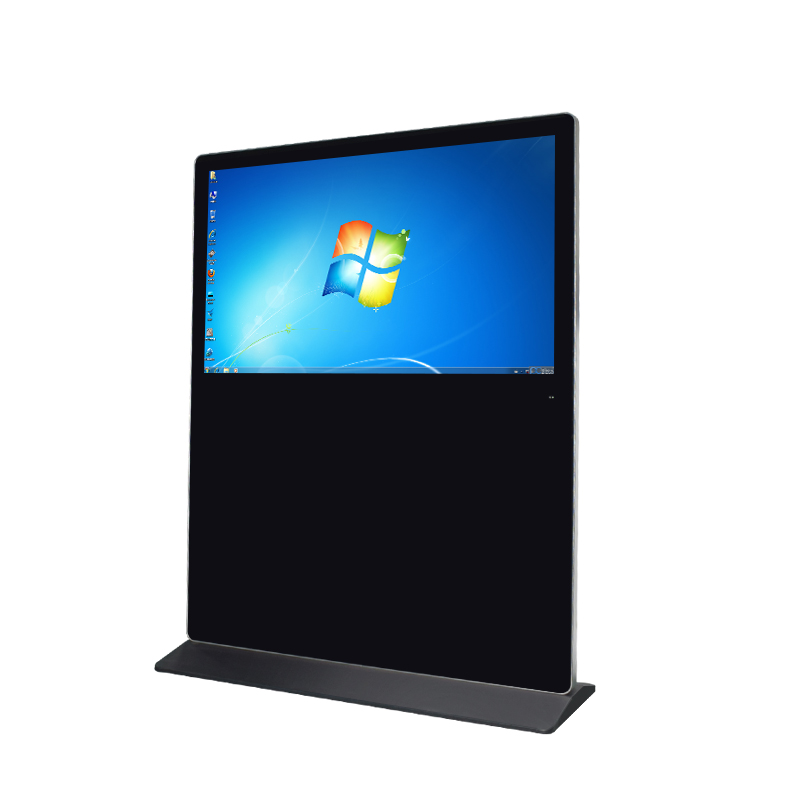
In today's fast-paced commercial environment, businesses must capture customer attention quickly and effectively. An advertising display has become the cornerstone of modern marketing strategies, offering dynamic content delivery that static media simply cannot match. Unlike traditional print advertising, an advertising display adapts to your marketing needs in real time, responding to audience behavior, time of day, and seasonal trends. The shift toward advertising display technology represents a fundamental change in how brands communicate with their target markets.
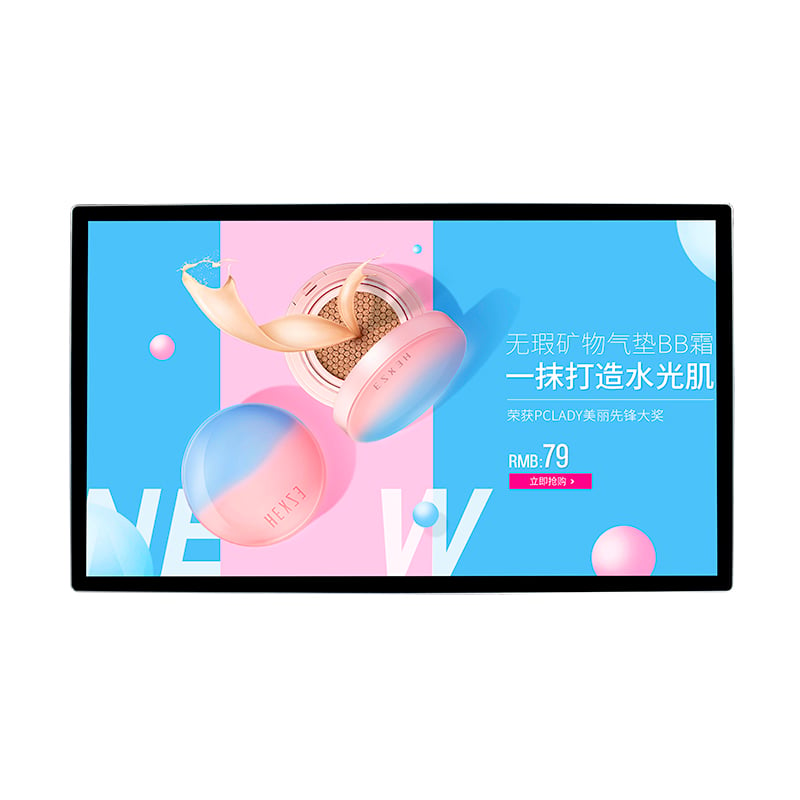
Choosing an advertising display is not merely a technology investment; it is a strategic decision that impacts customer engagement, operational efficiency, and return on investment. Retailers, corporate offices, healthcare facilities, and transportation hubs have discovered that an advertising display delivers measurable results where traditional methods fall short. The flexibility and real-time adaptability of an advertising display make it ideal for businesses seeking competitive advantages in crowded marketplaces.
How Advertising Display Technology Enhances Brand Visibility
Real-Time Content Management and Flexibility
The primary advantage of an advertising display lies in its ability to change content instantly without physical replacement. Unlike printed posters that remain static for weeks or months, an advertising display updates within seconds, allowing marketers to respond to market conditions, inventory changes, or promotional opportunities. This flexibility means a retailer can promote morning specials during breakfast hours, shift to lunch deals at midday, and highlight evening sales before closing time, all on the same advertising display screen. The operational efficiency gained through centralized content management of advertising display networks eliminates production delays and reduces waste from outdated materials.
Enhanced Visual Impact and Customer Engagement
An advertising display captures attention through motion, color, and high-resolution imagery in ways that static materials cannot achieve. The human eye naturally gravitates toward dynamic movement, making an advertising display an exceptionally effective tool in high-traffic environments. Research across retail and corporate settings demonstrates that an advertising display generates higher engagement rates than comparable print advertising. Customers spend more time observing content on an advertising display, increasing brand recall and purchase intent. The immersive quality of an advertising display creates emotional connections with products and messages that transcend traditional advertising approaches.
Cost Efficiency and Long-Term Return on Investment
Reducing Operational Costs Over Time
While initial investment in an advertising display may exceed traditional signage, the long-term cost structure proves substantially more favorable. Printing, distribution, and physical replacement of static advertising require continuous spending, whereas an advertising display eliminates these recurring expenses after installation. A single advertising display screen can present thousands of different advertisements, product showcases, and promotional messages throughout its operational lifetime without material degradation. Energy-efficient modern advertising display technology has reduced power consumption significantly, making operation costs predictable and manageable. Facility managers appreciate that an advertising display requires minimal maintenance compared to weathering and fading of outdoor printed advertising.
Measurable Performance Metrics and ROI Tracking
An advertising display provides data-driven insights that traditional advertising cannot deliver. Digital systems track viewer engagement, dwell time, content performance, and audience demographics, offering objective evidence of advertising effectiveness. Marketers can analyze which advertisements on their advertising display generate the strongest responses and adjust campaigns accordingly. This data-driven approach transforms advertising from a cost center into a measurable investment where performance directly correlates to business outcomes. Companies using an advertising display report clearer attribution between advertising spend and sales results, enabling smarter budget allocation decisions. The transparency provided by an advertising display analytics justifies ongoing investment and demonstrates value to stakeholders.
Versatility Across Industries and Applications
Retail and Customer-Facing Environments
Retailers leverage advertising display technology to highlight promotions, new products, and seasonal offerings directly where purchasing decisions occur. Shelf-edge advertising display units influence last-minute buying choices, while large-format displays near store entrances establish brand presence and draw customers deeper into the facility. Fashion retailers use advertising display to showcase styling tips and trend information, creating aspirational connections with merchandise. Grocery stores employ advertising display for health and nutrition information alongside relevant products. The immediate point-of-sale impact of advertising display technology directly influences conversion rates in ways that distant, offline advertising cannot match.
Corporate, Hospitality, and Venue Applications
Beyond retail, an advertising display serves critical functions in corporate lobbies, airports, hotels, and entertainment venues. Corporate offices use advertising display to communicate brand values, company news, and employee recognition in centralized locations. Airports and transportation hubs benefit from advertising display's ability to update travel information, advertisements, and wayfinding simultaneously. Hotels implement advertising display in common areas to promote in-house services, local attractions, and special events. Entertainment venues use advertising display for ticket information, sponsor acknowledgment, and audience engagement during events. This versatility across industries demonstrates that advertising display has become essential infrastructure rather than optional marketing technology.
Future-Proofing Your Marketing Infrastructure
Scalability and Integration Capabilities
Modern advertising display solutions integrate seamlessly with existing marketing technology stacks, including content management systems, analytics platforms, and customer data systems. A advertising display network can scale from a single location to hundreds of venues, with centralized control and customization by location. Cloud-based management platforms enable businesses to coordinate advertising display content across geographic regions and time zones instantly. API integration allows advertising display systems to pull real-time data from inventory systems, weather services, social media, and customer analytics, creating responsive content that adapts to actual business conditions rather than predetermined schedules.
Technical Capabilities and Future Readiness
Contemporary advertising display hardware supports high-resolution video, interactive touch capabilities, and emerging technologies like augmented reality integration. Businesses investing in advertising display infrastructure today position themselves to leverage tomorrow's innovations without complete system replacement. Modular advertising display designs allow screen replacement while maintaining the same framework and content management systems. Regular software updates to advertising display management platforms introduce new features and security improvements without requiring physical equipment changes. Forward-thinking businesses recognize that advertising display represents foundational infrastructure that adapts and evolves rather than becoming obsolete.
FAQ
What makes an advertising display more effective than traditional print advertising?
An advertising display delivers dynamic, updatable content that captures attention through motion and color, while offering real-time performance tracking and instant content changes. Unlike printed advertising that remains static and requires replacement, an advertising display adapts to market conditions, audience behavior, and promotional opportunities within seconds. The measurable engagement data from advertising display systems enables continuous optimization, whereas print advertising provides no feedback mechanism. These advantages translate to higher engagement rates, better brand recall, and measurable ROI compared to traditional static advertising approaches.
How does an advertising display save money compared to traditional signage?
An advertising display eliminates recurring costs associated with printing, distribution, and physical replacement of outdated materials. While initial installation of advertising display infrastructure requires upfront investment, the single hardware investment serves thousands of content updates across months or years without material degradation. Modern advertising display technology consumes less energy than older equipment, reducing operational costs. Businesses also eliminate expenses related to design, printing, shipping, and installation labor that traditional advertising requires constantly. Over five to ten years, the total cost of ownership for advertising display typically proves significantly lower than maintaining equivalent traditional advertising coverage.
Can an advertising display integrate with existing business systems?
Yes, modern advertising display solutions offer extensive integration capabilities with existing technology infrastructure. Cloud-based management platforms connect advertising display networks to inventory systems, customer analytics, weather data, and social media feeds, enabling responsive content that reflects real-time business conditions. API-based architecture allows custom integration with proprietary systems specific to your business. Centralized content management of advertising display across multiple locations eliminates the need for separate systems at each venue. Professional installation and technical support ensures advertising display integration aligns with your security, compliance, and operational requirements.


