EN
EN

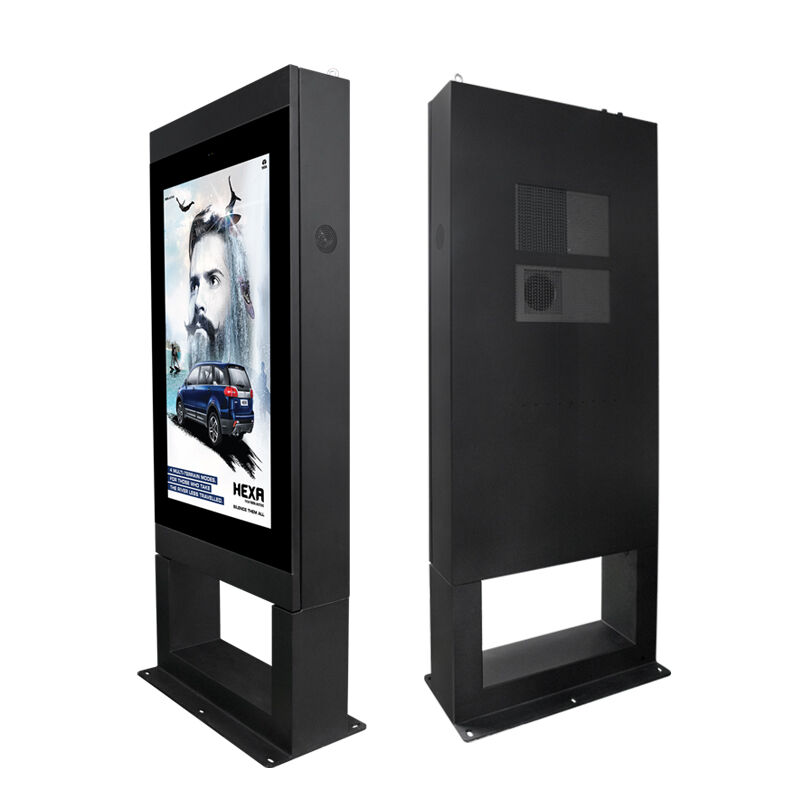
The modern business landscape demands interactive technology solutions that can enhance customer experiences while streamlining operations. When organizations seek to implement self-service kiosks, the choice of a reliable kiosk manufacturer becomes critical to project success. Working with an experienced kiosk manufacturer ensures that businesses receive tailored solutions that meet their specific operational requirements and industry standards.
Professional kiosk manufacturers bring decades of engineering expertise, comprehensive testing protocols, and proven deployment methodologies to every project. Their specialized knowledge spans hardware design, software integration, compliance requirements, and ongoing support services that ensure long-term system reliability and performance optimization.
Understanding Professional Kiosk Manufacturing Capabilities
Advanced Design and Engineering Expertise
A professional kiosk manufacturer possesses extensive engineering capabilities that encompass both hardware and software development. These manufacturers employ specialized design teams who understand the intricacies of creating robust, user-friendly interfaces that can withstand constant public use. Their engineering processes include comprehensive stress testing, environmental durability assessments, and ergonomic optimization to ensure optimal performance across diverse deployment scenarios.
The design expertise of an established kiosk manufacturer extends beyond basic functionality to incorporate advanced features such as multi-touch capabilities, high-resolution displays, and integrated payment processing systems. These professionals understand how to balance aesthetic appeal with functional requirements, creating kiosks that enhance brand image while delivering reliable service performance.
Quality Assurance and Testing Protocols
Professional manufacturers implement rigorous quality assurance procedures throughout the production process. These comprehensive testing protocols include component-level verification, system integration testing, and real-world simulation scenarios that validate performance under various operating conditions. A reputable kiosk manufacturer maintains detailed documentation of all testing procedures and results, providing clients with complete transparency regarding product reliability and performance specifications.
The testing methodologies employed by experienced manufacturers cover electromagnetic compatibility, thermal performance, mechanical stress resistance, and software stability verification. These thorough evaluation processes help identify potential issues before deployment, reducing the likelihood of field failures and ensuring consistent system performance across all installations.
Customization Capabilities and Flexibility
Tailored Hardware Configurations
Every business environment presents unique challenges and requirements that demand customized solutions. A professional kiosk manufacturer can modify standard designs to accommodate specific spatial constraints, aesthetic preferences, and functional requirements. This customization capability includes adjusting display sizes, incorporating specialized peripherals, and designing custom enclosures that align with existing architectural elements and branding guidelines.
The flexibility offered by experienced manufacturers extends to component selection and integration options. They can incorporate specialized hardware such as barcode scanners, receipt printers, card readers, and biometric authentication devices while maintaining system stability and user experience quality. This comprehensive customization capability ensures that each kiosk solution perfectly aligns with client operational requirements and performance expectations.
Software Integration and Platform Development
Modern kiosk solutions require seamless integration with existing business systems and databases. A skilled kiosk manufacturer provides comprehensive software development services that enable smooth connectivity with point-of-sale systems, inventory management platforms, customer relationship management tools, and enterprise resource planning applications. This integration capability ensures that kiosk deployments enhance rather than complicate existing operational workflows.
Professional manufacturers also offer custom application development services that create intuitive user interfaces tailored to specific industry requirements. Whether developing solutions for retail environments, healthcare facilities, or kiosk manufacturer restaurant applications, experienced developers understand how to create engaging user experiences that drive adoption and customer satisfaction.

Compliance and Certification Standards
Industry-Specific Regulatory Requirements
Different industries impose specific regulatory requirements that kiosk solutions must meet to ensure legal compliance and operational approval. A professional kiosk manufacturer maintains current knowledge of relevant standards such as ADA accessibility guidelines, PCI DSS payment processing requirements, HIPAA healthcare privacy regulations, and FCC electromagnetic emissions standards. This comprehensive understanding ensures that delivered solutions meet all applicable regulatory requirements without requiring client intervention or additional compliance testing.
The regulatory expertise provided by established manufacturers includes ongoing monitoring of changing compliance requirements and proactive system updates to maintain certification status. This continuous compliance management protects clients from potential legal issues while ensuring that kiosk solutions remain operational as regulatory environments evolve.
Safety and Security Certifications
Professional kiosk manufacturers maintain comprehensive safety and security certifications that demonstrate their commitment to product quality and user protection. These certifications include UL listing for electrical safety, FCC Part 15 compliance for electromagnetic compatibility, and ISO quality management system certification that validates manufacturing process consistency and reliability.
Security certifications are particularly important for kiosks that process sensitive information or financial transactions. Experienced manufacturers implement robust security protocols including encrypted data transmission, secure boot processes, and tamper-resistant hardware designs that protect against unauthorized access and data breaches. These security measures ensure that client data and customer information remain protected throughout system operation.
Support Services and Long-Term Partnership Benefits
Comprehensive Installation and Deployment Support
The deployment phase of kiosk projects requires specialized expertise to ensure proper installation, configuration, and testing procedures. A professional kiosk manufacturer provides comprehensive deployment support that includes site preparation guidance, installation supervision, system configuration, and user training services. This comprehensive support ensures that kiosk solutions are properly implemented and ready for immediate productive use upon completion.
Professional deployment support also includes project management services that coordinate installation schedules, manage logistics requirements, and ensure minimal disruption to ongoing business operations. Experienced manufacturers understand the importance of efficient deployment processes and work closely with client teams to achieve successful project completion within established timelines and budget parameters.
Ongoing Maintenance and Technical Support
Long-term system reliability depends on comprehensive maintenance and support services that address both preventive care and responsive troubleshooting requirements. A reputable kiosk manufacturer provides structured maintenance programs that include regular system health monitoring, software updates, component replacement scheduling, and performance optimization services. These proactive maintenance approaches help prevent system failures and ensure consistent performance throughout the equipment lifecycle.
Technical support services provided by professional manufacturers include remote diagnostic capabilities, on-site repair services, and comprehensive spare parts inventory management. This multi-layered support approach ensures rapid issue resolution and minimal system downtime when problems occur. The technical expertise provided by manufacturer support teams often exceeds what internal IT departments can provide, making professional support relationships valuable long-term investments.
Cost Efficiency and Return on Investment Considerations
Initial Investment Optimization
While professional kiosk manufacturer services may require higher initial investment compared to generic alternatives, the long-term cost benefits often justify this expense through improved reliability, reduced maintenance requirements, and enhanced system performance. Professional manufacturers help optimize initial investment by recommending appropriate technology configurations that balance functionality requirements with budget constraints while ensuring adequate system capability for future growth and expansion needs.
The cost optimization expertise provided by experienced manufacturers includes component selection guidance, volume pricing negotiations, and phased deployment strategies that spread investment costs across manageable timeframes. This financial flexibility enables organizations to implement comprehensive kiosk solutions without exceeding budget limitations while maintaining quality and performance standards.
Operational Efficiency and Performance Benefits
Professional kiosk solutions deliver measurable operational efficiency improvements that generate positive return on investment through reduced labor costs, improved customer satisfaction, and enhanced service delivery capabilities. A skilled kiosk manufacturer designs solutions that optimize workflow processes, reduce transaction times, and provide comprehensive analytics capabilities that enable data-driven operational improvements and strategic decision making.
The performance benefits delivered by professional kiosk manufacturer solutions often exceed expectations through improved system reliability, enhanced user experiences, and comprehensive reporting capabilities that provide valuable business intelligence. These operational improvements contribute to increased revenue generation, customer retention, and competitive advantage that justify initial investment costs and support long-term business growth objectives.
Technology Innovation and Future-Proofing Strategies
Emerging Technology Integration
The rapid pace of technological advancement requires kiosk solutions that can adapt to emerging technologies and evolving user expectations. A forward-thinking kiosk manufacturer stays current with industry trends such as artificial intelligence integration, contactless interaction capabilities, voice recognition systems, and advanced analytics platforms that enhance user experiences and operational efficiency. This technology awareness ensures that current investments remain relevant and valuable as market conditions evolve.
Professional manufacturers also provide upgrade pathways that enable existing systems to incorporate new technologies without requiring complete system replacement. This upgrade capability protects client investments while ensuring that kiosk solutions remain competitive and user-friendly as technology standards advance and customer expectations increase.
Scalability and Expansion Planning
Successful businesses often require kiosk solution expansion as operations grow and new opportunities emerge. A professional kiosk manufacturer provides scalable architectures that support seamless system expansion, additional location deployments, and enhanced functionality integration without disrupting existing operations or requiring system redesign. This scalability planning ensures that initial kiosk investments support long-term business growth rather than creating constraints that limit future expansion opportunities.
The expansion planning expertise provided by experienced manufacturers includes capacity forecasting, infrastructure requirements analysis, and integration strategy development that enables smooth growth transitions. This comprehensive planning approach helps organizations avoid common pitfalls associated with system expansion while maintaining consistency and performance standards across all deployment locations.
FAQ
What factors should organizations consider when selecting a kiosk manufacturer?
Organizations should evaluate manufacturer experience, certification credentials, customization capabilities, support service offerings, and client reference feedback when selecting a kiosk manufacturer. Additionally, consider the manufacturer's financial stability, technology expertise, and ability to provide comprehensive project management throughout the development and deployment process.
How long does the typical kiosk development and deployment process take?
The development timeline varies depending on customization requirements, but typical projects range from 8-16 weeks from initial design approval to final deployment. This timeframe includes hardware manufacturing, software development, testing, certification, and installation coordination. Complex custom projects may require additional time for specialized feature development and integration testing.
What ongoing support services should organizations expect from their kiosk manufacturer?
Professional manufacturers should provide comprehensive support including remote monitoring, software updates, hardware maintenance, technical troubleshooting, and replacement part management. Additionally, expect training services, documentation resources, and performance optimization recommendations that help maximize system effectiveness and user satisfaction throughout the equipment lifecycle.
How do professional kiosk manufacturers ensure system security and data protection?
Reputable manufacturers implement multi-layered security protocols including encrypted data transmission, secure boot processes, regular security updates, and compliance with industry standards such as PCI DSS for payment processing. They also provide security monitoring services, vulnerability assessments, and incident response procedures that protect against data breaches and unauthorized access attempts.
Table of Contents
- Understanding Professional Kiosk Manufacturing Capabilities
- Customization Capabilities and Flexibility
- Compliance and Certification Standards
- Support Services and Long-Term Partnership Benefits
- Cost Efficiency and Return on Investment Considerations
- Technology Innovation and Future-Proofing Strategies
-
FAQ
- What factors should organizations consider when selecting a kiosk manufacturer?
- How long does the typical kiosk development and deployment process take?
- What ongoing support services should organizations expect from their kiosk manufacturer?
- How do professional kiosk manufacturers ensure system security and data protection?