EN
EN

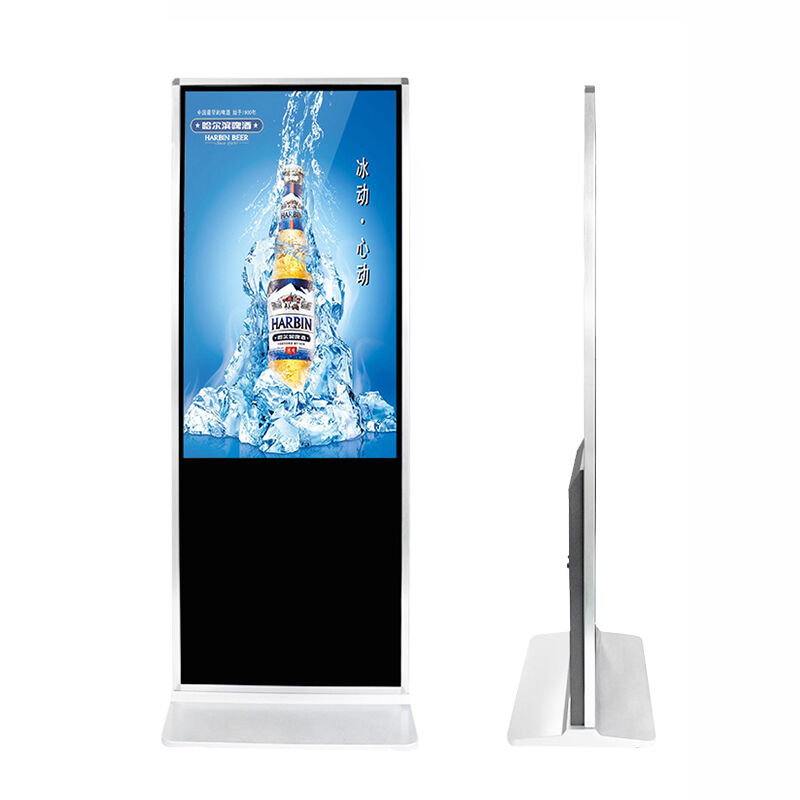
Modern businesses increasingly rely on interactive technology to engage customers and streamline operations in high-visibility environments. Floor standing kiosks have emerged as powerful solutions that combine functionality with visual appeal, making them essential tools for retail stores, airports, hospitals, and corporate lobbies. These self-service terminals offer unparalleled accessibility while maintaining a professional appearance that enhances brand image and customer experience.
The strategic placement of interactive terminals in prominent locations requires careful consideration of both technical specifications and aesthetic design elements. Floor standing kiosks provide the perfect balance between functionality and visual impact, ensuring maximum user engagement while seamlessly integrating into existing architectural spaces. Their robust construction and professional appearance make them ideal investments for organizations seeking to modernize customer interactions and improve operational efficiency.
Design Advantages of Floor Standing Interactive Terminals
Visual Impact and Brand Enhancement
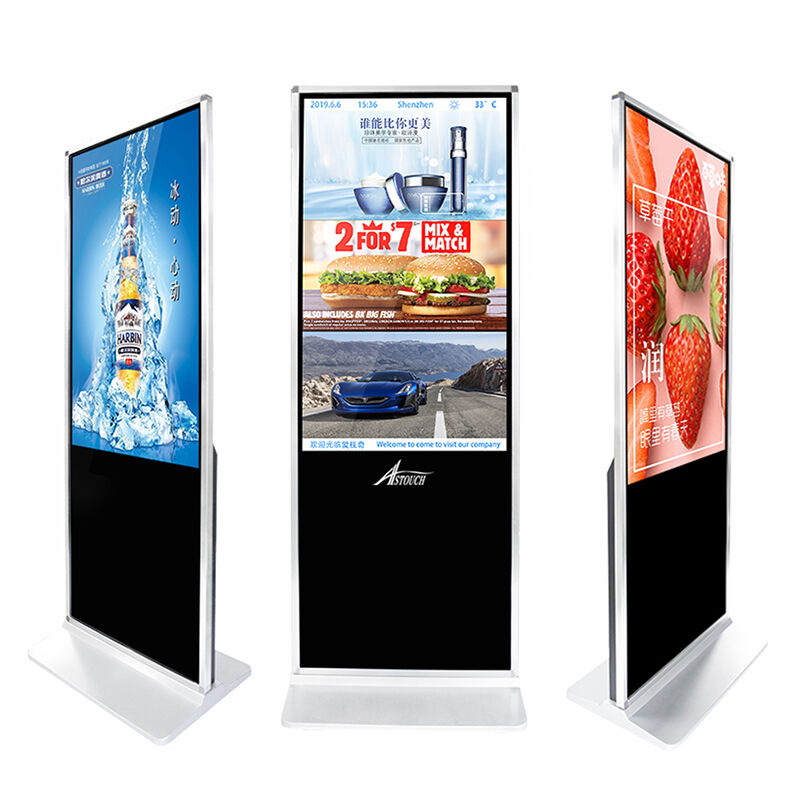
Floor standing kiosks create commanding visual presence in any environment, serving as both functional tools and marketing assets. Their substantial height and sleek design naturally draw attention from passing customers, making them highly effective for promoting services, products, or important information. The professional appearance of these terminals reinforces brand credibility while providing interactive experiences that leave lasting impressions on users.
The customizable nature of modern floor standing kiosks allows businesses to incorporate brand colors, logos, and design elements that align with existing corporate identity. This cohesive visual integration ensures that interactive terminals enhance rather than detract from carefully crafted interior design schemes. Premium materials and finishes available in contemporary models further elevate the perceived value of both the technology and the surrounding space.
Ergonomic Accessibility Features
Proper ergonomic design represents a critical advantage of floor standing kiosks over alternative mounting solutions. These terminals can be positioned at optimal heights to accommodate users of varying physical abilities, ensuring comfortable interaction for both seated and standing individuals. The stable base design eliminates concerns about screen wobble or instability that might occur with wall-mounted alternatives.
Advanced floor standing kiosks incorporate adjustable screen angles and intuitive interface layouts that minimize user fatigue during extended interactions. The generous screen real estate available on these terminals allows for larger text, clearer graphics, and more intuitive navigation elements that improve accessibility for users with visual impairments or limited technical experience.
Strategic Placement Benefits in High-Traffic Areas
Maximum Visibility and User Engagement
High-visibility spaces demand solutions that can capture attention while managing heavy user traffic efficiently. Floor standing kiosks excel in these environments due to their prominent positioning and robust construction that withstands constant use. Their strategic placement in lobbies, waiting areas, and main corridors ensures maximum exposure to target audiences while providing valuable services that reduce staff workload.
The positioning flexibility of floor standing kiosks allows businesses to optimize placement based on traffic patterns and user behavior analysis. Unlike fixed installations, these terminals can be relocated to accommodate changing layout requirements or seasonal promotional campaigns, providing long-term value and adaptability that justifies initial investment costs.
Traffic Flow Management
Effective crowd management becomes increasingly important in high-visibility spaces where customer satisfaction directly impacts business success. Floor standing kiosks serve as natural traffic distribution points, encouraging users to spread out rather than congregating around service desks or information counters. This improved traffic flow reduces wait times and creates more pleasant experiences for all visitors.
Strategic deployment of multiple floor standing kiosks can create efficient service zones that handle different types of inquiries or transactions simultaneously. This distributed approach prevents bottlenecks while ensuring that users can access required information or services without competing for limited resources or staff attention.
Technical Specifications and Durability Considerations
Industrial-Grade Construction Standards
High-visibility environments often involve challenging conditions that demand robust equipment capable of reliable operation under stress. Floor standing kiosks designed for commercial applications incorporate industrial-grade components and reinforced housing that protects sensitive electronics from damage caused by heavy usage, environmental factors, or accidental impacts.
Advanced thermal management systems within quality floor standing kiosks ensure consistent performance even during peak usage periods or in environments with variable temperature conditions. These cooling solutions prevent overheating issues that could lead to system failures or reduced component lifespan, making them ideal for continuous operation in demanding commercial settings.
Connectivity and Integration Capabilities
Modern floor standing kiosks offer extensive connectivity options that facilitate seamless integration with existing business systems and networks. Ethernet connections, Wi-Fi capabilities, and multiple USB ports enable real-time data synchronization with inventory systems, customer databases, and content management platforms. This connectivity ensures that displayed information remains current and accurate without requiring manual updates.
The modular design approach used in contemporary floor standing kiosks allows for future upgrades and expansions without requiring complete system replacement. Standardized interfaces and expansion slots accommodate additional peripherals such as receipt printers, card readers, or biometric scanners as business requirements evolve over time.
Cost-Effectiveness and Return on Investment
Labor Cost Reduction Benefits
Implementation of floor standing kiosks in high-visibility spaces typically results in significant labor cost savings by automating routine customer service tasks. These self-service terminals handle information requests, appointment scheduling, wayfinding assistance, and basic transactions without requiring dedicated staff members. The resulting personnel cost reductions often justify kiosk investments within the first year of operation.
Staff members freed from routine inquiries can focus on more complex customer needs that require human expertise and personal attention. This improved resource allocation enhances overall service quality while reducing operational overhead costs associated with maintaining large customer service teams.
Revenue Generation Opportunities
Beyond cost savings, floor standing kiosks create new revenue opportunities through advertising partnerships, premium service offerings, and impulse purchase facilitation. Digital advertising spaces on kiosk interfaces can generate ongoing rental income from third-party advertisers while providing additional value to customers through relevant promotional content.
Interactive product catalogs and ordering systems integrated into floor standing kiosks enable customers to browse extended inventory selections and place orders for items not physically displayed. This expanded sales capability increases average transaction values while reducing inventory storage requirements in high-rent retail locations.
Security and Maintenance Advantages
Physical Security Features
Floor standing kiosks incorporate multiple security layers designed to protect both hardware components and sensitive user data. Tamper-resistant enclosures with secure mounting systems prevent unauthorized access to internal components while maintaining professional appearance. Advanced locking mechanisms and alarm systems provide additional protection against theft or vandalism attempts.
Integrated security cameras and monitoring systems within floor standing kiosks can enhance overall facility security by providing additional surveillance coverage in high-traffic areas. These systems complement existing security infrastructure while collecting valuable usage analytics that inform future placement and configuration decisions.
Maintenance Accessibility and Service Support
The design of quality floor standing kiosks prioritizes maintenance accessibility to minimize service disruptions and associated costs. Front-facing service panels and modular component arrangements allow technicians to perform routine maintenance and repairs quickly without requiring specialized tools or extensive system disassembly.
Remote monitoring capabilities built into modern floor standing kiosks enable proactive maintenance scheduling based on actual usage patterns and component performance metrics. This predictive approach prevents unexpected failures while optimizing maintenance costs through efficient resource allocation and minimal downtime.
FAQ
What makes floor standing kiosks more suitable than wall-mounted alternatives for high-visibility spaces?
Floor standing kiosks offer superior visibility and accessibility compared to wall-mounted units, creating more commanding presence in high-traffic areas. Their freestanding design provides greater placement flexibility and eliminates structural mounting requirements that might limit installation options. Additionally, floor standing kiosks can accommodate larger screens and more robust hardware configurations that enhance user experience and system reliability.
How do floor standing kiosks contribute to improved customer flow management?
Floor standing kiosks serve as natural distribution points that encourage customers to spread throughout available space rather than congregating around traditional service counters. Strategic placement of multiple units creates efficient service zones that handle different functions simultaneously, reducing wait times and preventing bottlenecks. Their prominent positioning also provides clear visual cues that guide customer movement and promote self-service adoption.
What security measures protect floor standing kiosks in public environments?
Modern floor standing kiosks incorporate tamper-resistant enclosures, secure component mounting systems, and advanced locking mechanisms that protect against theft and vandalism. Many models include integrated alarm systems and surveillance capabilities that enhance overall facility security. Data encryption and secure communication protocols protect sensitive user information during transactions and interactions.
How quickly can businesses expect to see return on investment from floor standing kiosks?
Most businesses experience measurable ROI from floor standing kiosks within 12-18 months through labor cost reductions, increased transaction efficiency, and new revenue opportunities. The exact timeline depends on factors such as installation location, service types offered, and existing operational costs. Additional benefits like improved customer satisfaction and brand enhancement provide long-term value that extends beyond direct financial returns.
Table of Contents
- Design Advantages of Floor Standing Interactive Terminals
- Strategic Placement Benefits in High-Traffic Areas
- Technical Specifications and Durability Considerations
- Cost-Effectiveness and Return on Investment
- Security and Maintenance Advantages
-
FAQ
- What makes floor standing kiosks more suitable than wall-mounted alternatives for high-visibility spaces?
- How do floor standing kiosks contribute to improved customer flow management?
- What security measures protect floor standing kiosks in public environments?
- How quickly can businesses expect to see return on investment from floor standing kiosks?