EN
EN
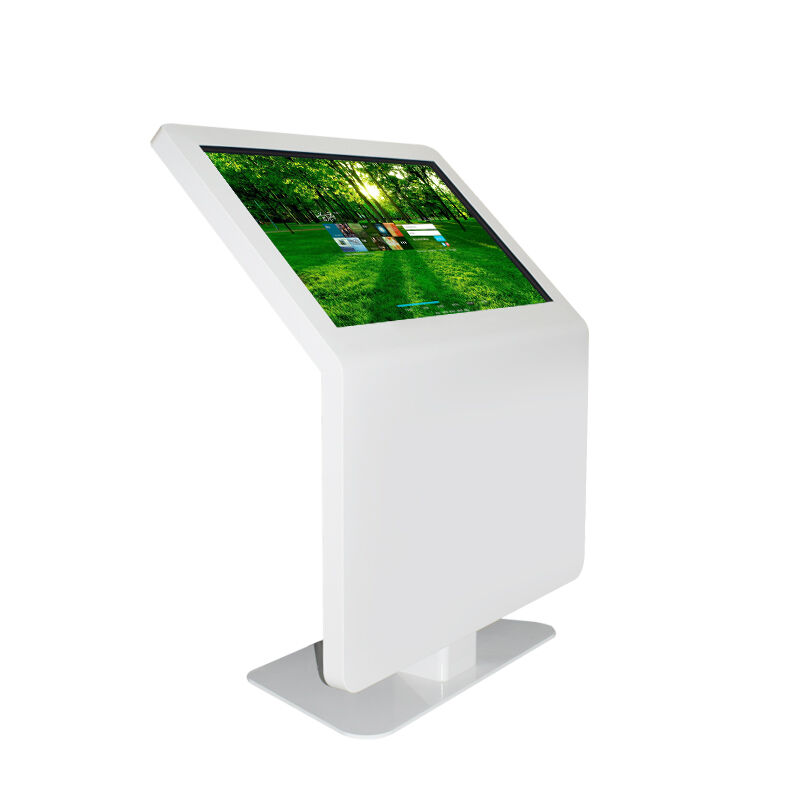
In high-traffic service environments, accuracy is not a luxury — it is a baseline requirement. Whether processing tickets, verifying documents, scanning barcodes, or validating payments, a checking machine embedded within a service kiosk plays a central role in eliminating human error and ensuring that every transaction is processed correctly the first time. As self-service technology continues to expand across retail, healthcare, transportation, and government sectors, understanding how a checking machine contributes to operational precision has become essential for businesses investing in kiosk infrastructure.
The integration of a checking machine into a service kiosk is not simply about adding hardware. It represents a deliberate design decision to build verification logic directly into the user interaction flow. When a kiosk is equipped with the right checking machine components — scanners, readers, validators, and sensors — it can cross-reference inputs against databases, flag inconsistencies in real time, and guide users toward correct actions without requiring staff intervention. This article explores the specific mechanisms through which a checking machine improves accuracy in service kiosks, and why that accuracy matters for both operators and end users.
The Role of a Checking Machine in the Kiosk Verification Workflow
How Input Validation Works at the Point of Interaction
Every service kiosk interaction begins with some form of input — a card swipe, a barcode scan, a document insertion, or a touchscreen entry. The checking machine component is responsible for validating that input before any downstream process is triggered. This validation step is what separates a reliable kiosk from one that produces errors, rejected transactions, or frustrated users.
At the hardware level, a checking machine typically includes optical sensors, magnetic readers, or camera-based recognition systems that capture raw data from the user's input. That data is then passed through a verification layer — either locally on the kiosk's processor or via a connected backend system — where it is checked against expected formats, authorized values, or live database records.
This real-time checking process is what makes the kiosk accurate. Without it, a user could enter an expired voucher, an invalid ID number, or a misread barcode, and the system would have no mechanism to catch the error before it propagates into a transaction record or a physical output like a printed receipt or dispensed item.
Feedback Loops That Correct Errors Before They Escalate
One of the most valuable functions of a checking machine in a kiosk context is its ability to generate immediate feedback when an input fails validation. Rather than silently processing a flawed entry or crashing the transaction, a well-designed checking machine triggers a user-facing prompt that explains what went wrong and how to correct it.
This feedback loop is critical for accuracy because it prevents errors from compounding. In a manual service environment, a staff member might catch a mistake after several steps have already been completed. In a kiosk equipped with a checking machine, the error is caught at the moment of input, before any irreversible action has been taken.
The result is a transaction flow that is both more accurate and more efficient. Users are guided through corrections in real time, reducing the need for voided transactions, manual overrides, or staff escalations. For operators managing high-volume kiosk deployments, this reduction in error-driven interruptions translates directly into throughput gains and lower operational costs.
Specific Accuracy Improvements Delivered by a Checking Machine
Document and Identity Verification Precision
In kiosks used for check-in, registration, or access control, document verification is one of the most error-prone steps when handled manually. A checking machine equipped with optical character recognition (OCR) or machine-readable zone (MRZ) scanning can extract and validate identity data from passports, national IDs, or driver's licenses with a level of precision that far exceeds manual inspection.
The checking machine reads the document's encoded data, compares it against the visually printed information, and cross-references it with any connected verification database. If the document is expired, altered, or does not match the expected format, the system flags it immediately. This multi-layer checking process significantly reduces the risk of accepting fraudulent or invalid documents.
For industries like healthcare, hospitality, and government services, where identity accuracy has legal and compliance implications, this capability is not optional. A checking machine that can reliably verify documents at the kiosk level removes a significant source of downstream error and liability.
Barcode and QR Code Reading Reliability
Barcode and QR code scanning is a standard feature in many service kiosks, but the accuracy of that scanning depends heavily on the quality of the checking machine components involved. Low-quality scanners may misread damaged codes, struggle with low-contrast printing, or fail entirely under certain lighting conditions. A high-performance checking machine scanner uses advanced imaging algorithms to decode codes reliably across a wide range of conditions.
Beyond raw scanning accuracy, the checking machine also validates the decoded data against expected patterns. A ticket barcode, for example, should match a specific format and correspond to a valid record in the event management system. If the scanned code does not meet these criteria, the checking machine rejects it and prompts the user accordingly, preventing unauthorized access or duplicate use.
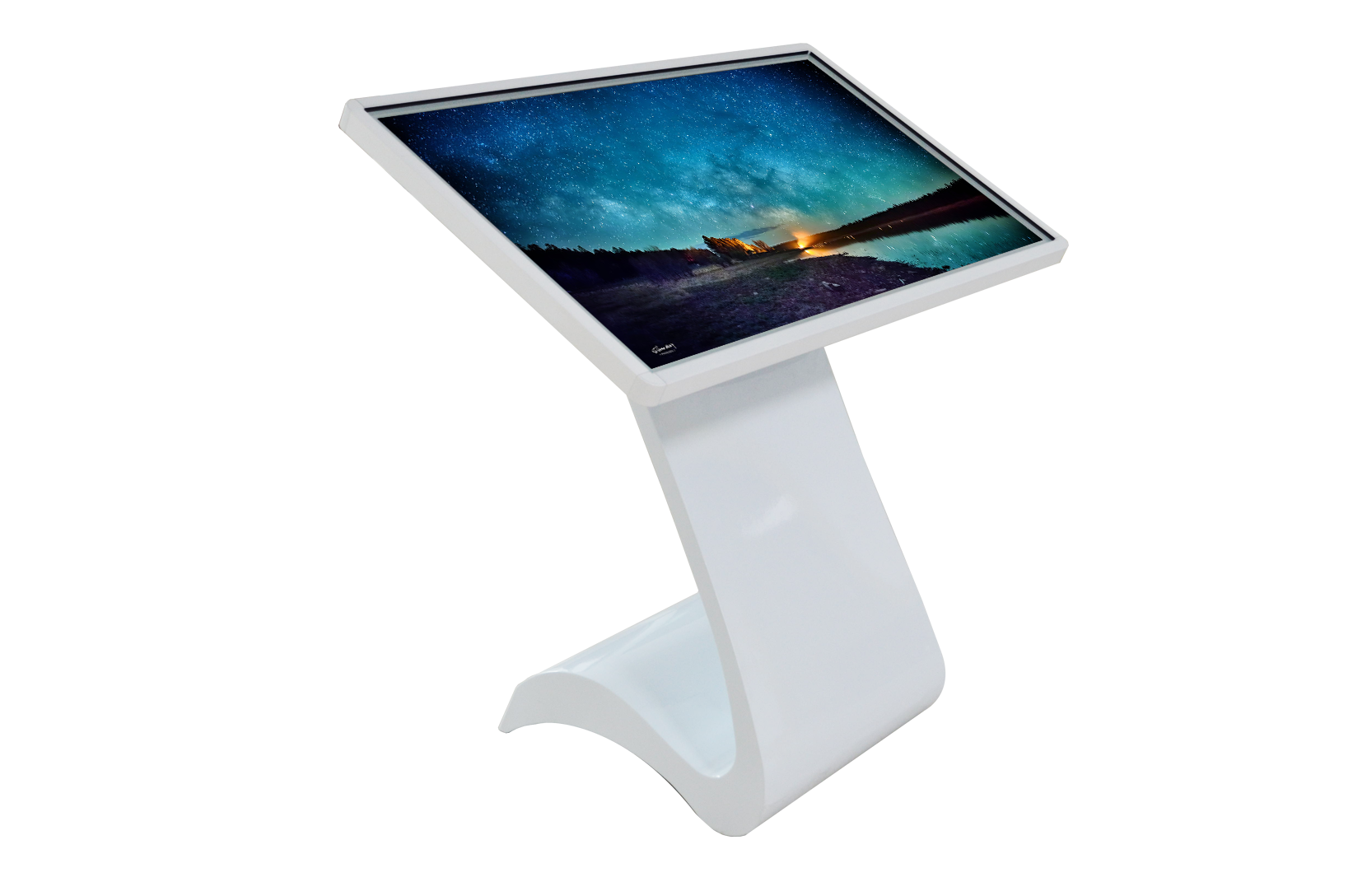
This combination of reliable scanning and intelligent validation is what makes a checking machine genuinely useful in high-stakes kiosk applications, rather than simply a peripheral that reads codes without understanding their context.
How Hardware and Software Integration Amplifies Checking Machine Accuracy
The Importance of Tight Hardware-Software Coupling
A checking machine does not operate in isolation. Its accuracy is directly influenced by how well its hardware components are integrated with the kiosk's software stack. When the scanner, reader, or sensor communicates seamlessly with the kiosk's operating system and application layer, the verification process is fast, consistent, and reliable. When that integration is loose or poorly engineered, latency, data loss, and misinterpretation become real risks.
Industrial-grade kiosks designed for demanding service environments prioritize this integration from the ground up. The checking machine components in these platforms are selected and tested to work within a unified hardware-software architecture, ensuring that every scan, read, or validation event is processed accurately and without unnecessary delay.
This tight coupling also enables more sophisticated checking logic. When the software layer has direct, low-latency access to hardware sensor data, it can implement multi-factor verification — for example, combining a barcode scan with a facial recognition check or a PIN entry — without introducing the timing errors that would occur in a loosely integrated system.
Processing Power and Its Effect on Real-Time Checking
The speed and accuracy of a checking machine are also constrained by the processing power available on the kiosk platform. Verification tasks — particularly those involving image recognition, database lookups, or cryptographic validation — are computationally intensive. A kiosk running on underpowered hardware may introduce delays in the checking process, which can lead to timeouts, incomplete validations, or user errors caused by impatience.
Kiosks built on capable processor platforms, such as those supporting Intel i3, i5, or i7 configurations, can handle complex checking machine operations in real time without degrading the user experience. This processing headroom is particularly important in environments where multiple verification steps must be completed within a single transaction flow.
For operators deploying kiosks in high-volume settings — airports, hospitals, retail chains, or government offices — investing in a platform with sufficient processing power is a direct investment in checking machine accuracy. Underpowered hardware is one of the most common and least visible causes of kiosk verification failures in the field.
Operational Benefits of Accurate Checking Machines in Service Kiosks
Reducing Staff Dependency and Escalation Rates
One of the primary business cases for deploying a checking machine within a service kiosk is the reduction of staff dependency. When a kiosk can accurately verify inputs, validate documents, and guide users through error correction without human assistance, the need for on-site staff to manage exceptions drops significantly. This is not about eliminating staff entirely — it is about redirecting their attention to tasks that genuinely require human judgment.
A checking machine that performs reliably reduces the escalation rate — the frequency with which users abandon the kiosk and seek staff help. High escalation rates are a signal that the kiosk's verification logic is failing, either because the hardware is inaccurate or because the feedback provided to users is insufficient. Improving checking machine accuracy directly addresses both of these root causes.
For operators managing large kiosk networks, even a modest reduction in escalation rates across hundreds of units translates into meaningful labor savings and improved service throughput. The checking machine is, in this sense, a force multiplier for the entire self-service operation.
Data Integrity and Downstream System Reliability
Accuracy at the kiosk level has consequences that extend well beyond the immediate transaction. Every piece of data captured by a checking machine — a scanned ID, a validated ticket, a confirmed payment — flows into backend systems where it informs inventory management, customer records, compliance reporting, and financial reconciliation. If the checking machine introduces errors at the point of capture, those errors propagate through every downstream system that relies on that data.
This is why data integrity is one of the most compelling arguments for investing in high-quality checking machine components. The cost of a verification error is not limited to the immediate transaction — it includes the time and resources required to identify, trace, and correct the error in every system it has touched.
A checking machine that consistently captures and validates data accurately is therefore not just a user experience improvement. It is a foundational element of a reliable, auditable, and scalable service operation. Operators who treat the checking machine as a peripheral add-on rather than a core system component often discover this lesson through costly data quality incidents.
FAQ
What types of inputs can a checking machine validate in a service kiosk?
A checking machine in a service kiosk can validate a wide range of inputs depending on the hardware configuration. Common examples include barcodes, QR codes, magnetic stripe cards, NFC or RFID chips, machine-readable documents such as passports and IDs, printed vouchers, and PIN or password entries. The specific validation capabilities depend on the sensors and readers integrated into the kiosk platform and the verification logic implemented in the software layer.
How does a checking machine handle errors without staff intervention?
When a checking machine detects an invalid or unrecognized input, it triggers an on-screen prompt that explains the issue and guides the user through the correction process. For example, if a barcode scan fails, the system may ask the user to reposition the code or enter a reference number manually. This self-correction flow is designed to resolve the majority of common errors without requiring staff involvement, keeping the transaction moving and reducing queue buildup.
Does the accuracy of a checking machine depend on the kiosk's hardware quality?
Yes, significantly. The accuracy of a checking machine is directly influenced by the quality of its sensors, readers, and the processing power available on the kiosk platform. Industrial-grade components designed for continuous operation in demanding environments consistently outperform consumer-grade alternatives in terms of read accuracy, response speed, and long-term reliability. Choosing a kiosk platform built with purpose-selected hardware is one of the most effective ways to ensure checking machine accuracy in production deployments.
Can a checking machine improve compliance in regulated industries?
A checking machine can play an important role in compliance by ensuring that only valid, verified inputs are accepted and recorded. In regulated industries such as healthcare, finance, and government services, this means that identity documents are properly validated, access credentials are confirmed, and transaction records are based on accurately captured data. While a checking machine alone does not guarantee full regulatory compliance, it removes a significant source of human error from the verification process and creates a more auditable transaction record.