Industrial Computer Solutions: Ruggedized Computing for Manufacturing and Automation

Get a Free Quote

Our representative will contact you soon.
Email
Name
Company Name
Mobile/WhatsApp
Message
0/1000

industrial computer

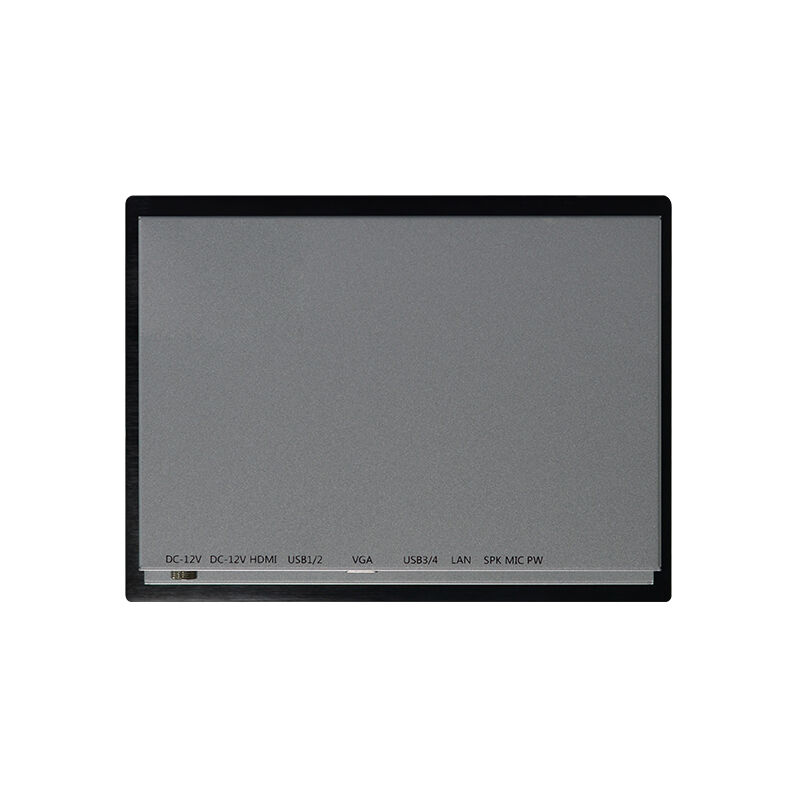
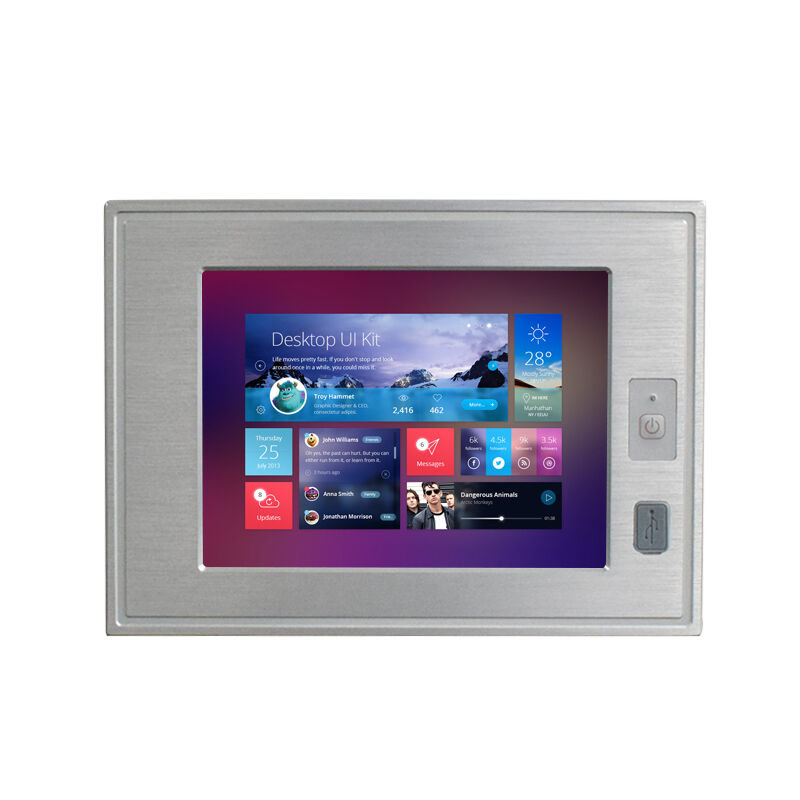
An industrial computer represents a specialized computing solution engineered to operate reliably in harsh manufacturing and production environments where standard commercial computers would fail. Unlike conventional desktop computers, an industrial computer features ruggedized construction designed to withstand extreme temperatures, vibrations, dust, moisture, and electromagnetic interference commonly found in factory floors, outdoor installations, and mission-critical applications. These robust computing systems serve as the backbone for modern industrial automation, providing real-time data processing, control capabilities, and seamless integration with various industrial equipment and sensors. The industrial computer typically incorporates fanless cooling designs, solid-state storage, and reinforced enclosures to ensure continuous operation without maintenance interruptions. Key technological features include extended operating temperature ranges from -40°C to 85°C, shock and vibration resistance meeting industrial standards, multiple I/O ports for connecting diverse industrial devices, and long-term availability guarantees ensuring consistent supply for multi-year projects. Industrial computers support various form factors including panel PCs, rack-mounted systems, DIN rail mountable units, and embedded solutions tailored to specific application requirements. These systems often feature industrial-grade processors optimized for reliability rather than peak performance, error-correcting memory modules, and redundant power supply options. Common applications span manufacturing automation, process control, machine vision systems, data acquisition, human-machine interfaces, edge computing, transportation systems, energy management, and outdoor monitoring stations. The industrial computer enables businesses to digitize operations, implement Industry 4.0 initiatives, and maintain consistent production quality through real-time monitoring and control capabilities that standard computers cannot provide in demanding industrial environments.

Popular Products

Industrial computers deliver substantial operational benefits that directly impact business productivity and cost efficiency. These specialized systems eliminate frequent downtime experienced with standard computers in harsh environments, ensuring continuous production operations that maximize manufacturing output and revenue generation. The ruggedized design significantly reduces maintenance requirements, lowering total cost of ownership through decreased service calls, replacement parts, and technical support expenses over the system lifecycle. Extended operating temperature capabilities allow deployment in locations where climate control would be expensive or impractical, expanding installation possibilities while reducing infrastructure costs. The fanless cooling architecture eliminates moving parts that typically fail in dusty or vibrating environments, providing maintenance-free operation that reduces labor costs and prevents unexpected production interruptions. Industrial computers offer superior longevity with typical lifespans exceeding 7-10 years compared to 3-5 years for commercial computers, providing better return on investment and reducing frequent hardware refresh cycles. Enhanced connectivity options enable seamless integration with existing industrial equipment, sensors, and control systems without requiring expensive adapters or interface modules. Real-time processing capabilities ensure immediate response to critical events, preventing equipment damage, safety incidents, and quality defects that could result in costly recalls or liability issues. The compact, space-efficient designs optimize valuable factory floor real estate while providing powerful computing capabilities that support advanced automation and monitoring applications. Industrial computers support remote management and monitoring capabilities, enabling proactive maintenance scheduling and rapid troubleshooting that minimizes on-site service requirements. These systems provide consistent performance under varying environmental conditions, ensuring reliable data collection and process control that maintains product quality standards and regulatory compliance. The robust construction eliminates concerns about equipment failure during critical production periods, providing peace of mind and operational stability that allows businesses to focus on core manufacturing activities rather than IT infrastructure management.

Latest News

How Can a Self Ordering Kiosk Improve Efficiency in Restaurants?

25

Dec

How Can a Self Ordering Kiosk Improve Efficiency in Restaurants?

The restaurant industry faces mounting pressure to deliver faster service, reduce operational costs, and enhance customer satisfaction. A self ordering kiosk represents a transformative solution that addresses these challenges while positioning estab...
View More
How Can an Interactive Flat Panel Improve Classroom Collaboration?

11

Dec

How Can an Interactive Flat Panel Improve Classroom Collaboration?

Modern classrooms are evolving rapidly, and educators are constantly seeking innovative tools to enhance student engagement and learning outcomes. The integration of digital technology in educational environments has become essential for creating dyn...
View More
How Does a Mirror Display Combine Functionality and Aesthetics?

10

Jan

How Does a Mirror Display Combine Functionality and Aesthetics?

A mirror display represents one of the most innovative convergences of traditional aesthetics and cutting-edge digital technology in today's commercial and residential environments. These sophisticated devices seamlessly blend the reflective properti...
View More
Why Choose a Bar Display for Retail Shelving and Advertising?

28

Jan

Why Choose a Bar Display for Retail Shelving and Advertising?

Modern retail environments demand innovative solutions that capture customer attention while maximizing space efficiency. The bar display has emerged as a revolutionary technology that transforms traditional retail shelving into dynamic advertising p...
View More

Get a Free Quote

Our representative will contact you soon.
Email
Name
Company Name
Mobile/WhatsApp
Message
0/1000

industrial computer

Unmatched Environmental Resilience for Demanding Applications

Unmatched Environmental Resilience for Demanding Applications

The industrial computer excels in extreme environmental conditions where standard computing equipment simply cannot survive or maintain reliable operation. This exceptional resilience stems from purpose-built engineering that addresses the unique challenges of industrial environments including temperature extremes, mechanical stress, contamination, and electromagnetic interference. The ruggedized enclosure construction utilizes aluminum alloy housings with IP65 or higher ingress protection ratings, effectively sealing internal components against dust, water, oils, and chemical vapors commonly present in manufacturing facilities. Advanced thermal management systems employ fanless designs with strategically placed heat sinks and thermal interface materials that efficiently dissipate heat without introducing failure-prone moving parts, enabling operation in ambient temperatures ranging from -40°C to 85°C without performance degradation or component damage. Shock and vibration resistance meets stringent MIL-STD and IEC standards, allowing deployment on moving machinery, transportation vehicles, and high-vibration industrial equipment without risk of mechanical failure or data corruption. The industrial computer incorporates conformal coating on circuit boards that provides additional protection against moisture, corrosive gases, and temperature cycling that would quickly destroy conventional electronics. EMC compliance ensures reliable operation in electrically noisy environments with heavy machinery, variable frequency drives, and high-power switching equipment that generate significant electromagnetic interference. This environmental resilience translates directly into reduced maintenance costs, extended equipment lifecycle, and uninterrupted operations in applications where downtime costs thousands of dollars per minute, making the industrial computer an essential investment for businesses operating in challenging conditions.
Superior Reliability Through Industrial-Grade Components

Superior Reliability Through Industrial-Grade Components

Industrial computers achieve exceptional reliability through careful selection and integration of industrial-grade components specifically designed for continuous operation and extended lifecycle requirements. Every component undergoes rigorous qualification testing and validation processes that far exceed consumer electronics standards, ensuring consistent performance throughout the product lifecycle. The industrial computer utilizes enterprise-class solid-state drives with enhanced wear leveling algorithms and over-provisioning that prevents data loss and maintains performance even after millions of write cycles, eliminating the mechanical failure risks associated with traditional hard drives in vibrating environments. Industrial-grade memory modules feature error correction codes, wider operating temperature ranges, and enhanced screening processes that detect and prevent data corruption, ensuring system stability during critical operations. Power supply systems incorporate wide input voltage ranges, surge protection, and power failure detection with automatic shutdown sequences that protect data integrity during electrical disturbances common in industrial facilities. The motherboard design emphasizes long-term component availability with standardized interfaces and modular architectures that facilitate future upgrades and maintenance without complete system replacement. Industrial processors are selected for their proven reliability records, extended temperature specifications, and long-term roadmap commitments from manufacturers, ensuring consistent supply and support throughout multi-year deployment cycles. Quality control processes include extensive burn-in testing, thermal cycling, and accelerated aging that identifies potential failure modes before deployment, significantly reducing field failure rates compared to commercial computing systems. This commitment to reliability ensures that industrial computers maintain consistent uptime performance that typically exceeds 99.9%, providing the dependable foundation required for mission-critical applications where system failures could result in production losses, safety hazards, or regulatory compliance issues.
Seamless Integration and Flexible Connectivity Solutions

Seamless Integration and Flexible Connectivity Solutions

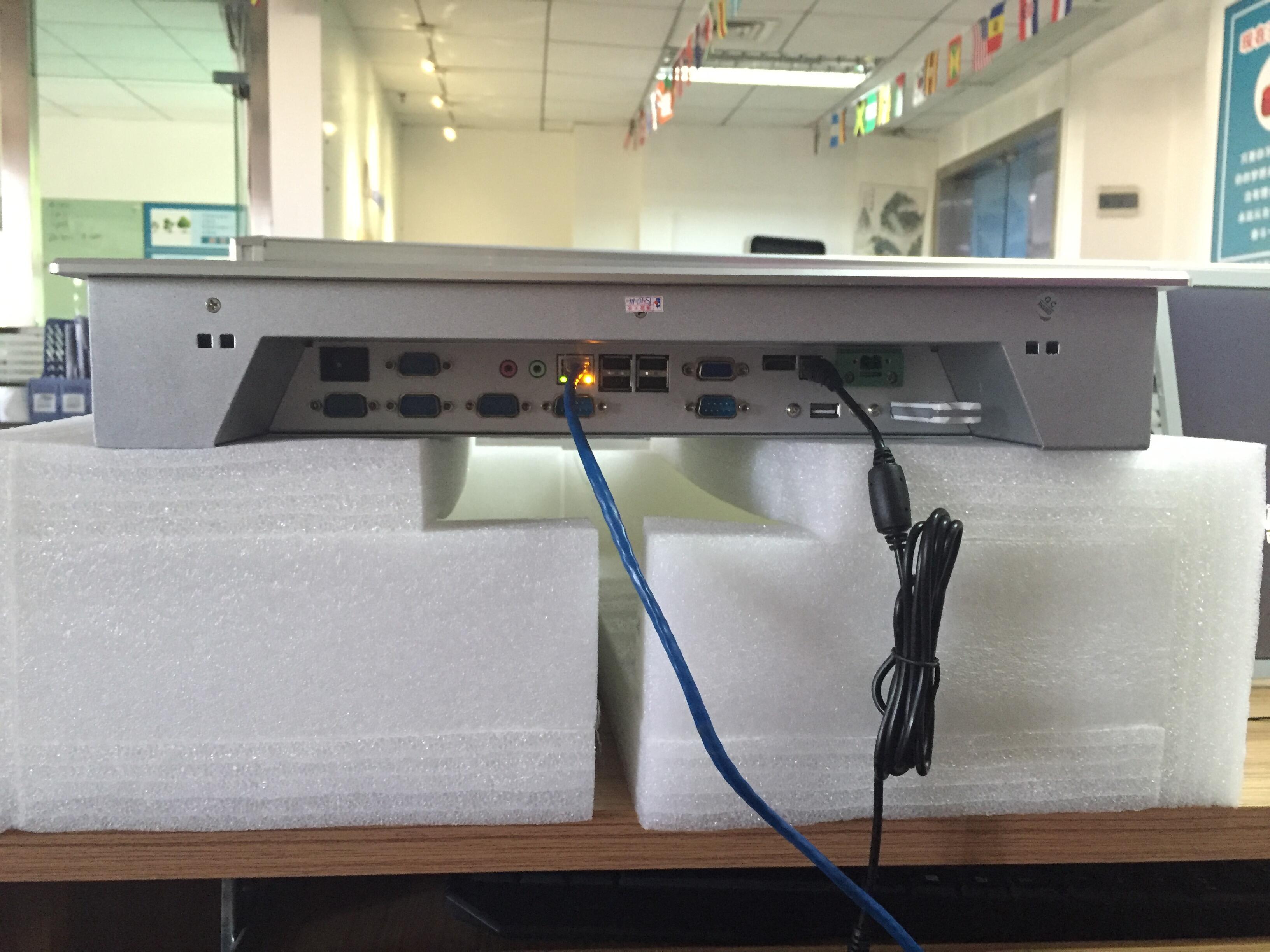
The industrial computer excels at integrating seamlessly with diverse industrial equipment and legacy systems through comprehensive connectivity options and flexible interface configurations that accommodate virtually any application requirement. Multiple communication protocols including Ethernet, serial RS-232/422/485, CAN bus, Modbus, Profibus, and wireless standards enable direct connection to PLCs, sensors, actuators, and other industrial devices without requiring expensive protocol converters or gateway devices. Extensive I/O capabilities provide digital inputs and outputs, analog signal processing, and specialized interfaces for encoders, thermocouples, and pressure transducers, allowing the industrial computer to serve as a centralized data acquisition and control hub. Hot-swappable modules and expansion slots accommodate future connectivity requirements and technology upgrades without system downtime, protecting long-term investment while maintaining operational flexibility. The compact form factors and mounting options including DIN rail, panel mount, wall mount, and rack mount configurations enable installation in space-constrained locations while maintaining full functionality and accessibility for maintenance. Edge computing capabilities allow local data processing and decision making that reduces network bandwidth requirements and improves response times for time-critical applications, while maintaining connectivity to higher-level management systems for reporting and analysis. Cybersecurity features including secure boot, encrypted communications, and VPN support ensure safe integration with corporate networks and cloud services while maintaining operational technology security requirements. Remote management capabilities enable centralized monitoring, configuration updates, and troubleshooting across multiple installations, reducing on-site service requirements and enabling proactive maintenance strategies. The industrial computer supports both modern digital protocols and legacy analog systems, providing a bridge between older equipment and newer digital infrastructure that enables gradual modernization without requiring complete system replacement, maximizing return on existing equipment investments while preparing for future technology adoption.

Get a Free Quote

Our representative will contact you soon.
Email
Name
Company Name
Mobile/WhatsApp
Message
0/1000