Digital Buying Guide Display Solutions: Interactive Retail Technology for Enhanced Customer Experience

Get a Free Quote

Our representative will contact you soon.
Email
Name
Company Name
Mobile/WhatsApp
Message
0/1000

digital buying guide display

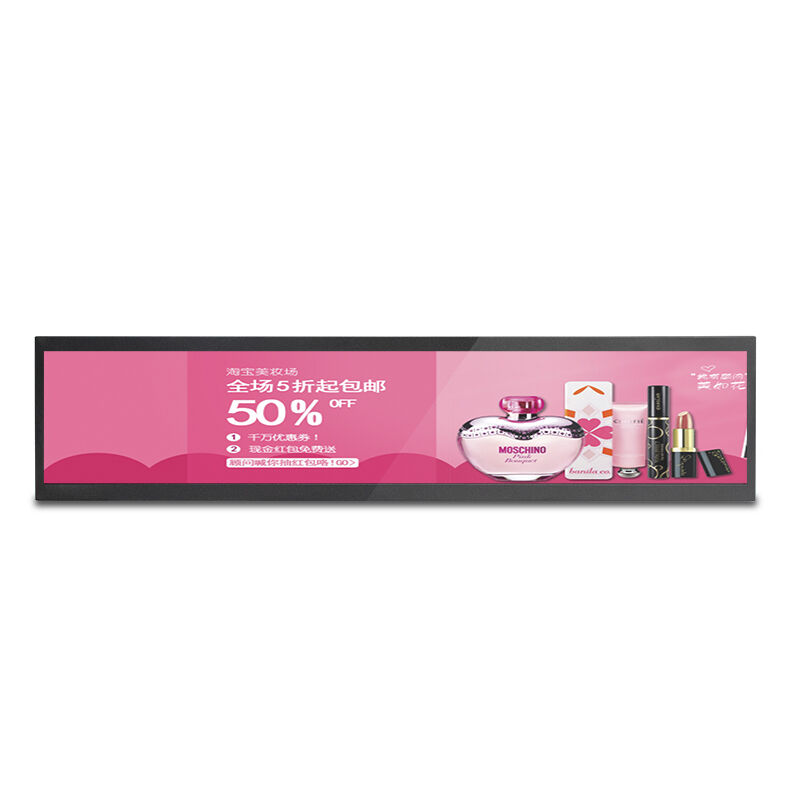
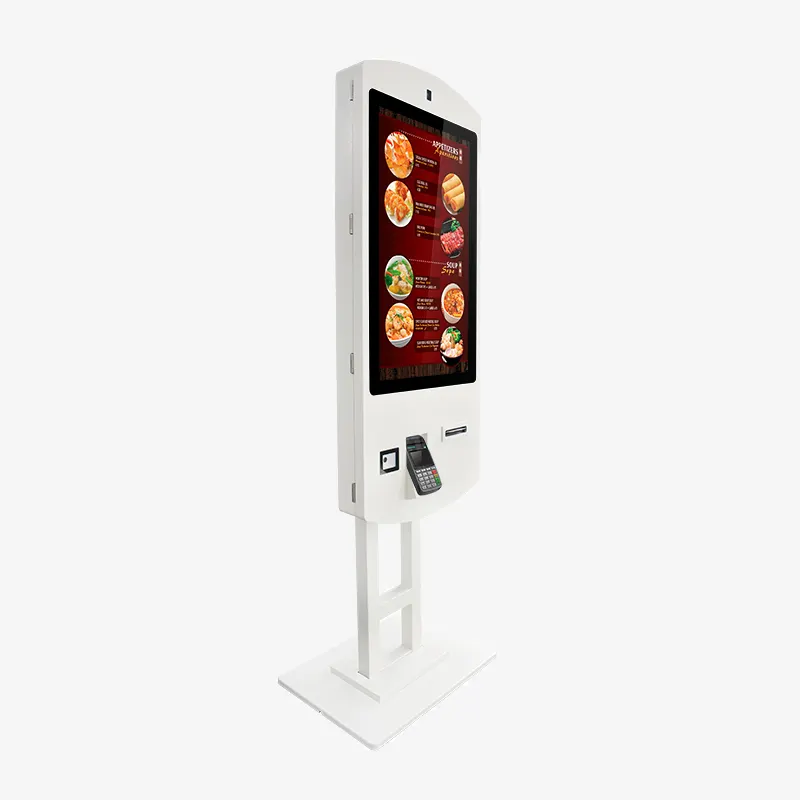
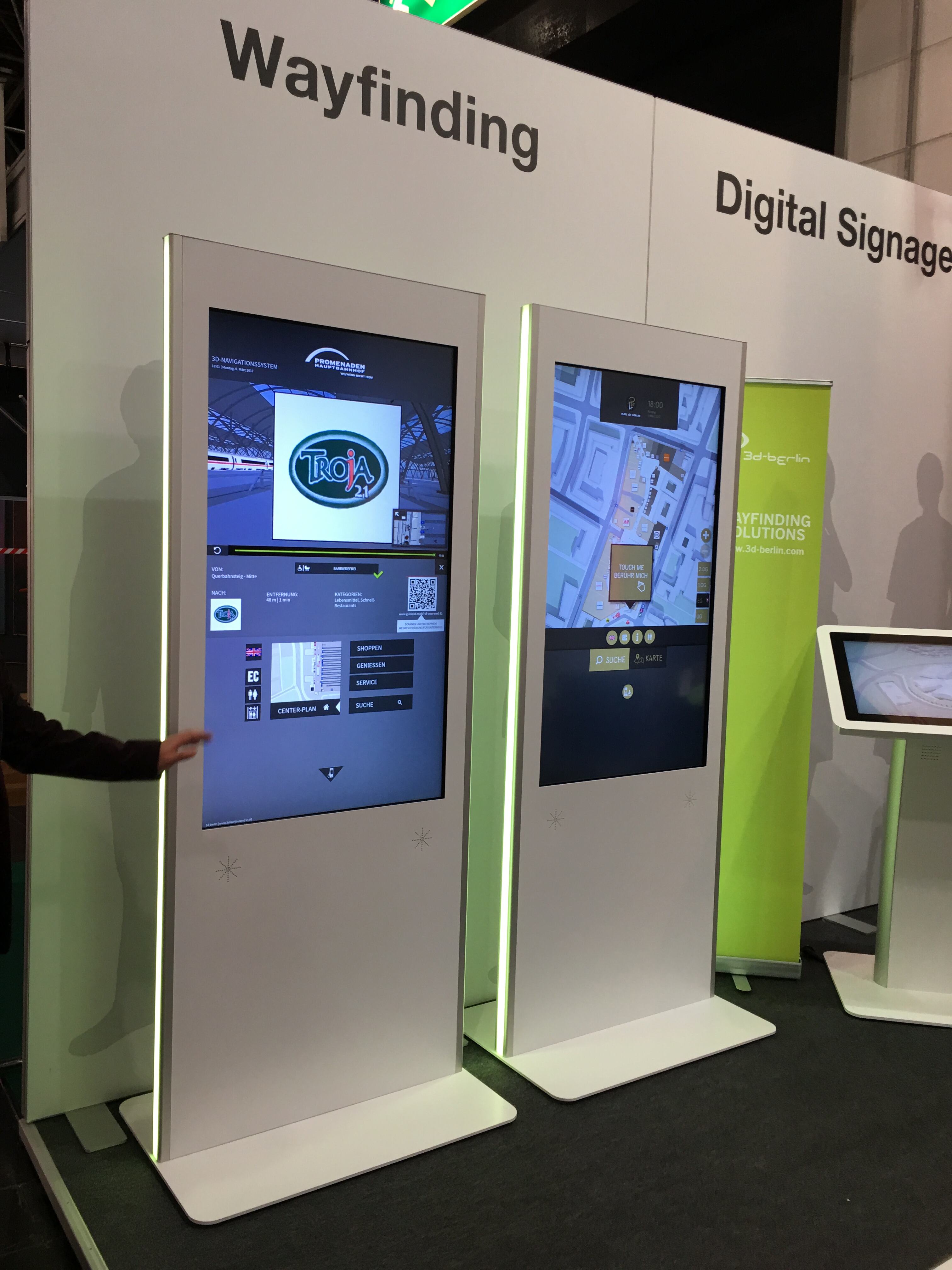
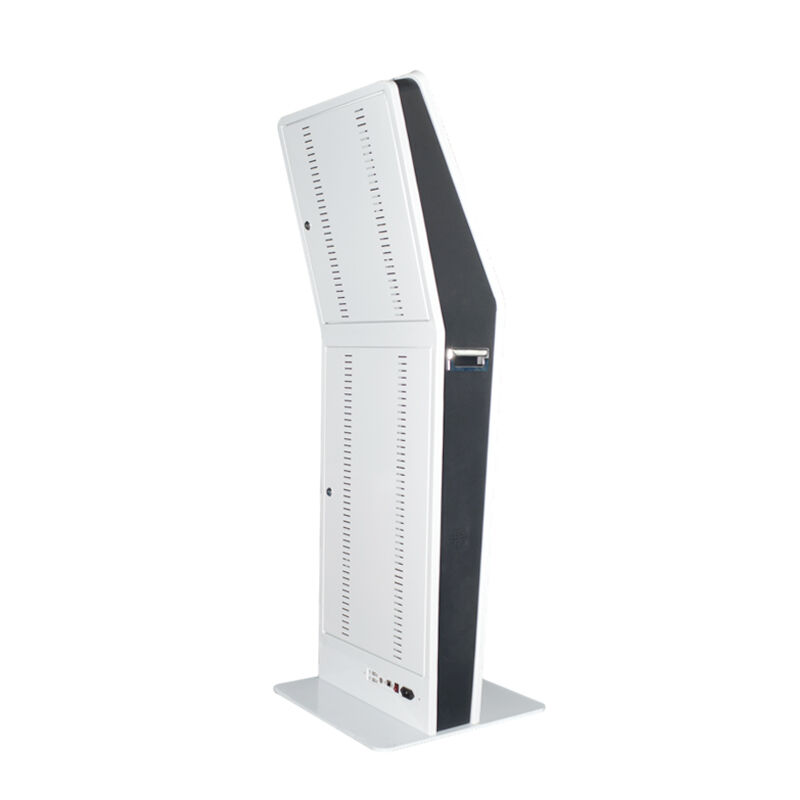
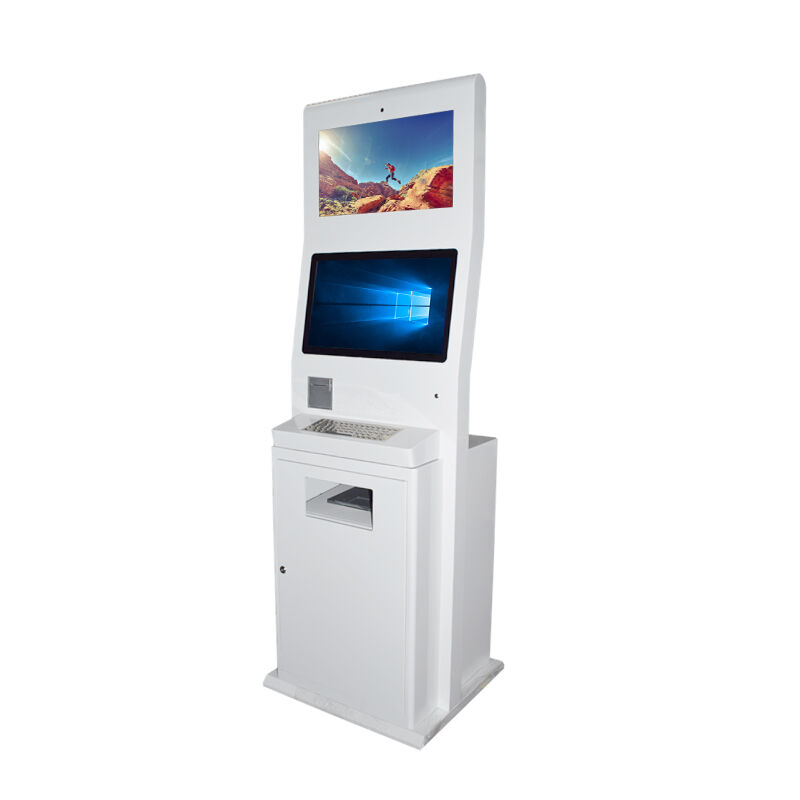
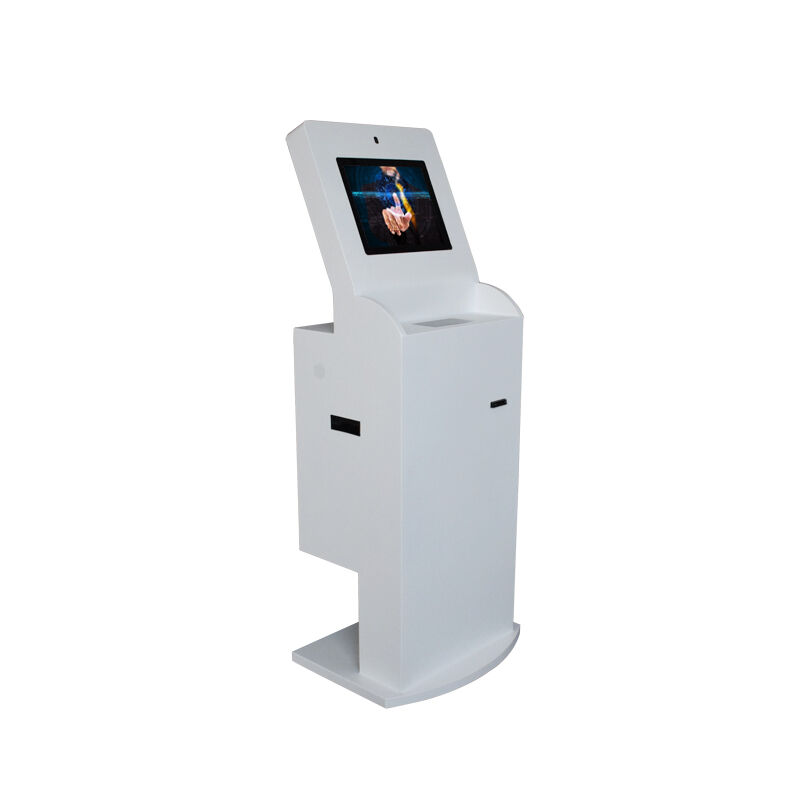
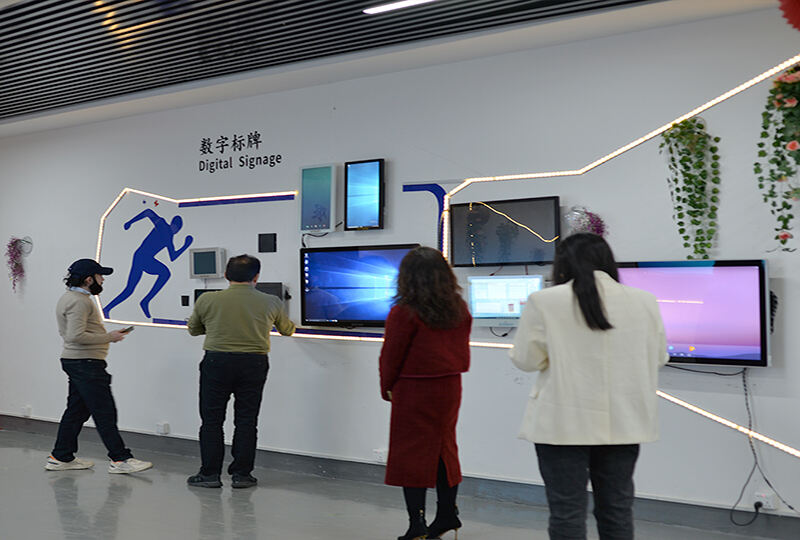
The digital buying guide display represents a revolutionary advancement in retail technology, transforming how customers interact with product information and make purchasing decisions. This sophisticated system combines cutting-edge display technology with intelligent software to create an interactive shopping experience that guides consumers through their buying journey. At its core, the digital buying guide display functions as an intelligent retail assistant, presenting detailed product specifications, comparisons, recommendations, and real-time inventory information through high-resolution screens strategically positioned throughout retail environments. The system utilizes advanced touchscreen interfaces, motion sensors, and artificial intelligence algorithms to deliver personalized shopping experiences tailored to individual customer preferences and requirements. Key technological features include multi-touch capabilities supporting simultaneous user interactions, cloud-based content management systems enabling real-time updates across multiple locations, and integration capabilities with existing retail management systems including inventory databases, customer relationship management platforms, and point-of-sale terminals. The display hardware typically incorporates commercial-grade LCD or LED panels with enhanced durability ratings, anti-glare coatings for optimal visibility under various lighting conditions, and energy-efficient components designed for continuous operation. Software components feature intuitive user interfaces with customizable layouts, multilingual support for diverse customer bases, and analytics tracking capabilities that monitor user engagement patterns and popular product inquiries. Applications span numerous retail sectors including electronics stores, automotive dealerships, home improvement centers, fashion boutiques, and specialty retail environments where complex product information requires clear presentation. The digital buying guide display serves multiple stakeholder needs simultaneously, providing customers with comprehensive product knowledge while offering retailers valuable insights into consumer behavior patterns, popular product categories, and frequently asked questions that can inform inventory decisions and staff training programs.

New Products

The digital buying guide display delivers substantial benefits that transform retail operations and customer experiences in measurable ways. First, these systems dramatically reduce customer wait times by providing instant access to detailed product information without requiring staff assistance. Customers can explore product features, compare specifications, and access user reviews independently, leading to more confident purchasing decisions and reduced return rates. Retailers benefit from increased staff efficiency as employees can focus on complex customer service tasks rather than answering routine product questions repeatedly. The system's ability to display real-time inventory levels prevents customer frustration from discovering unavailable products after extensive research, while also enabling immediate alternative product suggestions based on similar features or price ranges. Cost savings emerge through reduced printing expenses for product catalogs, brochures, and specification sheets, as all information updates occur digitally through centralized management systems. The digital buying guide display enhances sales performance by presenting upselling and cross-selling opportunities at crucial decision moments, displaying complementary products and accessories relevant to customer interests. Analytics capabilities provide retailers with unprecedented insights into customer behavior patterns, revealing which products generate most interest, common comparison scenarios, and typical browsing pathways that inform marketing strategies and store layout optimizations. Customer satisfaction increases significantly as shoppers appreciate access to comprehensive product information, video demonstrations, and expert recommendations available twenty-four hours daily without scheduling appointments or waiting for staff availability. The system's multilingual capabilities expand market reach by accommodating diverse customer demographics, while accessibility features ensure compliance with disability accommodation requirements. Environmental benefits include reduced paper waste from printed materials and lower energy consumption compared to traditional lighting systems for product displays. Revenue growth occurs through improved conversion rates as customers who access detailed product information show higher purchase completion percentages compared to those relying solely on basic product labels or limited staff interactions. The digital buying guide display also supports omnichannel retail strategies by synchronizing online and in-store product information, ensuring consistent customer experiences across all touchpoints while enabling features like online ordering for in-store pickup or home delivery scheduling.

Practical Tips

How Can a Self Ordering Kiosk Improve Efficiency in Restaurants?

25

Dec

How Can a Self Ordering Kiosk Improve Efficiency in Restaurants?

The restaurant industry faces mounting pressure to deliver faster service, reduce operational costs, and enhance customer satisfaction. A self ordering kiosk represents a transformative solution that addresses these challenges while positioning estab...
View More
How Can an Interactive Flat Panel Improve Classroom Collaboration?

11

Dec

How Can an Interactive Flat Panel Improve Classroom Collaboration?

Modern classrooms are evolving rapidly, and educators are constantly seeking innovative tools to enhance student engagement and learning outcomes. The integration of digital technology in educational environments has become essential for creating dyn...
View More
Why Choose an Interactive Display for Business Presentations?

05

Dec

Why Choose an Interactive Display for Business Presentations?

Modern business environments demand presentation solutions that engage audiences and facilitate meaningful collaboration. An interactive display represents a revolutionary shift from traditional projection systems, offering touch-enabled capabilities...
View More
What Features Make an Advertising Display More Effective?

22

Jan

What Features Make an Advertising Display More Effective?

Modern businesses face increasing competition for consumer attention, making the choice of an effective advertising display crucial for marketing success. Digital advertising displays have revolutionized how companies communicate with their target au...
View More

Get a Free Quote

Our representative will contact you soon.
Email
Name
Company Name
Mobile/WhatsApp
Message
0/1000

digital buying guide display

Interactive Product Comparison Technology

Interactive Product Comparison Technology

The digital buying guide display's interactive product comparison technology stands as its most compelling feature, revolutionizing how customers evaluate purchase options in retail environments. This advanced system enables simultaneous comparison of multiple products across various specification categories, presenting complex technical information in easily digestible visual formats that eliminate confusion and accelerate decision-making processes. Unlike traditional shopping methods where customers must memorize product details or take notes while moving between different display areas, this technology consolidates all relevant information onto a single interface, allowing side-by-side comparisons that highlight key differences and similarities between competing products. The system automatically updates comparison data based on current inventory levels, pricing changes, and newly arrived products, ensuring customers always access the most accurate and comprehensive information available. Visual comparison tools include interactive charts, graphs, and specification tables that adapt to different product categories, whether customers are comparing laptop computers with varying processor speeds and memory configurations, or automobiles with different engine options and safety features. The technology incorporates intelligent filtering capabilities that allow customers to prioritize specific features most important to their needs, such as budget constraints, performance requirements, or brand preferences, automatically highlighting products that best match their criteria while dimming less suitable options. Advanced algorithms analyze customer interaction patterns to suggest additional comparison parameters they might not have considered, such as warranty terms, energy efficiency ratings, or compatibility requirements with existing products they own. The system's ability to display user-generated reviews and professional ratings alongside technical specifications provides customers with comprehensive perspectives combining expert analysis with real-world usage experiences from other buyers. Integration with manufacturer databases ensures access to the most current product documentation, including installation guides, troubleshooting resources, and maintenance recommendations that influence long-term ownership satisfaction. This comparison technology particularly excels in complex purchase categories where multiple factors influence buying decisions, helping customers understand trade-offs between different feature combinations and price points while building confidence in their final selection through thorough evaluation of available options.
Real-Time Inventory Integration

Real-Time Inventory Integration

Real-time inventory integration represents a game-changing capability of the digital buying guide display, eliminating the frustration and inefficiency associated with traditional retail inventory management approaches. This sophisticated feature connects directly with store inventory management systems, providing customers with instant, accurate information about product availability, expected restock dates, and alternative options when desired items are temporarily unavailable. The system updates inventory status continuously throughout the day, reflecting purchases made both in-store and through online channels, ensuring customers never encounter disappointing situations where they invest time researching products only to discover unavailability at the point of purchase. Beyond basic stock levels, the integration provides detailed availability information including specific model variants, color options, sizes, and configurations currently in stock, along with estimated arrival times for incoming shipments when items are on backorder. Customers benefit from advanced reservation capabilities that allow them to hold products while completing their shopping or consulting with family members, preventing loss of desired items to other customers during decision-making periods. The system intelligently suggests alternative products when specific items are unavailable, using sophisticated matching algorithms that consider similar features, comparable pricing, and customer reviews to present viable substitutes that meet originally expressed requirements. Geographic inventory tracking enables customers to check availability at nearby store locations, facilitating easy transfers or providing directions to alternative shopping locations where desired products remain in stock. Integration extends beyond simple inventory numbers to include detailed product condition information, distinguishing between new merchandise, open-box items, display models, and refurbished products with appropriate pricing adjustments clearly indicated. The system supports advanced inventory features such as pre-order capabilities for upcoming product releases, automatic notifications when backordered items arrive, and seasonal availability information that helps customers plan purchases around predictable stock cycles. Staff productivity improves dramatically as the real-time inventory integration reduces time spent manually checking stock levels, answering availability questions, and managing customer expectations around product delivery timeframes, allowing employees to focus on higher-value customer service activities that require human expertise and relationship-building skills.

Personalized Shopping Experience Engine

Personalized Shopping Experience Engine

The personalized shopping experience engine within the digital buying guide display transforms generic retail interactions into tailored customer journeys that adapt to individual preferences, shopping history, and behavioral patterns. This intelligent system leverages advanced machine learning algorithms to analyze customer interactions, purchase history, and expressed preferences, creating dynamic shopping experiences that evolve with each user engagement. The personalization begins immediately when customers approach the display, using various identification methods including loyalty card scanning, mobile device proximity detection, or simple preference questionnaires to establish user profiles that guide subsequent recommendations and information presentation. The engine remembers previous shopping sessions, allowing returning customers to resume research where they left off, access previously saved product comparisons, and receive updates on items they showed interest in during earlier visits. Recommendation algorithms continuously refine their accuracy by analyzing successful purchase patterns, customer feedback, and return data to improve future suggestions for similar customer profiles. The system personalizes information presentation styles based on detected customer preferences, adjusting technical detail levels for users who prefer comprehensive specifications versus those seeking simplified overviews, and modifying visual layouts to emphasize features most relevant to individual shopping criteria. Seasonal and contextual personalization ensures recommendations align with current customer needs, considering factors such as gift-giving occasions, seasonal product relevance, and promotional timing to present the most appropriate options for each shopping context. The engine supports family and group shopping scenarios by maintaining multiple user profiles within single sessions, balancing different preferences and requirements when couples or families collaborate on purchase decisions. Privacy controls allow customers to manage their personalization level preferences, opting for anonymous browsing when desired while still benefiting from general recommendation algorithms that don't require personal data storage. Integration with customer relationship management systems enables the personalization engine to consider broader customer lifetime value factors, purchase frequency patterns, and service history when making recommendations, ensuring suggestions align with established customer relationships and loyalty program benefits. The system's ability to learn from collective customer behavior patterns while maintaining individual privacy creates a unique balance between personalization effectiveness and data protection requirements, building customer trust through transparent data usage policies and easily accessible preference management controls.

Get a Free Quote

Our representative will contact you soon.
Email
Name
Company Name
Mobile/WhatsApp
Message
0/1000