self-ordering kiosks
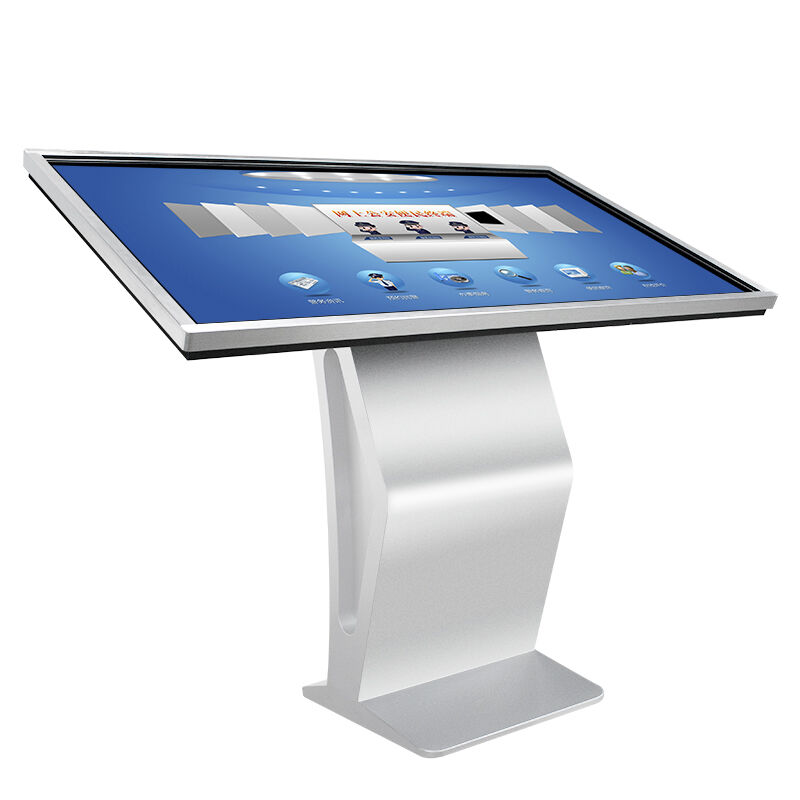
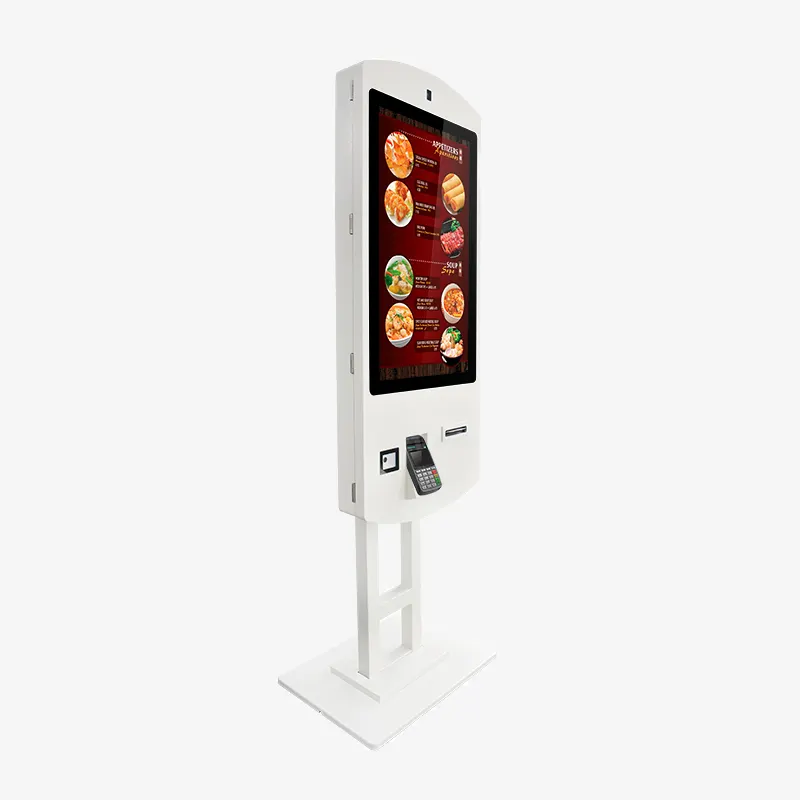
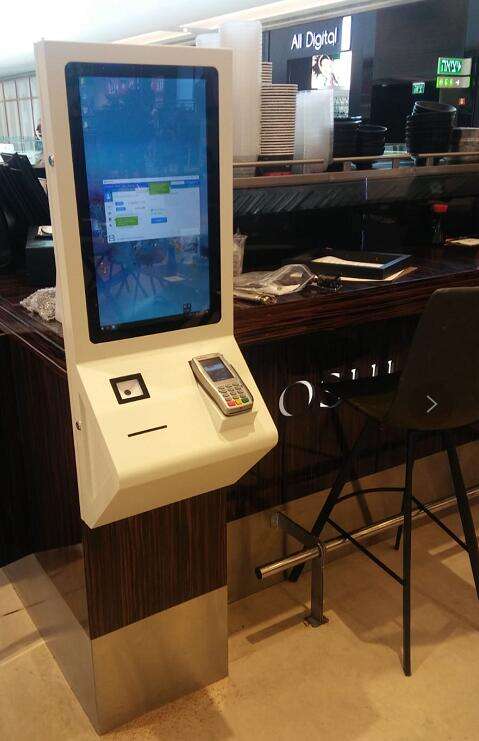
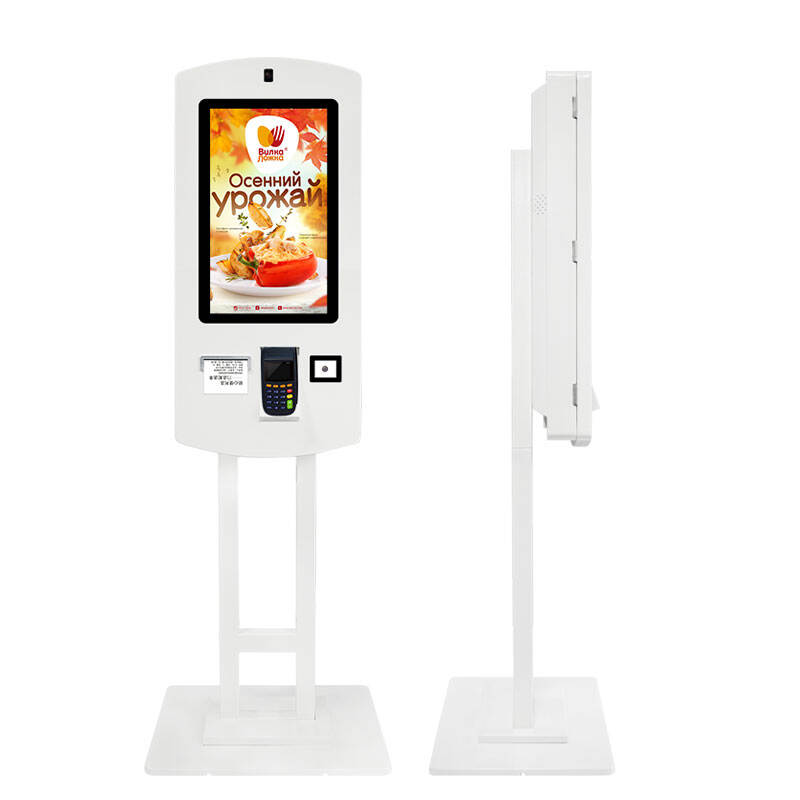
Self-ordering kiosks represent a revolutionary advancement in customer service technology that transforms how businesses interact with their clientele. These interactive digital terminals enable customers to place orders, make payments, and complete transactions independently without requiring direct staff assistance. Modern self-ordering kiosks integrate sophisticated touchscreen interfaces, payment processing systems, and inventory management capabilities to deliver seamless customer experiences across various industries including restaurants, retail stores, healthcare facilities, and entertainment venues. The core functionality of self-ordering kiosks centers around intuitive menu navigation systems that allow users to browse products or services, customize their selections, and proceed through checkout processes at their own pace. These systems typically feature high-resolution displays ranging from 15 to 32 inches, providing clear visibility for product images, descriptions, and pricing information. Advanced models incorporate voice recognition technology, multilingual support, and accessibility features to accommodate diverse customer needs and preferences. Technologically, self-ordering kiosks operate on robust hardware platforms equipped with industrial-grade computers, solid-state drives, and reliable network connectivity options including Wi-Fi, Ethernet, and cellular connections. The software architecture commonly utilizes cloud-based management systems that enable real-time menu updates, inventory synchronization, and performance analytics. Integration capabilities allow self-ordering kiosks to connect seamlessly with existing point-of-sale systems, kitchen display systems, customer relationship management platforms, and loyalty programs. Security features include encrypted payment processing, tamper-resistant hardware designs, and compliance with industry standards such as PCI DSS for payment card security. Applications for self-ordering kiosks span numerous sectors, with quick-service restaurants leading adoption rates due to their ability to reduce wait times and increase order accuracy. Retail environments utilize these systems for product information, price checking, and automated purchasing of high-volume items. Healthcare facilities deploy self-ordering kiosks for appointment scheduling, patient check-ins, and pharmacy services, while entertainment venues use them for ticket sales, concession orders, and merchandise purchases.
 EN
EN