Standing Kiosk Solutions: Advanced Self-Service Technology for Business Efficiency

Get a Free Quote

Our representative will contact you soon.
Email
Name
Company Name
Mobile/WhatsApp
Message
0/1000

standing kiosk

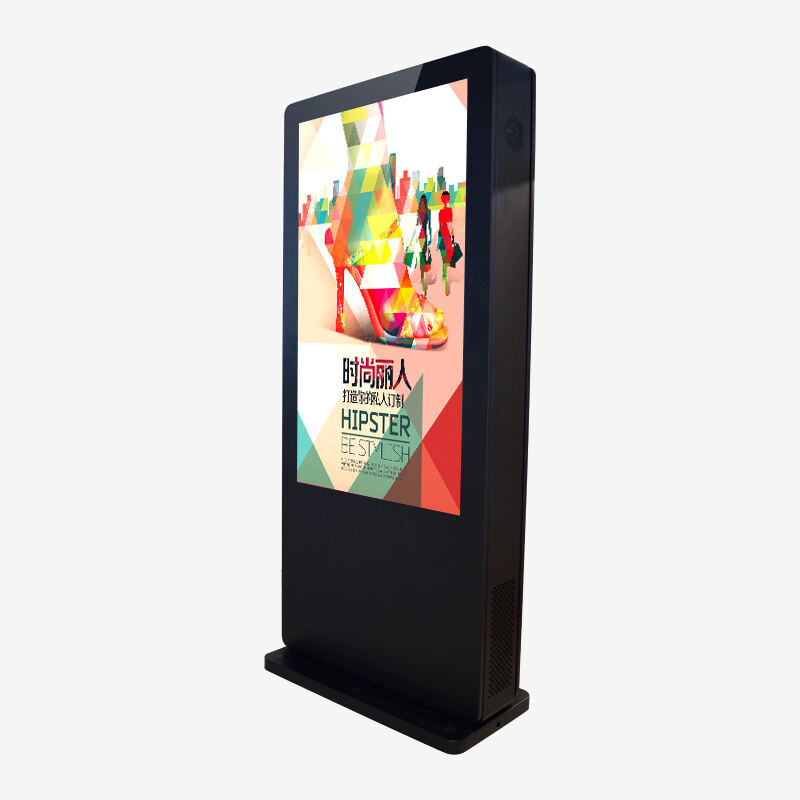
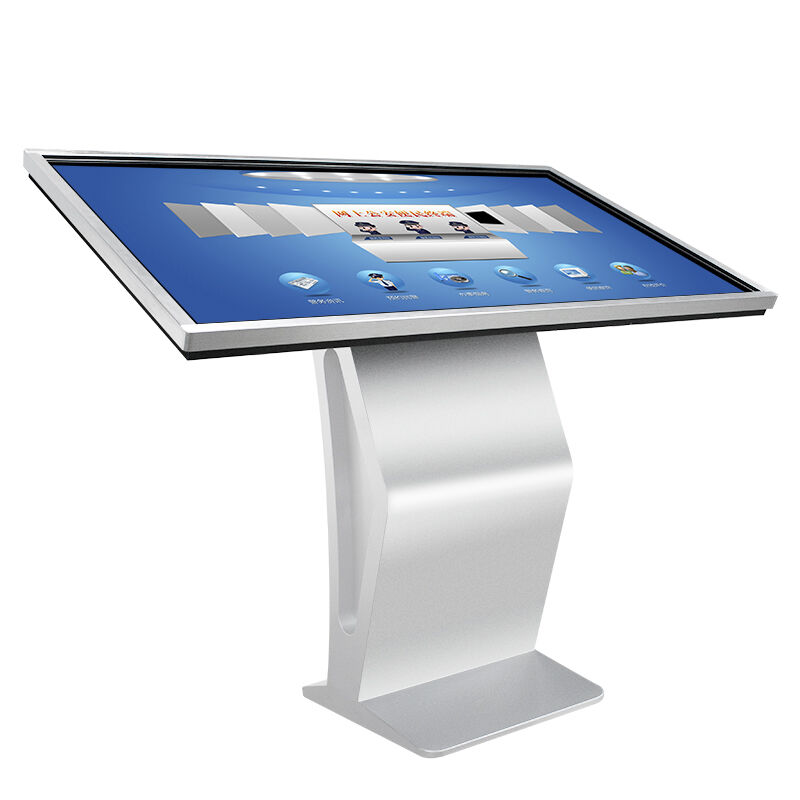
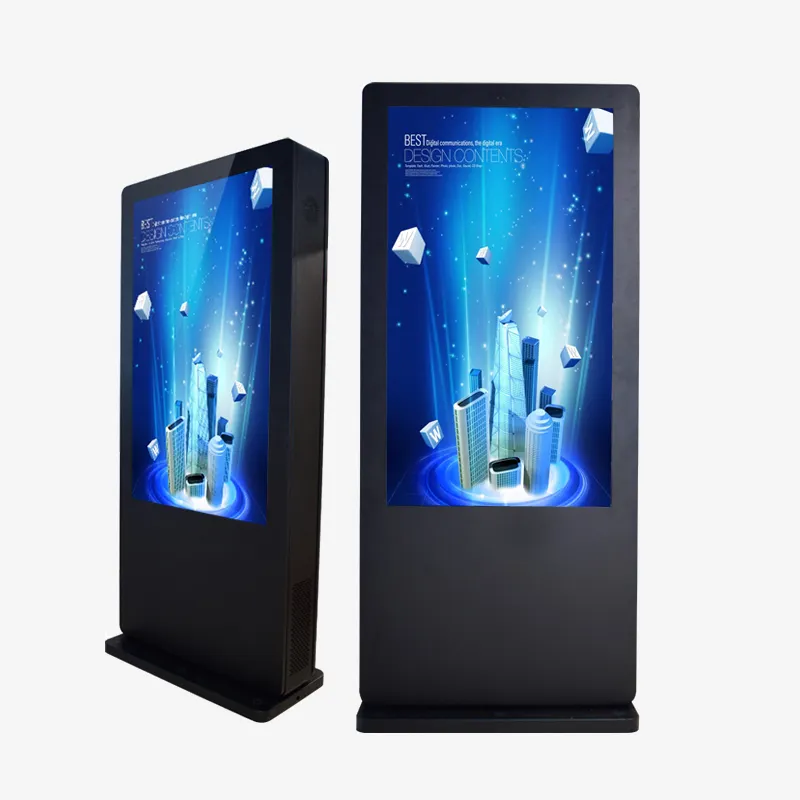
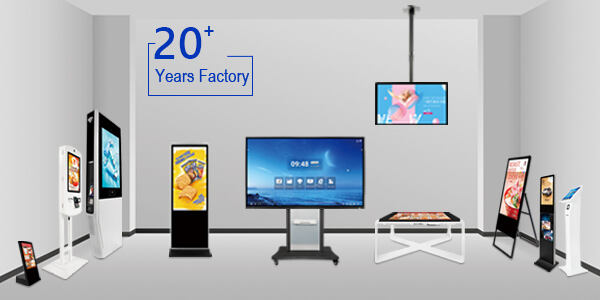
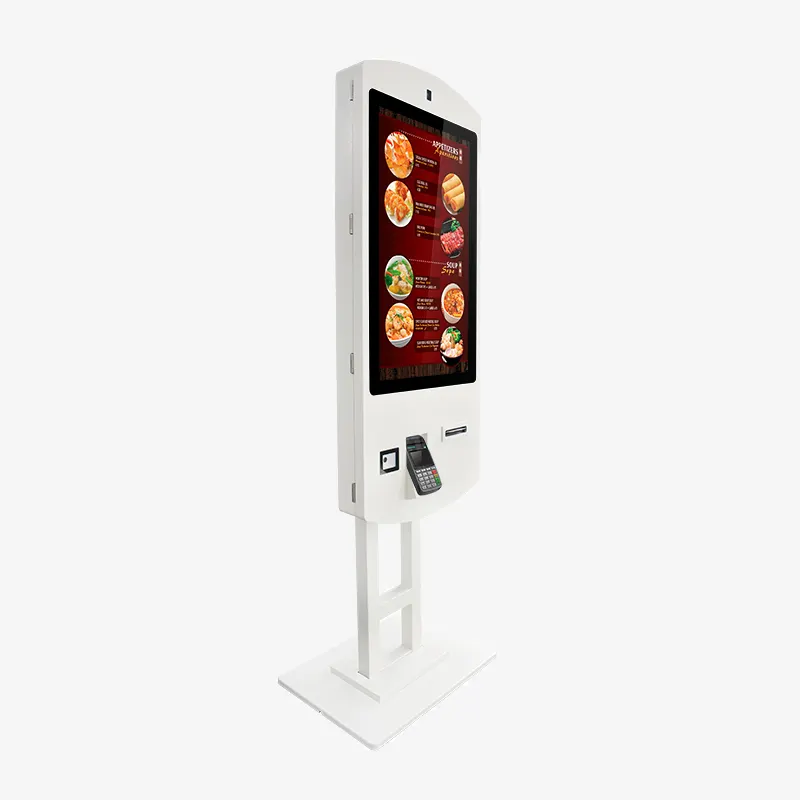
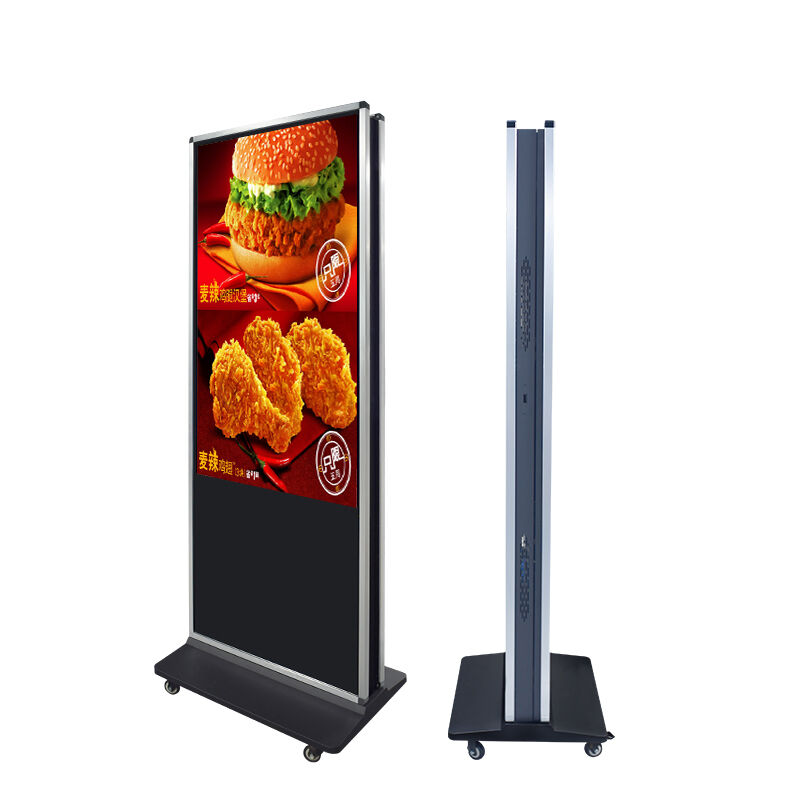
A standing kiosk represents a revolutionary self-service solution designed to streamline customer interactions while maximizing operational efficiency across diverse business environments. This freestanding digital terminal combines sophisticated hardware with intelligent software to create an autonomous service point that operates independently of traditional staffed counters. The standing kiosk serves as a versatile platform that transforms how businesses engage with customers, offering 24/7 accessibility and consistent service delivery. Modern standing kiosk systems integrate advanced touchscreen technology, typically featuring high-resolution displays ranging from 15 to 32 inches, ensuring optimal visibility and user engagement. These units incorporate robust processing capabilities powered by industrial-grade computers that handle complex transactions seamlessly. The standing kiosk architecture includes multiple connectivity options, supporting Wi-Fi, ethernet, and cellular networks to maintain continuous operation. Payment processing capabilities represent a cornerstone feature, with integrated card readers, contactless payment systems, and mobile wallet compatibility. Many standing kiosk models include receipt printers, barcode scanners, and camera systems for enhanced functionality. The applications for standing kiosk technology span numerous industries, from retail environments where customers can check product availability and prices, to healthcare facilities enabling patient check-ins and appointment scheduling. Restaurants utilize standing kiosk systems for order placement and payment processing, while transportation hubs deploy these terminals for ticketing and information services. Educational institutions benefit from standing kiosk installations for campus navigation, event registration, and student services. Government facilities implement standing kiosk solutions for citizen services, permit applications, and information dissemination. The modular design of contemporary standing kiosk systems allows for customization based on specific operational requirements, ensuring each deployment meets unique business needs while maintaining consistent performance standards.

New Products

Standing kiosk technology delivers substantial cost reduction benefits by eliminating the need for dedicated staff members at service points, allowing businesses to reallocate human resources to higher-value activities while maintaining service quality. Organizations experience immediate labor cost savings as a single standing kiosk can handle the workload equivalent to multiple staff positions, operating continuously without breaks, sick days, or vacation requirements. The operational efficiency gains from standing kiosk deployment are remarkable, as these systems process transactions faster than traditional methods while maintaining accuracy rates exceeding 98 percent. Customers appreciate the convenience of self-service options, with surveys indicating that 73 percent of users prefer standing kiosk interactions for routine transactions due to reduced wait times and elimination of queuing frustrations. The standing kiosk provides consistent service delivery regardless of time, season, or staffing challenges, ensuring customers receive identical experiences during peak and off-peak periods. Data collection capabilities embedded within standing kiosk systems generate valuable insights into customer behavior, transaction patterns, and service preferences, enabling businesses to make informed decisions about product offerings and service improvements. Integration flexibility allows standing kiosk units to connect seamlessly with existing business systems, including inventory management, customer relationship management, and accounting software, creating unified operational workflows. The scalability of standing kiosk deployments means businesses can start with single units and expand based on demand without significant infrastructure modifications. Maintenance requirements are minimal compared to staffed service points, with remote monitoring capabilities allowing technicians to identify and resolve issues proactively. The professional appearance of standing kiosk installations enhances brand image while demonstrating technological advancement to customers and competitors alike. Space optimization benefits emerge as standing kiosk units require minimal floor space compared to traditional service counters while serving equivalent customer volumes. Return on investment typically occurs within 12 to 18 months of deployment, with ongoing operational savings continuing throughout the system lifecycle. The standing kiosk eliminates human error factors in transactions, ensuring accurate order processing, correct pricing, and proper inventory tracking consistently across all interactions.

Practical Tips

What Factors Determine a High-Impact Digital Signage Setup?

17

Dec

What Factors Determine a High-Impact Digital Signage Setup?

The landscape of visual communication has transformed dramatically with the rise of outdoor digital signage solutions that captivate audiences and drive meaningful engagement. Modern businesses increasingly rely on these dynamic display technologies ...
View More
Why Choose an Interactive Display for Business Presentations?

05

Dec

Why Choose an Interactive Display for Business Presentations?

Modern business environments demand presentation solutions that engage audiences and facilitate meaningful collaboration. An interactive display represents a revolutionary shift from traditional projection systems, offering touch-enabled capabilities...
View More
How can digital signage enhance brand visibility and boost sales?

04

Jan

How can digital signage enhance brand visibility and boost sales?

Manufacturing facilities across the globe are rapidly embracing advanced human-machine interface technologies to enhance operational efficiency and streamline production processes. Industrial touch screen displays have emerged as critical components ...
View More
Why Choose a Bar Display for Retail Shelving and Advertising?

28

Jan

Why Choose a Bar Display for Retail Shelving and Advertising?

Modern retail environments demand innovative solutions that capture customer attention while maximizing space efficiency. The bar display has emerged as a revolutionary technology that transforms traditional retail shelving into dynamic advertising p...
View More

Get a Free Quote

Our representative will contact you soon.
Email
Name
Company Name
Mobile/WhatsApp
Message
0/1000

standing kiosk

Advanced Interactive Technology Integration

Advanced Interactive Technology Integration

The technological sophistication of modern standing kiosk systems represents a significant leap forward in customer service automation, incorporating cutting-edge interactive elements that create engaging user experiences while maintaining operational reliability. These advanced standing kiosk units feature responsive touchscreen interfaces with multi-touch capability, allowing users to navigate complex menus intuitively through gestures familiar from smartphone and tablet usage. The display technology utilizes industrial-grade LCD or LED panels with anti-glare coatings and vandal-resistant surfaces, ensuring clear visibility under various lighting conditions while withstanding heavy usage in high-traffic environments. Processing power within each standing kiosk matches or exceeds that of desktop computers, with solid-state drives providing rapid data access and system responsiveness that customers expect from modern digital interactions. The operating systems are specifically optimized for kiosk applications, featuring streamlined interfaces that eliminate unnecessary complexity while providing robust functionality for specific business requirements. Biometric integration capabilities within advanced standing kiosk models enable secure authentication through fingerprint scanning or facial recognition, enhancing security for sensitive transactions while maintaining user convenience. Voice recognition technology in premium standing kiosk systems allows for hands-free operation, particularly valuable for accessibility compliance and situations where touch interaction may be challenging. The connectivity suite includes both wired and wireless options, with failover systems ensuring continuous operation even when primary network connections experience interruptions. Real-time system monitoring capabilities allow remote administrators to track standing kiosk performance, identify potential issues before they affect customer service, and deploy software updates without interrupting operations. The modular software architecture enables customization of user interfaces, transaction flows, and integration points without requiring complete system rebuilds, allowing businesses to adapt their standing kiosk functionality as requirements evolve. Security protocols embedded throughout the standing kiosk system protect both customer data and business information through encryption, secure communication channels, and tamper-detection systems that alert administrators to unauthorized access attempts.
Versatile Payment and Transaction Processing

Versatile Payment and Transaction Processing

The comprehensive payment processing capabilities of contemporary standing kiosk systems represent a paradigm shift in transaction handling, offering customers multiple payment options while ensuring secure, efficient financial exchanges across all service interactions. Modern standing kiosk units accept traditional magnetic stripe cards, EMV chip cards, and contactless payment methods including near-field communication enabled cards and mobile wallet applications such as Apple Pay, Google Pay, and Samsung Pay. The payment processing architecture within each standing kiosk incorporates bank-grade encryption and tokenization technologies that protect sensitive financial information throughout the transaction lifecycle, meeting or exceeding Payment Card Industry Data Security Standard requirements. Integration with existing point-of-sale systems allows standing kiosk installations to maintain consistency with other business transaction platforms while providing detailed reporting and reconciliation capabilities that streamline accounting processes. The transaction processing speed of advanced standing kiosk systems typically completes payment authorization within three to five seconds, significantly reducing customer wait times compared to traditional staffed checkout processes. Cash handling capabilities in applicable standing kiosk models include bill validators and coin mechanisms that provide accurate change dispensing while maintaining secure cash storage compartments with multiple security features. Receipt printing functionality offers customers immediate transaction confirmation with customizable formats that include promotional messages, loyalty program information, and next-visit incentives that drive repeat business. The standing kiosk payment system maintains transaction logs with comprehensive audit trails that facilitate financial reconciliation, dispute resolution, and compliance reporting requirements across various regulatory environments. Multi-language support in payment interfaces accommodates diverse customer bases, with automatic language detection based on card origin or manual selection options that enhance accessibility for international customers. Error handling protocols within standing kiosk payment systems provide clear guidance for declined transactions, network issues, or hardware malfunctions, ensuring customers understand next steps while minimizing frustration. Integration with loyalty programs allows standing kiosk systems to process point accumulation, redemption, and special offers automatically during transactions, enhancing customer engagement while reducing operational complexity. The payment system architecture supports split tender options, allowing customers to combine multiple payment methods within single transactions, accommodating various budget management preferences and increasing transaction completion rates.

24/7 Operational Reliability and Maintenance Efficiency

24/7 Operational Reliability and Maintenance Efficiency

The exceptional operational reliability of standing kiosk systems transforms business continuity by providing uninterrupted service availability while minimizing maintenance overhead through intelligent system design and proactive monitoring capabilities. Industrial-grade components throughout each standing kiosk ensure consistent performance under demanding usage conditions, with mean time between failures exceeding 50,000 hours for critical system components. The robust construction of standing kiosk units includes reinforced steel frames, tempered glass displays, and weather-resistant enclosures that protect internal components from environmental factors while deterring vandalism attempts. Power management systems within standing kiosk installations include uninterruptible power supplies that maintain operations during brief outages while providing graceful shutdown capabilities during extended power interruptions to prevent data loss or system corruption. Remote monitoring capabilities allow technicians to assess standing kiosk health continuously, tracking performance metrics, error rates, and component status through secure network connections that provide real-time system visibility. Predictive maintenance algorithms analyze usage patterns and component performance data to schedule preventive service before failures occur, reducing downtime and extending system lifespan while minimizing emergency repair costs. The modular design of standing kiosk systems enables rapid component replacement without complete system shutdown, allowing maintenance personnel to swap defective parts quickly while maintaining service availability for customers. Self-diagnostic routines perform comprehensive system checks during low-usage periods, identifying potential issues and reporting status through centralized management platforms that coordinate maintenance activities across multiple locations. Software update mechanisms support remote deployment of security patches, feature enhancements, and configuration changes without requiring on-site visits, reducing maintenance costs while ensuring systems remain current with evolving requirements. The standing kiosk operating environment includes temperature monitoring, dust filtration, and cooling systems that maintain optimal conditions for electronic components while extending operational lifespan significantly beyond typical consumer electronics. Backup and recovery procedures protect against data loss through automated system backups, redundant storage systems, and rapid restoration capabilities that minimize service interruptions following hardware failures. Service level agreements for standing kiosk installations typically guarantee 99.5 percent uptime with response times under four hours for critical issues, ensuring businesses can rely on consistent service delivery for customer-facing operations. The total cost of ownership for standing kiosk systems remains significantly lower than equivalent staffed service points when considering maintenance, support, and operational expenses over typical five to seven-year deployment lifecycles.

Get a Free Quote

Our representative will contact you soon.
Email
Name
Company Name
Mobile/WhatsApp
Message
0/1000