high brightness lcd monitor
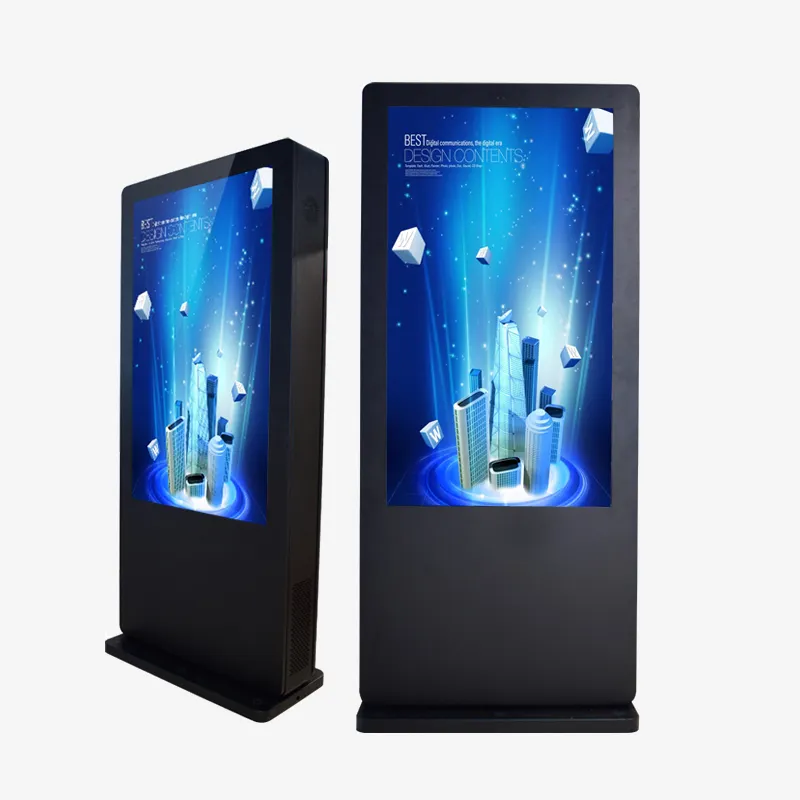
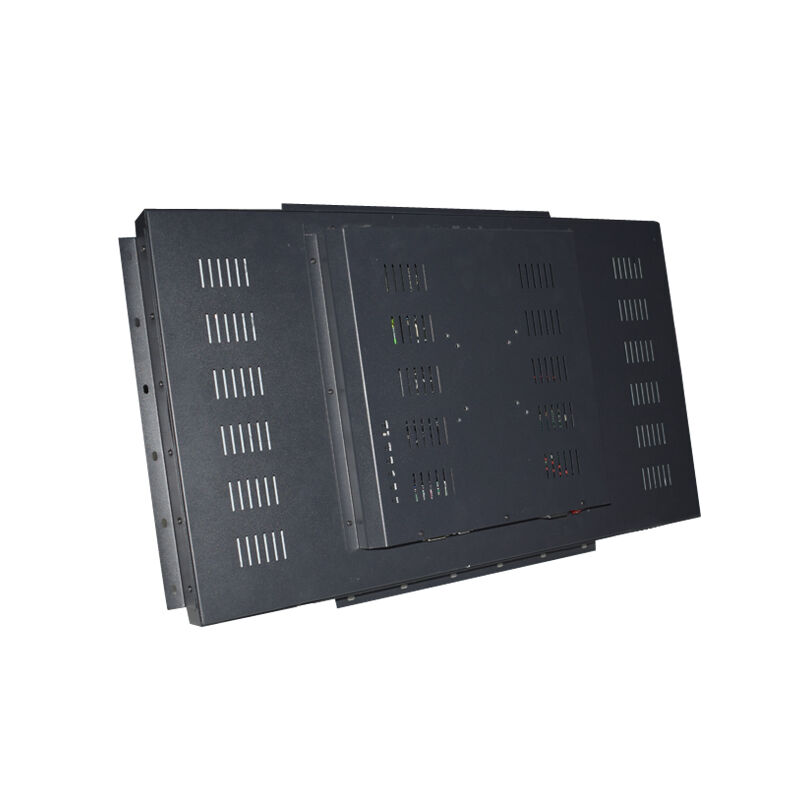
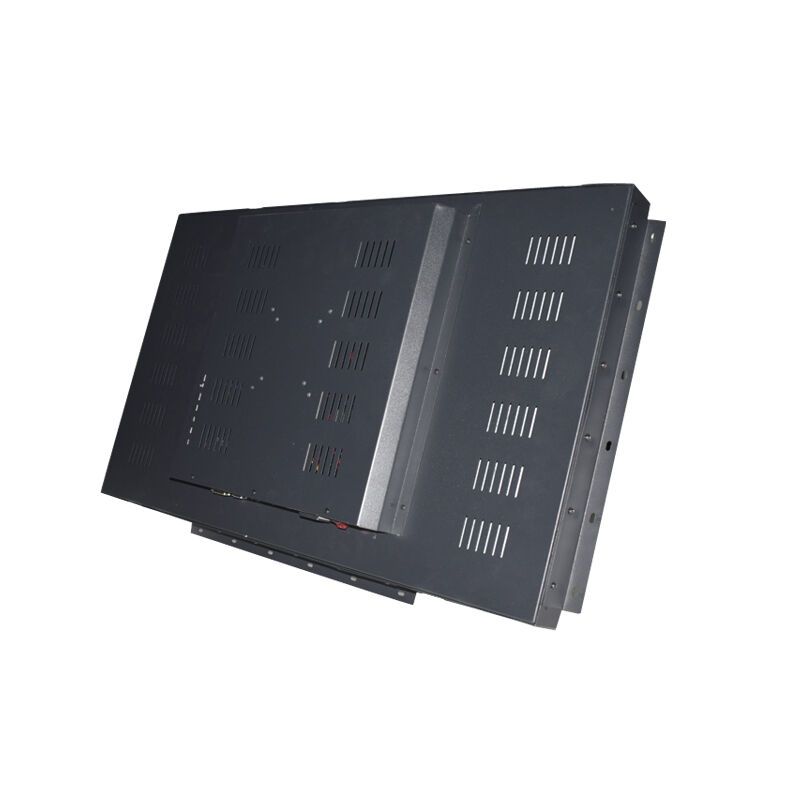
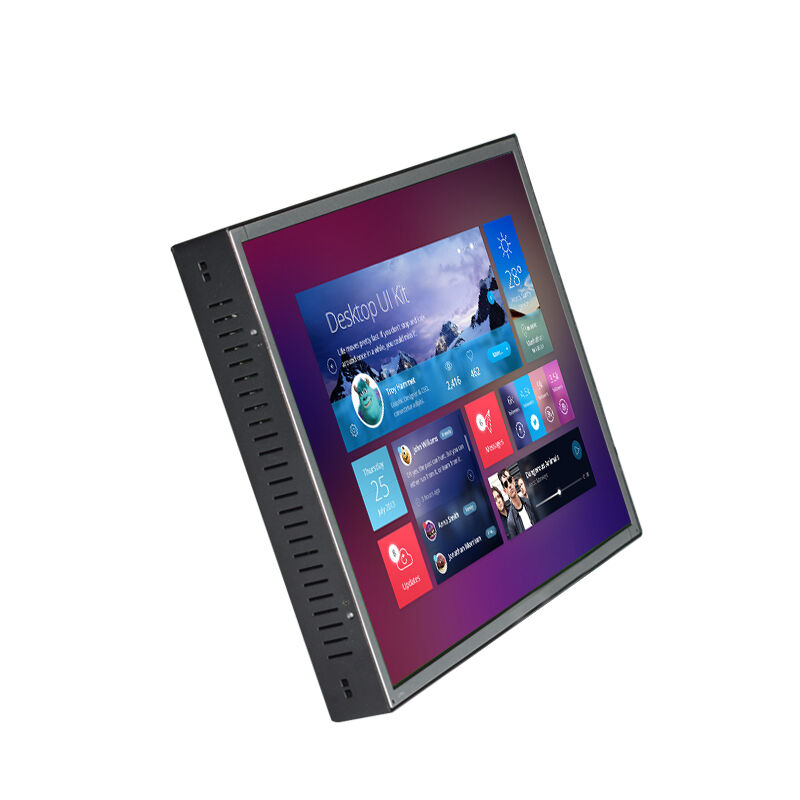
A high brightness LCD monitor represents a specialized display technology designed to deliver exceptional visual performance in challenging lighting environments. These professional-grade displays typically produce luminance levels ranging from 1,000 to 10,000 nits, significantly exceeding standard desktop monitors that operate at 200-400 nits. The enhanced brightness capability stems from advanced LED backlighting systems, precision optical films, and specialized LCD panel construction that maximizes light transmission while maintaining color accuracy. High brightness LCD monitors incorporate industrial-grade components including reinforced housings, enhanced thermal management systems, and robust power supplies to ensure reliable operation in demanding conditions. The displays feature wide operating temperature ranges, extended lifespan ratings, and resistance to environmental factors such as dust, moisture, and vibration. Modern high brightness LCD monitors support various input formats including HDMI, DisplayPort, DVI, and legacy connections, ensuring compatibility with diverse source equipment. These displays often include advanced image processing capabilities such as automatic brightness adjustment, color temperature control, and content-aware optimization algorithms. The technology finds extensive applications across multiple industries including digital signage, outdoor advertising, transportation hubs, retail environments, control rooms, and broadcast facilities. Manufacturing facilities utilize these displays for process monitoring in brightly lit production areas, while healthcare institutions deploy them in surgical suites and diagnostic imaging centers where ambient lighting cannot be controlled. The displays support both portrait and landscape orientations, enable daisy-chain connectivity for video wall applications, and offer remote management capabilities through network protocols. High brightness LCD monitors represent a critical component in professional visualization solutions where standard displays would be inadequate due to competing ambient light sources or viewing distance requirements.
 EN
EN