kiosk manufacturer
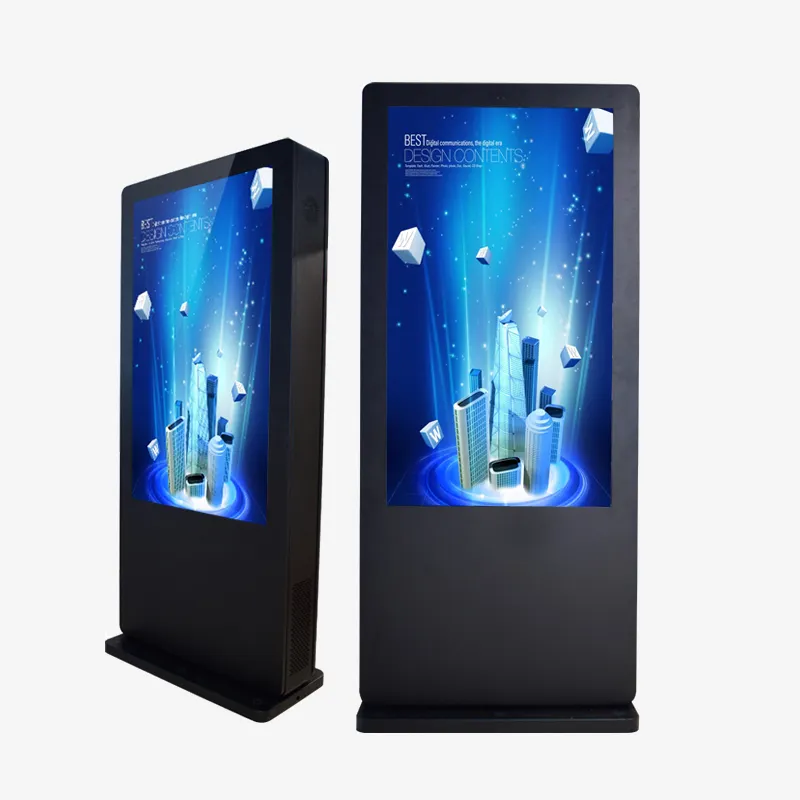
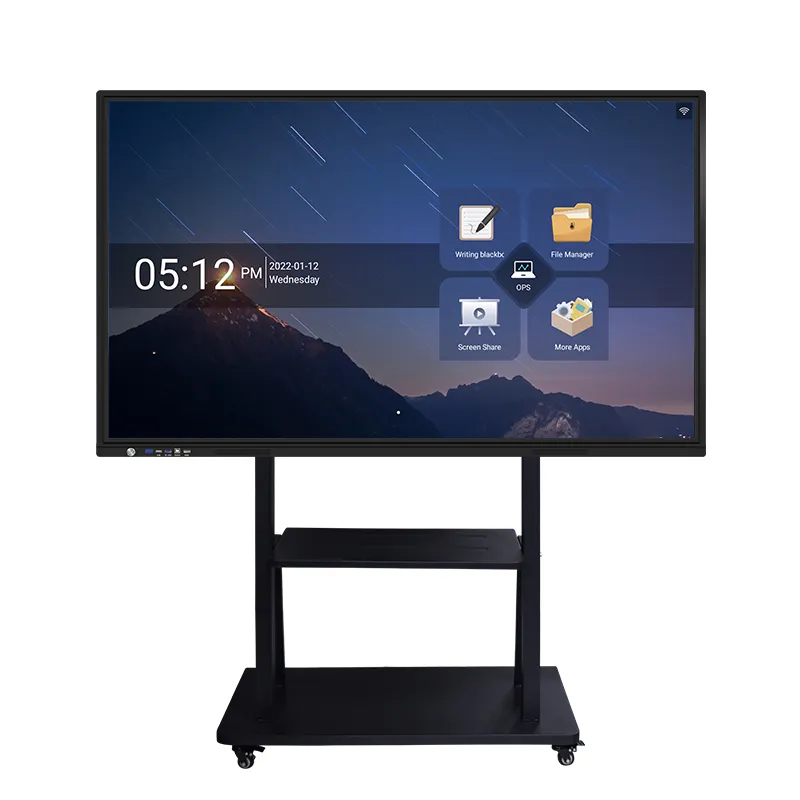
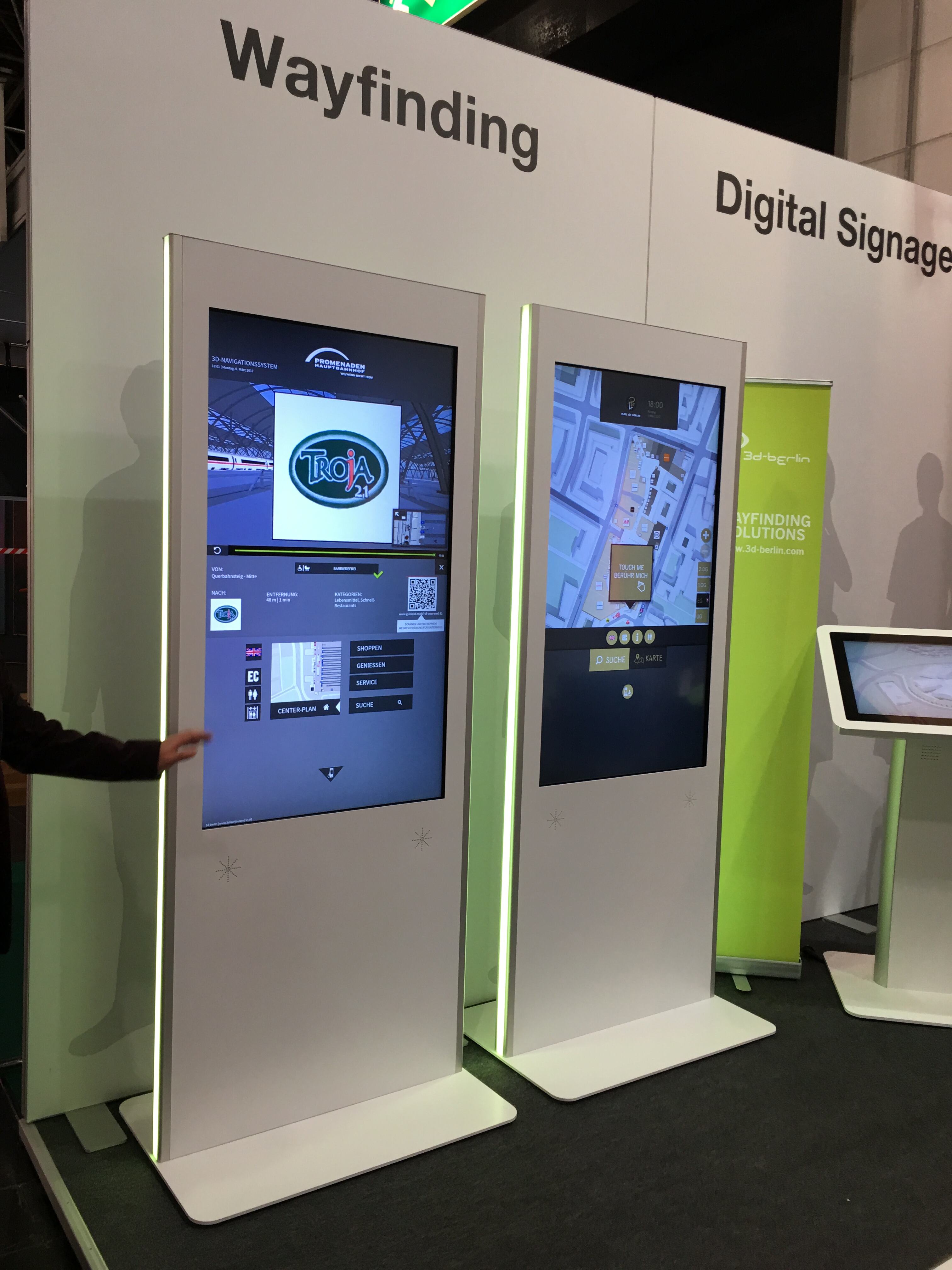
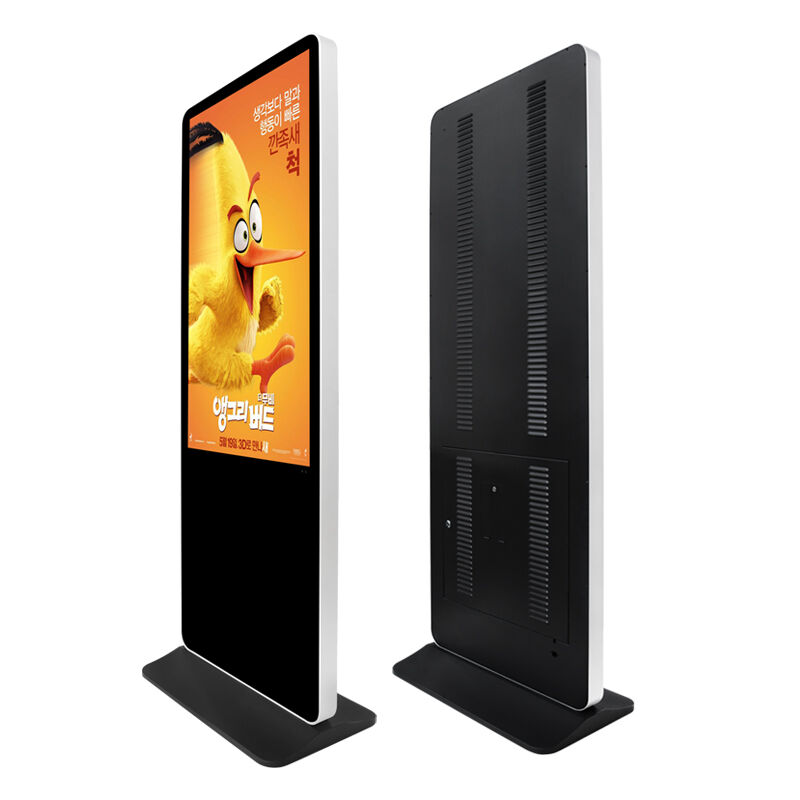
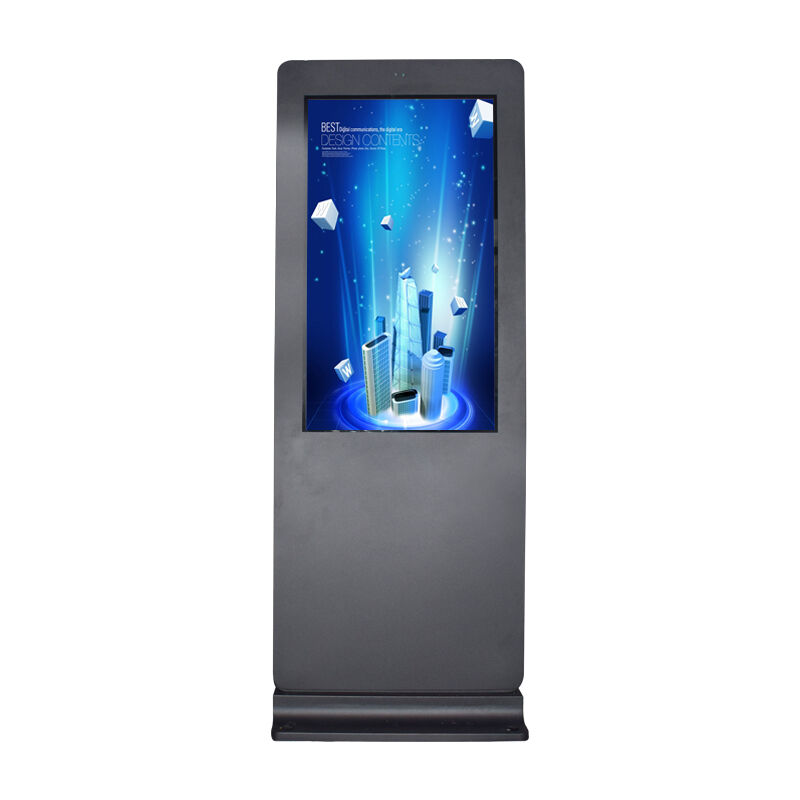
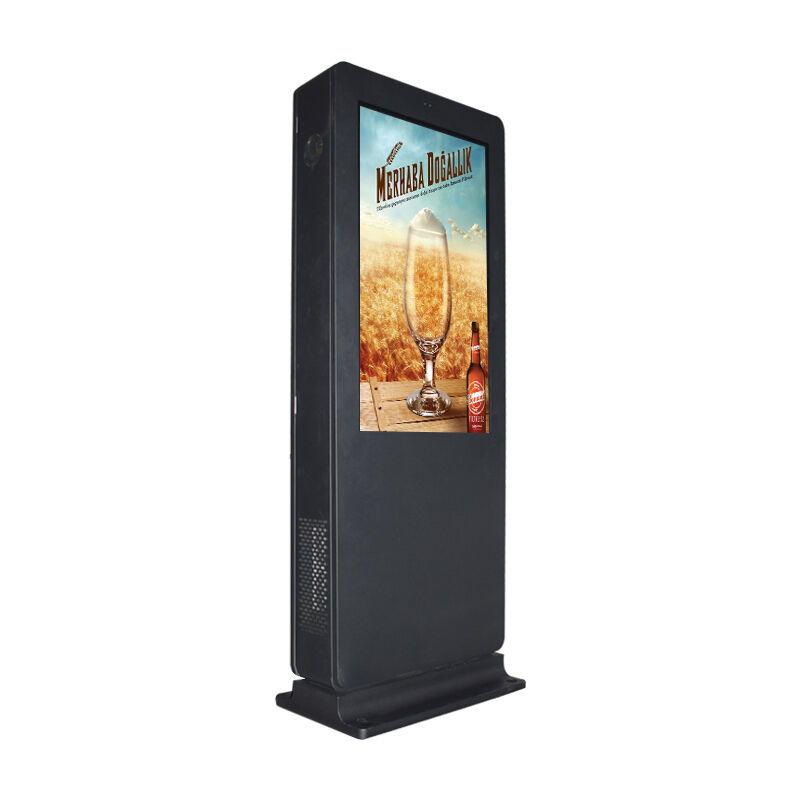
A leading kiosk manufacturer operates as a specialized technology company that designs, develops, and produces interactive self-service terminals for diverse commercial applications. These manufacturers combine hardware engineering expertise with software integration capabilities to create comprehensive digital solutions that transform customer interactions across multiple industries. The primary functions of a kiosk manufacturer encompass complete product lifecycle management, from initial concept design through manufacturing, deployment, and ongoing technical support. The core technological features include advanced touchscreen interfaces, robust computing systems, secure payment processing modules, and customizable software platforms that adapt to specific business requirements. Modern kiosk manufacturer operations integrate cutting-edge technologies such as artificial intelligence, machine learning algorithms, biometric authentication systems, and cloud-based management platforms. These technological innovations enable real-time data analytics, remote monitoring capabilities, and seamless integration with existing business systems. The applications span numerous sectors including retail environments, healthcare facilities, hospitality venues, transportation hubs, government offices, and educational institutions. Each application requires specialized configurations that address unique operational challenges and user experience requirements. A professional kiosk manufacturer maintains comprehensive quality assurance protocols, ensuring products meet international safety standards and regulatory compliance requirements. The manufacturing process incorporates sustainable practices, utilizing eco-friendly materials and energy-efficient components to minimize environmental impact. Strategic partnerships with component suppliers and software developers enable kiosk manufacturer teams to deliver innovative solutions that stay ahead of market trends. The integration of Internet of Things connectivity allows remote diagnostics, predictive maintenance scheduling, and real-time performance optimization. Additionally, modular design approaches enable cost-effective customization and future upgrade pathways, ensuring long-term value for clients investing in self-service technology solutions.
 EN
EN