kiosk ordering for restaurants
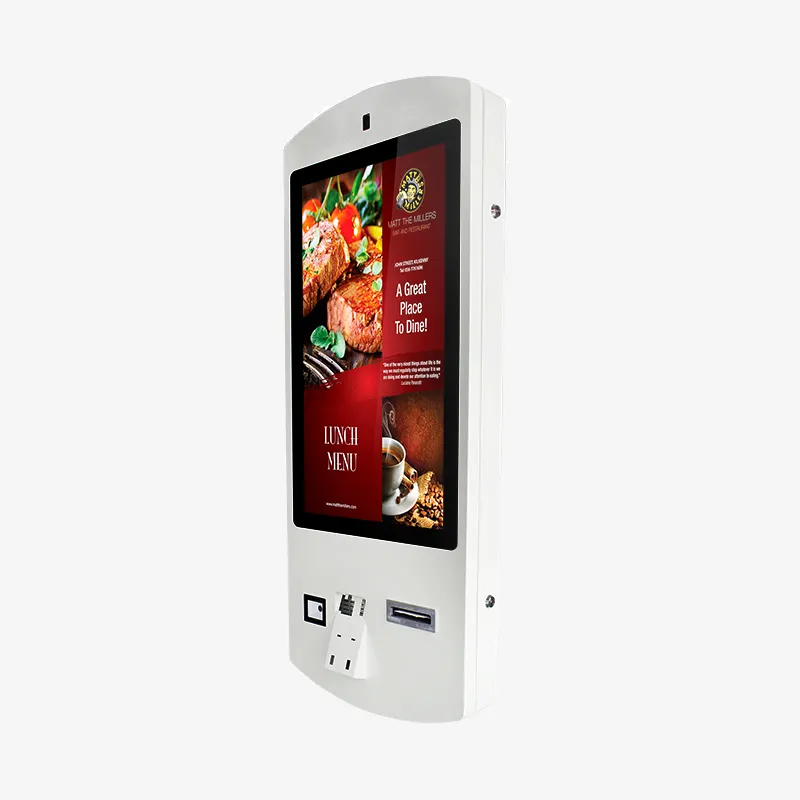
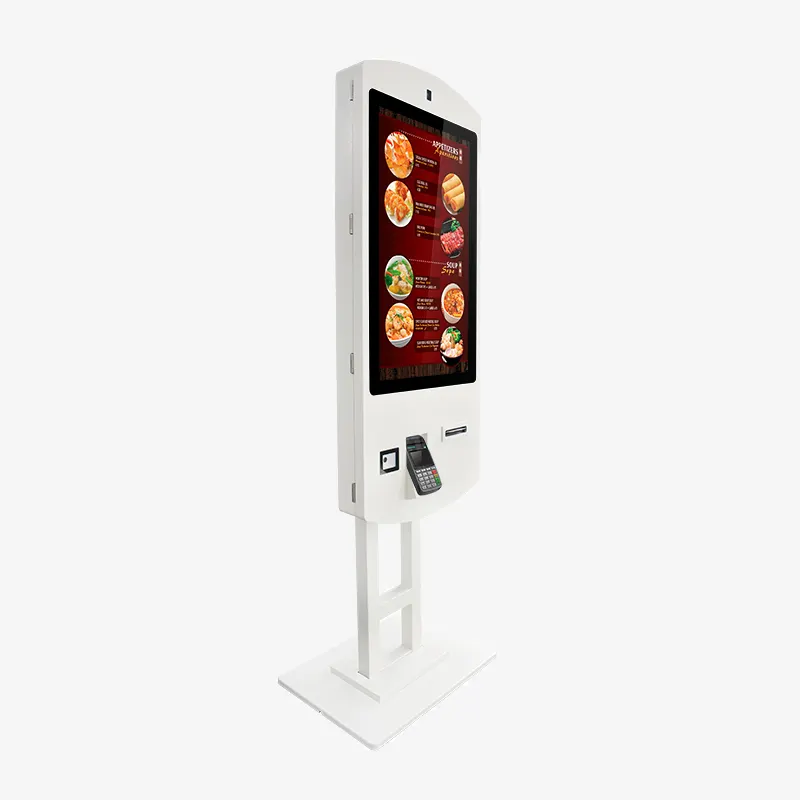
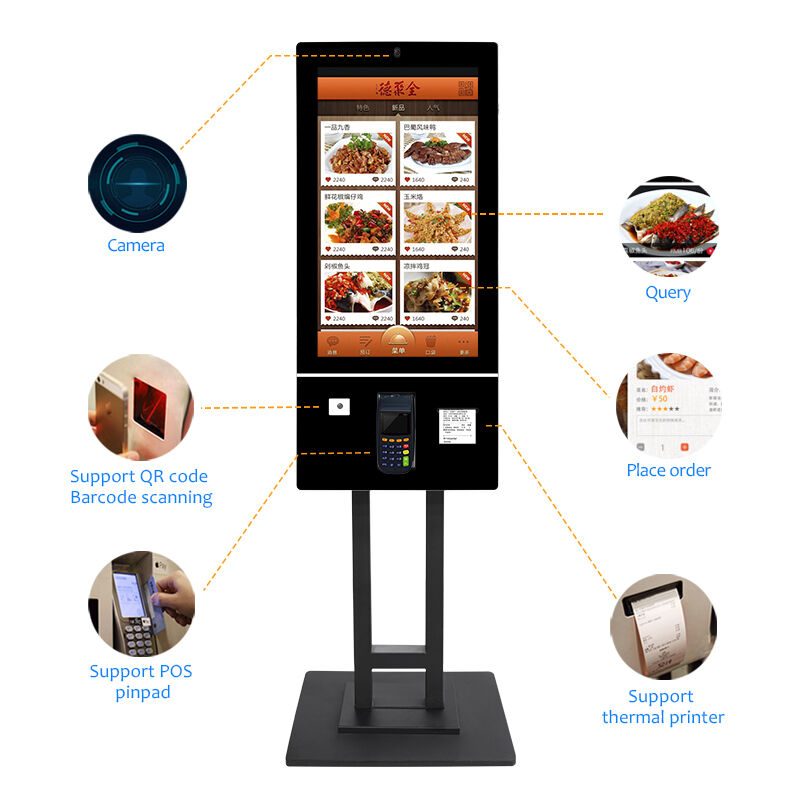
Kiosk ordering for restaurants represents a revolutionary self-service technology that transforms how customers place orders and interact with dining establishments. These interactive digital terminals feature touchscreen interfaces that allow patrons to browse menus, customize orders, and complete transactions independently without requiring staff assistance. Modern kiosk ordering systems integrate advanced hardware components including high-resolution displays, secure payment processors, receipt printers, and sophisticated software platforms that manage the entire ordering workflow. The technology leverages cloud-based architecture to ensure real-time menu updates, inventory synchronization, and seamless integration with existing point-of-sale systems and kitchen display units. Restaurant kiosk ordering solutions typically incorporate user-friendly interfaces with intuitive navigation, multilingual support, and accessibility features to accommodate diverse customer needs. These systems utilize robust processors and reliable operating systems to handle high-volume transactions while maintaining consistent performance during peak service periods. The technological infrastructure supports various payment methods including credit cards, contactless payments, mobile wallets, and cash acceptance through integrated bill validators and coin dispensers. Advanced kiosk ordering platforms feature customizable branding options, promotional content management, and dynamic pricing capabilities that enable restaurants to optimize revenue streams. The applications of kiosk ordering for restaurants span multiple dining formats including quick-service establishments, casual dining venues, food courts, cafeterias, and specialty food concepts. These systems excel in environments with high customer turnover, standardized menu offerings, and consistent operational procedures. Restaurant owners implement kiosk ordering to enhance customer experience, reduce labor costs, improve order accuracy, and increase average transaction values through strategic upselling prompts. The technology proves particularly valuable in locations with space constraints, multilingual customer bases, or establishments seeking to modernize their service delivery model while maintaining operational efficiency and customer satisfaction.
 EN
EN