Fast Food Restaurant Kiosks: Revolutionizing Self-Service Ordering Technology

Get a Free Quote

Our representative will contact you soon.
Email
Name
Company Name
Mobile/WhatsApp
Message
0/1000

kiosks in fast food restaurants

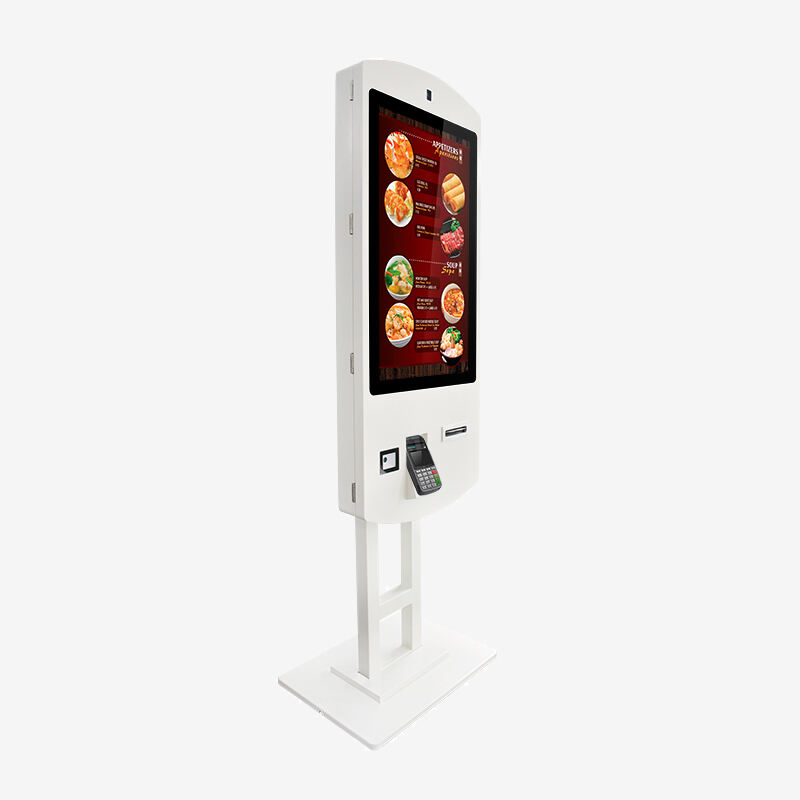
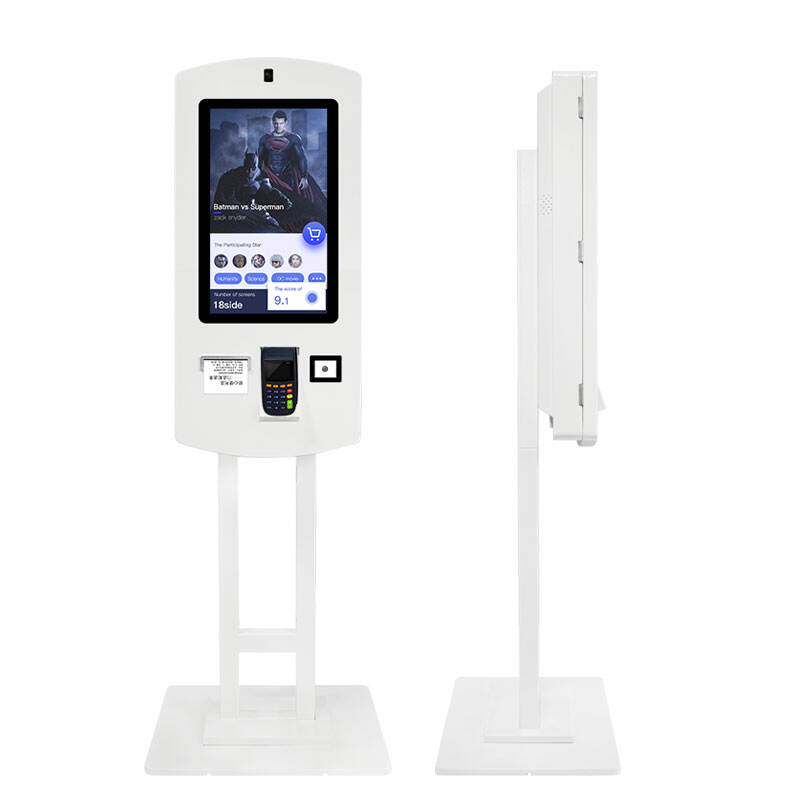
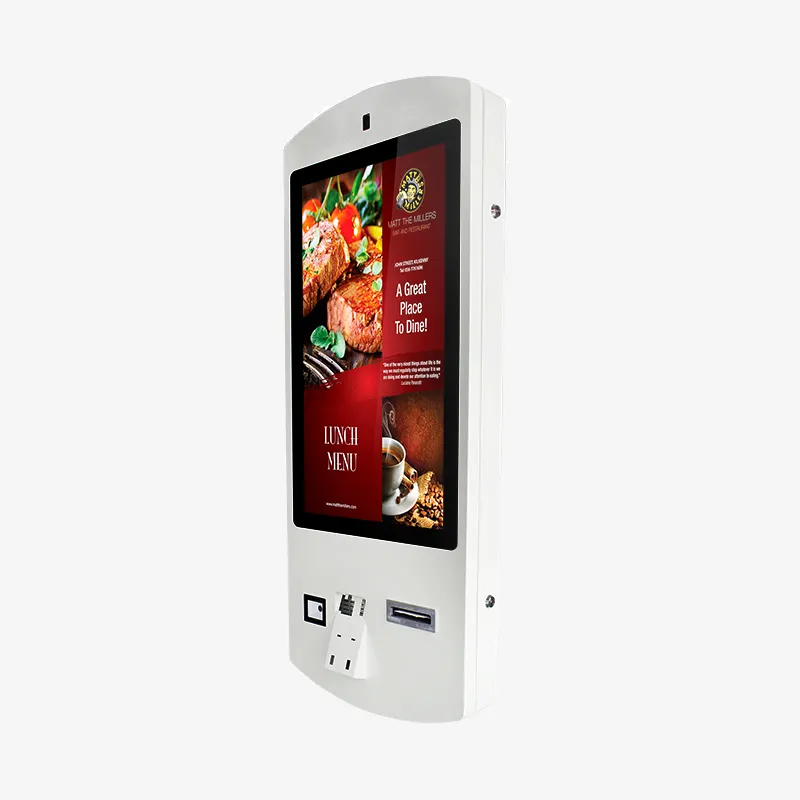
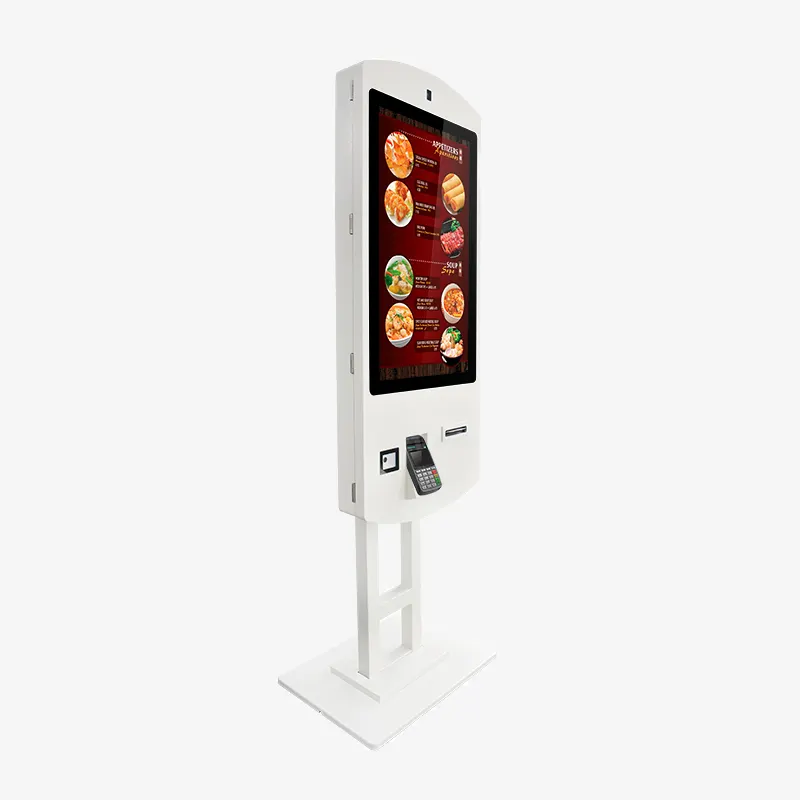
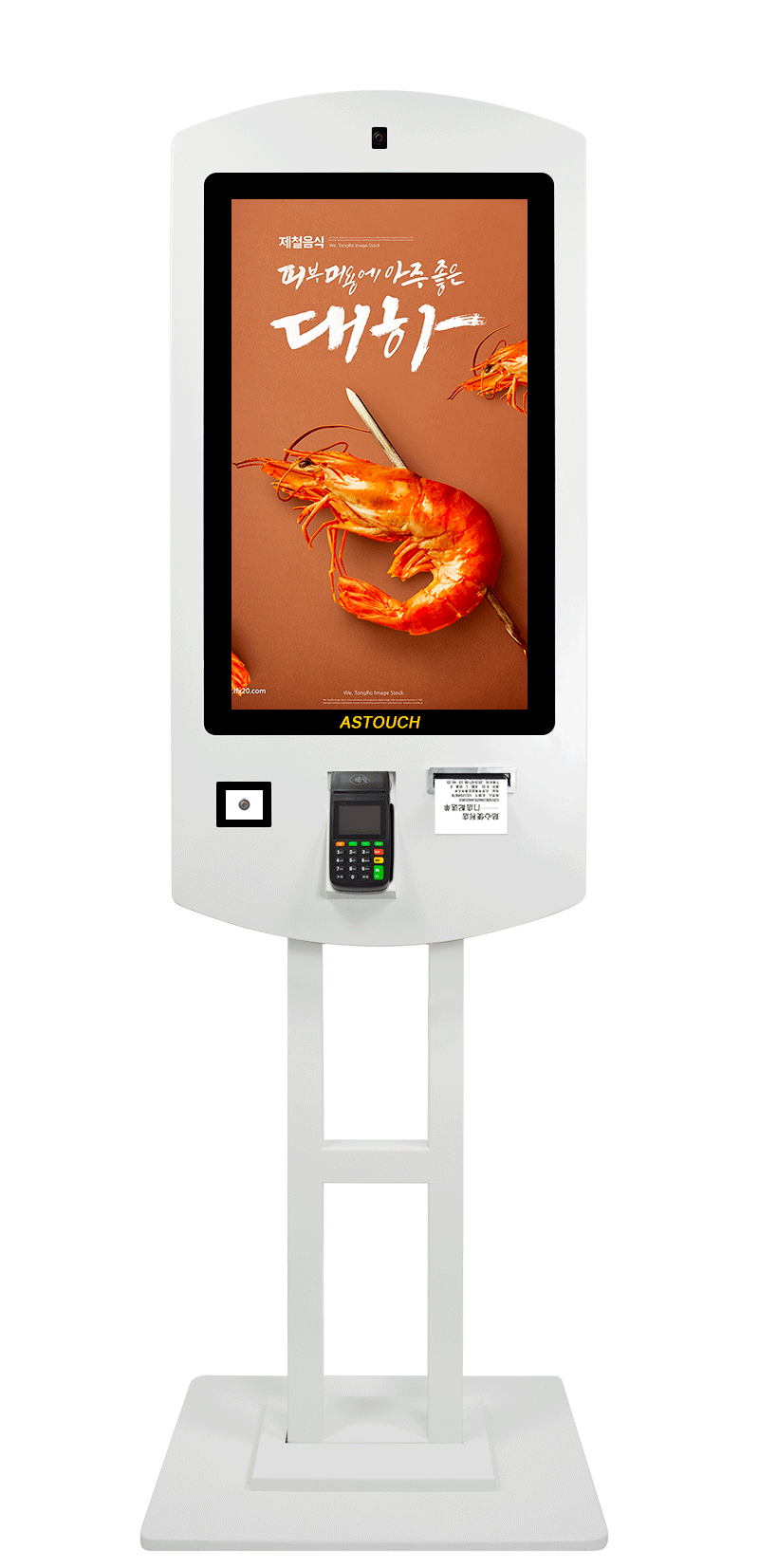
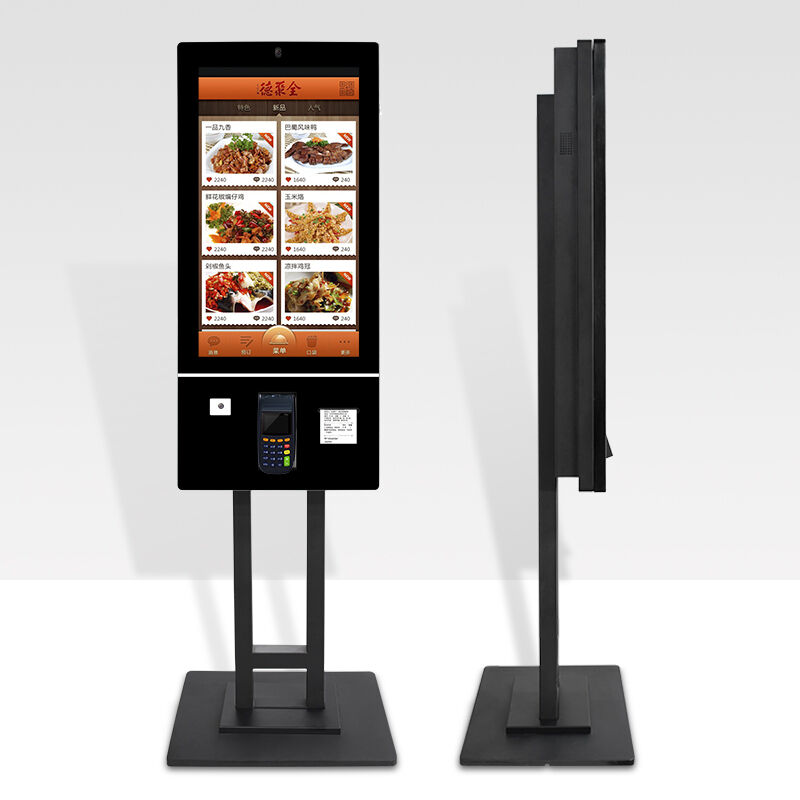
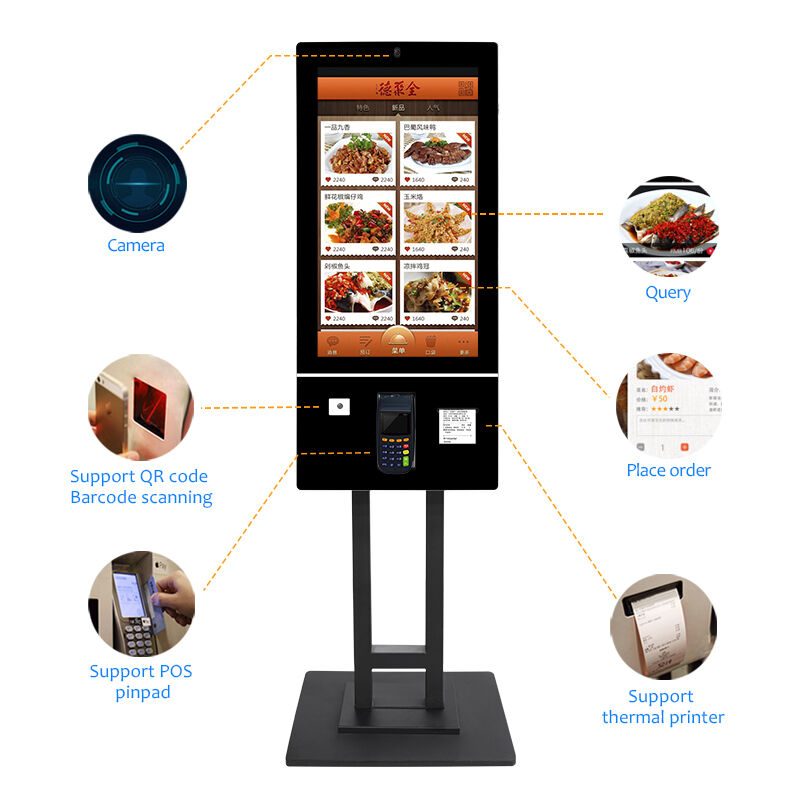
Kiosks in fast food restaurants represent a revolutionary shift in how customers interact with dining establishments, transforming the traditional ordering experience through advanced digital technology. These self-service terminals have become essential fixtures in modern quick-service restaurants, offering customers an intuitive and efficient way to place orders without waiting in traditional lines. The main functions of kiosks in fast food restaurants encompass order placement, payment processing, customization options, and receipt generation, creating a streamlined dining experience that benefits both customers and restaurant operators. Technologically, these kiosks feature high-resolution touchscreen displays, typically ranging from 21 to 32 inches, providing clear visibility and responsive interaction capabilities. The user interface incorporates vibrant menu displays with high-quality images, detailed nutritional information, and allergen warnings to help customers make informed decisions. Advanced kiosks integrate multiple payment methods including credit cards, debit cards, mobile wallets, and contactless payment systems like Apple Pay and Google Pay, ensuring maximum convenience for diverse customer preferences. The software architecture behind kiosks in fast food restaurants connects seamlessly with point-of-sale systems, inventory management platforms, and kitchen display systems, maintaining real-time synchronization across all restaurant operations. Applications extend beyond simple order taking to include loyalty program integration, promotional campaign delivery, and data collection for customer behavior analysis. Many kiosks feature multilingual capabilities, accommodating diverse customer bases and expanding accessibility. The hardware typically includes thermal receipt printers, barcode scanners for coupon redemption, and sometimes biometric sensors for enhanced security. Cloud-based connectivity enables remote monitoring, software updates, and centralized management across multiple restaurant locations. These technological features collectively create a robust platform that enhances operational efficiency while providing customers with greater control over their dining experience, making kiosks in fast food restaurants an indispensable component of modern restaurant technology infrastructure.

New Product Recommendations

Kiosks in fast food restaurants deliver substantial benefits that enhance customer satisfaction while improving operational efficiency for restaurant owners. Speed represents one of the most significant advantages, as customers can place orders immediately without waiting for available cashiers or standing in lengthy queues during peak hours. This rapid ordering process reduces overall transaction time and allows restaurants to serve more customers within shorter periods. Accuracy improvements constitute another major benefit, as kiosks eliminate miscommunication between customers and staff that often leads to incorrect orders. Customers input their preferences directly into the system, reducing human error and ensuring orders match exact specifications. Cost reduction opportunities emerge through decreased labor requirements, as kiosks handle routine ordering tasks that previously required dedicated staff members. Restaurants can reallocate human resources to food preparation, customer service, and other value-added activities that enhance overall dining experiences. Customization capabilities expand significantly through kiosks in fast food restaurants, allowing customers to modify ingredients, portion sizes, and preparation methods with detailed precision that might be difficult to communicate verbally. This level of personalization increases customer satisfaction and encourages repeat visits. Revenue enhancement occurs through strategic upselling features built into kiosk interfaces, suggesting complementary items, meal upgrades, and promotional offers at optimal moments during the ordering process. Studies indicate that kiosk orders typically generate higher average transaction values compared to traditional counter orders. Accessibility improvements benefit customers with hearing impairments or language barriers, as visual interfaces provide clear communication without verbal interaction requirements. Data collection advantages enable restaurants to gather valuable insights about customer preferences, peak ordering times, and popular menu items, facilitating informed business decisions and targeted marketing strategies. Hygiene considerations have become increasingly important, and kiosks reduce direct contact between customers and staff, supporting health and safety protocols. Consistency in service delivery improves as kiosks provide standardized ordering experiences across all locations, ensuring brand uniformity and customer expectations are consistently met. These comprehensive advantages demonstrate why kiosks in fast food restaurants have become essential investments for forward-thinking restaurant operators seeking competitive advantages in increasingly demanding markets.

Latest News

Why Choose a Touch Screen Kiosk for Retail and Service Automation?

23

Dec

Why Choose a Touch Screen Kiosk for Retail and Service Automation?

Modern retail and service environments are rapidly transforming through digital automation, with touch screen kiosk technology leading this revolutionary change. Businesses across industries are discovering that implementing interactive self-service ...
View More
How can digital signage enhance brand visibility and boost sales?

04

Jan

How can digital signage enhance brand visibility and boost sales?

Manufacturing facilities across the globe are rapidly embracing advanced human-machine interface technologies to enhance operational efficiency and streamline production processes. Industrial touch screen displays have emerged as critical components ...
View More
How Does a Mirror Display Combine Functionality and Aesthetics?

10

Jan

How Does a Mirror Display Combine Functionality and Aesthetics?

A mirror display represents one of the most innovative convergences of traditional aesthetics and cutting-edge digital technology in today's commercial and residential environments. These sophisticated devices seamlessly blend the reflective properti...
View More
Why Choose a Bar Display for Retail Shelving and Advertising?

28

Jan

Why Choose a Bar Display for Retail Shelving and Advertising?

Modern retail environments demand innovative solutions that capture customer attention while maximizing space efficiency. The bar display has emerged as a revolutionary technology that transforms traditional retail shelving into dynamic advertising p...
View More

Get a Free Quote

Our representative will contact you soon.
Email
Name
Company Name
Mobile/WhatsApp
Message
0/1000

kiosks in fast food restaurants

Enhanced Customer Control and Personalization

Enhanced Customer Control and Personalization

Kiosks in fast food restaurants revolutionize customer control by providing unprecedented personalization options that traditional ordering methods simply cannot match. This advanced level of customization empowers customers to craft their perfect meal with precision and confidence, creating a dining experience tailored specifically to individual preferences and dietary requirements. The intuitive interface allows customers to explore menu options at their own pace, examining detailed ingredient lists, nutritional information, and allergen warnings without feeling rushed or pressured by waiting staff or other customers. This self-directed approach eliminates the anxiety many customers experience when ordering complex or customized items through traditional counter service. The visual presentation of menu items through high-resolution images helps customers make informed decisions, seeing exactly how their modifications will appear in the final product. Kiosks enable customers to adjust portion sizes, substitute ingredients, add extra toppings, and select preparation preferences with surgical precision that verbal communication often fails to achieve. For customers with specific dietary restrictions, allergies, or lifestyle choices such as vegetarian, vegan, or gluten-free requirements, kiosks provide detailed filtering options that highlight suitable menu items while clearly marking potential allergens. The technology remembers previous orders and preferences for returning customers, creating a personalized experience that builds loyalty and satisfaction. Price transparency remains constant throughout the customization process, with real-time updates showing how modifications affect the total cost, eliminating surprise charges at checkout. This level of control extends to timing preferences, allowing customers to specify pickup times for advance orders or request immediate preparation. The multilingual capabilities of kiosks in fast food restaurants ensure that language barriers do not limit personalization options, providing equal access to customization features for diverse customer bases. Advanced kiosks integrate with loyalty programs, automatically applying available discounts, rewards, and special offers based on customer profiles and purchase history. This comprehensive control and personalization capability transforms the fast food experience from a standardized transaction into a customized service that respects individual preferences while maintaining the speed and efficiency that defines quick-service dining.
Operational Efficiency and Cost Management

Operational Efficiency and Cost Management

Kiosks in fast food restaurants deliver transformative operational efficiency gains that significantly impact restaurant profitability and service quality through streamlined processes and optimized resource allocation. The automation of ordering processes reduces labor costs by minimizing the number of front-of-house staff required during peak and off-peak hours, allowing restaurants to maintain consistent service levels with fewer employees. This efficiency translates into substantial cost savings over time, as restaurants can redirect labor expenses toward food preparation, quality control, and enhanced customer service activities that add greater value to the dining experience. Order accuracy improvements through kiosks eliminate costly food waste associated with incorrect orders, remakes, and customer complaints, directly impacting bottom-line profitability. The integration between kiosks and kitchen management systems creates seamless communication that optimizes food preparation timing, reducing wait times and improving kitchen workflow efficiency. Real-time inventory tracking through kiosk systems enables better stock management, preventing overselling of unavailable items and reducing food waste through more accurate demand forecasting. The data analytics capabilities of kiosks provide restaurant managers with detailed insights into peak ordering patterns, popular menu combinations, and customer behavior trends that inform staffing decisions, inventory planning, and menu optimization strategies. Queue management benefits emerge as kiosks handle multiple simultaneous orders without creating bottlenecks, effectively increasing the restaurant's capacity to serve customers during busy periods without requiring additional physical space or staff. Maintenance costs remain relatively low compared to traditional point-of-sale systems, as kiosks feature robust hardware designed for high-volume usage and remote diagnostic capabilities that minimize downtime and service interruptions. The scalability of kiosk systems allows restaurants to adjust capacity based on demand patterns, adding or relocating units as needed without significant infrastructure changes. Training requirements for staff decrease substantially, as kiosks handle routine ordering tasks that previously required extensive product knowledge and customer service training for front-line employees. Energy efficiency considerations favor kiosks over traditional staffed counters, as they consume less power than maintaining fully staffed service areas with additional lighting, register systems, and communication equipment. These operational advantages position kiosks in fast food restaurants as strategic investments that deliver both immediate efficiency gains and long-term competitive advantages in an increasingly cost-conscious industry.
Revenue Enhancement and Customer Experience Optimization

Revenue Enhancement and Customer Experience Optimization

Kiosks in fast food restaurants excel at driving revenue growth through sophisticated upselling mechanisms and enhanced customer experience features that traditional ordering methods struggle to replicate consistently. The strategic placement of promotional content and suggested items throughout the ordering process increases average transaction values by presenting relevant add-ons and upgrades at precisely the right moments when customers are most receptive to additional purchases. Research demonstrates that kiosk orders typically generate 15-25% higher average tickets compared to traditional counter orders, largely due to the non-pressured environment that encourages customers to explore menu options and consider supplementary items. The visual appeal of menu presentations through high-quality images and detailed descriptions creates stronger emotional connections to food items, increasing the likelihood of impulse purchases and premium selections. Dynamic pricing capabilities allow restaurants to implement time-based promotions, happy hour specials, and inventory-clearing discounts in real-time, maximizing revenue potential throughout different periods of the day. Customer experience optimization occurs through reduced wait times, eliminated order errors, and the convenience of self-service that appeals to tech-savvy consumers who prefer controlling their own transactions. The integration of loyalty programs directly into kiosk interfaces encourages repeat visits by making rewards redemption effortless and immediately visible during the ordering process. Kiosks capture valuable customer data that enables personalized marketing campaigns, targeted promotions, and menu recommendations based on individual purchase history and preferences. The 24/7 availability of kiosks extends service hours beyond traditional staffing limitations, capturing additional revenue during early morning, late evening, and overnight periods when labor costs would otherwise be prohibitive. Mobile integration features allow customers to begin orders remotely and complete transactions at kiosks, bridging online and offline experiences while reducing in-store dwell time. The entertainment value of interactive kiosks enhances the overall dining experience, particularly appealing to younger demographics who view technology integration as a positive brand attribute. Multilingual support expands market reach by accommodating diverse customer populations that might otherwise face communication barriers with traditional ordering methods. Accessibility features ensure compliance with disability accommodation requirements while creating inclusive experiences for customers with various physical and cognitive needs. These revenue enhancement and experience optimization capabilities make kiosks in fast food restaurants essential tools for maximizing profitability while building stronger customer relationships in competitive food service markets.

Get a Free Quote

Our representative will contact you soon.
Email
Name
Company Name
Mobile/WhatsApp
Message
0/1000