Ops Computer: Advanced Operational Computing Solutions for Modern Businesses

Get a Free Quote

Our representative will contact you soon.
Email
Name
Company Name
Mobile/WhatsApp
Message
0/1000

ops computer

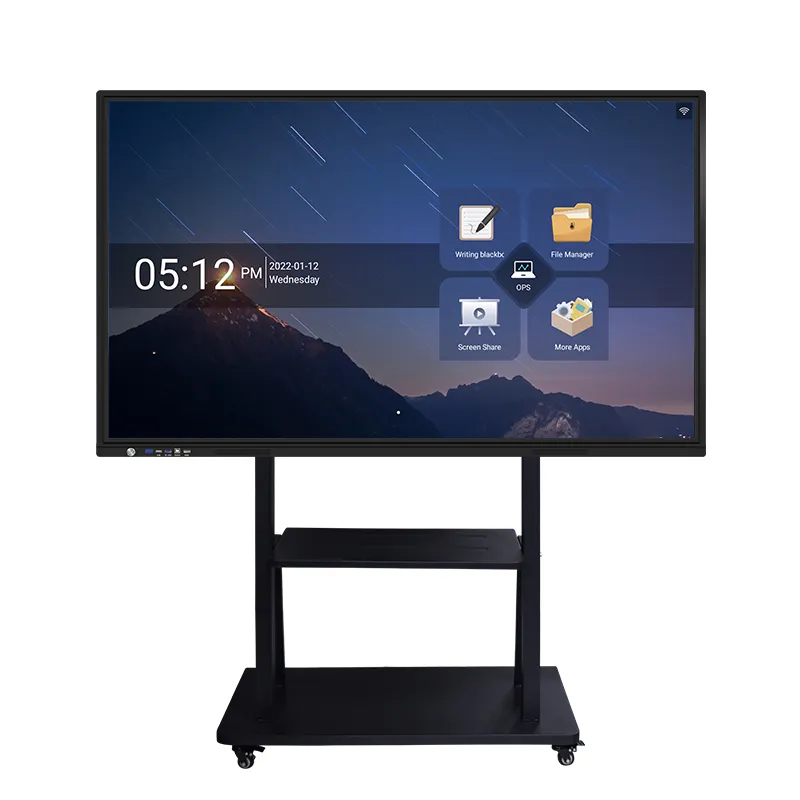
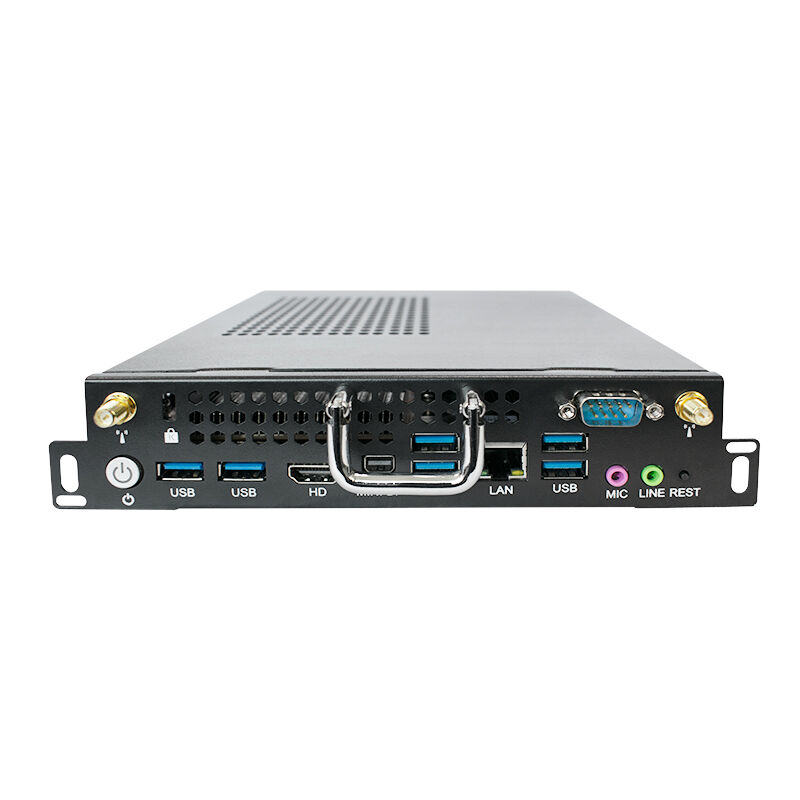
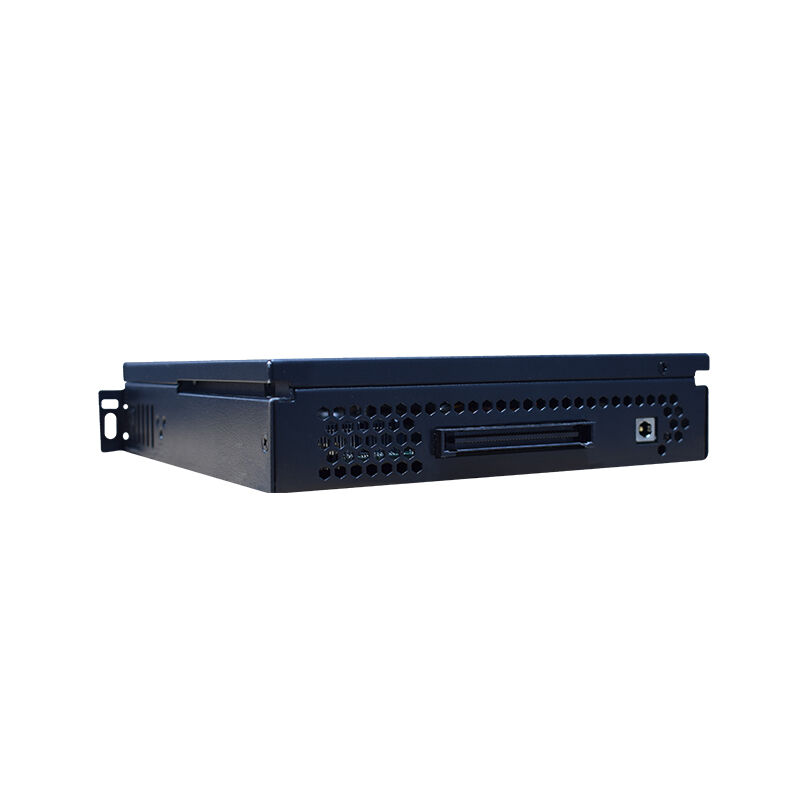
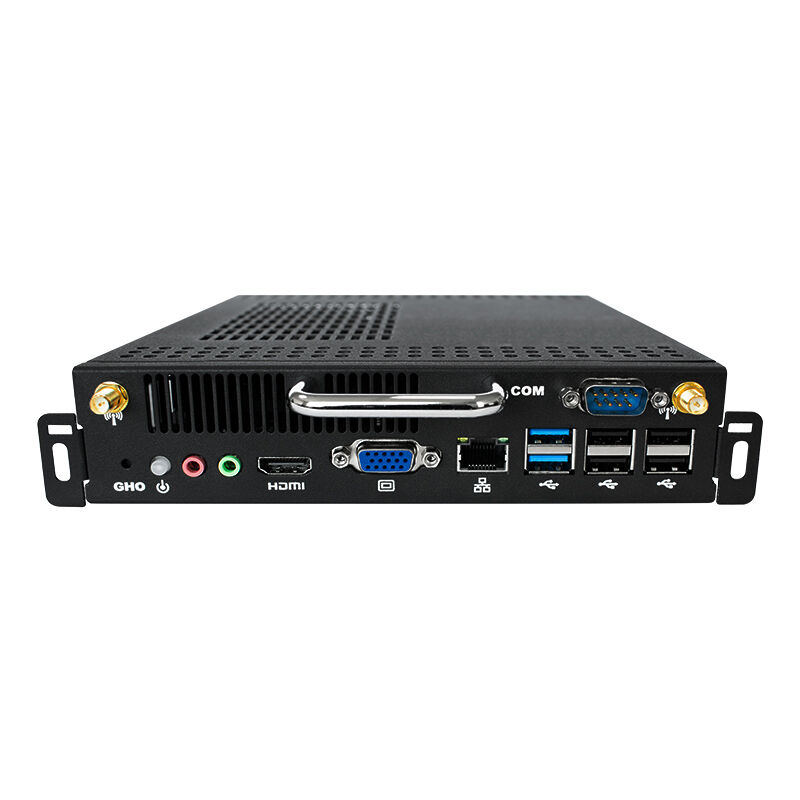
The ops computer represents a revolutionary advancement in operational computing technology, designed specifically to meet the demanding requirements of modern business environments. This specialized computing system integrates cutting-edge hardware components with sophisticated software solutions to deliver unparalleled performance in operational management tasks. The ops computer serves as the central nervous system for organizations seeking to optimize their workflow processes, enhance data processing capabilities, and maintain seamless connectivity across multiple operational channels. At its core, the ops computer functions as a comprehensive platform that consolidates various operational tasks into a single, unified system. Its main functions encompass real-time data processing, automated workflow management, resource allocation optimization, and comprehensive system monitoring. The technological architecture of the ops computer incorporates advanced multi-core processors, high-speed memory modules, and redundant storage systems to ensure consistent performance under heavy operational loads. The system features intelligent load balancing capabilities that automatically distribute computational tasks across available resources, maximizing efficiency while minimizing response times. One of the most significant technological features of the ops computer is its adaptive learning algorithms that continuously analyze operational patterns and optimize system performance accordingly. This self-improving capability ensures that the ops computer becomes more efficient over time, adapting to specific organizational needs and usage patterns. The applications of the ops computer span across numerous industries and operational contexts. Manufacturing facilities utilize these systems for production line monitoring, quality control processes, and supply chain coordination. Financial institutions deploy ops computers for transaction processing, risk assessment, and regulatory compliance monitoring. Healthcare organizations leverage these systems for patient data management, medical equipment coordination, and diagnostic support processes. The modular design of the ops computer allows for scalable deployment, accommodating everything from small business operations to large enterprise environments. This versatility makes the ops computer an invaluable asset for organizations looking to streamline their operational infrastructure while maintaining the flexibility to adapt to changing business requirements.

Popular Products

The ops computer delivers substantial practical benefits that directly impact organizational efficiency and operational effectiveness. Organizations experience immediate improvements in processing speed, with the ops computer handling complex computational tasks up to five times faster than traditional computing systems. This enhanced performance translates into reduced waiting times for critical operations, enabling teams to make faster decisions and respond more quickly to changing business conditions. The system eliminates bottlenecks that commonly occur in conventional computing environments, ensuring smooth workflow continuity throughout daily operations. Cost reduction stands as another major advantage of implementing an ops computer solution. Organizations typically see a twenty to thirty percent decrease in operational expenses within the first year of deployment. This cost savings comes from reduced energy consumption, lower maintenance requirements, and decreased need for multiple separate systems. The ops computer consolidates various operational functions into a single platform, eliminating the need for organizations to purchase and maintain separate systems for different operational tasks. The reliability factor of the ops computer significantly surpasses that of traditional computing solutions. Built-in redundancy features ensure continuous operation even when individual components experience issues. The system automatically switches to backup components when problems arise, maintaining operational continuity without disrupting ongoing processes. This reliability reduces downtime incidents by up to ninety percent compared to conventional systems, protecting organizations from costly operational interruptions. Security enhancements built into the ops computer provide robust protection against cyber threats and unauthorized access attempts. Advanced encryption protocols safeguard sensitive operational data, while multi-layer authentication systems ensure that only authorized personnel can access critical functions. These security measures protect organizations from potential data breaches and maintain compliance with industry regulations. The user-friendly interface of the ops computer makes it accessible to team members with varying technical expertise levels. Intuitive controls and clear visual indicators allow operators to monitor system status and make necessary adjustments without requiring extensive technical training. This accessibility reduces training costs and enables faster implementation across organizational teams. Scalability represents another crucial advantage, as the ops computer easily adapts to growing organizational needs. Companies can expand system capabilities by adding modules or upgrading components without replacing the entire system. This flexibility protects technology investments and ensures that the ops computer continues to meet organizational requirements as businesses evolve and expand their operational scope.

Latest News

How Can a Self Ordering Kiosk Improve Efficiency in Restaurants?

25

Dec

How Can a Self Ordering Kiosk Improve Efficiency in Restaurants?

The restaurant industry faces mounting pressure to deliver faster service, reduce operational costs, and enhance customer satisfaction. A self ordering kiosk represents a transformative solution that addresses these challenges while positioning estab...
View More
How Can an Interactive Flat Panel Improve Classroom Collaboration?

11

Dec

How Can an Interactive Flat Panel Improve Classroom Collaboration?

Modern classrooms are evolving rapidly, and educators are constantly seeking innovative tools to enhance student engagement and learning outcomes. The integration of digital technology in educational environments has become essential for creating dyn...
View More
Why Choose an Interactive Display for Business Presentations?

05

Dec

Why Choose an Interactive Display for Business Presentations?

Modern business environments demand presentation solutions that engage audiences and facilitate meaningful collaboration. An interactive display represents a revolutionary shift from traditional projection systems, offering touch-enabled capabilities...
View More
How can digital signage enhance brand visibility and boost sales?

04

Jan

How can digital signage enhance brand visibility and boost sales?

Manufacturing facilities across the globe are rapidly embracing advanced human-machine interface technologies to enhance operational efficiency and streamline production processes. Industrial touch screen displays have emerged as critical components ...
View More

Get a Free Quote

Our representative will contact you soon.
Email
Name
Company Name
Mobile/WhatsApp
Message
0/1000

ops computer

Advanced Real-Time Processing Capabilities

Advanced Real-Time Processing Capabilities

The ops computer excels in delivering exceptional real-time processing capabilities that set it apart from conventional computing solutions in the market today. This advanced processing power stems from its sophisticated multi-threaded architecture that can simultaneously handle thousands of operational tasks without experiencing performance degradation. The system utilizes cutting-edge processor technology combined with optimized memory management algorithms to ensure that critical operations receive priority processing while maintaining overall system responsiveness. Real-time processing becomes crucial for organizations that depend on immediate data analysis and instant decision-making capabilities. The ops computer processes incoming data streams instantaneously, analyzing information as it arrives and generating actionable insights within milliseconds. This immediate processing capability enables organizations to respond to changing conditions, market fluctuations, or operational anomalies before they impact business performance. Manufacturing environments particularly benefit from these real-time capabilities, as the ops computer can monitor production lines, detect quality issues, and trigger corrective actions within seconds of identifying problems. The financial services sector relies heavily on the real-time processing power of the ops computer for high-frequency trading, fraud detection, and risk assessment activities. The system can analyze thousands of transactions simultaneously, identifying patterns and anomalies that might indicate fraudulent activity or market opportunities. Healthcare facilities utilize the real-time processing capabilities for patient monitoring systems, where immediate analysis of vital signs and medical data can be critical for patient safety and treatment effectiveness. The ops computer maintains its real-time performance even under heavy operational loads, thanks to its intelligent resource allocation mechanisms that dynamically adjust processing priorities based on current demands. This adaptive approach ensures that mission-critical tasks always receive the computational resources they need while optimizing overall system efficiency. The predictive processing capabilities of the ops computer analyze historical data patterns to anticipate future processing needs, pre-allocating resources to ensure consistent performance during peak operational periods.
Comprehensive Integration and Connectivity Solutions

Comprehensive Integration and Connectivity Solutions

The ops computer provides unmatched integration and connectivity solutions that seamlessly connect disparate systems and operational components into a unified, cohesive platform. This comprehensive connectivity approach eliminates the traditional silos that often exist between different operational systems, creating a streamlined environment where information flows freely across all organizational levels. The integration capabilities of the ops computer support hundreds of different protocols and communication standards, ensuring compatibility with existing infrastructure while providing pathways for future expansion and technology adoption. Organizations benefit tremendously from the ops computer integration features, as they eliminate the need for complex middleware solutions or custom programming to connect different systems. The plug-and-play connectivity options allow technical teams to establish connections between various operational components quickly and efficiently, reducing implementation time and associated costs. Legacy systems integrate smoothly with the ops computer through specialized adapter modules that translate older communication protocols into modern standards without requiring system replacements. The connectivity solutions extend beyond internal systems to include external partnerships, supplier networks, and customer-facing applications. The ops computer facilitates secure data exchange with external entities while maintaining strict access controls and encryption standards. Supply chain partners can access relevant operational data through controlled interfaces, improving coordination and reducing delays in procurement and delivery processes. Customer service teams benefit from integrated access to operational data, enabling them to provide accurate information about order status, delivery schedules, and service availability. Cloud connectivity features of the ops computer enable hybrid operational environments where some functions operate on-premises while others leverage cloud-based resources. This flexibility allows organizations to optimize their operational architecture based on specific requirements, compliance needs, and cost considerations. The system manages data synchronization between local and cloud components automatically, ensuring consistency across all operational platforms. The ops computer also supports mobile connectivity, allowing authorized personnel to access operational data and control functions from remote locations using secure mobile applications. This mobile access capability proves invaluable for field service teams, remote monitoring requirements, and emergency response situations where immediate access to operational systems becomes critical for maintaining business continuity.
Intelligent Automation and Predictive Analytics

Intelligent Automation and Predictive Analytics

The ops computer incorporates sophisticated intelligent automation and predictive analytics capabilities that revolutionize how organizations approach operational management and decision-making processes. These advanced features utilize machine learning algorithms and artificial intelligence technologies to analyze vast amounts of operational data, identify patterns, and automatically implement optimization strategies without requiring constant human intervention. The intelligent automation component of the ops computer learns from historical operational patterns and user behaviors to create customized automation workflows that adapt to specific organizational requirements and preferences. The predictive analytics engine within the ops computer processes multiple data streams simultaneously, including operational metrics, environmental factors, market conditions, and historical performance data to generate accurate forecasts about future operational needs and potential challenges. This predictive capability enables organizations to implement proactive strategies rather than reactive responses, significantly improving operational efficiency and reducing costs associated with emergency interventions or unplanned downtime. Manufacturing organizations leverage these predictive capabilities to anticipate equipment maintenance needs, preventing costly breakdowns and optimizing production schedules based on predicted demand patterns. The automation features of the ops computer extend beyond simple task execution to include complex decision-making processes that traditionally required human expertise and intervention. The system can automatically adjust operational parameters based on changing conditions, optimize resource allocation in response to demand fluctuations, and implement corrective actions when performance metrics fall outside acceptable ranges. These automated responses occur within seconds of identifying issues, minimizing impact on overall operational performance and maintaining consistent service levels. The learning capabilities of the ops computer continuously improve automation effectiveness by analyzing the outcomes of automated decisions and refining algorithms based on actual results. This continuous improvement process ensures that automated systems become more accurate and effective over time, reducing the likelihood of false positives or inappropriate automated responses. The predictive analytics component generates detailed reports and visualizations that help organizational leaders understand operational trends, identify improvement opportunities, and make informed strategic decisions about future operational investments. The ops computer can predict seasonal demand variations, equipment lifecycle requirements, and staffing needs with remarkable accuracy, enabling organizations to optimize their operational planning and resource allocation strategies. These intelligent features work together to create a self-optimizing operational environment that continuously improves performance while reducing the administrative burden on operational teams and management personnel.

Get a Free Quote

Our representative will contact you soon.
Email
Name
Company Name
Mobile/WhatsApp
Message
0/1000