Retail Self Ordering Kiosk Solutions: Advanced Interactive Technology for Modern Businesses

Get a Free Quote

Our representative will contact you soon.
Email
Name
Company Name
Mobile/WhatsApp
Message
0/1000

retail self ordering kiosk

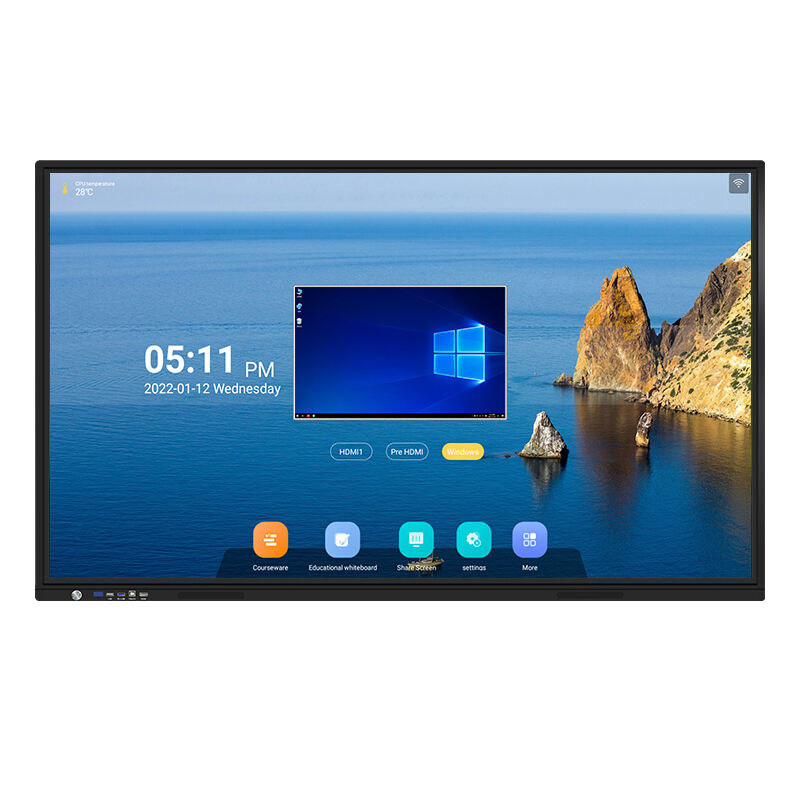
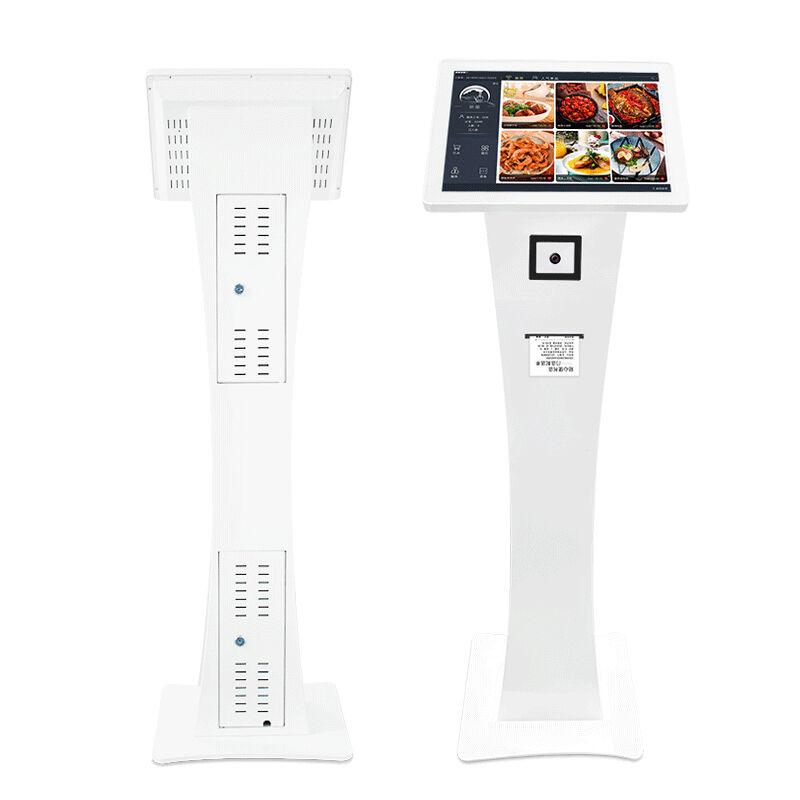
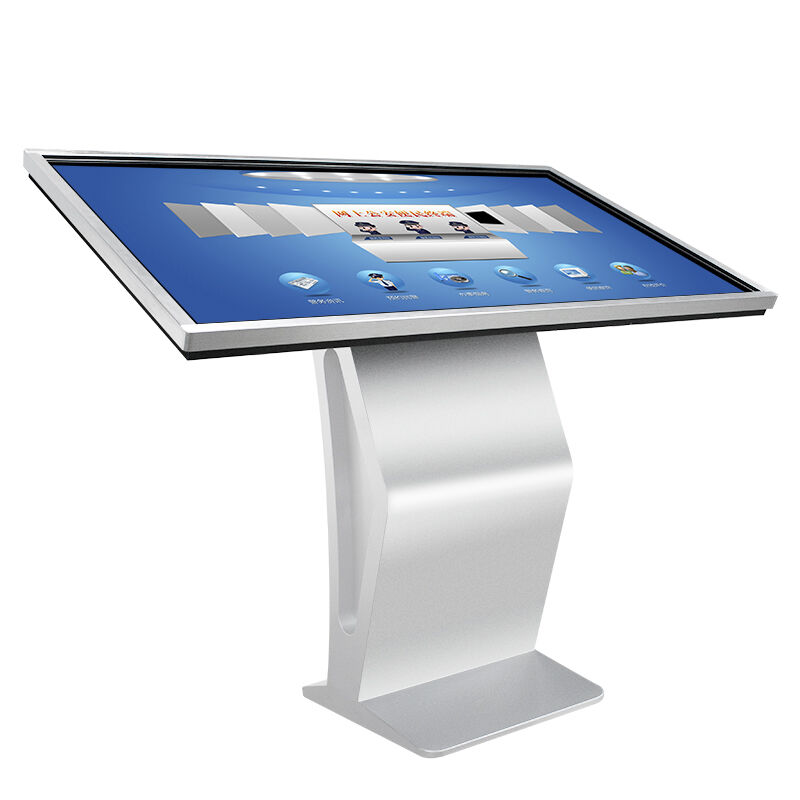
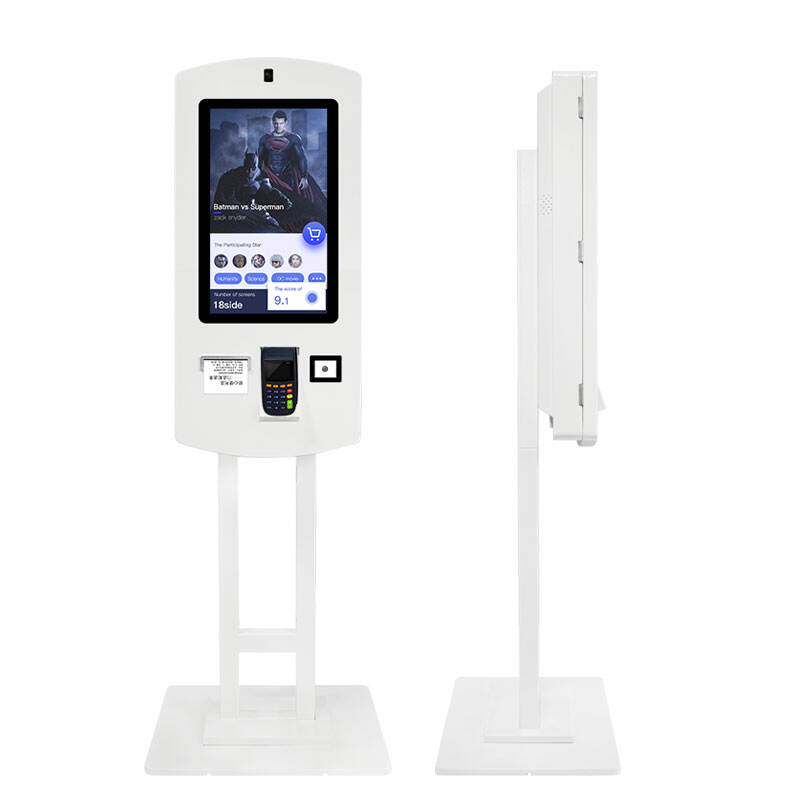
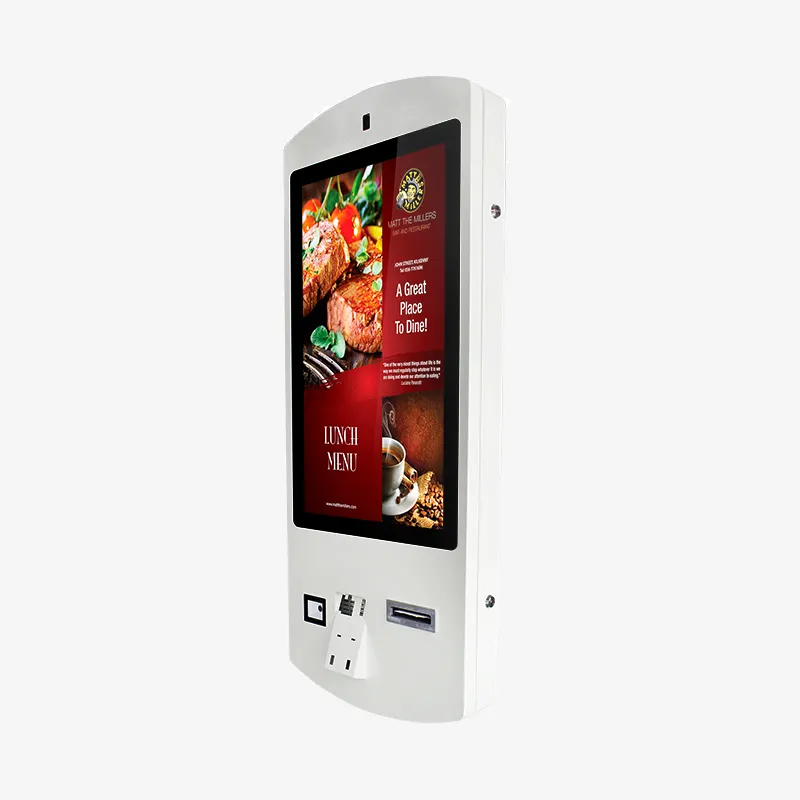
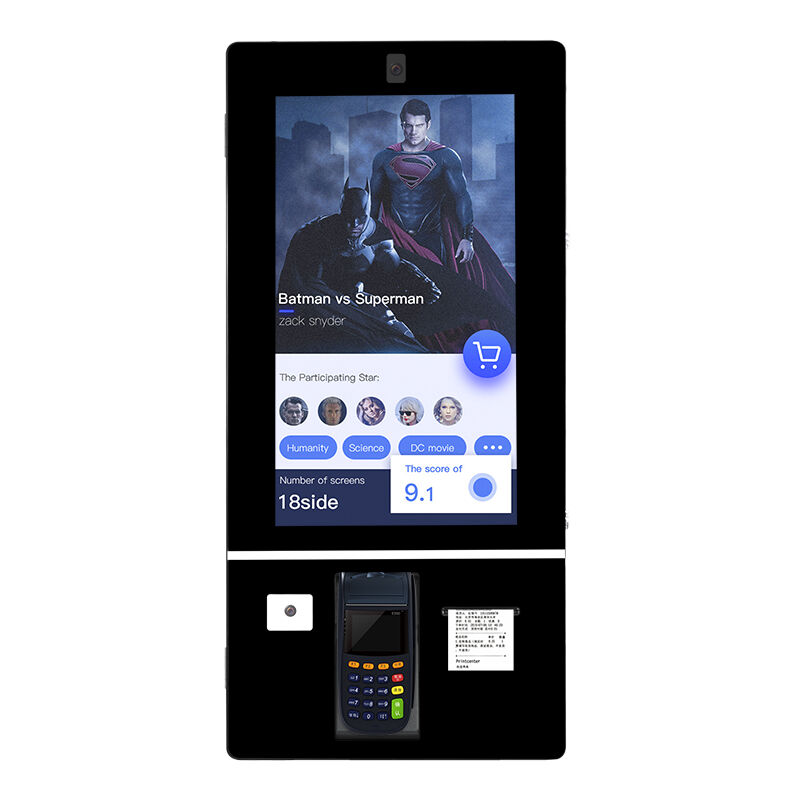
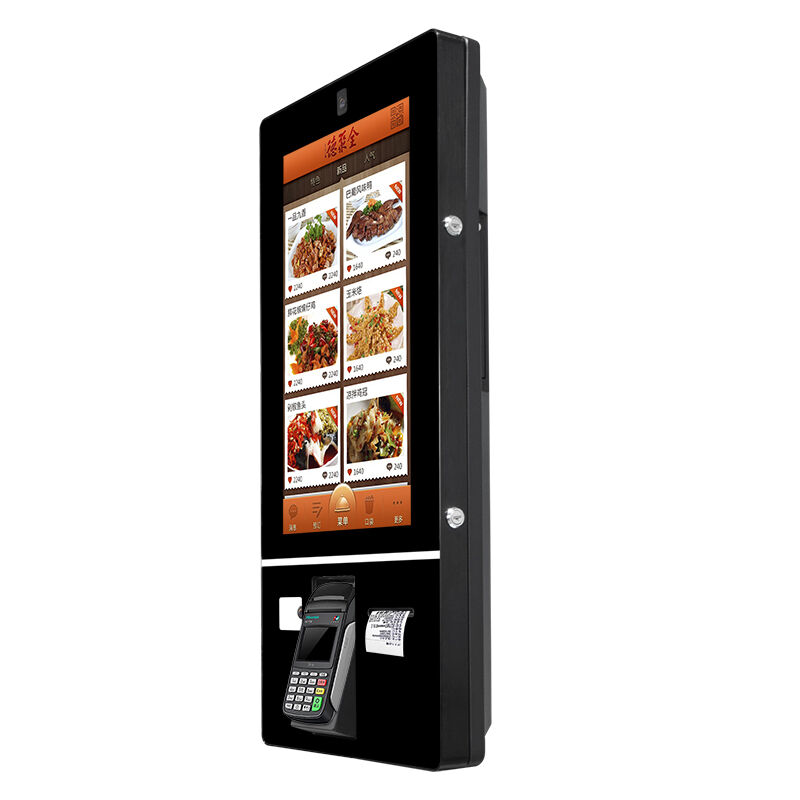
A retail self ordering kiosk represents a revolutionary interactive technology solution that transforms how customers engage with businesses across various retail environments. These sophisticated digital terminals enable customers to independently browse products, customize orders, and complete transactions without requiring direct staff assistance. The retail self ordering kiosk integrates cutting-edge touchscreen technology with intuitive user interfaces, creating seamless shopping experiences that cater to modern consumer preferences for speed, convenience, and control. These systems typically feature high-resolution displays ranging from 15 to 32 inches, equipped with capacitive touch sensors that respond accurately to user interactions. The technological backbone includes powerful processors capable of handling complex menu navigation, payment processing, and real-time inventory management. Most retail self ordering kiosk units incorporate multiple payment methods, including contactless cards, mobile payments, cash acceptance modules, and digital wallet integration. Advanced models feature biometric authentication, voice recognition capabilities, and multilingual support to accommodate diverse customer demographics. The kiosk software operates on robust platforms that synchronize with existing point-of-sale systems, inventory management databases, and customer relationship management tools. These terminals often include built-in cameras for security purposes, thermal printers for receipt generation, and wireless connectivity for cloud-based data management. The applications span numerous retail sectors including quick-service restaurants, grocery stores, retail chains, entertainment venues, and healthcare facilities. Implementation typically involves strategic placement in high-traffic areas, comprehensive staff training, and ongoing technical support to ensure optimal performance and customer satisfaction.

Popular Products

The retail self ordering kiosk delivers substantial operational benefits that directly impact business efficiency and customer satisfaction levels. These systems significantly reduce wait times by allowing multiple customers to place orders simultaneously, eliminating the bottleneck effect commonly experienced during peak hours. Businesses report increased average transaction values as the kiosk interface encourages customers to explore additional items and upgrade options without feeling pressured by staff members. The technology provides consistent service quality, ensuring every customer receives the same professional experience regardless of staff availability or training levels. Labor cost optimization becomes achievable as businesses can redirect human resources toward value-added activities like food preparation, customer service, and facility maintenance rather than order-taking duties. The retail self ordering kiosk captures comprehensive customer data, enabling businesses to analyze purchasing patterns, preferences, and behaviors for informed decision-making and targeted marketing campaigns. Order accuracy improves dramatically since customers input their own specifications, virtually eliminating miscommunication errors that often occur in traditional ordering processes. The systems operate continuously without breaks, sick days, or scheduling conflicts, providing reliable service availability that matches customer expectations. Revenue generation extends beyond regular business hours in some applications, as certain kiosk configurations can process orders for future pickup or delivery. Customer satisfaction surveys consistently show positive responses regarding the convenience, speed, and control that retail self ordering kiosk technology provides. The investment typically demonstrates positive return within 12-18 months through improved efficiency, reduced labor costs, and increased sales volumes. Hygiene considerations, particularly relevant in post-pandemic environments, make contactless ordering options increasingly attractive to health-conscious consumers who prefer minimal human interaction during transactions.

Practical Tips

Why Choose a Touch Screen Kiosk for Retail and Service Automation?

23

Dec

Why Choose a Touch Screen Kiosk for Retail and Service Automation?

Modern retail and service environments are rapidly transforming through digital automation, with touch screen kiosk technology leading this revolutionary change. Businesses across industries are discovering that implementing interactive self-service ...
View More
What Factors Determine a High-Impact Digital Signage Setup?

17

Dec

What Factors Determine a High-Impact Digital Signage Setup?

The landscape of visual communication has transformed dramatically with the rise of outdoor digital signage solutions that captivate audiences and drive meaningful engagement. Modern businesses increasingly rely on these dynamic display technologies ...
View More
How can digital signage enhance brand visibility and boost sales?

04

Jan

How can digital signage enhance brand visibility and boost sales?

Manufacturing facilities across the globe are rapidly embracing advanced human-machine interface technologies to enhance operational efficiency and streamline production processes. Industrial touch screen displays have emerged as critical components ...
View More
What Features Make an Advertising Display More Effective?

22

Jan

What Features Make an Advertising Display More Effective?

Modern businesses face increasing competition for consumer attention, making the choice of an effective advertising display crucial for marketing success. Digital advertising displays have revolutionized how companies communicate with their target au...
View More

Get a Free Quote

Our representative will contact you soon.
Email
Name
Company Name
Mobile/WhatsApp
Message
0/1000

retail self ordering kiosk

Advanced Payment Integration and Security Features

Advanced Payment Integration and Security Features

The retail self ordering kiosk excels in payment processing capabilities, incorporating state-of-the-art security measures that protect both businesses and customers throughout every transaction. These systems support comprehensive payment ecosystems including traditional credit and debit cards, contactless NFC payments, mobile wallet solutions like Apple Pay and Google Pay, and emerging cryptocurrency options. The payment integration utilizes end-to-end encryption protocols that meet PCI DSS compliance standards, ensuring sensitive financial information remains protected throughout the entire transaction process. Advanced fraud detection algorithms continuously monitor transaction patterns, identifying potentially suspicious activities and automatically implementing protective measures without disrupting legitimate customer experiences. The kiosk terminals feature tamper-resistant hardware designs with secure pin pad entry systems, encrypted card readers, and biometric authentication options that add multiple layers of security verification. Real-time payment processing capabilities ensure transactions complete efficiently, typically within 3-5 seconds, while maintaining bank-level security standards that inspire customer confidence. The systems automatically generate detailed transaction logs and audit trails, providing businesses with comprehensive financial tracking and compliance documentation required for accounting and regulatory purposes. Multi-currency support enables international businesses to serve diverse customer bases, with automatic conversion rates updated in real-time to ensure accurate pricing. The payment infrastructure scales seamlessly with business growth, accommodating increased transaction volumes without performance degradation or security vulnerabilities. Emergency payment recovery features protect against system interruptions, automatically saving transaction progress and providing alternative completion methods. Integration with loyalty programs and promotional campaigns occurs seamlessly through the payment interface, allowing customers to redeem rewards and apply discounts effortlessly during checkout.
Intelligent Inventory Management and Real-Time Synchronization

Intelligent Inventory Management and Real-Time Synchronization

The retail self ordering kiosk incorporates sophisticated inventory management capabilities that revolutionize stock control and product availability management across retail operations. These systems maintain real-time synchronization with centralized inventory databases, automatically updating product availability, pricing information, and promotional offers across all connected terminals simultaneously. When items become unavailable, the kiosk immediately removes them from customer-facing menus or suggests suitable alternatives, preventing disappointment and maintaining smooth ordering experiences. The intelligent forecasting algorithms analyze historical sales data, seasonal trends, and current ordering patterns to predict inventory needs and automatically generate restocking alerts for management teams. Integration with supply chain management systems enables automatic reordering of frequently depleted items, maintaining optimal stock levels without manual intervention. The retail self ordering kiosk provides detailed analytics regarding product performance, identifying best-selling items, slow-moving inventory, and customer preference trends that inform strategic business decisions. Dynamic pricing capabilities allow businesses to implement time-based promotions, happy hour specials, and demand-responsive pricing strategies that maximize revenue opportunities. The system tracks ingredient-level inventory for complex products, automatically calculating availability based on component stock levels and recipe requirements. Cross-location inventory visibility enables businesses with multiple outlets to balance stock distribution and transfer products between locations based on demand patterns. The technology supports seasonal menu changes and limited-time offers, automatically scheduling product launches and removals according to predetermined marketing calendars. Quality control features monitor product expiration dates and shelf life information, automatically flagging items approaching expiration and ensuring food safety compliance. Waste reduction occurs naturally as the system optimizes ordering patterns and provides accurate demand forecasting that minimizes overproduction and spoilage.
Customizable User Experience and Accessibility Features

Customizable User Experience and Accessibility Features

The retail self ordering kiosk prioritizes user experience through highly customizable interfaces that adapt to diverse customer needs and business requirements while maintaining exceptional accessibility standards. These systems feature intuitive design principles that guide customers through ordering processes naturally, utilizing visual cues, logical navigation patterns, and responsive feedback mechanisms that accommodate users of all technical skill levels. The interface customization extends beyond basic branding, allowing businesses to implement unique color schemes, typography choices, layout configurations, and interactive elements that align perfectly with corporate identity and customer expectations. Advanced personalization algorithms remember customer preferences, previous orders, and dietary restrictions, creating tailored experiences that expedite future transactions and enhance customer loyalty. The retail self ordering kiosk incorporates comprehensive accessibility features including adjustable screen height mechanisms, high-contrast display modes for visually impaired users, and audio assistance capabilities that read menu items and instructions aloud. Multi-language support encompasses not only text translation but also cultural adaptations that consider local preferences, currency formats, and regional dietary customs. The touchscreen interfaces utilize haptic feedback technology that provides tactile confirmation of selections, benefiting users with visual impairments or those who prefer physical confirmation of their actions. Voice recognition capabilities enable hands-free navigation for customers with mobility limitations, while gesture control options provide alternative interaction methods for users who cannot utilize traditional touch inputs. The systems automatically adjust font sizes, button dimensions, and menu layouts based on user preferences or detected accessibility needs. Cognitive accessibility features include simplified navigation modes, step-by-step guidance systems, and error prevention mechanisms that help users complete transactions successfully. The retail self ordering kiosk supports integration with assistive technologies and can communicate with external accessibility devices to provide seamless experiences for disabled customers. Regular usability testing and customer feedback integration drive continuous interface improvements, ensuring the system evolves to meet changing user needs and technological advances.

Get a Free Quote

Our representative will contact you soon.
Email
Name
Company Name
Mobile/WhatsApp
Message
0/1000