self checkout kiosk
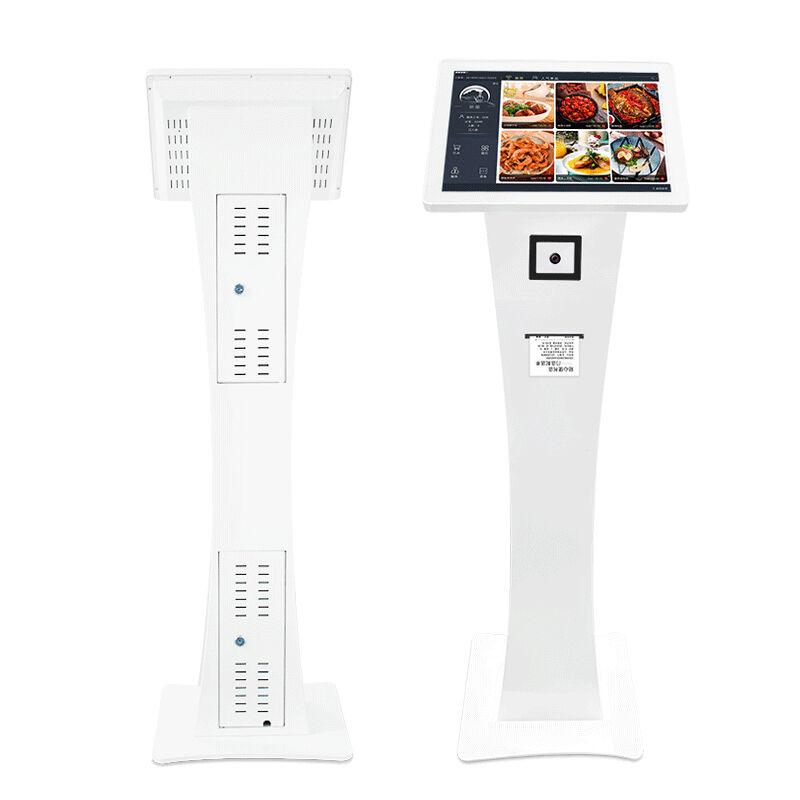
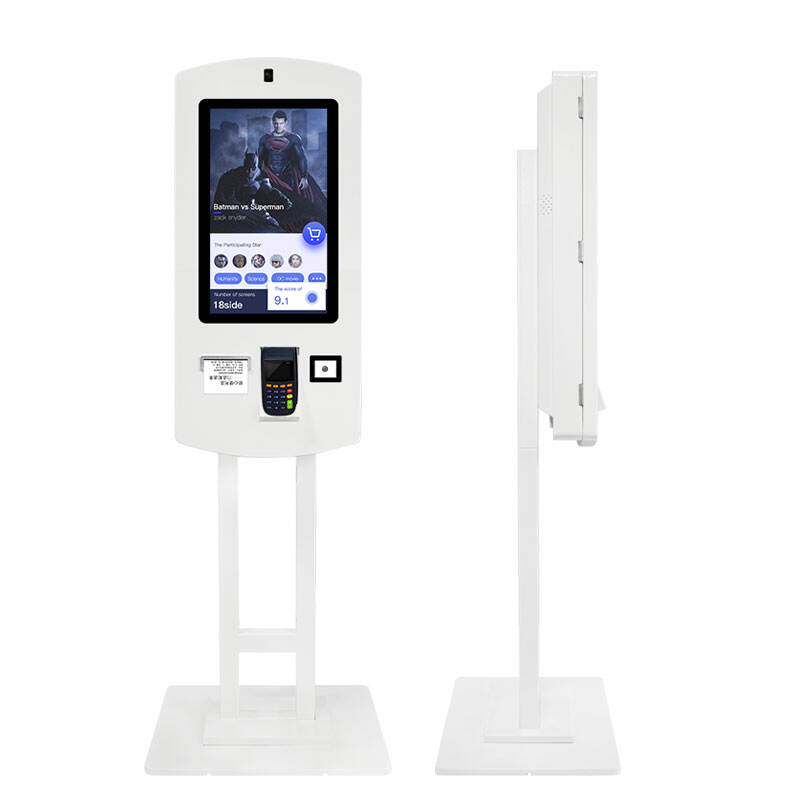
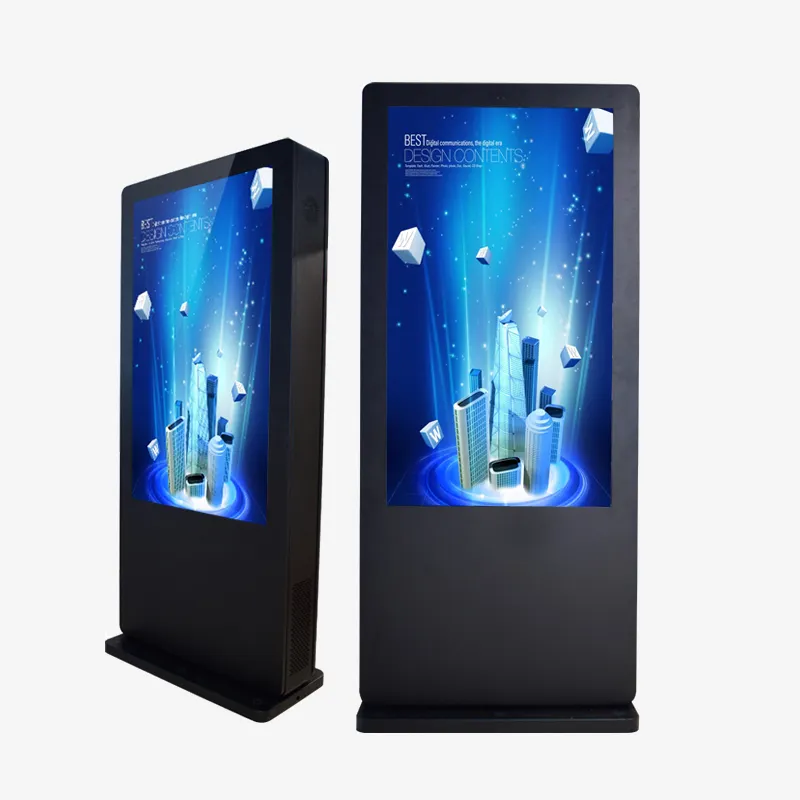
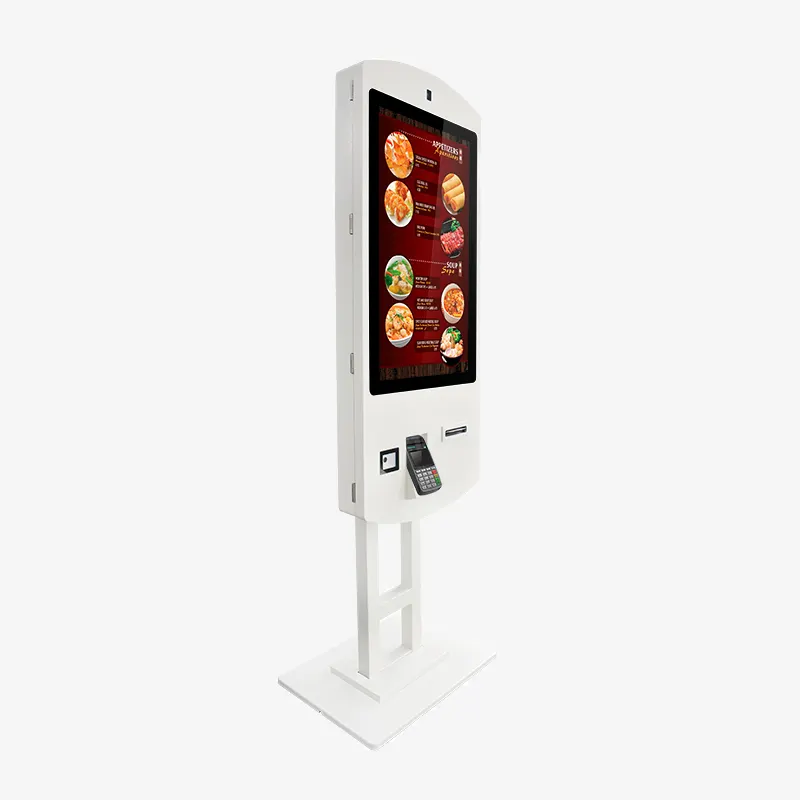
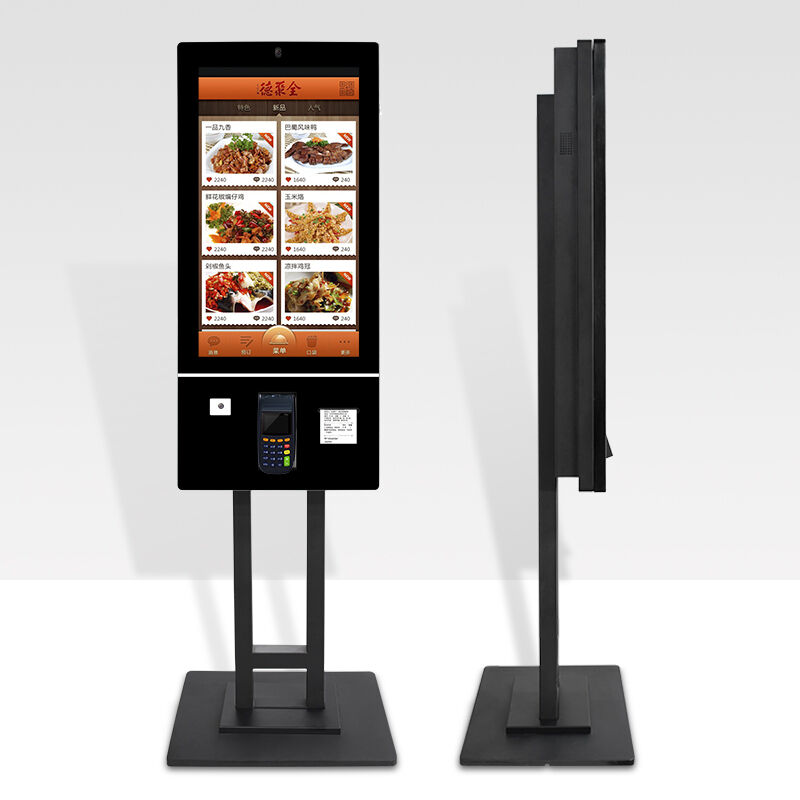
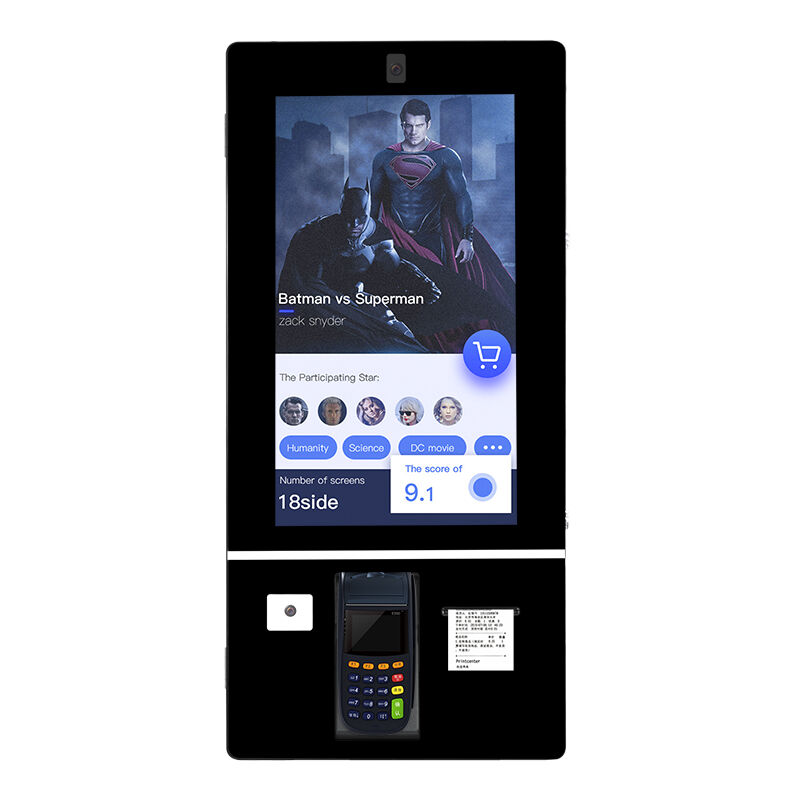
A self checkout kiosk represents a revolutionary retail technology that empowers customers to scan, bag, and pay for their purchases independently, without requiring assistance from store personnel. This automated retail solution transforms the traditional shopping experience by placing control directly into the hands of consumers, allowing them to complete transactions at their own pace and preference. The self checkout kiosk integrates sophisticated hardware components including high-resolution touchscreen displays, barcode scanners, weight sensors, payment processing terminals, and security cameras to create a seamless shopping experience. These systems utilize advanced software algorithms that guide users through each step of the checkout process, from product scanning to payment completion. The technological infrastructure behind these kiosks includes real-time inventory management systems, fraud detection mechanisms, and network connectivity that ensures instant communication with central databases. Modern self checkout kiosk units support multiple payment methods including credit cards, debit cards, mobile payments, contactless transactions, and cash handling capabilities. The user interface design prioritizes intuitive navigation, featuring large buttons, clear instructions, and multilingual support to accommodate diverse customer demographics. Security features embedded within each self checkout kiosk include sophisticated weight verification systems that detect discrepancies between scanned items and actual products, advanced video surveillance integration, and anti-theft protocols. These kiosks find extensive applications across various retail environments including supermarkets, convenience stores, pharmacies, department stores, and specialty retailers. The scalable nature of self checkout kiosk technology allows businesses to implement solutions ranging from single-unit installations to comprehensive multi-station configurations. Integration capabilities enable seamless connection with existing point-of-sale systems, inventory management platforms, and customer relationship management databases, ensuring operational continuity and data synchronization across all retail touchpoints.
 EN
EN