touch screen digital kiosk
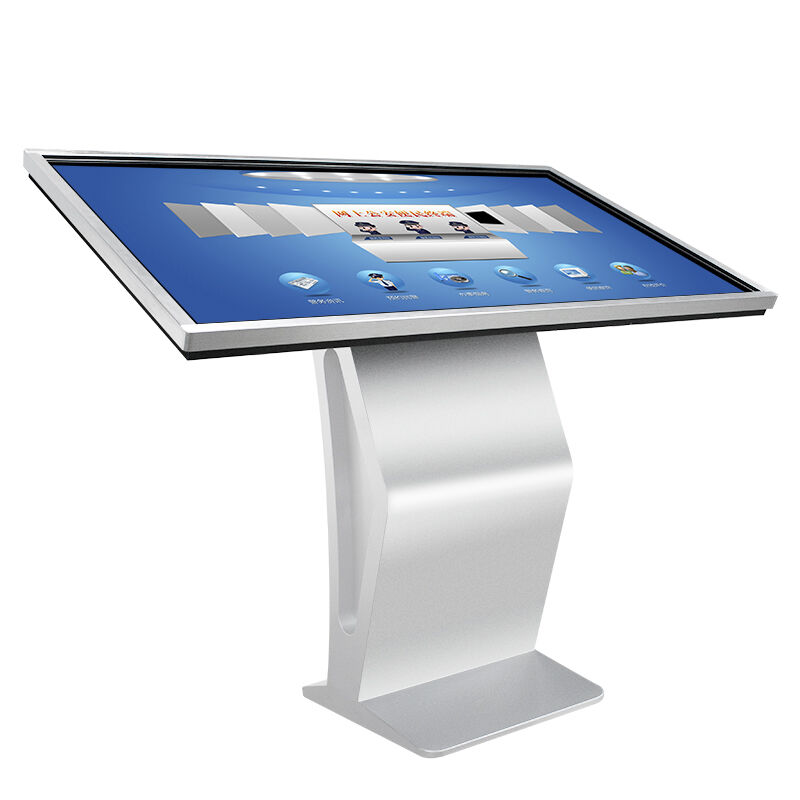
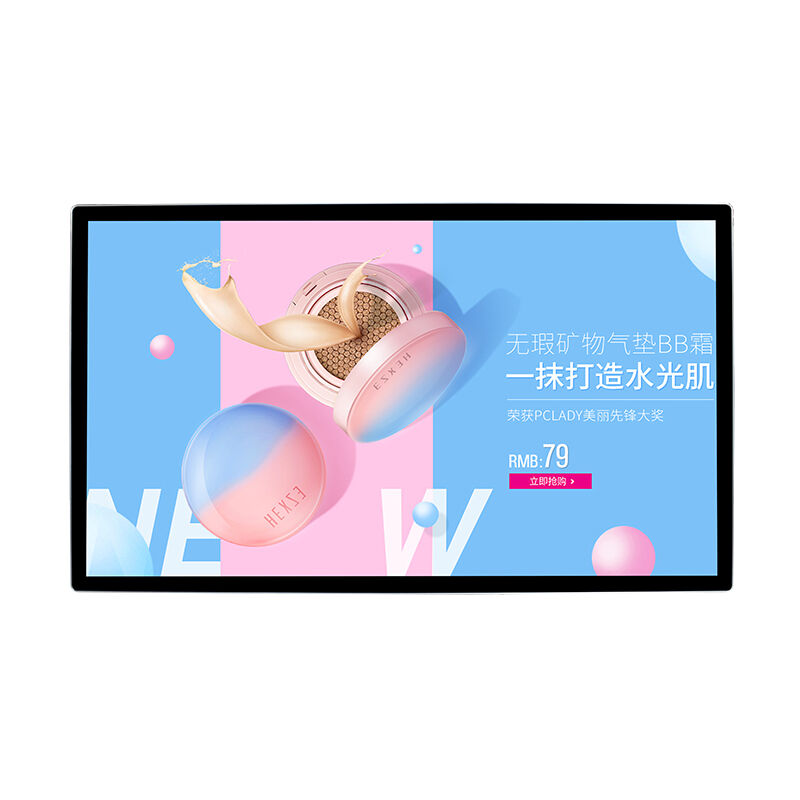
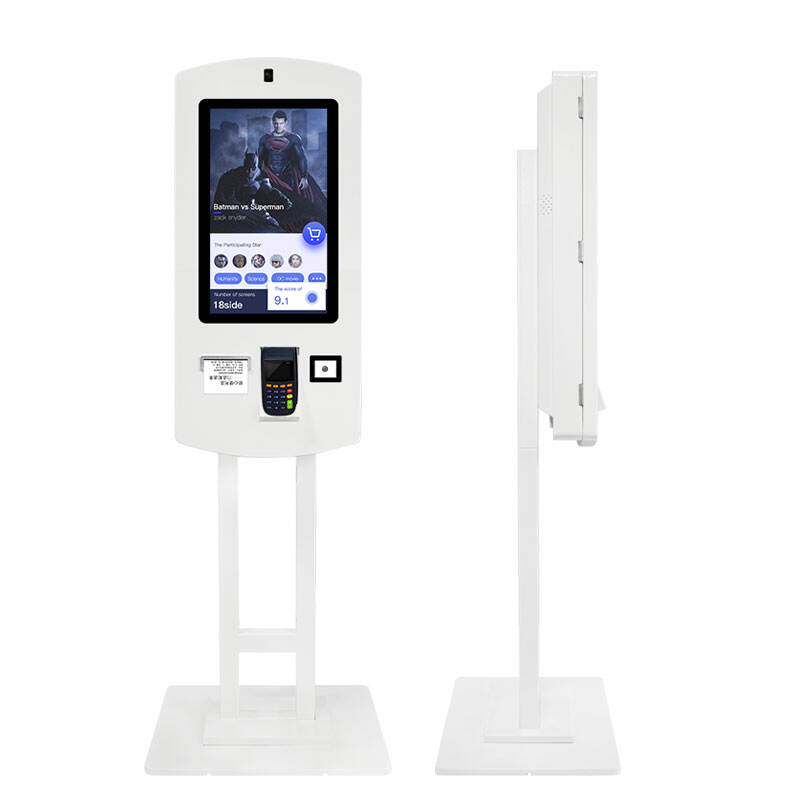
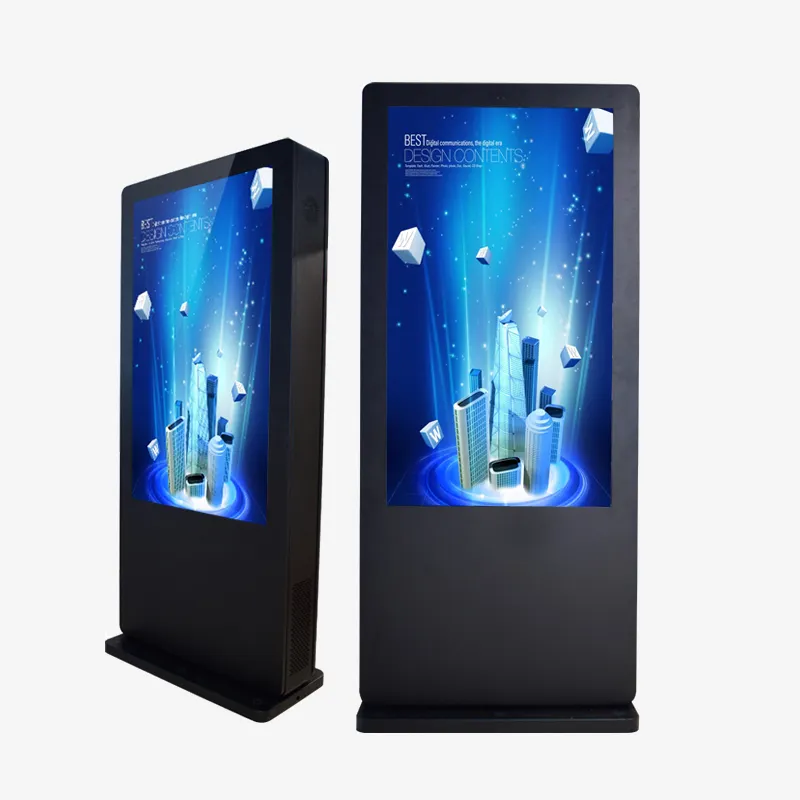
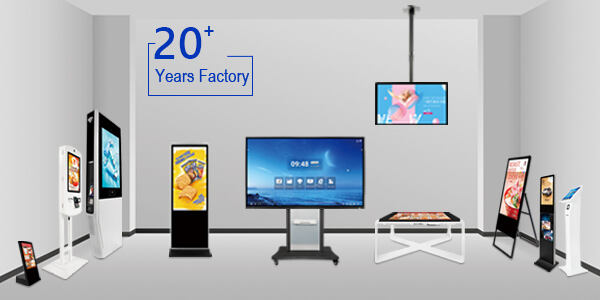
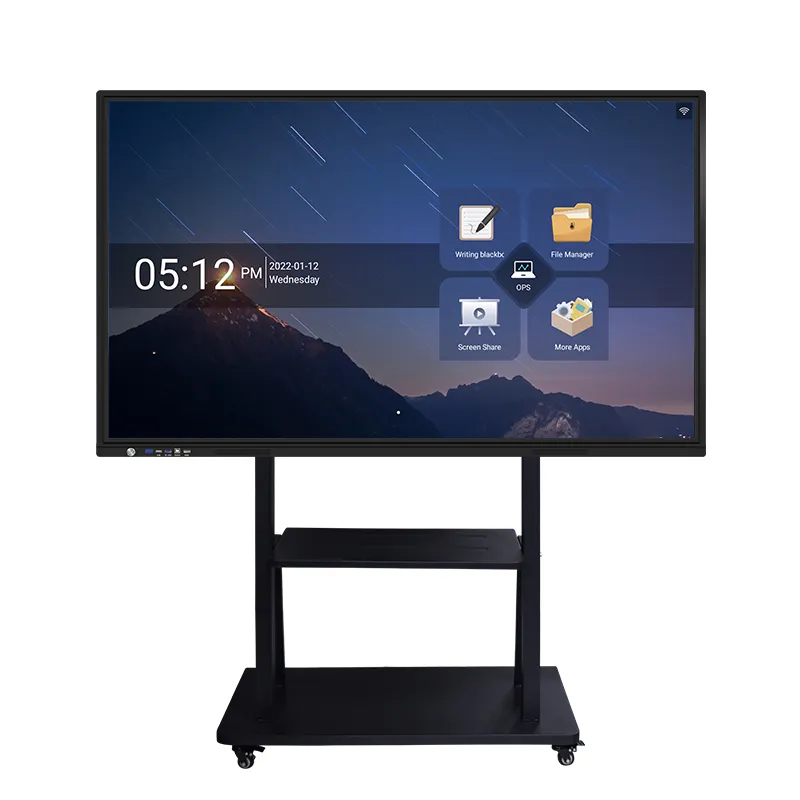
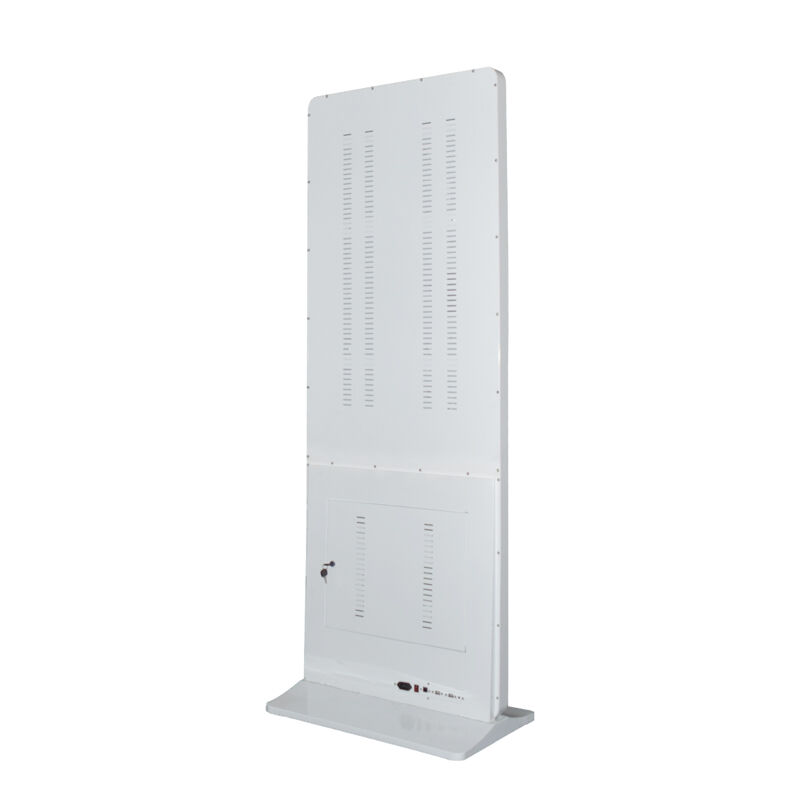
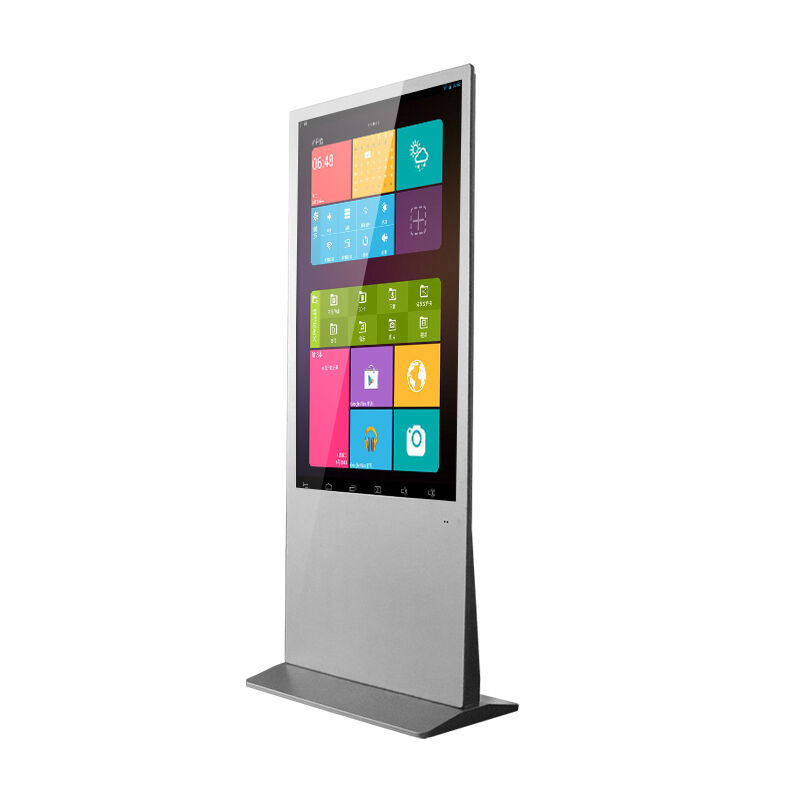
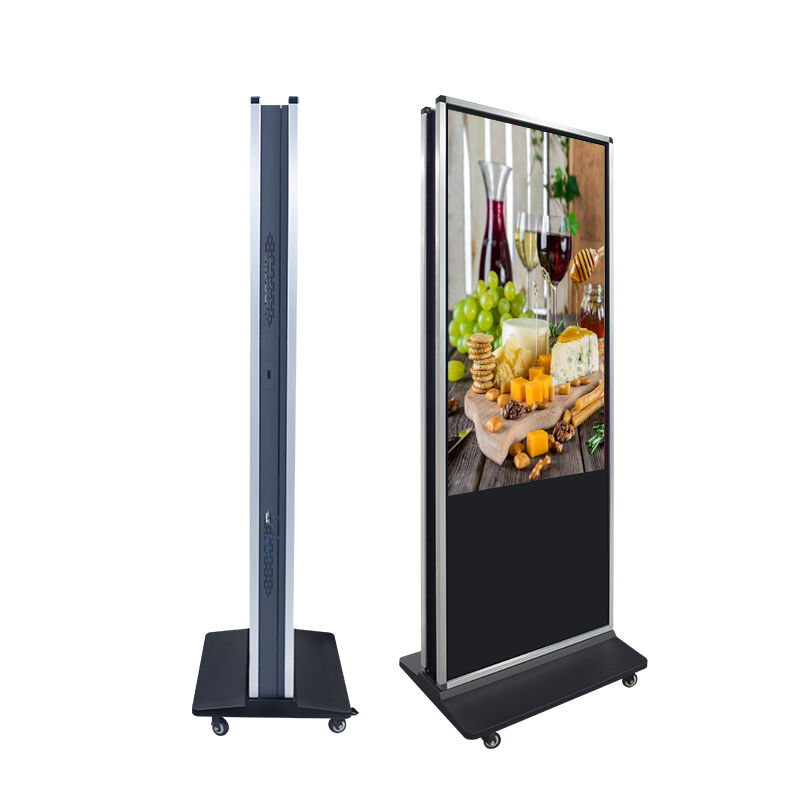
A touch screen digital kiosk represents a revolutionary self-service terminal that combines interactive display technology with sophisticated computing capabilities to deliver seamless user experiences across various industries. These modern information stations feature high-resolution touchscreen interfaces that respond instantly to user commands, eliminating the need for traditional input devices like keyboards or mice. The touch screen digital kiosk operates through capacitive or resistive touch technology, detecting electrical changes or pressure applied to the screen surface to register user interactions with remarkable accuracy. At its core, every touch screen digital kiosk contains a powerful processor, sufficient memory storage, and robust operating system software that enables smooth performance during continuous operation. The display component typically ranges from 15 to 55 inches, offering crystal-clear visuals that remain visible under various lighting conditions thanks to anti-glare coatings and brightness adjustment features. Network connectivity options include WiFi, Ethernet, and cellular connections, ensuring reliable data transmission and remote management capabilities. Advanced models incorporate additional hardware components such as cameras, scanners, printers, card readers, and audio systems to expand functionality beyond basic information display. The rugged construction of commercial-grade touch screen digital kiosk units ensures durability in high-traffic environments, featuring tempered glass screens, reinforced metal housings, and weather-resistant enclosures for outdoor installations. Software customization allows organizations to design unique user interfaces that reflect their brand identity while maintaining intuitive navigation patterns. Security features protect sensitive data through encrypted communications, user authentication protocols, and tamper-resistant hardware designs. Modern touch screen digital kiosk systems support multiple languages, accessibility features for disabled users, and integration with existing business management systems through API connections and database synchronization.
 EN
EN