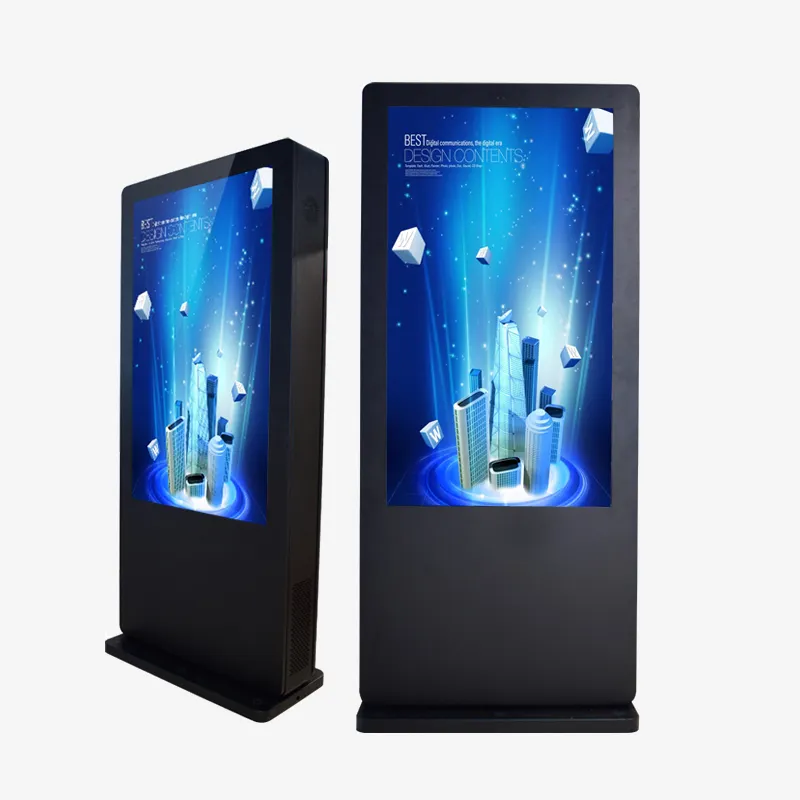
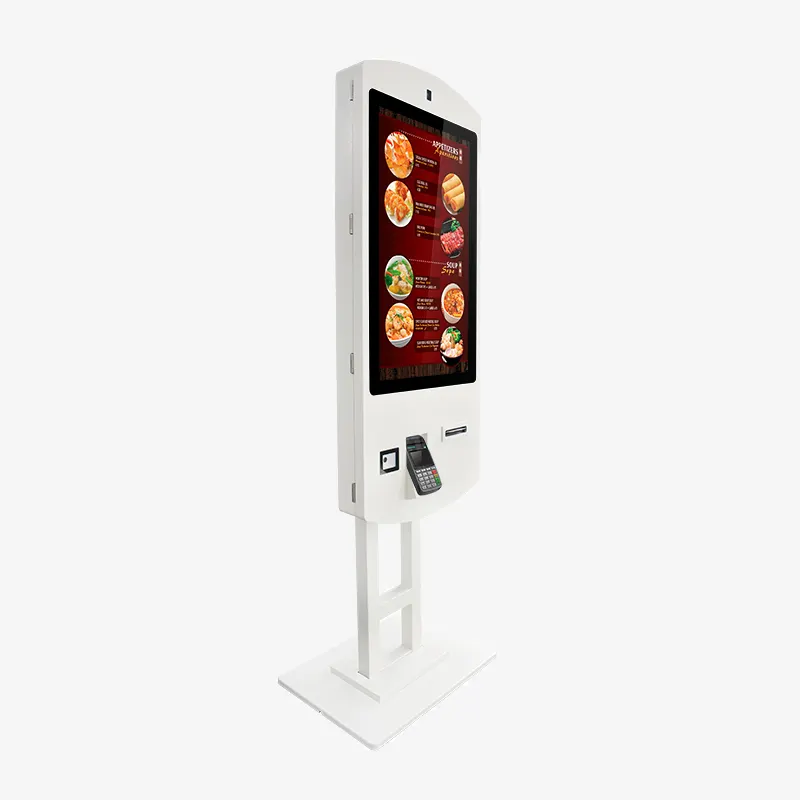
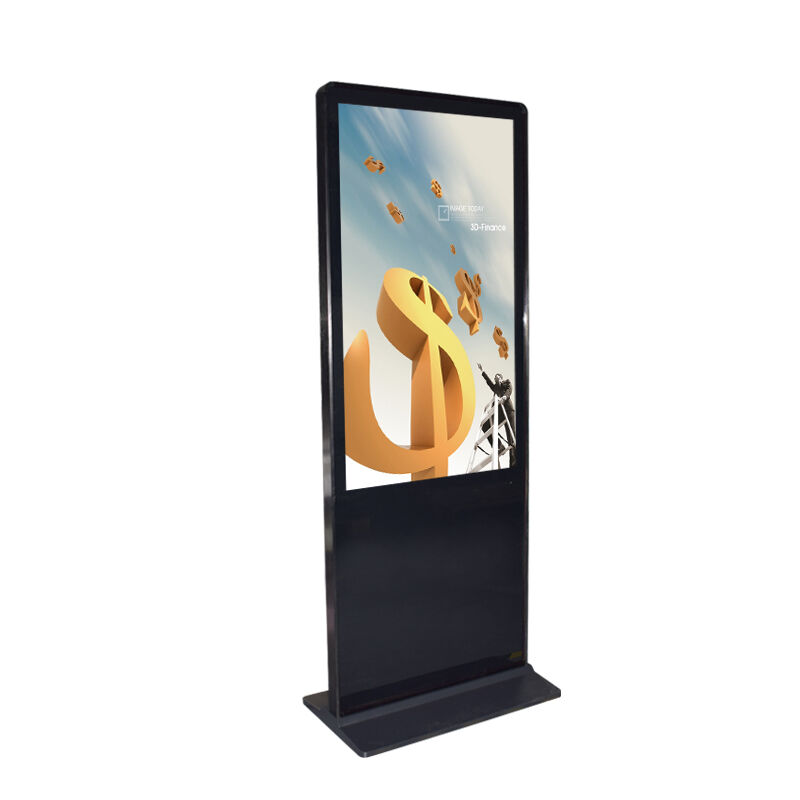
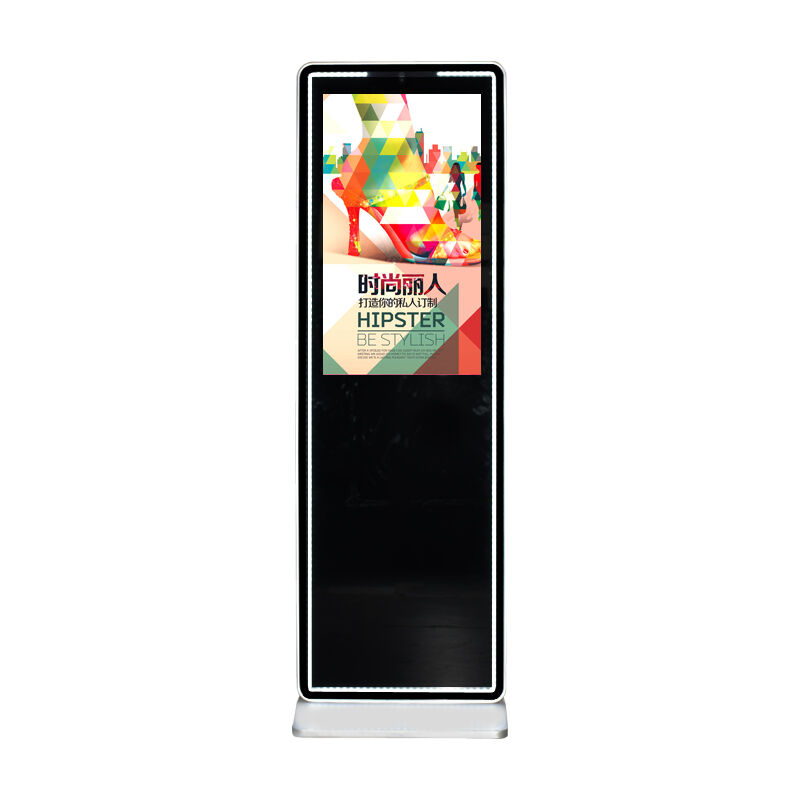
touch screen kiosk machine
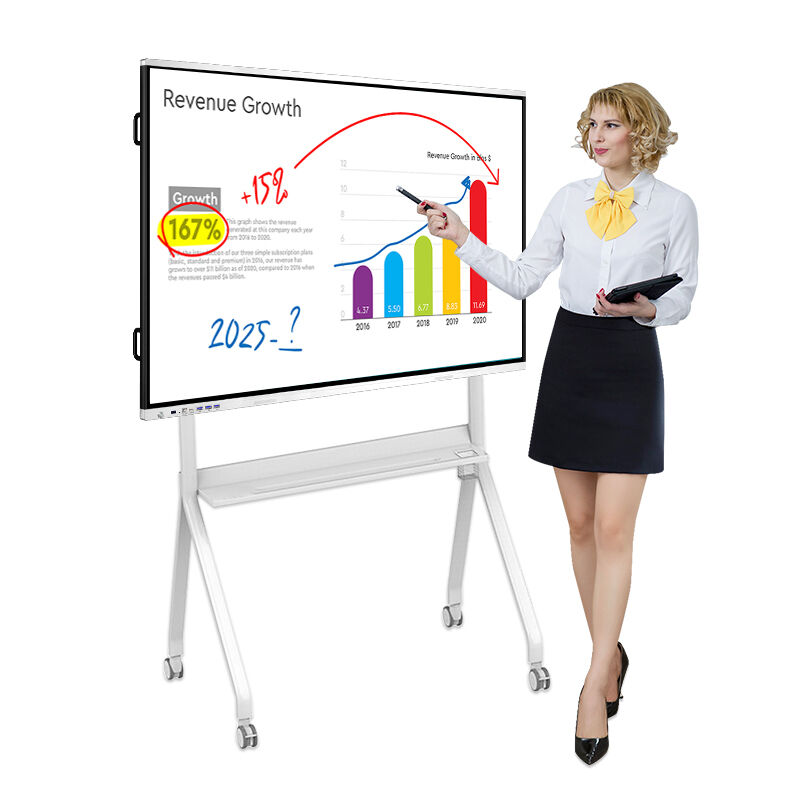
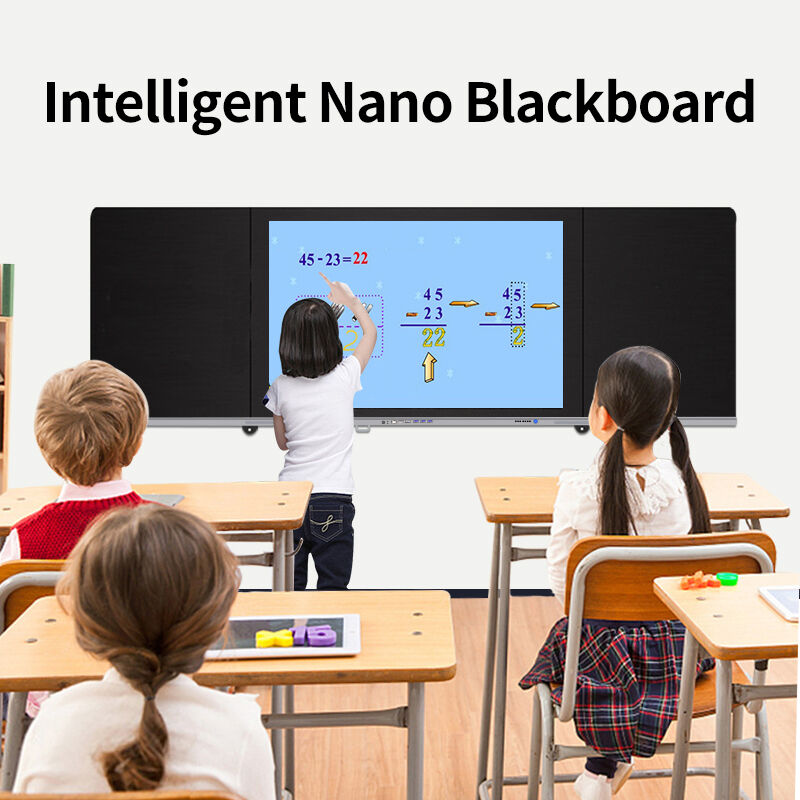
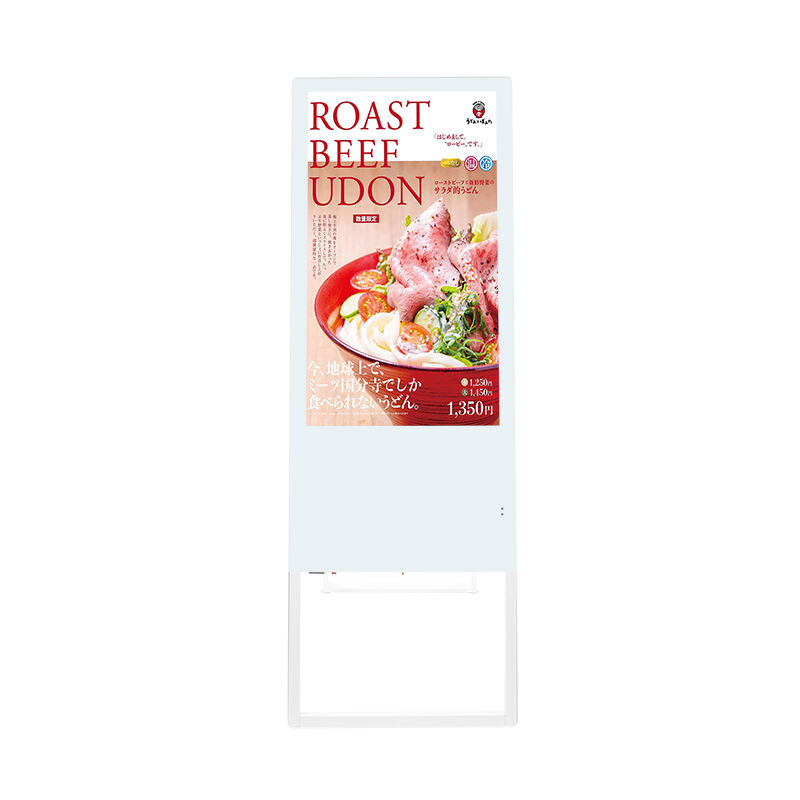
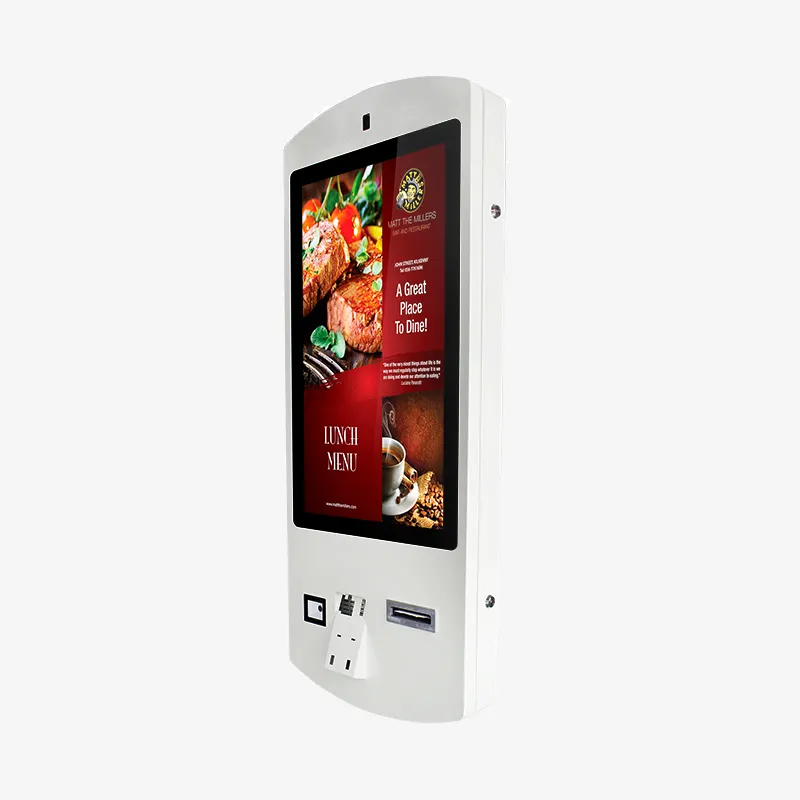
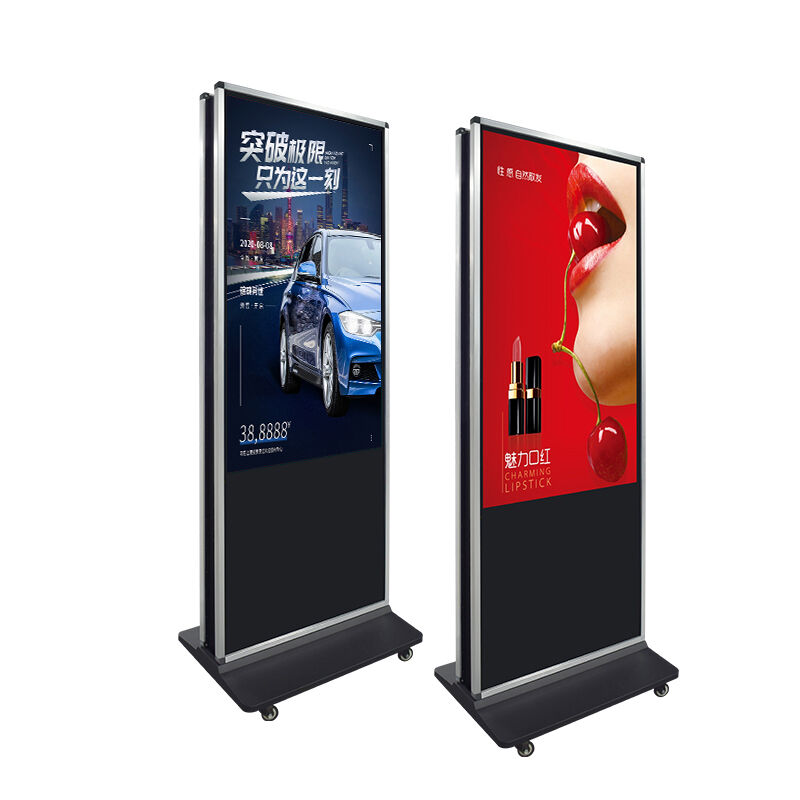
A touch screen kiosk machine represents a revolutionary self-service solution that combines cutting-edge display technology with intuitive user interfaces to deliver seamless interactive experiences across diverse environments. These sophisticated devices feature high-resolution capacitive or resistive touchscreen displays that respond instantly to user input, creating an engaging platform for information access, transactions, and customer service operations. The touch screen kiosk machine incorporates robust hardware components including industrial-grade processors, secure payment systems, high-definition cameras, and weatherproof enclosures designed to withstand continuous operation in demanding conditions. Modern touch screen kiosk machine units utilize advanced multi-touch technology that supports gesture recognition, pinch-to-zoom functionality, and smooth navigation through complex menu structures. The technological architecture encompasses secure operating systems, encrypted data transmission protocols, and cloud-based content management systems that enable remote monitoring and real-time updates. These machines integrate seamlessly with existing business infrastructure through wireless connectivity, ethernet connections, and API integration capabilities. The touch screen kiosk machine serves multiple applications including retail checkout systems, information directories, wayfinding solutions, digital signage platforms, and customer registration terminals. Healthcare facilities deploy these units for patient check-in procedures, appointment scheduling, and medical information access. Educational institutions utilize touch screen kiosk machine technology for campus navigation, course enrollment, and interactive learning experiences. Transportation hubs implement these devices for ticketing services, schedule information, and passenger assistance. The modular design allows customization of screen sizes ranging from compact 15-inch displays to large-format 55-inch presentations, accommodating specific spatial requirements and user accessibility needs. Advanced security features include biometric authentication, encrypted storage, and tamper-resistant construction that protects sensitive data and prevents unauthorized access to internal components.
 EN
EN