Self Service Kiosks in Hospitals: Advanced Patient Registration, Payment Processing & Health Information Management Solutions

Get a Free Quote

Our representative will contact you soon.
Email
Name
Company Name
Mobile/WhatsApp
Message
0/1000

self service kiosks in hospitals

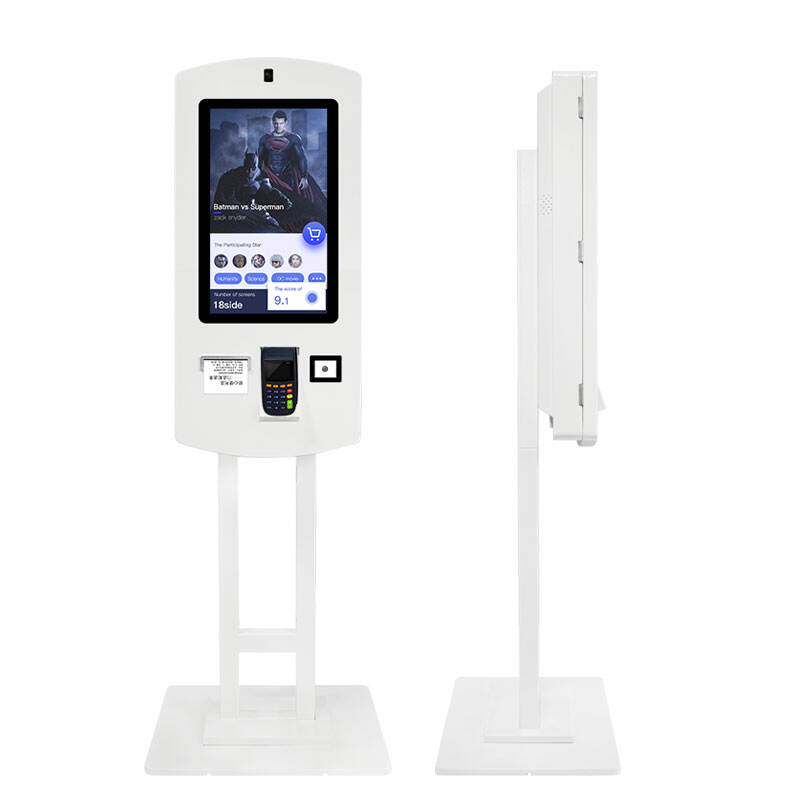
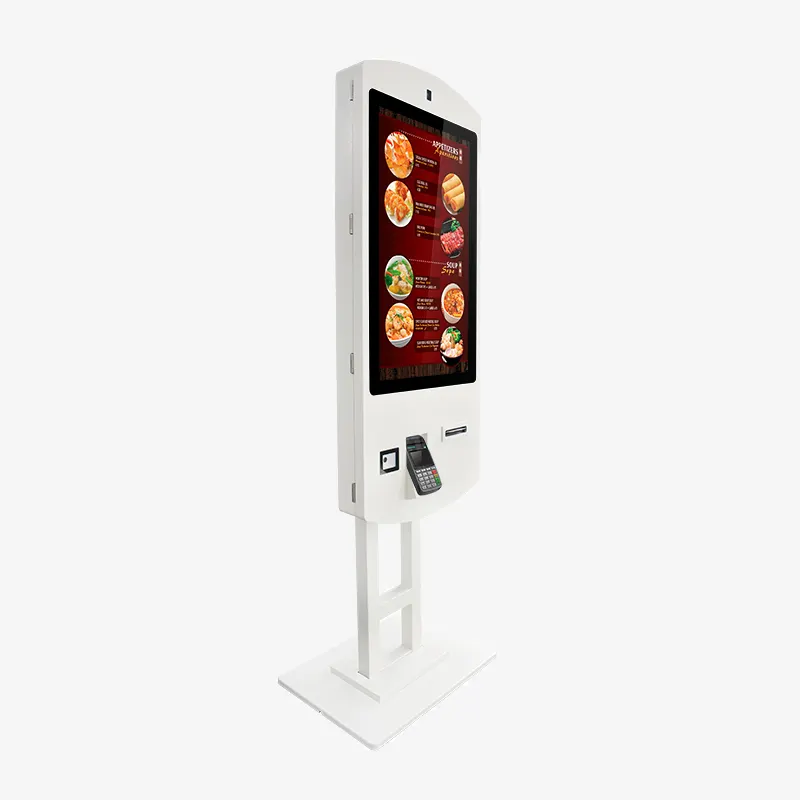
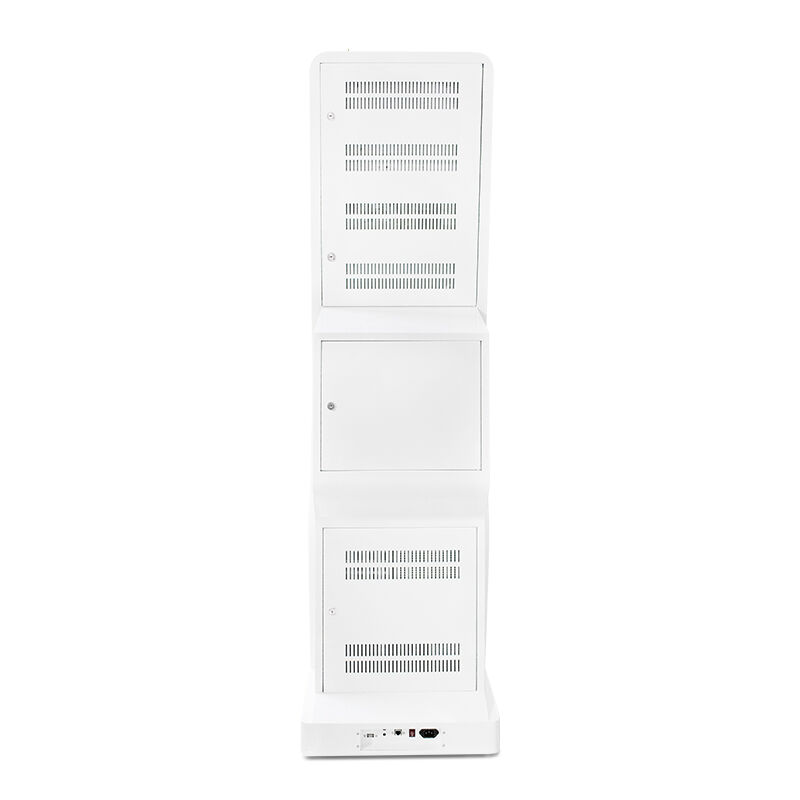
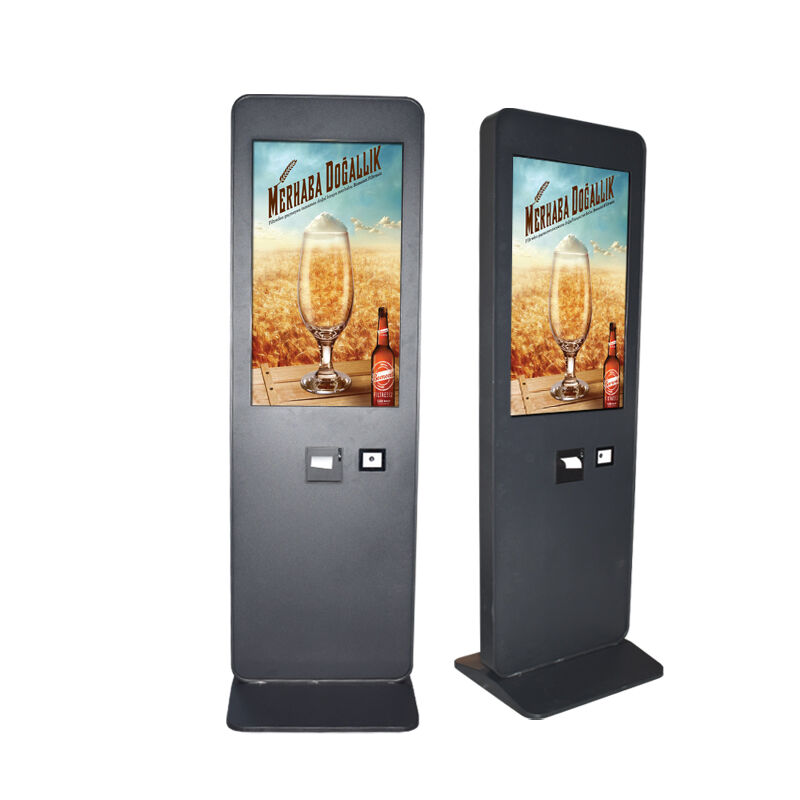
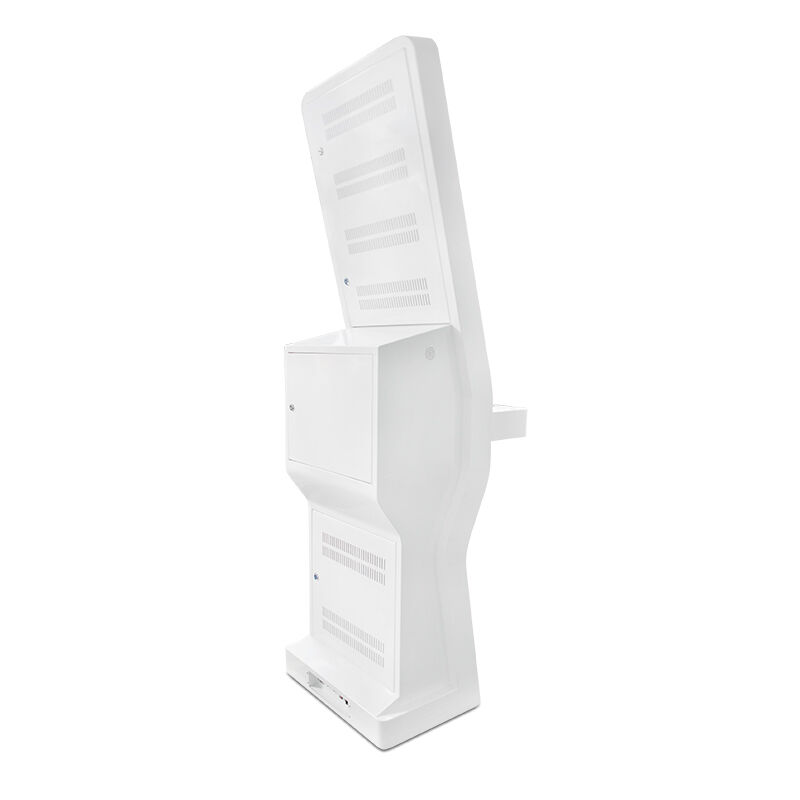
Self service kiosks in hospitals represent a revolutionary technological advancement that transforms how healthcare facilities manage patient interactions and streamline administrative processes. These interactive terminals serve as digital gateways, enabling patients to independently complete various tasks that traditionally required staff assistance. Modern self service kiosks in hospitals incorporate sophisticated touchscreen interfaces, secure payment processing systems, and integrated software platforms that connect seamlessly with existing hospital management systems. The primary functions of these innovative devices include patient registration, appointment scheduling, insurance verification, waiver signing, payment processing, and information dissemination. Healthcare facilities deploy self service kiosks in hospitals strategically throughout their premises, positioning them in lobbies, waiting areas, and departmental entrances to maximize accessibility and convenience. The technological architecture behind self service kiosks in hospitals features robust hardware components including high-definition displays, thermal printers, card readers, cameras for identification purposes, and secure networking capabilities. These systems operate on advanced software platforms that support multiple languages, accessibility features for disabled users, and real-time data synchronization with electronic health records. Security remains paramount in self service kiosks in hospitals, incorporating encryption protocols, HIPAA compliance measures, and biometric authentication options to protect sensitive patient information. Applications extend beyond basic administrative functions to include prescription refill requests, lab result access, physician communication portals, and health education content delivery. The versatility of self service kiosks in hospitals allows customization for specific departmental needs, whether in emergency departments requiring rapid triage support or outpatient clinics focusing on appointment management. Integration capabilities enable these systems to communicate with pharmacy networks, insurance databases, and third-party healthcare applications, creating comprehensive digital ecosystems that enhance operational efficiency while maintaining the highest standards of patient data protection and regulatory compliance.

New Product Releases

Self service kiosks in hospitals deliver substantial operational benefits that directly impact both healthcare providers and patients through measurable efficiency improvements and cost reductions. These systems dramatically reduce patient wait times by eliminating bottlenecks at traditional reception desks, allowing multiple patients to simultaneously complete registration processes that previously required individual staff attention. Hospitals experience significant labor cost savings as self service kiosks in hospitals handle routine administrative tasks, freeing valuable staff members to focus on clinical care and complex patient needs that require human expertise. Revenue cycle management improves considerably when facilities implement self service kiosks in hospitals, as these systems collect accurate patient information, verify insurance coverage in real-time, and process copayments immediately upon check-in, reducing billing errors and accelerating payment collection. Patient satisfaction scores increase markedly because self service kiosks in hospitals provide convenient, private environments for handling sensitive information without feeling rushed or judged by staff members. The 24/7 availability of certain self service kiosks in hospitals enables patients to access services outside normal business hours, including appointment scheduling, prescription refill requests, and basic information retrieval. Data accuracy significantly improves as patients input their own information directly into self service kiosks in hospitals, eliminating transcription errors common in traditional paper-based or verbal registration processes. Healthcare facilities benefit from enhanced infection control protocols, as self service kiosks in hospitals minimize person-to-person contact while still maintaining essential patient services during health crises or busy periods. Administrative burden reduction allows staff to dedicate more time to patient care activities, improving overall service quality and clinical outcomes. Financial transparency increases through self service kiosks in hospitals that display real-time insurance benefits, estimated costs, and payment options, helping patients make informed decisions about their healthcare services. The scalability of self service kiosks in hospitals means facilities can easily expand capacity during peak periods without proportionally increasing staffing costs, providing flexible solutions that adapt to varying patient volumes while maintaining consistent service levels throughout different seasons and circumstances.

Practical Tips

What Factors Determine a High-Impact Digital Signage Setup?

17

Dec

What Factors Determine a High-Impact Digital Signage Setup?

The landscape of visual communication has transformed dramatically with the rise of outdoor digital signage solutions that captivate audiences and drive meaningful engagement. Modern businesses increasingly rely on these dynamic display technologies ...
View More
How Can an Interactive Flat Panel Improve Classroom Collaboration?

11

Dec

How Can an Interactive Flat Panel Improve Classroom Collaboration?

Modern classrooms are evolving rapidly, and educators are constantly seeking innovative tools to enhance student engagement and learning outcomes. The integration of digital technology in educational environments has become essential for creating dyn...
View More
Which industries are best suited to utilising freestanding self-service kiosks?

16

Jan

Which industries are best suited to utilising freestanding self-service kiosks?

The rapid evolution of digital technology has revolutionized customer service across numerous industries, with freestanding self-service kiosks emerging as a transformative solution for businesses seeking to enhance operational efficiency and custome...
View More
Why Choose a Bar Display for Retail Shelving and Advertising?

28

Jan

Why Choose a Bar Display for Retail Shelving and Advertising?

Modern retail environments demand innovative solutions that capture customer attention while maximizing space efficiency. The bar display has emerged as a revolutionary technology that transforms traditional retail shelving into dynamic advertising p...
View More

Get a Free Quote

Our representative will contact you soon.
Email
Name
Company Name
Mobile/WhatsApp
Message
0/1000

self service kiosks in hospitals

Advanced Patient Registration and Check-in Automation

Advanced Patient Registration and Check-in Automation

Self service kiosks in hospitals revolutionize the patient registration experience through sophisticated automation that eliminates traditional paperwork bottlenecks while ensuring comprehensive data collection and verification processes. These intelligent systems guide patients through intuitive step-by-step registration procedures, capturing essential demographic information, insurance details, emergency contacts, and medical history updates with remarkable precision and efficiency. The advanced technology embedded in self service kiosks in hospitals includes optical character recognition capabilities that can scan and validate insurance cards, driver's licenses, and other identification documents, automatically populating patient records with accurate information while reducing manual data entry errors that commonly occur in traditional registration processes. Real-time insurance verification functionality connects directly with major insurance providers, instantly confirming coverage details, copayment requirements, and authorization status, enabling patients to understand their financial responsibilities before receiving services. The sophisticated software platforms powering self service kiosks in hospitals incorporate intelligent form logic that adapts questions based on patient responses, ensuring relevant information collection while streamlining the registration process for different types of visits and medical specialties. Multi-language support accommodates diverse patient populations, while accessibility features including voice guidance, large text options, and wheelchair-accessible positioning ensure compliance with Americans with Disabilities Act requirements. These systems seamlessly integrate with electronic health record platforms, instantly updating patient profiles with current information and flagging any discrepancies for staff review. The convenience factor cannot be overstated, as patients can complete registration at their own pace without feeling pressured by waiting staff or other patients, leading to more accurate information disclosure and improved satisfaction scores. Security protocols embedded in self service kiosks in hospitals include encrypted data transmission, secure printing capabilities, and automatic session timeouts to protect sensitive patient information throughout the registration process, maintaining HIPAA compliance while delivering exceptional user experiences.
Integrated Payment Processing and Financial Management

Integrated Payment Processing and Financial Management

Self service kiosks in hospitals incorporate comprehensive payment processing capabilities that streamline financial transactions while providing patients with transparent pricing information and flexible payment options that accommodate diverse economic circumstances and preferences. These sophisticated systems connect directly with hospital billing departments and revenue cycle management platforms, enabling real-time calculation of patient financial responsibilities based on insurance coverage, deductible status, and service-specific copayment requirements. The payment functionality within self service kiosks in hospitals accepts multiple payment methods including credit cards, debit cards, health savings account cards, flexible spending account cards, cash, and even digital wallet applications, providing convenient options that meet varied patient preferences and financial situations. Advanced security features protect all financial transactions through PCI-compliant encryption protocols, tokenization processes, and secure payment gateways that exceed industry standards for sensitive financial data protection. Patients benefit from immediate payment confirmation, detailed receipt printing, and automatic integration with their patient accounts, eliminating confusion about payment status and reducing billing inquiries to administrative staff. The transparency offered by self service kiosks in hospitals includes real-time insurance benefit verification that displays exact coverage amounts, remaining deductibles, and out-of-pocket maximums, empowering patients to make informed financial decisions about their healthcare services. Payment plan options can be established through these systems, allowing patients to set up installment agreements for larger balances without requiring separate appointments with financial counselors. The efficiency gains are substantial, as self service kiosks in hospitals process payments instantly, update patient accounts immediately, and generate automatic receipts, reducing processing time and eliminating the delays associated with traditional payment collection methods. These systems also capture important financial information for charity care applications, sliding fee scale determinations, and financial assistance program enrollment, streamlining access to support services for patients who qualify for reduced-cost healthcare options while maintaining privacy and dignity throughout the process.
Comprehensive Health Information Access and Communication Portal

Comprehensive Health Information Access and Communication Portal

Self service kiosks in hospitals serve as powerful communication hubs that provide patients with secure, convenient access to their complete health information while facilitating seamless interaction with healthcare providers and administrative staff through integrated messaging and information management systems. These advanced platforms connect directly with electronic health record systems, enabling patients to review recent lab results, imaging reports, medication lists, and discharge instructions without requiring staff assistance or scheduling separate appointments for information retrieval. The comprehensive nature of information access through self service kiosks in hospitals includes prescription management features that allow patients to request refills, view medication histories, and receive important safety information about drug interactions or side effects. Appointment management capabilities enable patients to view upcoming appointments, request schedule changes, and receive automated reminders through their preferred communication channels, reducing no-show rates and improving care continuity. Educational content delivery through self service kiosks in hospitals provides patients with condition-specific information, treatment preparation instructions, and wellness resources that support informed decision-making and improved health outcomes. The communication portal functionality includes secure messaging systems that allow patients to contact their healthcare providers with non-urgent questions, request prescription renewals, and report symptoms or concerns between scheduled visits. These systems maintain complete conversation histories, ensuring continuity of communication and proper documentation for medical record purposes. Privacy controls within self service kiosks in hospitals enable patients to designate authorized family members or caregivers who can access specific health information, supporting collaborative care approaches while maintaining appropriate confidentiality protections. The convenience of 24/7 access means patients can retrieve important health information, communicate with providers, and manage their healthcare needs outside traditional business hours, improving patient engagement and satisfaction with their healthcare experience. Integration with telehealth platforms enables patients to join virtual appointments directly from self service kiosks in hospitals, expanding access to care and providing flexible consultation options that accommodate busy schedules and transportation challenges while maintaining the security and reliability expected in healthcare communications.

Get a Free Quote

Our representative will contact you soon.
Email
Name
Company Name
Mobile/WhatsApp
Message
0/1000