smart whiteboard for classroom
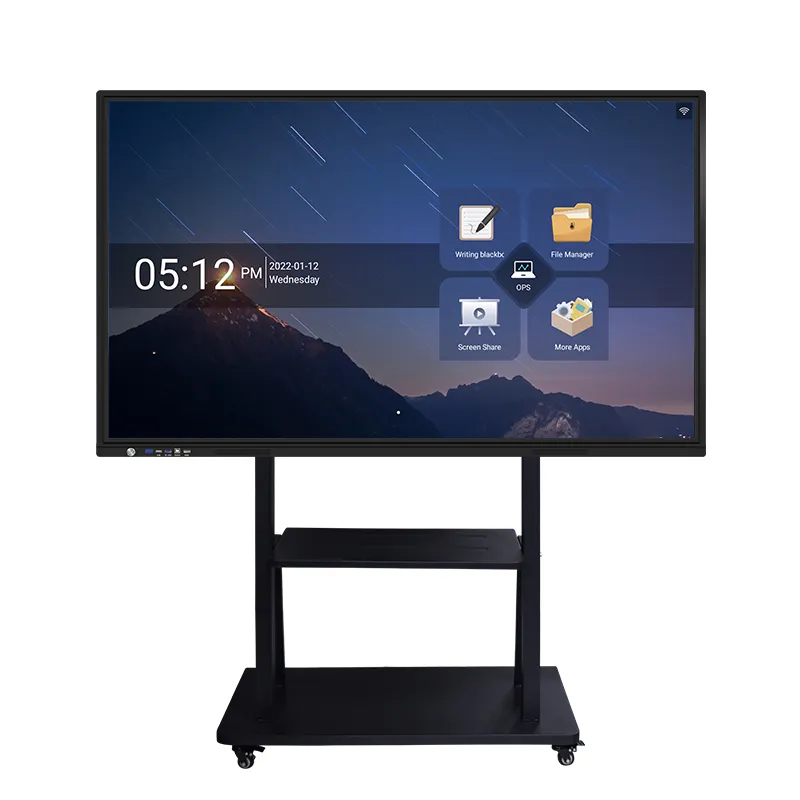
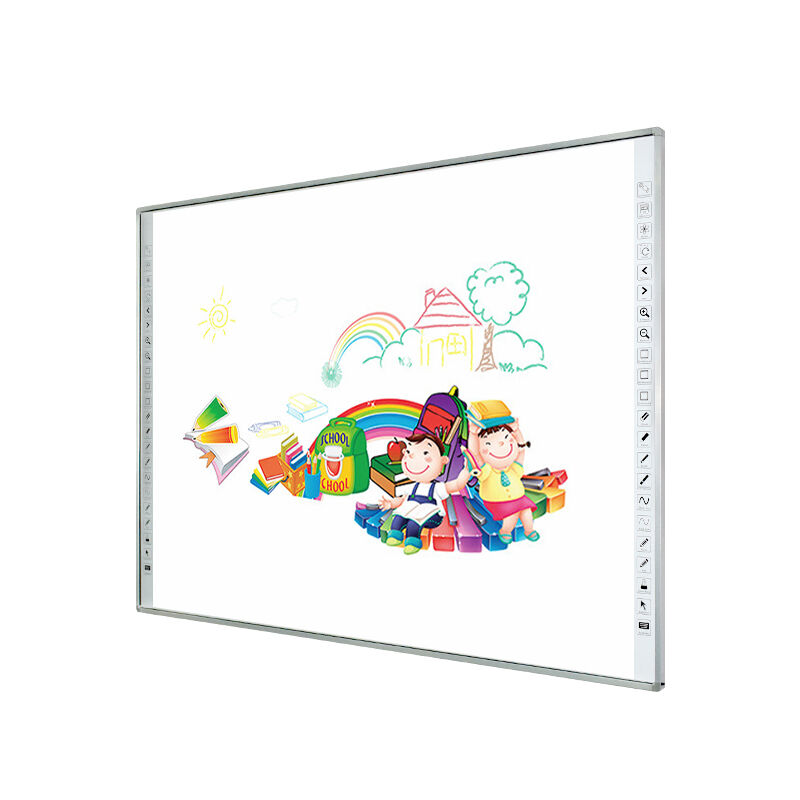
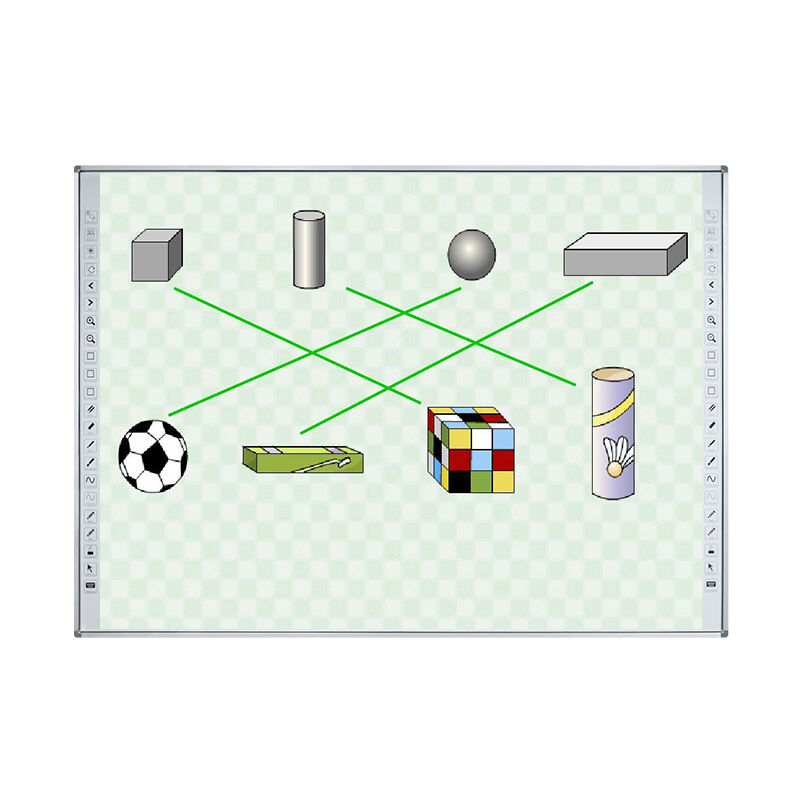
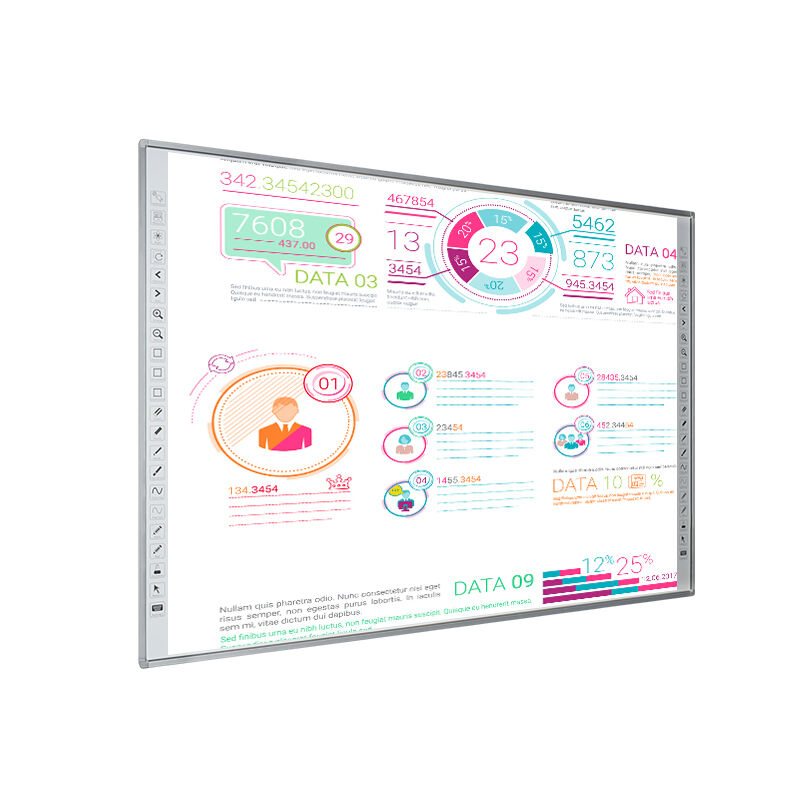
The smart whiteboard for classroom represents a revolutionary advancement in educational technology, transforming traditional teaching methods into dynamic, interactive learning experiences. This cutting-edge device combines the functionality of a conventional whiteboard with sophisticated digital capabilities, creating an immersive educational environment that enhances both teaching effectiveness and student engagement. Modern smart whiteboards feature large, high-resolution touch displays that respond to finger touches, stylus input, and gesture commands, allowing educators to write, draw, annotate, and manipulate digital content with remarkable precision. These interactive displays typically range from 65 to 86 inches, providing optimal visibility for classrooms of various sizes. The smart whiteboard for classroom integrates seamlessly with existing educational infrastructure through multiple connectivity options including Wi-Fi, Bluetooth, USB ports, and HDMI connections, enabling teachers to connect laptops, tablets, smartphones, and other devices effortlessly. Advanced models incorporate built-in Android operating systems, eliminating the need for external computers while providing access to educational apps, web browsers, and cloud-based resources. The technological framework includes multi-touch capabilities supporting simultaneous input from multiple users, infrared or capacitive touch sensors for accurate detection, and anti-glare surfaces that ensure clear visibility under various lighting conditions. These devices often feature integrated audio systems with high-quality speakers and microphones, facilitating clear communication during lessons and video conferencing sessions. Screen mirroring functionality allows teachers to display content from personal devices wirelessly, while annotation tools enable real-time markup of presentations, videos, and documents. Many smart whiteboards support collaborative features that allow students to participate actively by sharing their screens, contributing to group activities, and engaging in interactive exercises. The devices typically include pre-installed educational software suites offering templates, lesson planning tools, assessment features, and subject-specific applications covering mathematics, science, language arts, and social studies. Cloud integration ensures that lessons, notes, and student work can be saved, shared, and accessed from anywhere, promoting continuity between classroom and remote learning environments.
 EN
EN