Smart Whiteboards for Schools: Interactive Educational Technology Solutions

Get a Free Quote

Our representative will contact you soon.
Email
Name
Company Name
Mobile/WhatsApp
Message
0/1000

smart whiteboards for schools

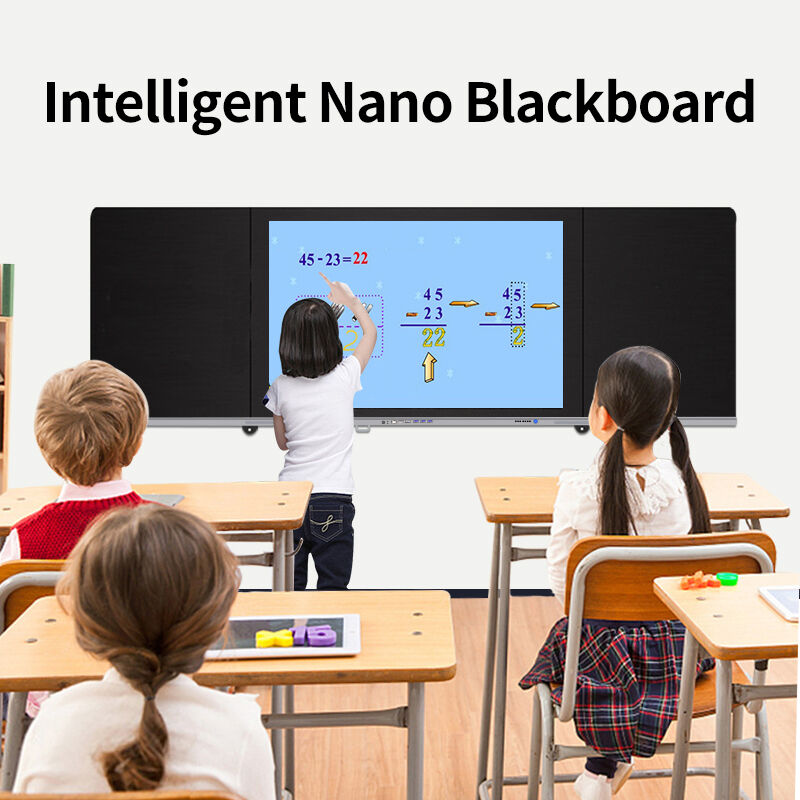
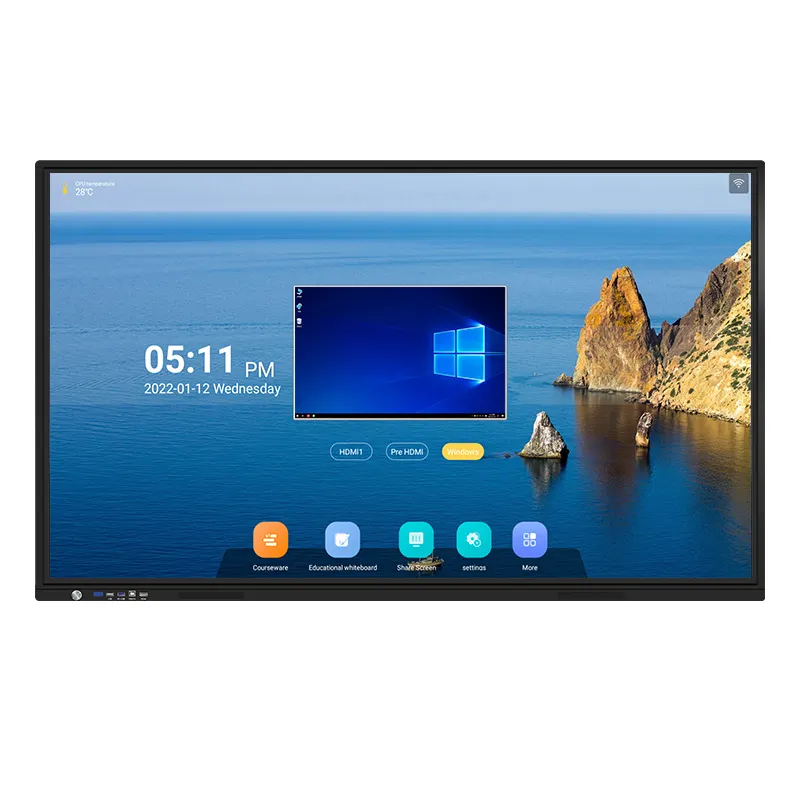
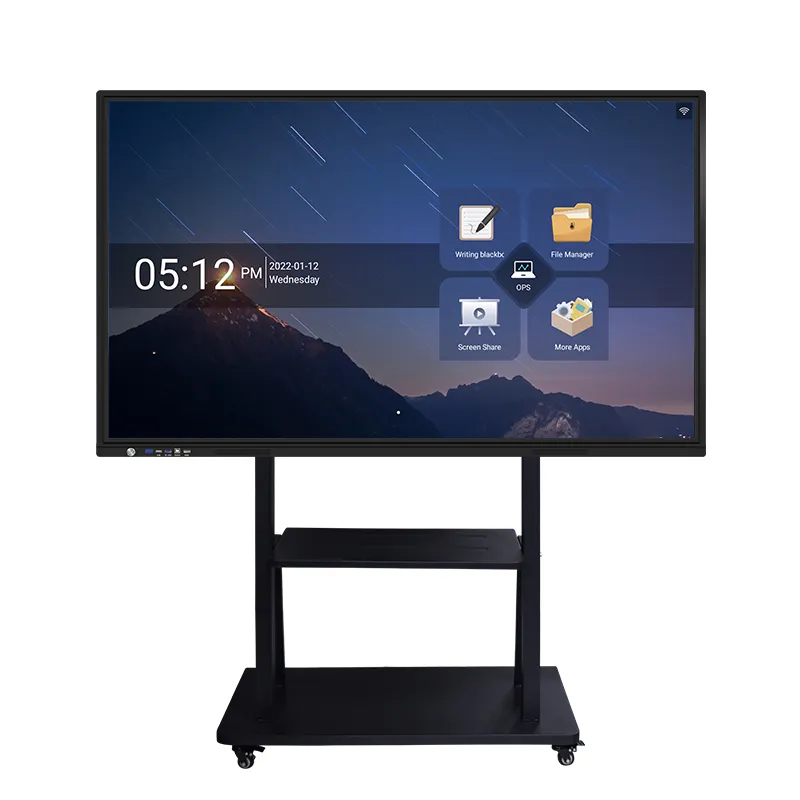
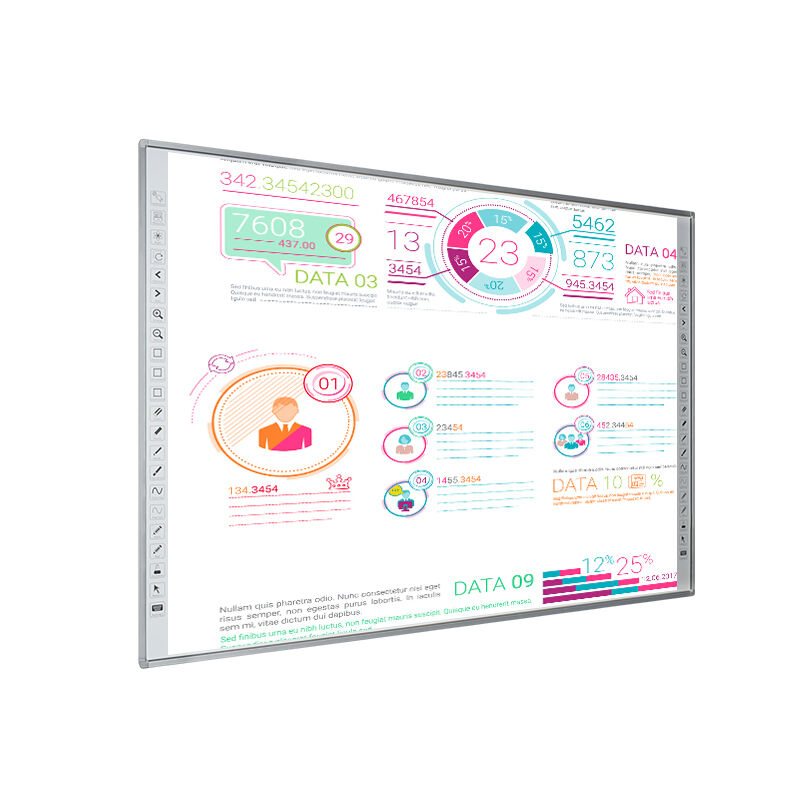
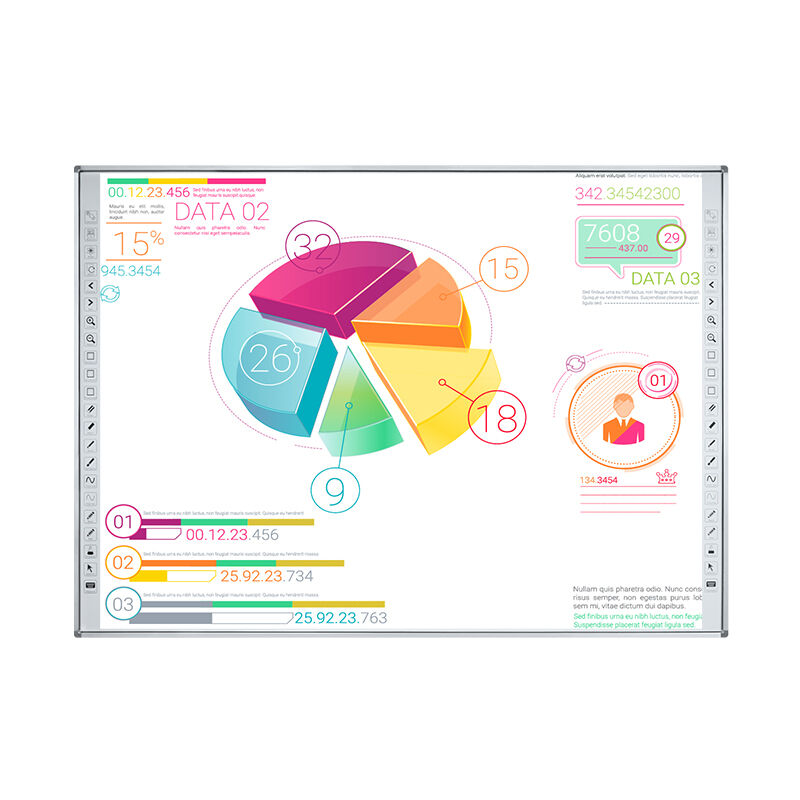
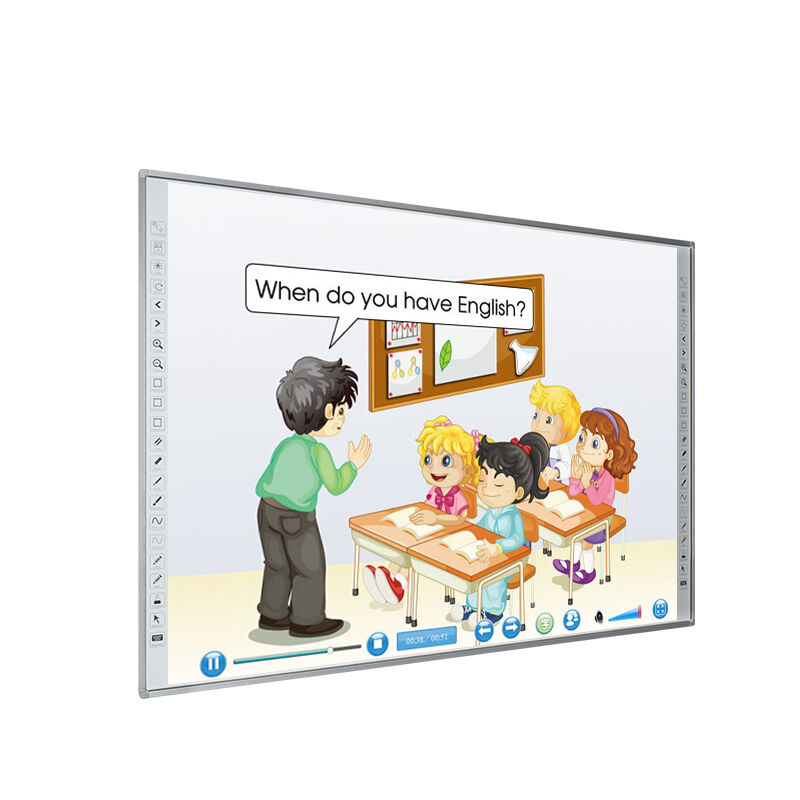
Smart whiteboards for schools represent a revolutionary transformation in educational technology, combining traditional teaching methods with cutting-edge digital capabilities. These interactive display systems serve as comprehensive learning platforms that enhance classroom engagement and modernize educational delivery. At their core, smart whiteboards for schools function as large touchscreen displays that respond to finger gestures, stylus input, and various interactive tools, creating an immersive learning environment for students and educators alike. The main functions of these educational devices include multi-touch capability, allowing multiple users to interact simultaneously with the board surface. Teachers can write, draw, annotate, and manipulate digital content in real-time, while students can participate directly by touching the screen to solve problems, move objects, or contribute to collaborative activities. Smart whiteboards for schools typically feature high-resolution displays ranging from 65 to 86 inches, ensuring clear visibility from any classroom position. The technological features encompass advanced infrared or capacitive touch technology, built-in Android or Windows operating systems, wireless connectivity options including Wi-Fi and Bluetooth, and comprehensive software suites designed specifically for educational purposes. Many models incorporate 4K Ultra HD resolution, anti-glare surfaces, and eye-protection technology to reduce strain during extended use. Integration capabilities allow seamless connection with tablets, smartphones, laptops, and other classroom devices, creating a unified digital ecosystem. Applications of smart whiteboards for schools span across all subject areas, from elementary mathematics where students can manipulate virtual objects to advanced science classes featuring interactive simulations and virtual laboratory experiments. Language arts teachers utilize multimedia presentations, interactive storytelling, and collaborative writing exercises, while geography lessons benefit from interactive maps and virtual field trips that bring distant locations into the classroom environment.

Popular Products

Smart whiteboards for schools deliver transformative benefits that revolutionize traditional teaching methodologies and create dynamic learning environments. These innovative educational tools significantly enhance student engagement by transforming passive learning into active participation. Students become more attentive and involved when they can physically interact with lesson content, touch digital objects, and collaborate directly on the board surface. This hands-on approach caters to various learning styles, particularly benefiting kinesthetic learners who thrive through physical interaction with educational materials. Teachers experience dramatic improvements in lesson delivery efficiency, as smart whiteboards for schools eliminate the time-consuming process of writing and erasing traditional chalk or marker boards. Digital content can be prepared in advance, saved for future use, and instantly modified during lessons to address student questions or adapt to different learning paces. The ability to access vast online resources, educational videos, and interactive applications directly through the whiteboard streamlines lesson planning and delivery. Collaboration capabilities represent another significant advantage, as multiple students can work simultaneously on the board, fostering teamwork and peer learning opportunities. Smart whiteboards for schools support differentiated instruction by allowing teachers to present information in various formats including visual, auditory, and interactive modes, ensuring all students can access content according to their preferred learning methods. Cost-effectiveness emerges as a long-term benefit, as these systems reduce ongoing expenses associated with traditional teaching supplies like markers, erasers, chart paper, and printed materials. The environmental impact decreases substantially, supporting schools' sustainability initiatives while reducing paper consumption. Administrative benefits include the ability to record lessons for absent students, share content across multiple classrooms instantly, and maintain consistent curriculum delivery across different teachers and sections. Integration with existing school technology infrastructure enhances overall educational technology investments, creating seamless workflows between different digital tools and platforms used throughout the institution.

Latest News

How Can a Self Ordering Kiosk Improve Efficiency in Restaurants?

25

Dec

How Can a Self Ordering Kiosk Improve Efficiency in Restaurants?

The restaurant industry faces mounting pressure to deliver faster service, reduce operational costs, and enhance customer satisfaction. A self ordering kiosk represents a transformative solution that addresses these challenges while positioning estab...
View More
What Factors Determine a High-Impact Digital Signage Setup?

17

Dec

What Factors Determine a High-Impact Digital Signage Setup?

The landscape of visual communication has transformed dramatically with the rise of outdoor digital signage solutions that captivate audiences and drive meaningful engagement. Modern businesses increasingly rely on these dynamic display technologies ...
View More
Why Choose an Interactive Display for Business Presentations?

05

Dec

Why Choose an Interactive Display for Business Presentations?

Modern business environments demand presentation solutions that engage audiences and facilitate meaningful collaboration. An interactive display represents a revolutionary shift from traditional projection systems, offering touch-enabled capabilities...
View More
How Does a Mirror Display Combine Functionality and Aesthetics?

10

Jan

How Does a Mirror Display Combine Functionality and Aesthetics?

A mirror display represents one of the most innovative convergences of traditional aesthetics and cutting-edge digital technology in today's commercial and residential environments. These sophisticated devices seamlessly blend the reflective properti...
View More

Get a Free Quote

Our representative will contact you soon.
Email
Name
Company Name
Mobile/WhatsApp
Message
0/1000

smart whiteboards for schools

Revolutionary Interactive Touch Technology and Multi-User Collaboration

Revolutionary Interactive Touch Technology and Multi-User Collaboration

The cornerstone feature of smart whiteboards for schools lies in their advanced interactive touch technology that supports simultaneous multi-user engagement, fundamentally transforming classroom dynamics and collaborative learning experiences. This sophisticated technology utilizes either infrared sensing or projected capacitive touch systems that can accurately detect and respond to multiple touch points simultaneously, allowing up to ten users to interact with the board concurrently without interference or lag. Unlike traditional whiteboards that limit interaction to a single presenter, smart whiteboards for schools create inclusive learning environments where students can work together on complex problems, manipulate digital objects, and contribute to group activities in real-time. The precision of touch recognition ensures that fine motor activities such as handwriting, detailed drawing, and intricate mathematical calculations are captured with remarkable accuracy, maintaining the natural feel of traditional writing while providing digital advantages. Teachers can orchestrate collaborative activities where students approach the board to solve equations, arrange timeline events, or participate in interactive games that reinforce learning objectives. The multi-touch capability proves particularly valuable in subjects requiring spatial reasoning, such as geometry, where students can rotate, resize, and manipulate shapes while discussing properties and relationships. Language learning benefits enormously from this interactive approach, as students can physically move word cards, construct sentences, and engage in spelling activities that combine tactile learning with visual feedback. The technology also supports gesture recognition, allowing users to perform intuitive actions like pinching to zoom, swiping to navigate, and rotating objects with natural hand movements. This intuitive interface reduces the learning curve for both teachers and students, making smart whiteboards for schools accessible to users of all technological skill levels while maintaining sophisticated functionality that supports advanced educational applications and creative teaching methodologies.
Comprehensive Software Integration and Digital Resource Access

Comprehensive Software Integration and Digital Resource Access

Smart whiteboards for schools excel through their comprehensive software ecosystems that seamlessly integrate with existing educational platforms while providing access to vast digital resource libraries, creating unlimited possibilities for enhanced curriculum delivery and interactive learning experiences. These systems typically come pre-loaded with specialized educational software suites designed specifically for classroom use, featuring subject-specific tools, interactive templates, and customizable lesson frameworks that align with standard curriculum requirements. Teachers can access thousands of pre-built activities, simulations, and interactive exercises covering every grade level and subject area, from basic arithmetic manipulatives for elementary students to advanced scientific modeling tools for high school physics and chemistry classes. The software integration capabilities extend to popular educational platforms such as Google Classroom, Microsoft Teams for Education, and learning management systems, allowing teachers to pull assignments, share content, and manage classroom activities directly through the smart whiteboard interface. Cloud connectivity ensures that lessons, resources, and student work can be saved, accessed, and shared across multiple devices and locations, supporting hybrid learning models and enabling students to continue their learning beyond the physical classroom. Smart whiteboards for schools also provide real-time internet access, allowing teachers to incorporate current events, updated scientific data, and fresh multimedia content into their lessons spontaneously. The annotation tools enable teachers to mark up any digital content, including web pages, videos, and documents, while maintaining the ability to save these annotated materials for future reference or student review. Assessment tools integrated into the software allow for immediate feedback and formative assessment opportunities, with features like digital polling, quiz games, and response systems that provide instant insights into student comprehension levels. The compatibility with various file formats ensures that existing digital resources, presentations, and materials can be easily imported and enhanced with interactive elements, protecting schools' previous technology investments while expanding their utility and effectiveness.

Enhanced Visual Learning and Multimedia Presentation Capabilities

Enhanced Visual Learning and Multimedia Presentation Capabilities

Smart whiteboards for schools deliver exceptional visual learning experiences through high-definition display technology and comprehensive multimedia capabilities that bring abstract concepts to life and cater to diverse learning preferences. These advanced displays typically feature 4K Ultra HD resolution with anti-glare surfaces and eye-protection technology, ensuring crystal-clear visibility from every angle in the classroom while reducing eye strain during extended viewing sessions. The large screen sizes, ranging from 65 to 86 inches, guarantee that every student can clearly see detailed diagrams, text, and multimedia content regardless of their seating position. The visual impact extends beyond mere clarity, as smart whiteboards for schools support rich multimedia presentations that combine text, images, videos, animations, and interactive elements into cohesive learning experiences that engage multiple senses simultaneously. Science teachers can display high-resolution microscopic images, conduct virtual dissections, and demonstrate complex chemical reactions through animated simulations that would be impossible or impractical with traditional teaching methods. Mathematics instruction benefits from dynamic graphing capabilities, where functions can be manipulated in real-time to show how changes in variables affect outcomes, making abstract mathematical concepts tangible and understandable. History and social studies lessons come alive through virtual museum tours, interactive historical timelines, and immersive cultural experiences that transport students to different times and places. The multimedia capabilities support various content formats including streaming video services, educational documentaries, and interactive educational games that reinforce learning objectives while maintaining student interest and motivation. Language arts instruction leverages visual storytelling tools, interactive poetry analysis, and collaborative writing platforms that encourage creative expression and critical thinking. The presentation capabilities also support differentiated instruction by allowing teachers to adjust font sizes, color contrasts, and display preferences to accommodate students with visual impairments or learning differences, ensuring inclusive educational experiences that meet diverse accessibility needs while maintaining high engagement levels across all student populations.

Get a Free Quote

Our representative will contact you soon.
Email
Name
Company Name
Mobile/WhatsApp
Message
0/1000