Interactive Holographic Displays: Revolutionary 3D Visualization Technology for Business Innovation

Get a Free Quote

Our representative will contact you soon.
Email
Name
Company Name
Mobile/WhatsApp
Message
0/1000

interactive holographic displays

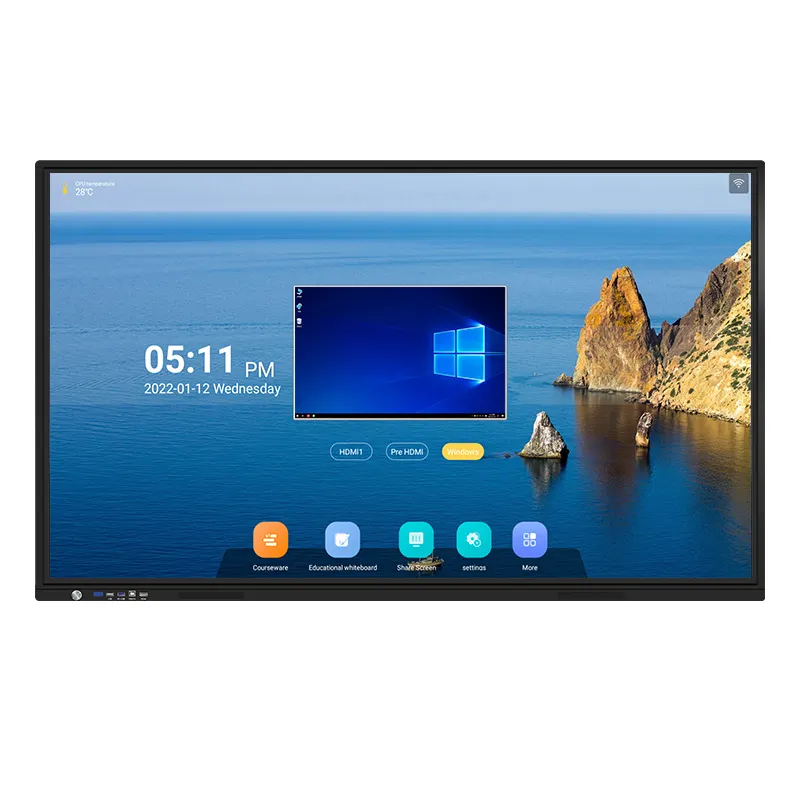
Interactive holographic displays represent a groundbreaking advancement in visualization technology that transforms how we perceive and interact with digital content. These sophisticated systems project three-dimensional images that appear to float in mid-air, creating an immersive experience that captivates audiences across various industries. The technology combines cutting-edge optics, advanced computing power, and intuitive user interfaces to deliver unprecedented visual experiences that bridge the gap between digital and physical worlds. Interactive holographic displays utilize complex light manipulation techniques, including laser projection, spatial light modulators, and volumetric rendering systems to create realistic three-dimensional imagery. The main functions of these revolutionary systems encompass real-time content generation, gesture recognition capabilities, multi-user collaboration features, and seamless integration with existing digital infrastructure. Users can manipulate holographic objects using natural hand movements, voice commands, or specialized input devices, making the interaction process intuitive and engaging. The technological features include high-resolution projection systems capable of displaying millions of pixels in three-dimensional space, advanced motion tracking sensors that detect user movements with precision, and powerful processing units that render complex visual effects in real-time. These displays support various content formats, from simple geometric shapes to complex architectural models, medical visualizations, and entertainment content. The refresh rates of modern interactive holographic displays reach up to 120 frames per second, ensuring smooth motion and reducing visual artifacts. Applications for interactive holographic displays span numerous sectors including education, healthcare, entertainment, retail, manufacturing, and corporate presentations. In educational environments, these systems enable students to explore complex concepts through hands-on interaction with three-dimensional models. Healthcare professionals use interactive holographic displays for surgical planning, medical training, and patient education, allowing them to visualize anatomical structures with unprecedented clarity and detail.

New Product Releases

Interactive holographic displays offer compelling advantages that revolutionize how businesses and individuals engage with digital content, delivering measurable benefits that enhance productivity, engagement, and operational efficiency. These systems eliminate the need for traditional screens and physical barriers, allowing multiple users to simultaneously view and interact with the same holographic content from different angles without compromising image quality or clarity. The technology significantly reduces training time and costs by providing immersive learning experiences that improve knowledge retention rates by up to 75 percent compared to conventional presentation methods. Companies implementing interactive holographic displays report increased customer engagement levels, with retail environments experiencing up to 40 percent longer customer interaction times and higher conversion rates. The systems enhance collaboration capabilities by enabling remote teams to work together on three-dimensional projects in real-time, regardless of geographical location, thereby reducing travel expenses and accelerating project completion timelines. Interactive holographic displays provide superior data visualization capabilities, allowing complex information to be presented in easily understandable formats that facilitate faster decision-making processes. The technology offers exceptional flexibility in content presentation, supporting dynamic updates and real-time modifications without requiring specialized technical expertise or extensive setup procedures. Users benefit from reduced eye strain and fatigue compared to traditional screen-based systems, as holographic displays eliminate the need for prolonged focus on flat surfaces. The systems integrate seamlessly with existing enterprise software and hardware infrastructure, minimizing implementation costs and technical disruptions. Interactive holographic displays deliver impressive return on investment through reduced printing costs, decreased physical storage requirements, and enhanced operational efficiency. The technology supports sustainable business practices by eliminating paper waste and reducing energy consumption associated with traditional display systems. Marketing teams leverage these displays to create memorable brand experiences that differentiate their products and services in competitive markets. The systems provide valuable analytics and user interaction data that help organizations optimize their content strategies and improve customer satisfaction levels. Interactive holographic displays offer scalable solutions that grow with business needs, supporting everything from small presentation rooms to large-scale exhibition spaces without compromising performance or visual quality.

Tips And Tricks

How Can a Self Ordering Kiosk Improve Efficiency in Restaurants?

25

Dec

How Can a Self Ordering Kiosk Improve Efficiency in Restaurants?

The restaurant industry faces mounting pressure to deliver faster service, reduce operational costs, and enhance customer satisfaction. A self ordering kiosk represents a transformative solution that addresses these challenges while positioning estab...
View More
What Factors Determine a High-Impact Digital Signage Setup?

17

Dec

What Factors Determine a High-Impact Digital Signage Setup?

The landscape of visual communication has transformed dramatically with the rise of outdoor digital signage solutions that captivate audiences and drive meaningful engagement. Modern businesses increasingly rely on these dynamic display technologies ...
View More
Why Choose an Interactive Display for Business Presentations?

05

Dec

Why Choose an Interactive Display for Business Presentations?

Modern business environments demand presentation solutions that engage audiences and facilitate meaningful collaboration. An interactive display represents a revolutionary shift from traditional projection systems, offering touch-enabled capabilities...
View More
Why Choose a Bar Display for Retail Shelving and Advertising?

28

Jan

Why Choose a Bar Display for Retail Shelving and Advertising?

Modern retail environments demand innovative solutions that capture customer attention while maximizing space efficiency. The bar display has emerged as a revolutionary technology that transforms traditional retail shelving into dynamic advertising p...
View More

Get a Free Quote

Our representative will contact you soon.
Email
Name
Company Name
Mobile/WhatsApp
Message
0/1000

interactive holographic displays

Revolutionary Gesture Control Technology

Revolutionary Gesture Control Technology

Interactive holographic displays feature state-of-the-art gesture control technology that transforms how users interact with digital content, offering an intuitive and natural interface that requires no physical contact or specialized equipment. This advanced system utilizes sophisticated computer vision algorithms and machine learning capabilities to accurately interpret hand movements, finger positions, and body gestures in real-time, translating these actions into precise digital commands. Users can rotate three-dimensional objects, zoom in on specific details, navigate through complex data sets, and manipulate virtual elements with simple hand motions, creating an engaging and immersive experience that feels remarkably natural. The gesture recognition system operates with exceptional accuracy, detecting movements within milliseconds and providing immediate visual feedback that enhances user confidence and interaction flow. This technology eliminates the learning curve associated with traditional input devices, making interactive holographic displays accessible to users of all ages and technical backgrounds. The system supports multiple gesture types, including pointing, grabbing, swiping, and pinching motions, while also recognizing custom gestures that can be programmed for specific applications or user preferences. Advanced calibration features ensure optimal performance across different lighting conditions and user heights, while built-in safety protocols prevent accidental activation and maintain system stability. The gesture control technology integrates seamlessly with voice commands and eye-tracking features, creating a multi-modal interface that adapts to individual user preferences and accessibility requirements. Organizations benefit from reduced training costs and improved user adoption rates, as employees can begin using the system immediately without extensive instruction or practice sessions. The technology supports collaborative environments where multiple users can simultaneously interact with the same holographic content, fostering teamwork and enhancing group decision-making processes. Regular software updates ensure compatibility with emerging gesture recognition standards and expand functionality through new interaction patterns and customization options.
Ultra-High Resolution 3D Visualization

Ultra-High Resolution 3D Visualization

Interactive holographic displays deliver exceptional visual quality through ultra-high resolution 3D visualization capabilities that surpass traditional display technologies in clarity, depth perception, and color accuracy. These advanced systems generate millions of individual light points in three-dimensional space, creating holographic images with pixel densities exceeding 4K resolution standards while maintaining perfect image stability from any viewing angle. The proprietary rendering engine processes complex geometric data in real-time, producing smooth animations and detailed textures that bring digital content to life with remarkable realism. Users experience true depth perception without requiring special glasses or headwear, as the holographic projection creates actual light patterns that naturally interact with human vision systems. The technology supports full spectrum color reproduction with high dynamic range capabilities, ensuring accurate representation of subtle color variations and maintaining visual consistency across different ambient lighting conditions. Advanced anti-aliasing algorithms eliminate pixelation and jagged edges, while sophisticated motion blur compensation ensures crystal-clear imagery even during rapid movements or dynamic content changes. The system automatically adjusts brightness levels and contrast ratios based on environmental conditions, optimizing visibility while protecting user eye health during extended viewing sessions. Interactive holographic displays maintain consistent image quality regardless of viewing distance, allowing users to examine fine details up close or observe overall compositions from across the room without any loss of clarity or definition. The technology incorporates cutting-edge optics and precision-engineered components that minimize distortion and ensure uniform light distribution throughout the entire display volume. Content creators benefit from extensive format support and real-time rendering capabilities that enable immediate visualization of design changes and modifications. The ultra-high resolution capabilities make these displays ideal for applications requiring precise detail representation, such as medical imaging, architectural visualization, engineering design, and scientific research where accuracy is paramount for successful outcomes.
Seamless Multi-Platform Integration

Seamless Multi-Platform Integration

Interactive holographic displays excel in providing seamless multi-platform integration capabilities that connect effortlessly with existing technology ecosystems, eliminating compatibility concerns and streamlining implementation processes across diverse organizational environments. These versatile systems support comprehensive connectivity options including wireless protocols, cloud-based services, enterprise software platforms, and legacy hardware systems, ensuring smooth data flow and operational continuity. The robust integration framework accommodates popular business applications such as CAD software, presentation tools, data visualization platforms, and collaborative workspace solutions without requiring extensive customization or technical modifications. Advanced API support enables developers to create custom applications and integrate specialized workflows that align with unique organizational requirements and industry-specific needs. The technology features intelligent content management systems that automatically synchronize data across multiple devices and platforms, ensuring all stakeholders access the most current information regardless of their location or device preferences. Real-time collaboration capabilities allow teams to work simultaneously on projects using different devices and software platforms while maintaining perfect synchronization and version control. The integration system supports various file formats including 3D models, video content, interactive presentations, and complex data sets, automatically optimizing content for holographic display while preserving original quality and functionality. Security protocols ensure safe data transmission and storage while maintaining compliance with industry standards and organizational policies for information protection. The platform offers scalable deployment options that accommodate everything from single-user installations to enterprise-wide networks spanning multiple locations and time zones. Automatic software updates and maintenance routines minimize downtime and ensure consistent performance across all integrated systems. The technology includes comprehensive monitoring and analytics tools that provide valuable insights into system usage, performance metrics, and user engagement patterns, enabling data-driven optimization and strategic planning. Technical support teams benefit from centralized management capabilities that simplify troubleshooting, system configuration, and user access control across the entire integrated network, reducing operational complexity and maintenance costs while maximizing system reliability and user satisfaction.

Get a Free Quote

Our representative will contact you soon.
Email
Name
Company Name
Mobile/WhatsApp
Message
0/1000